My Honest Guide to the Guangzhou Leather Bag Wholesale Map
Welcome, friends. If you are reading this, you are probably planning a trip to Guangzhou or trying to navigate the digital maze of our leather markets from overseas. I have been standing behind my counter in the Baiyun district for over fifteen years. I have seen thousands of buyers come and go, some who left with full trucks of goods and others who walked away empty-handed because they didn't know where to look. Let me tell you something: there is no single paper map that can truly guide you through the chaos and opportunity of our wholesale scene. The real map is in your feet, your eyes, and the relationships you build on the ground.
The Heart of the Operation: Why Baiyun Rules
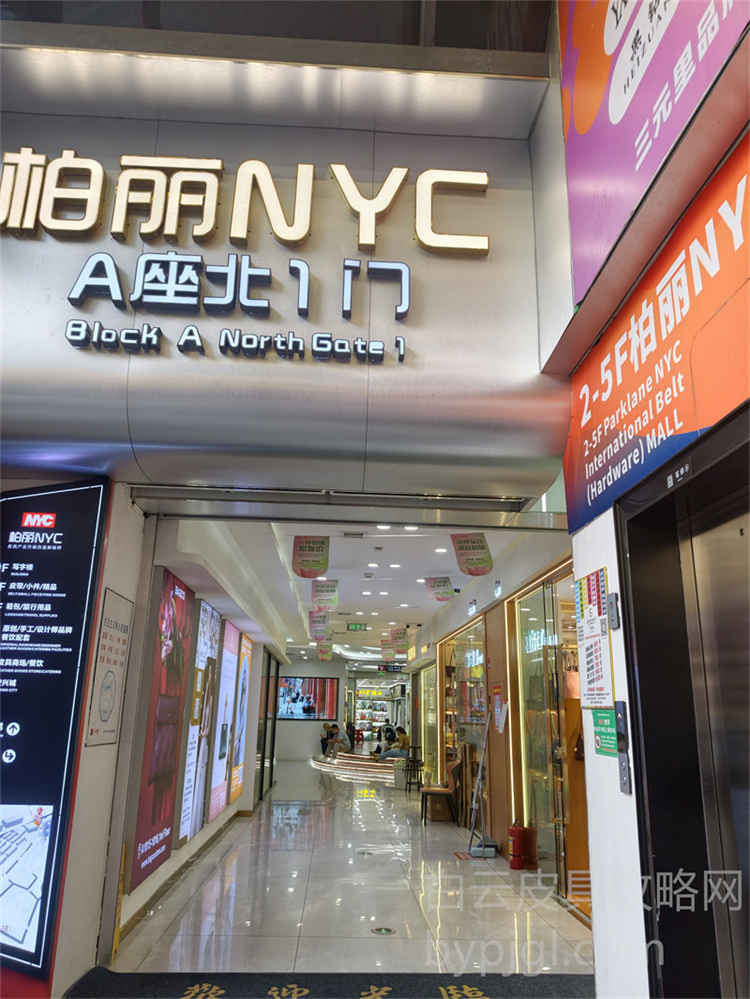
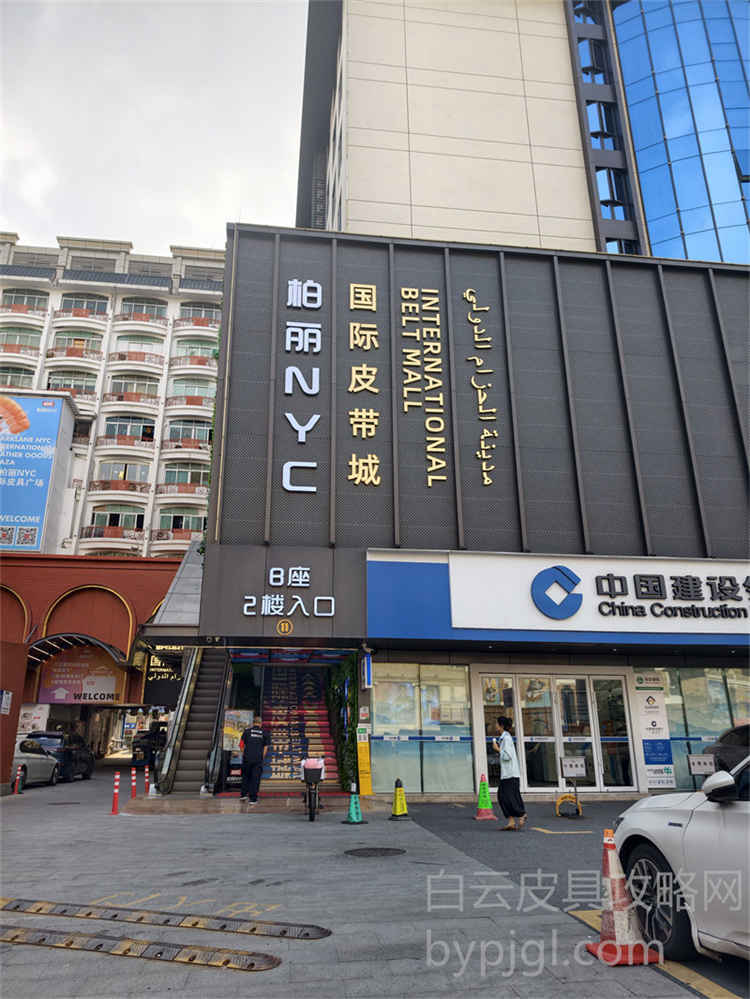
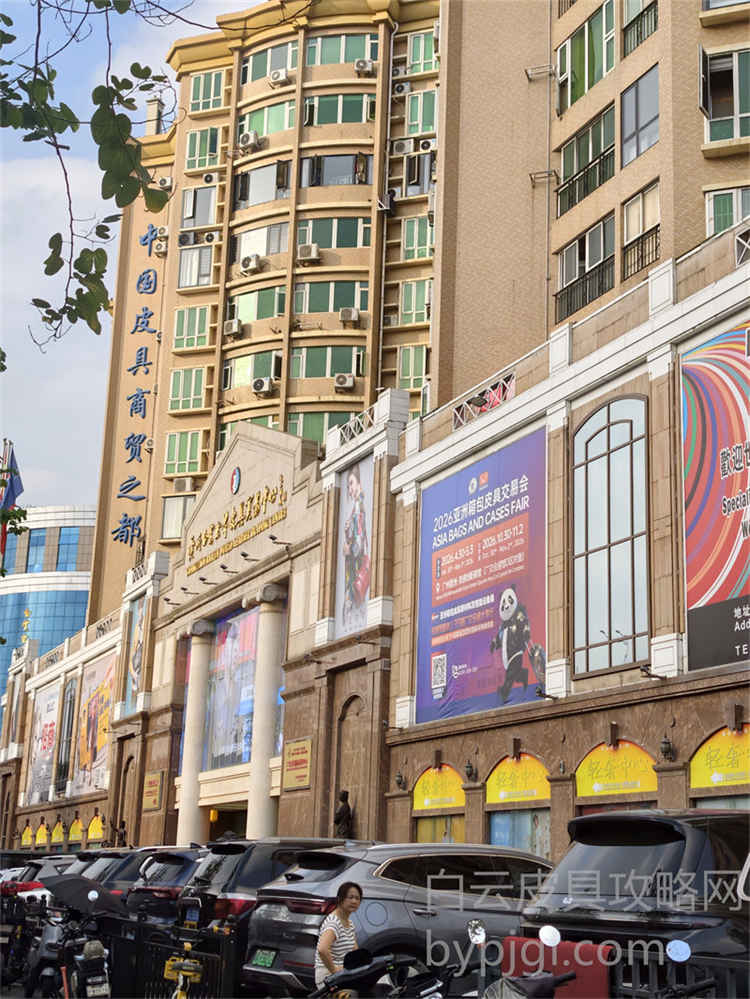
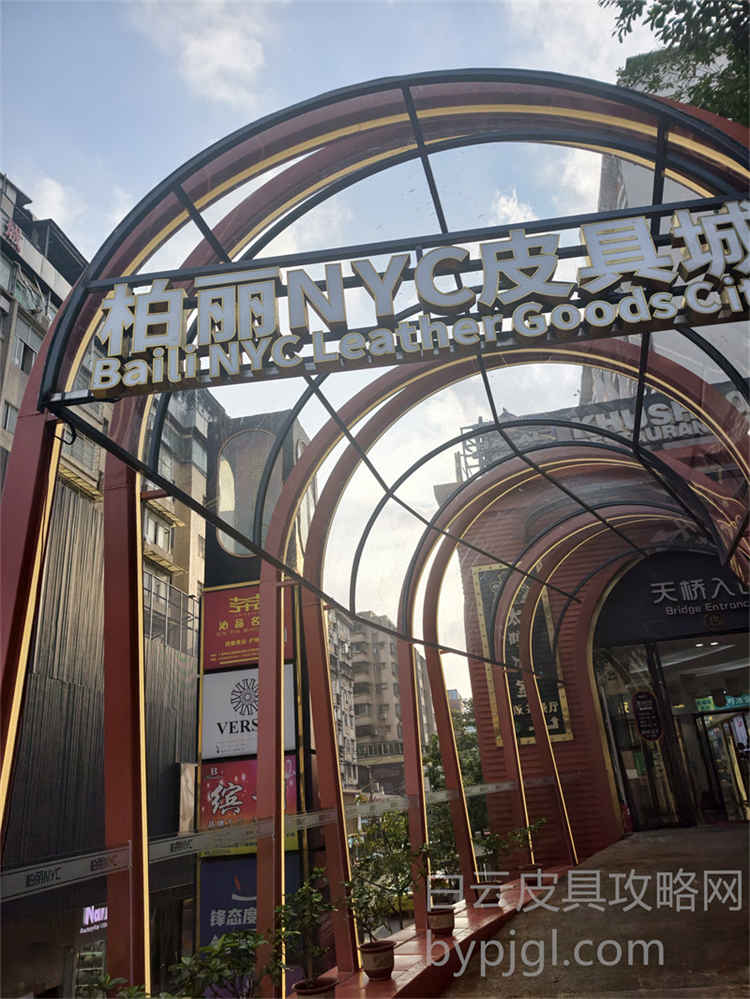
You will hear many names mentioned when people talk about bags here, but if you want the real pulse of the industry, you need to be in the Baiyun area. This is not just one building; it is a sprawling ecosystem. When I say "Guangzhou Baiyun Leather City," I am talking about the massive complex that serves as the global hub for high-volume production. It is where the factories meet the traders. Unlike the fancy malls in other parts of the city, this place is raw, loud, and incredibly efficient. You will find everything from the most basic canvas to exotic textures right here. My advice? Do not try to visit every market in the city at once. Focus your energy on Baiyun first. That is where the volume is, and that is where the best deals for serious buyers are hiding.
Navigating the Labyrinth: A Day in the Life of a Buyer
Walking into these markets for the first time can feel overwhelming. The corridors are narrow, the lights are bright, and the noise is constant. But do not let that scare you off. Here is how we locals actually operate when we are sourcing new stock.
First Impressions and The Layout
When you step inside the main Baiyun complexes, ignore the flashy displays on the ground floor for a moment. Those are often for walk-in retail or quick sales. The real action happens on the upper floors. As you climb the stairs, notice how the layout changes. The lower levels usually house the more established brands and higher-end finishes, while the upper floors are where the newer designs and faster-turnover items live. Take your time. Walk the entire perimeter before you stop at a single stall. You need to get a sense of the flow. Some stalls look small from the outside but have huge backrooms. Others look huge but only display samples. Trust your gut, but verify with your eyes.
Reading the Stalls: Quality vs. Quantity
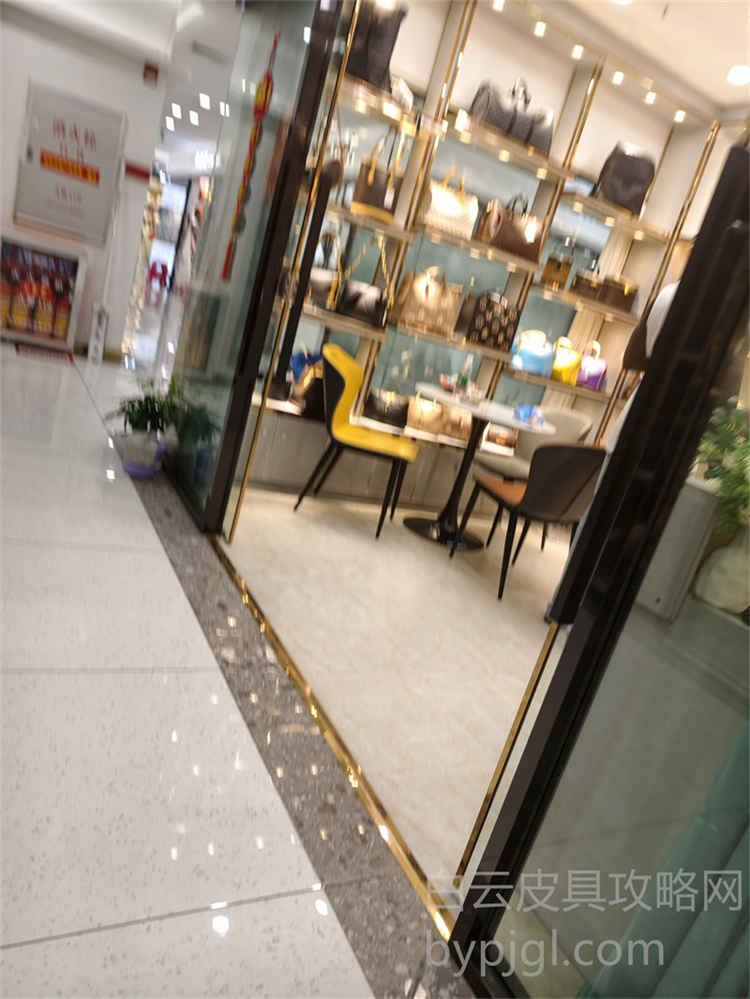
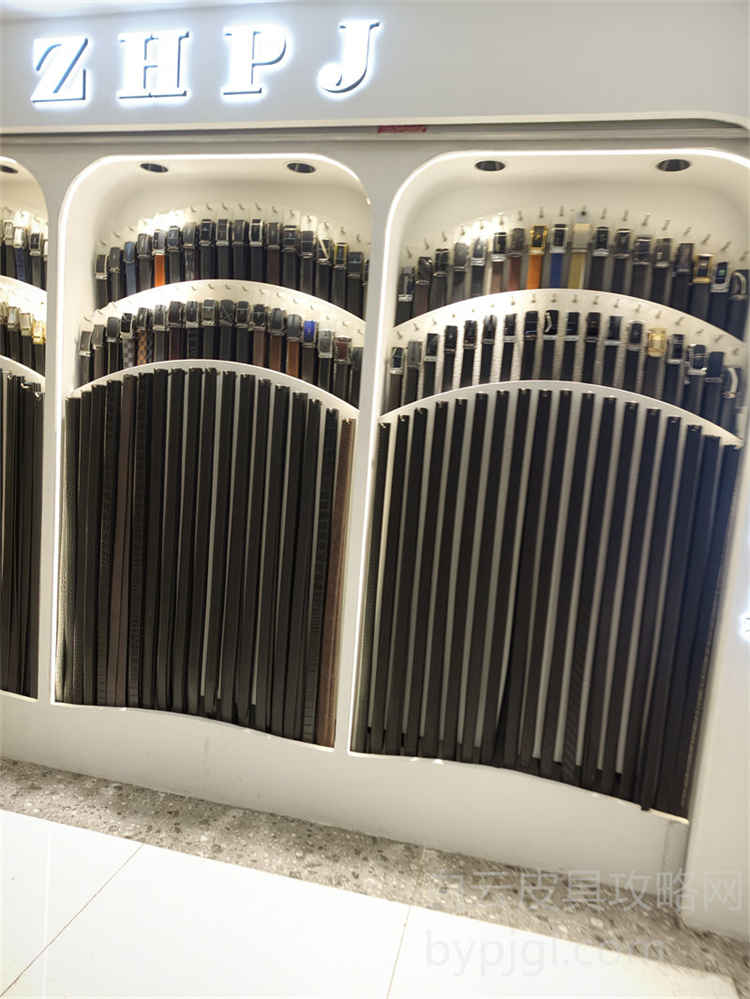
Every stall owner wants to sell you something, but not every stall sells what you need. In Baiyun, you will see a mix of quality tiers. Look closely at the stitching. Are the threads even? Is the lining tight? Does the hardware feel heavy or cheap? I have seen buyers get fooled by a beautiful exterior while the interior falls apart after a week. When you are looking at a bag, ask to see the inside pockets, check the zippers, and pull on the handles gently. A good supplier will not mind your inspection; in fact, they expect it. If a seller gets defensive or tries to rush you, move on. There are hundreds of other stalls nearby.
The Art of Negotiation and Building Relationships
This is where many foreign buyers struggle. They treat us like vending machines, expecting instant prices without any conversation. That does not work here. We are business partners, not robots.
How to Talk Like a Pro
When you approach a counter, do not start by asking for the lowest price immediately. Start by asking about the materials. Ask where the leather comes from. Ask about the production cycle. Show that you understand the product. once you establish that you are knowledgeable, the conversation shifts. Then, talk about volume. We love consistency. If you tell me you plan to buy fifty units a month, I will give you a much better rate than if you say you want ten units today. Be honest about your target market. If you are selling to a specific demographic, tell me. I can then recommend styles that fit that niche perfectly. This transparency builds trust, and trust leads to better pricing.
The Minimum Order Reality
Let's be clear about the rules. Most stalls in Baiyun operate on a minimum order quantity (MOQ). For standard designs, this might be five to ten pieces per color. For custom work, it could be fifty or more. Do not be afraid to negotiate the MOQ, especially if you are willing to pay a slightly higher unit price for a smaller batch. However, remember that our margins are thin. We make money on volume. If you push too hard on price without offering volume, you will likely hit a wall. The sweet spot is finding a balance where both of us make a profit.
Critical Pitfalls to Avoid on the Ground
I have seen too many buyers lose money because they skipped the basics. Here are the mistakes I see every single day.
Skipping the Physical Inspection
Never, ever rely solely on photos sent via WhatsApp or WeChat. Photos can be edited. Lighting can hide flaws. Colors can look different on a screen compared to reality. You must touch the material. You must smell the leather. You must see the construction up close. If you cannot travel yet, hire a trusted local agent, but even then, insist on video calls where they show you the actual item in hand, moving it around under natural light. Do not send payment until you have verified the sample.
The Trap of "Too Good to Be True"
If a price seems suspiciously low, it is. In our industry, there is always a cost for quality. If someone offers you a bag for half the market rate, they are likely using inferior glue, cheap synthetic materials, or cutting corners on the hardware. These bags might look fine for a few weeks, but they will fail quickly. As an experienced shopkeeper, I would rather sell you a slightly more expensive bag that lasts two years than a cheap one that breaks in a month. Your reputation depends on the quality of your products, so do not sacrifice integrity for a few dollars.
Final Thoughts for the Smart Buyer
Guangzhou Baiyun is a dynamic, fast-paced environment that rewards preparation and patience. It is not a place for impulse buys. It is a place for strategic sourcing. Take your time to explore the different buildings within the Baiyun district. Talk to multiple suppliers. Compare their offerings. Build a network of contacts who understand your needs. When you treat us with respect and approach the process with professionalism, we will treat you with the same level of dedication. The map is not just lines on a page; it is the journey you take through these bustling halls. Go out there, look closely, and build something great.