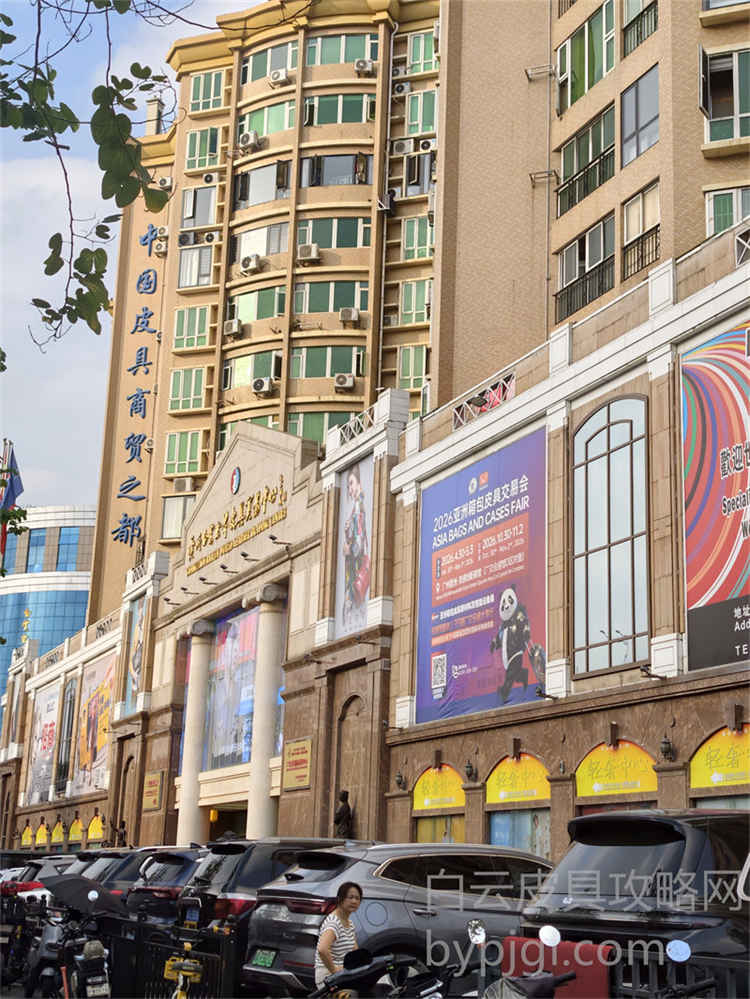
Walking the Floors: A Veteran's Guide to Sourcing in Guangzhou
Listen, I've been standing behind this counter in Baiyun for over fifteen years. While you might see me as just another shop owner pushing boxes, I've watched thousands of buyers come and go, from first-timers with big dreams to seasoned importers looking for that perfect edge. If you are planning a trip to Guangzhou to source high-end leather goods, forget what you read on generic blogs. The real knowledge isn't found online; it is found in the dust, the noise, and the specific handshake deals you make on the ground floor of the markets here.
The biggest mistake foreign buyers make is treating this like a standard retail shopping trip. It is not. This is a wholesale ecosystem built on relationships, trust, and an intricate understanding of quality tiers that no website can fully explain. When you walk into the main hubs around Baiyun, you aren't just looking for products; you are looking for partners who understand your market standards. Let me walk you through exactly how we operate and how you can navigate this landscape without getting burned.
Navigating the Market Landscape
Understanding the Hierarchy of Quality
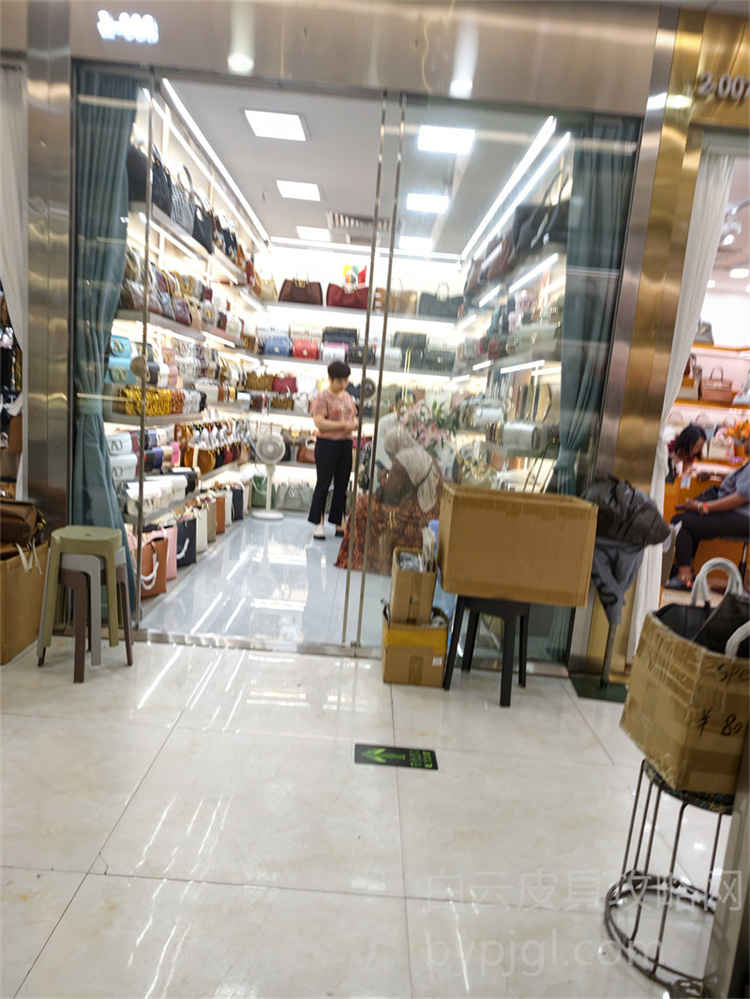
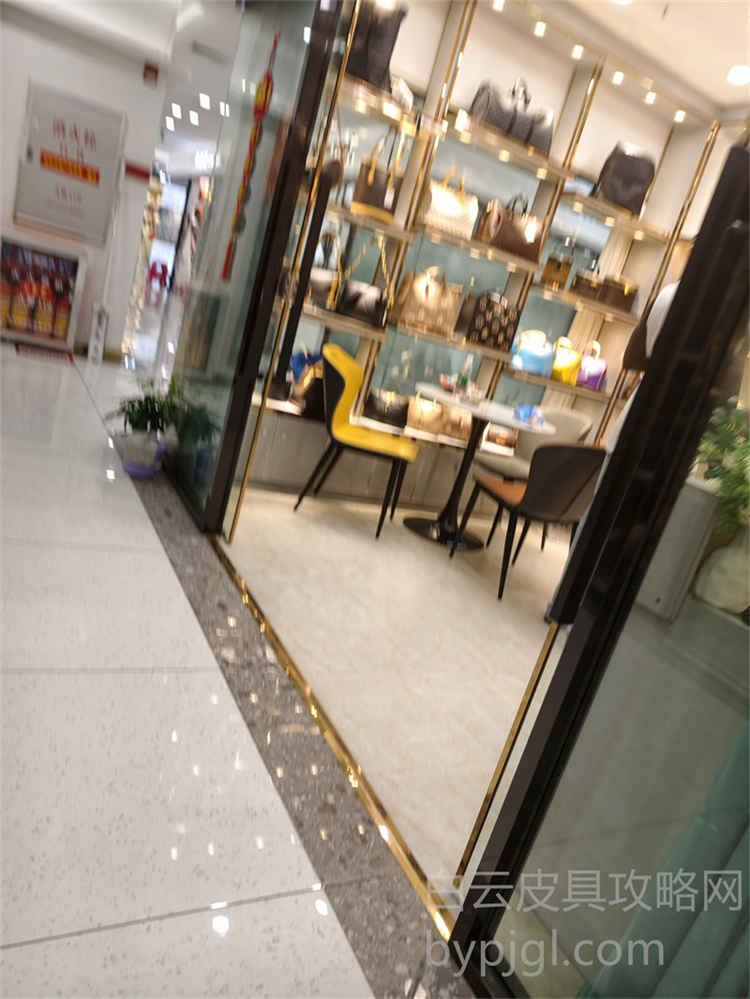
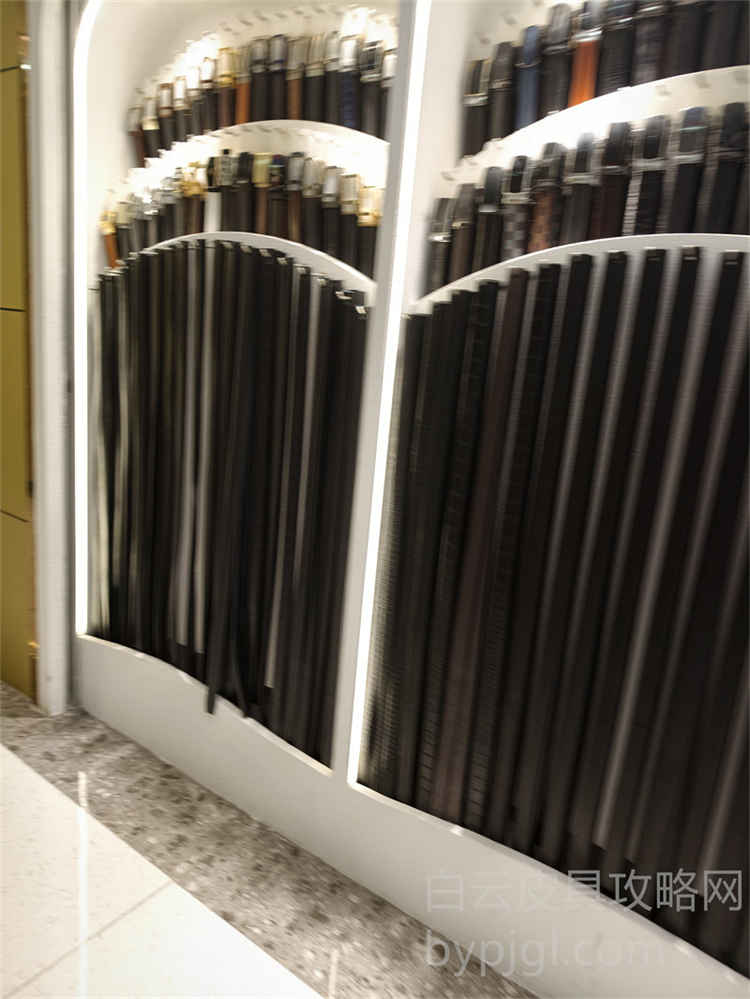
First things first, you need to understand that not all shops are created equal. In Baiyun, there is a clear hierarchy. You have the street-level stalls that sell mass-produced items, then you have the mid-range showrooms, and finally, the top-tier "showroom" style boutiques that cater to serious international clients. These top spots often don't even display their best work on the racks. They keep their finest pieces in the back room or on private tables.
When you ask about the "best quality," you will get a lot of vague answers if you haven't established credibility. We talk about different grades of craftsmanship, materials, and hardware. A veteran buyer knows that the difference between a good piece and a great one lies in the stitching tension, the smell of the leather, and the weight of the metal fittings. Do not be afraid to ask to see the raw materials. If a seller hesitates to show you the leather grain up close or refuses to let you inspect the lining, walk away immediately. That hesitation is usually a red flag for inferior materials disguised as premium goods.
The Art of Inspection and Verification
What to Look For Before You Pay
once you find a stall that seems promising, the real work begins. I always tell my regulars: never buy based on photos alone. Photos can be edited, angles can be hidden, and lighting can hide flaws. You must physically handle the item. Run your fingers along the edges. Check the symmetry of the stitching. Open the zippers and feel the resistance. High-quality hardware should feel substantial, not hollow or lightweight.
In our local trade, we pay close attention to the "glue lines." Poorly made items often have visible glue residue or uneven seams where the leather meets the lining. We also check the stamping inside the bag. It should be crisp, deep, and evenly spaced. If the font looks blurry or the spacing is off, it indicates a lack of precision in the mold-making process. Take your time. Spend twenty minutes with a single bag. If the seller gets impatient, that tells you they are more interested in moving volume than ensuring quality. A good supplier wants you to be satisfied because that leads to repeat business.
Building Relationships and Negotiating
From Stranger to Regular Client
This is where the magic happens. In Guangzhou, business is personal. If you walk in as a one-off tourist, you will get the tourist price. But if you approach us with the mindset of a long-term partner, everything changes. Start by asking questions about our production process. Ask where the leather comes from, how many hours go into making one unit, and what the lead times are. Show genuine interest in the craft.
When it comes to pricing, do not try to squeeze every penny out of the deal on your first visit. Instead, focus on building a rapport. Tell them your target market and your volume expectations. If you plan to order regularly, mention it. We often reserve better stock and offer more flexible terms to clients who demonstrate loyalty. Negotiation is a dance, not a fight. Be firm but respectful. If a price seems too good to be true, it almost certainly is. There is a reason why some sellers charge significantly more than others; they are investing in better materials and stricter quality control.
Avoiding Common Pitfalls
Red Flags Every Buyer Must Know
There are several traps that catch inexperienced buyers off guard. One common issue is the "sample vs. bulk" discrepancy. Sometimes the sample you inspect is perfect, but the bulk order arrives with lower quality. To avoid this, insist on seeing a pre-production sample before the full batch is manufactured. Another pitfall is rushing the payment. Never transfer large sums without a clear agreement on shipping terms and return policies for defective items.
Also, be wary of sellers who push you to use unsecured payment methods. We prefer secure channels that protect both parties. Trust is earned over time. If a seller pressures you to buy something you aren't sure about, or if they refuse to answer specific questions about the product details, trust your gut and move on. The market is huge, and there are plenty of honest suppliers willing to work with you. Just take the time to find the right ones.
Final Thoughts on Your Sourcing Journey
Coming to Guangzhou to source leather goods is an adventure that requires patience, observation, and a willingness to learn. The city is vibrant, chaotic, and full of opportunity. By focusing on physical inspection, building genuine relationships, and avoiding quick fixes, you can find the perfect partners to help grow your business. Remember, the goal is not just to buy a product, but to establish a supply chain that delivers consistent value. Take your time, explore the different levels of the market, and don't be afraid to ask the tough questions. That is how you succeed in this industry.