Walking the Floors: My Honest Guide to Sourcing in Guangzhou
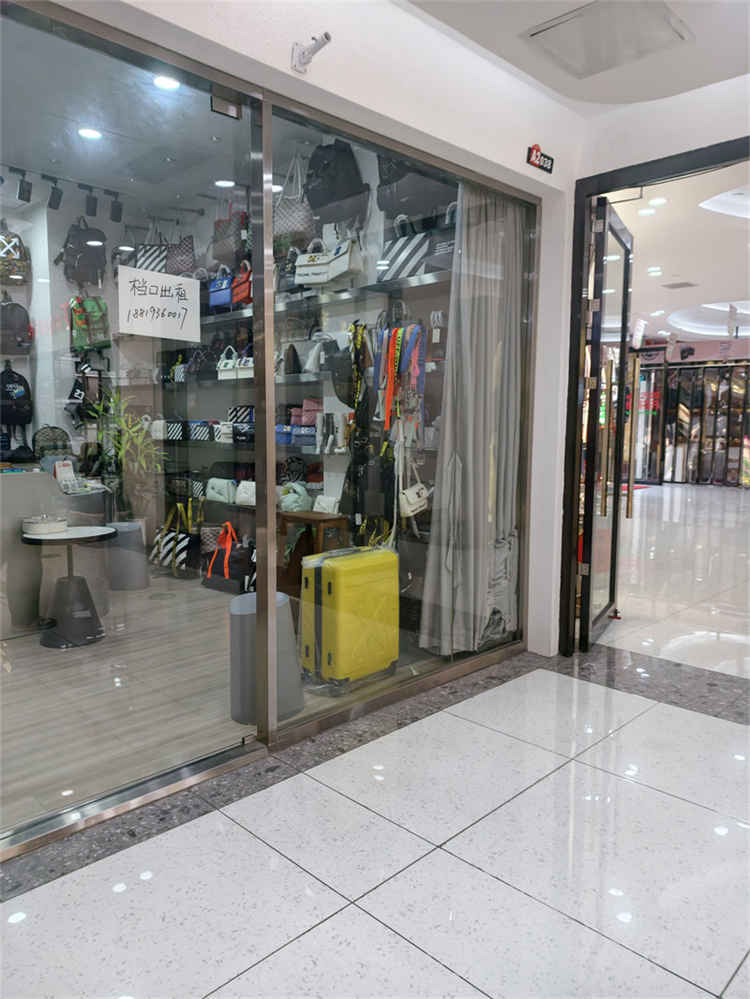
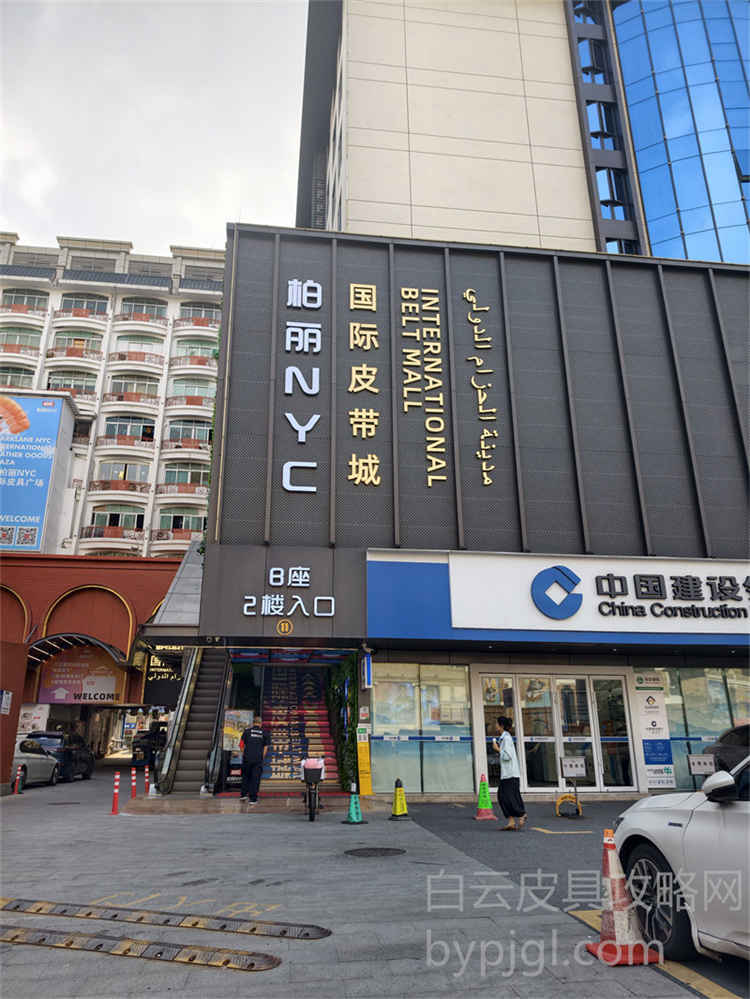
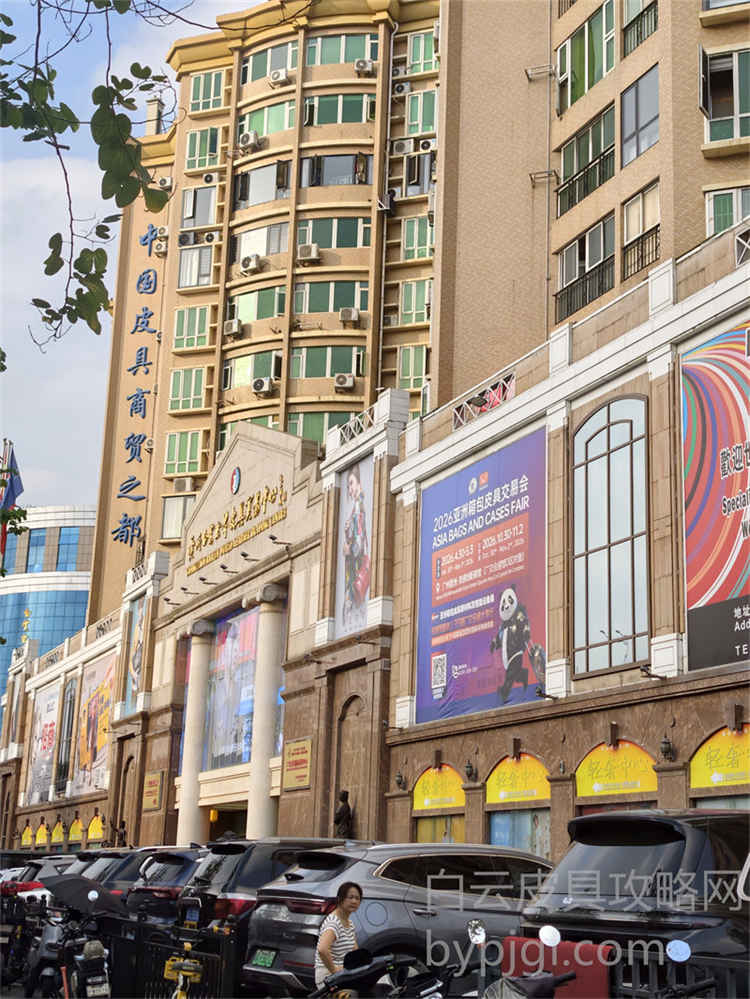
I have been standing behind this counter for over twenty years. While the city around me has changed from a small industrial town into a global manufacturing hub, my corner of the world remains the same. You walk into Baiyun Leather City and you are immediately hit by the noise, the smell of fresh leather, and the sheer volume of people moving boxes. Most tourists think they can just walk in, find what they want, and leave with a bag full of stock. That is a myth. If you are coming from overseas to source high-end goods here, you need to know that this isn't a retail shopping mall. It is a battlefield of supply chains, and if you don't speak the language of the trade, you will get burned.
The First Rule: Leave Your Retail Mindset at the Door
When I first started, I saw many foreigners walking around with cameras, asking prices like they were buying a souvenir. They would point at a bag and ask, "How much?" The answer they got was usually the retail price, which is ten times what we actually sell for. In this market, there is no such thing as a single unit price unless you are willing to pay a premium for a sample. We deal in bulk. If you want to see the real quality, you have to be ready to talk about quantities. Do not expect us to smile and chat while you browse. We are busy. We have orders to pack and trucks to load. The moment you show interest in taking fifty pieces or more, the conversation changes. That is when the real business starts.
Navigating the Real Markets Beyond the Tourist Traps
There is a reason why everyone talks about Baiyun Leather City. It is the heart of the operation. But let me tell you something most guides won't: the best stuff isn't always on the main floor where the air conditioning hums and the lights are bright. Those floors are often filled with lower-tier inventory meant for quick turnover. To find the top-tier goods that actually hold their shape and use genuine materials, you need to go deeper. You need to visit the wholesale districts in the surrounding areas, like Shiqiao or the older sections of the complex where the lighting is dimmer but the craftsmanship is sharper.
Reading the Room: How to Spot the Quality Immediately
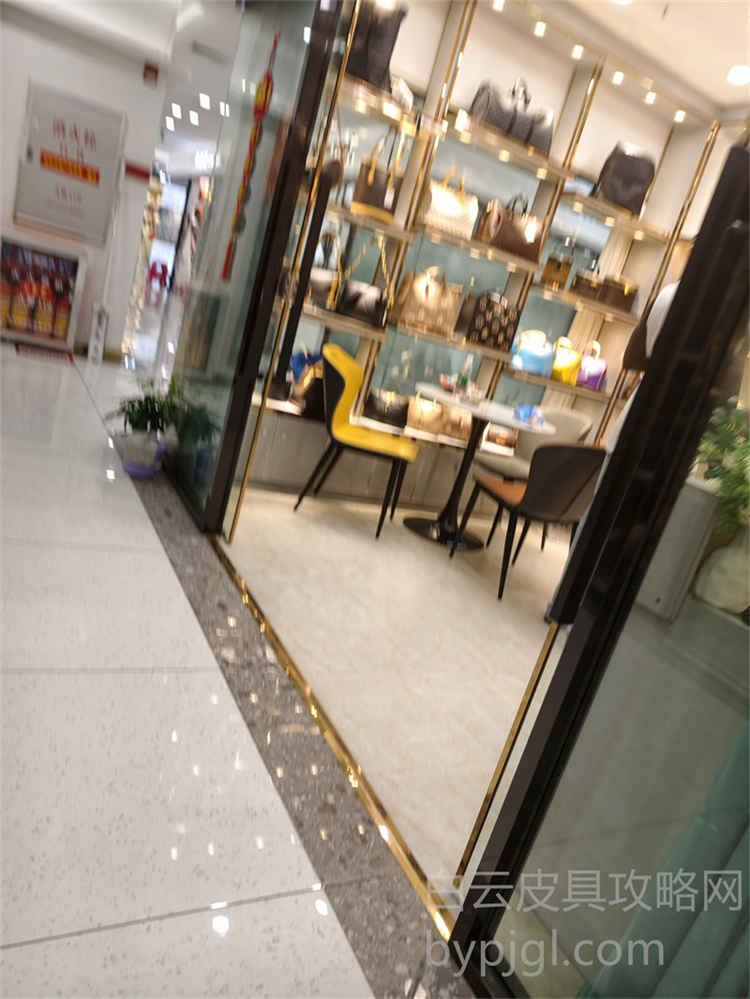
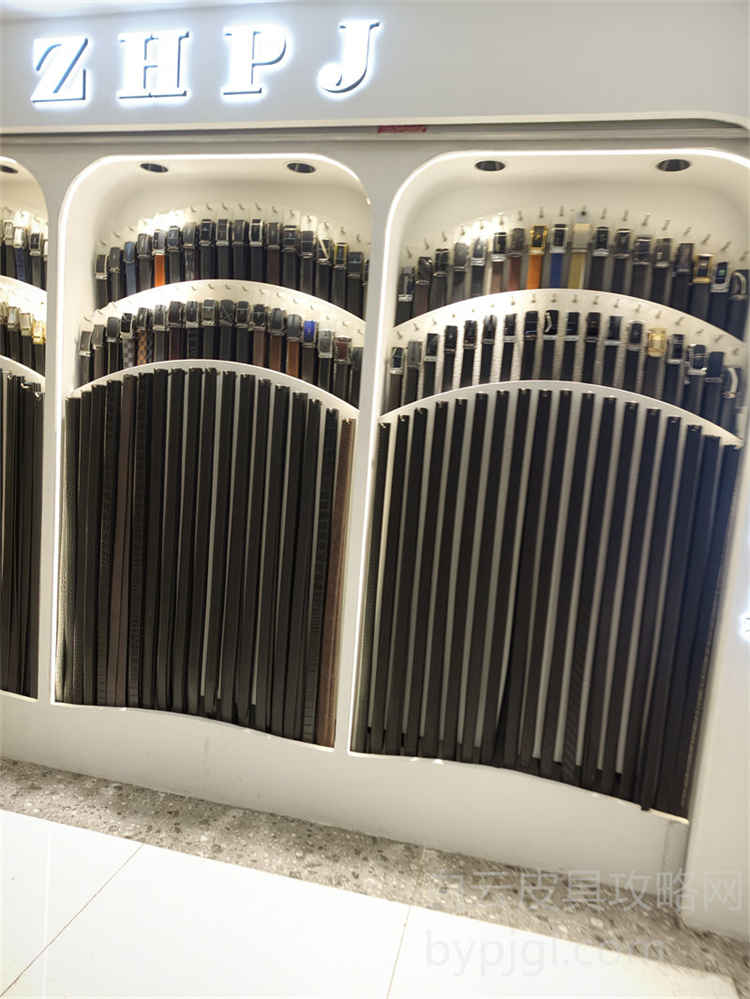
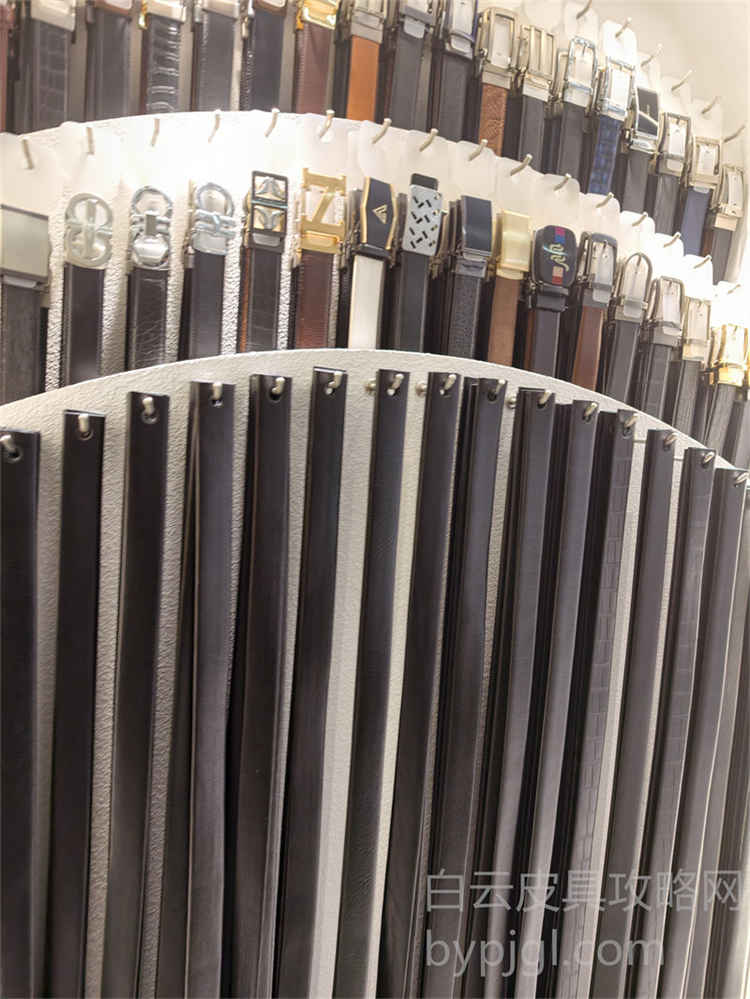
When you walk into a stall, look at the bags on the table, but do not touch them yet. Look at the stitching. In our line of work, consistency is everything. A machine might stitch perfectly, but a human hand makes the difference in tension. Look at the hardware. Is it heavy? Does it feel cold to the touch? Cheap plating feels light and flimsy. Good hardware has weight and a specific finish that doesn't chip easily. Also, check the lining. Many vendors cut corners here. If the inside fabric is loose or smells like cheap glue, walk away. I have seen buyers spend thousands on a shipment only to realize the linings were peeling off within a week. Trust your nose and your hands before you trust your eyes.
The Art of Negotiation and Building Relationships
You cannot negotiate with a shopkeeper who sees you as a one-time customer. In Guangzhou, relationships are currency. If you come back next month, you are a stranger again. But if you build a rapport, you become a partner. When I am talking to a serious buyer, I do not start with the lowest price. I start by showing them the factory samples. I explain the process. I tell them exactly what goes into making that bag. once they understand the value, the price becomes secondary. They know that paying a little more now saves them from returns later.
Sample Strategy: Don't Buy Blindly
Never place a large order without seeing a physical sample first. This is non-negotiable. Even if you have seen photos online, screens lie. Colors shift, textures change, and dimensions can be misleading. Ask for a sample. Yes, you will have to pay for it, sometimes even double the wholesale price. But consider it an investment. once you approve the sample, that becomes your standard. Every future order must match that sample exactly. If the vendor tries to send you something different, you reject it. I have had clients lose money because they trusted a photo instead of the physical product in front of them. Always verify the grain, the color code, and the hardware finish against your approved sample.
Avoiding the Pitfalls: What to Watch Out For
The biggest mistake foreign buyers make is rushing. They see a great deal and panic-buy. In this market, deals that seem too good to be true usually are. There are scammers who take deposits and disappear, or worse, send you a box of garbage. To avoid this, never transfer money directly to a personal bank account unless you know the person personally. Use secure payment methods or meet at the office. Also, be wary of vendors who promise "same day shipping" for custom orders. High-quality production takes time. If they say they can make five hundred bags in two days, they are lying. They are probably using sub-par materials to rush the job.
Logistics and Shipping: Getting Your Goods Home
once you have selected your goods and paid, the next challenge is getting them out of China. Most stalls in Baiyun Leather City do not handle international shipping themselves. They will give you a contact number for a freight forwarder. These forwarders are experts. They know how to consolidate your goods from different stalls into one container. Do not try to ship via regular mail; it is slow and risky. Use a professional logistics company that specializes in leather goods. They know how to pack to prevent crushing and how to handle customs documentation so your goods don't get stuck at the border. I have worked with several forwarders over the years, and having a reliable one is half the battle won.
Final Thoughts from the Floor
Sourcing in Guangzhou is not easy, but it is rewarding if you approach it with respect and patience. It requires you to be present, to observe, and to learn the nuances of the trade. The market is vast, and the opportunities are endless, but only for those who are willing to put in the work. Come with an open mind, bring a notebook, and be ready to ask questions. The vendors here are tough, but they are also honest if you treat them right. If you follow these steps, you will not just find products; you will find partners who will help grow your business for years to come. The leather industry in this region is alive, breathing, and waiting for you to step in and take your place.