Stepping Into the Heart of Guangzhou Leather Trade
Welcome to the real deal. I've been standing behind my counter in the bustling corridors of Baiyun District for over two decades, watching thousands of buyers come and go. If you are reading this, you probably want to know how to navigate the leather goods wholesale scene here without getting lost or ripped off. Forget what you see on glossy travel blogs; the truth is found in the dust, the noise, and the sharp eyes of seasoned traders like me. This isn't about luxury brands or high-end fashion houses; it's about the raw supply chain that feeds markets all over the world. When people talk about sourcing from Guangzhou, they are talking about a specific ecosystem where quality meets volume, and where your success depends entirely on your ability to read the room.
The First Rule: Leave Your Expectations at the Door
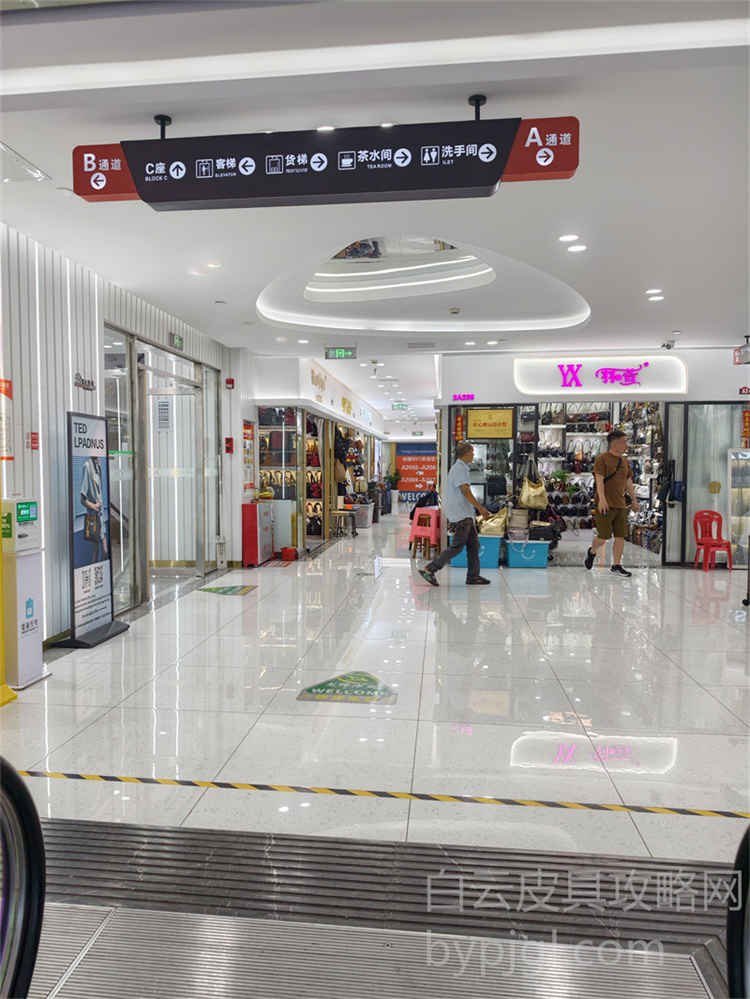
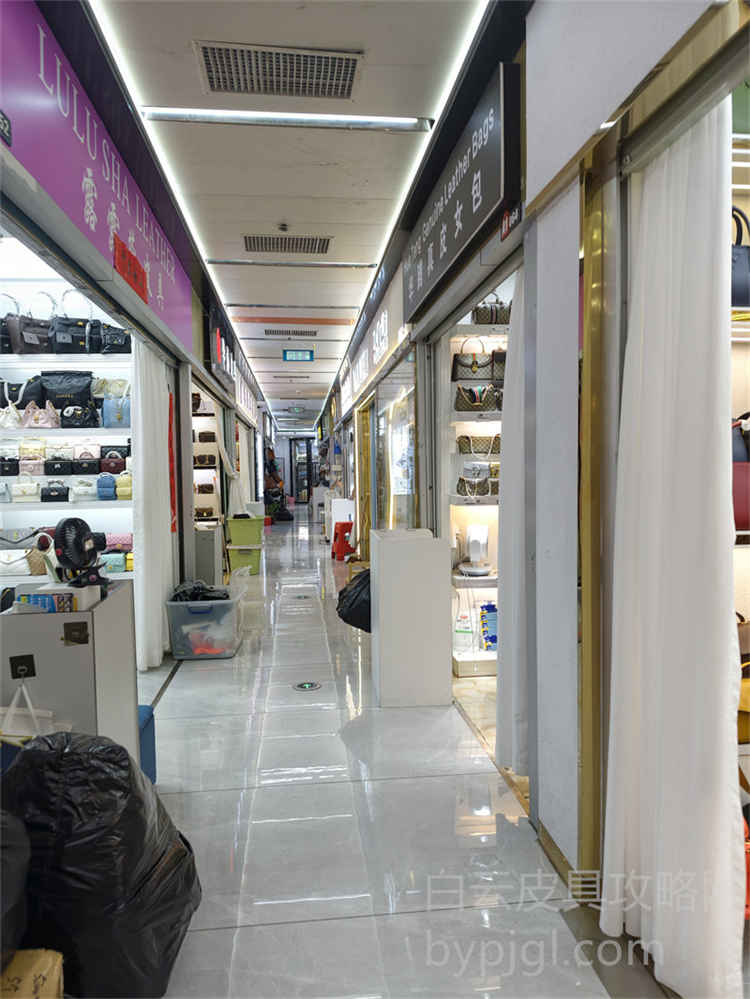
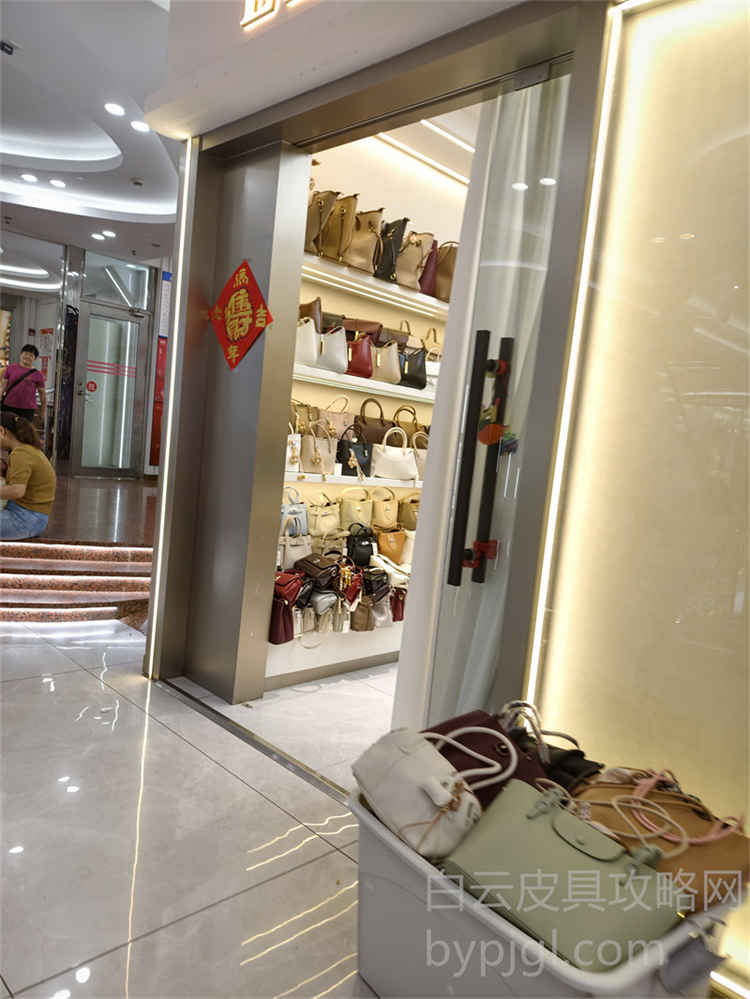
Most first-time visitors arrive with a checklist of famous names and a budget that doesn't match reality. Here, we don't do that. We focus on craftsmanship, materials, and design trends. The moment you walk into the main halls of the Baiyun Leather City, you will feel the energy. It is loud, chaotic, and incredibly efficient. You won't find any signage with brand logos because that would get us shut down immediately. Instead, you will see rows of tables stacked with bags in various stages of completion. My advice? Drop the idea of hunting for a specific designer name. Look for the structure, the stitching, and the leather grain. That is where the value lies. If you ask for "the same as X," you will be ignored. But if you say, "I need a bag with this specific hardware finish and this type of calfskin texture," suddenly everyone's ears perk up.
Navigating the Markets: Where to Actually Go
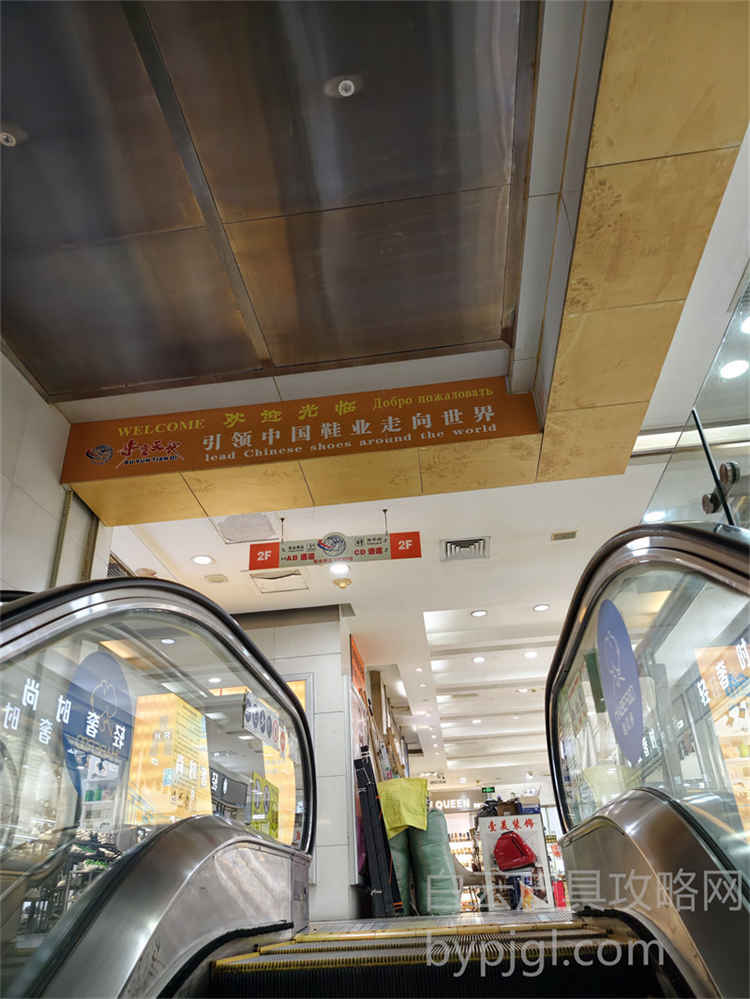
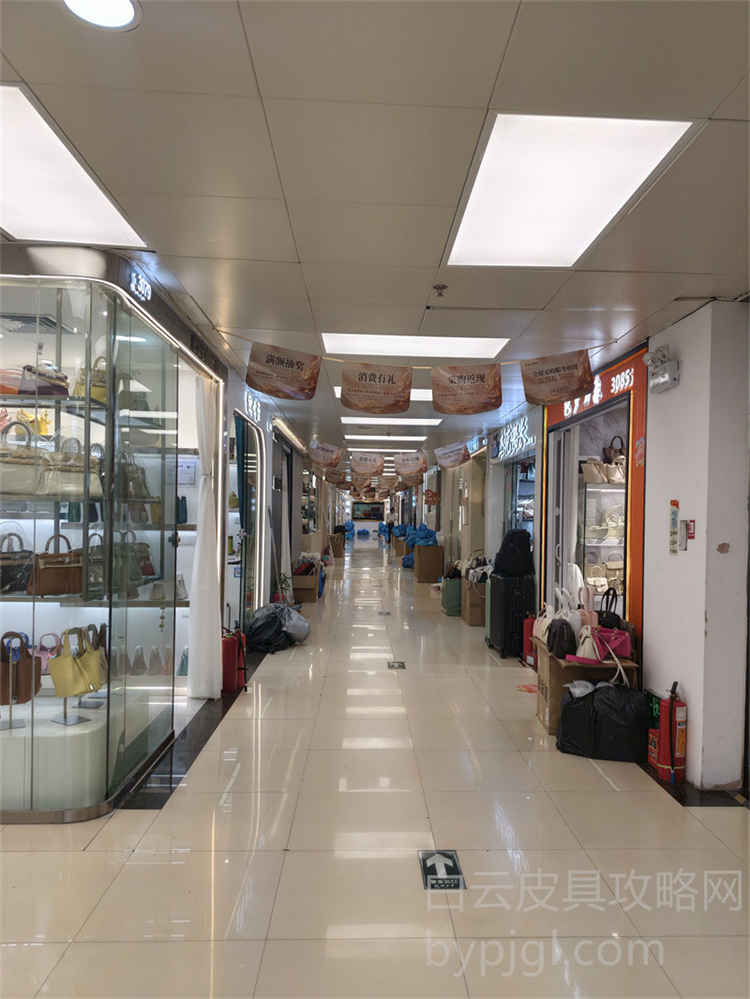
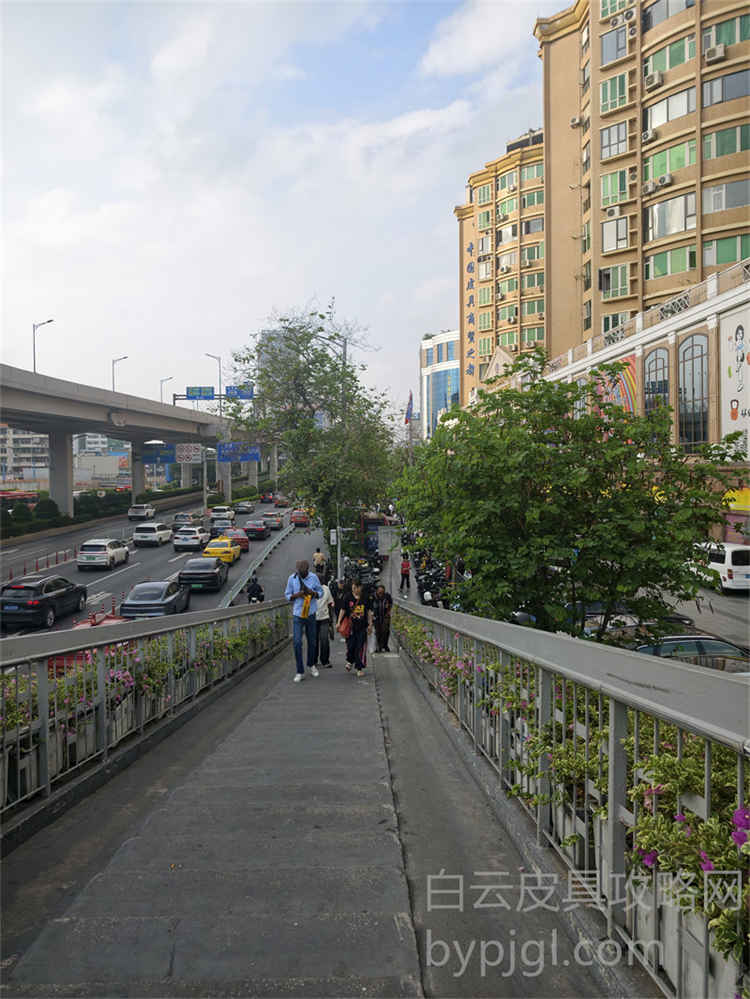
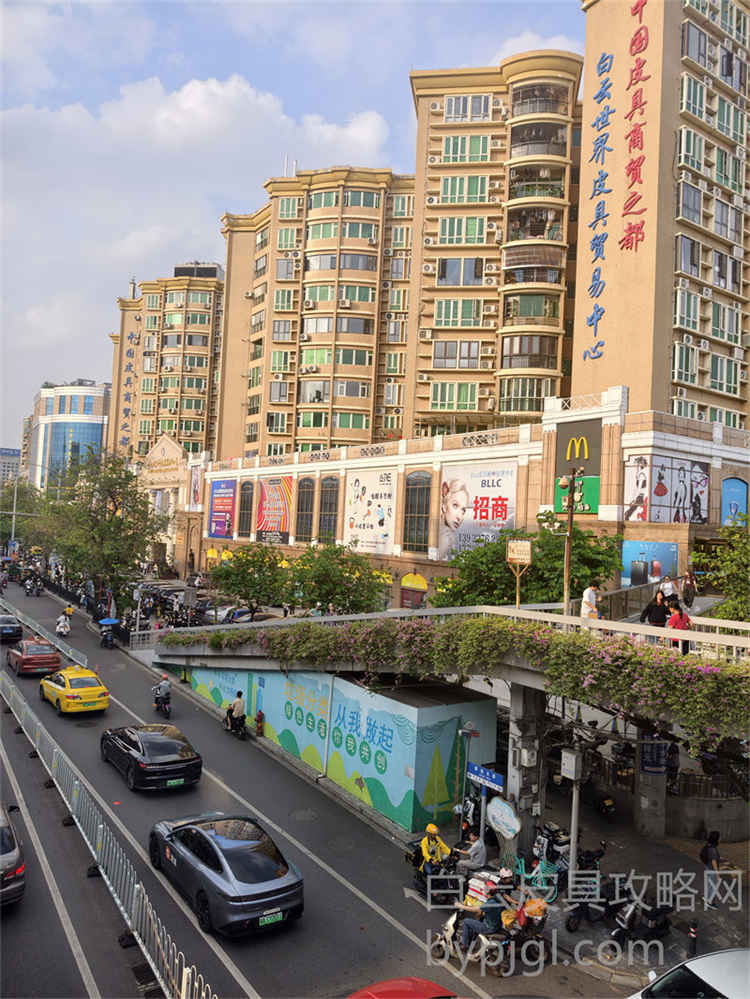
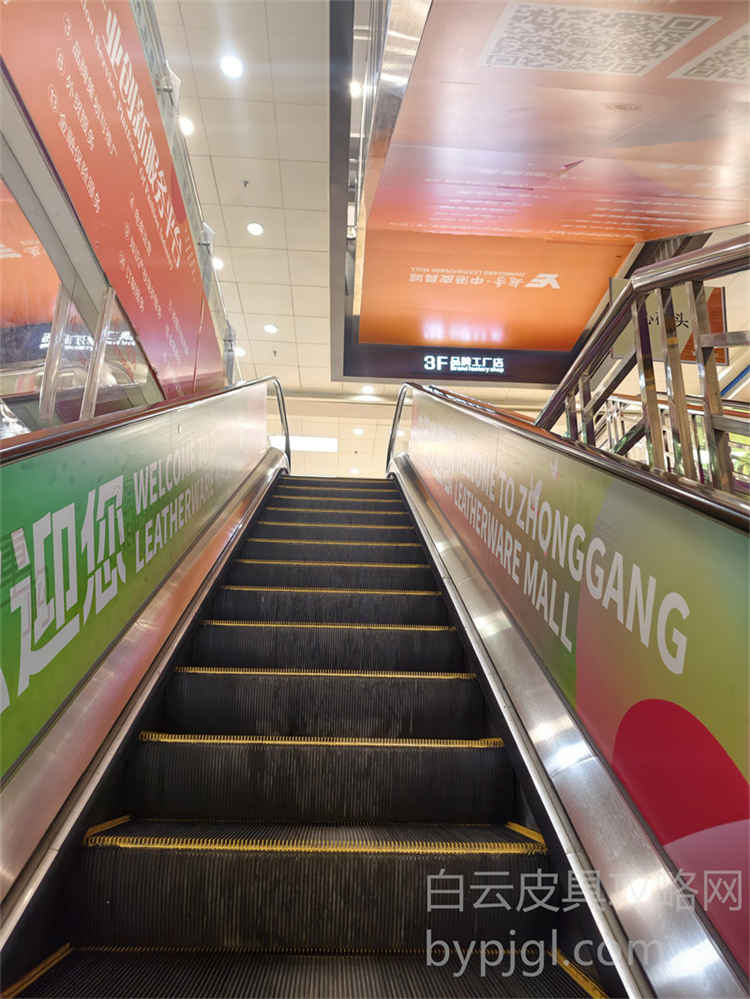
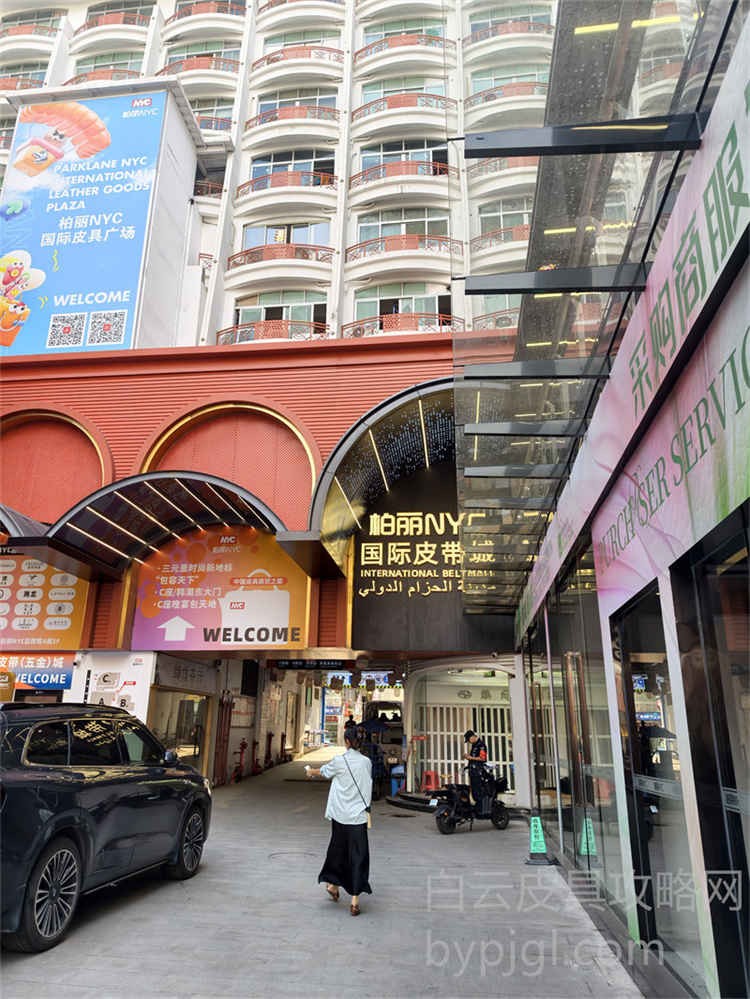
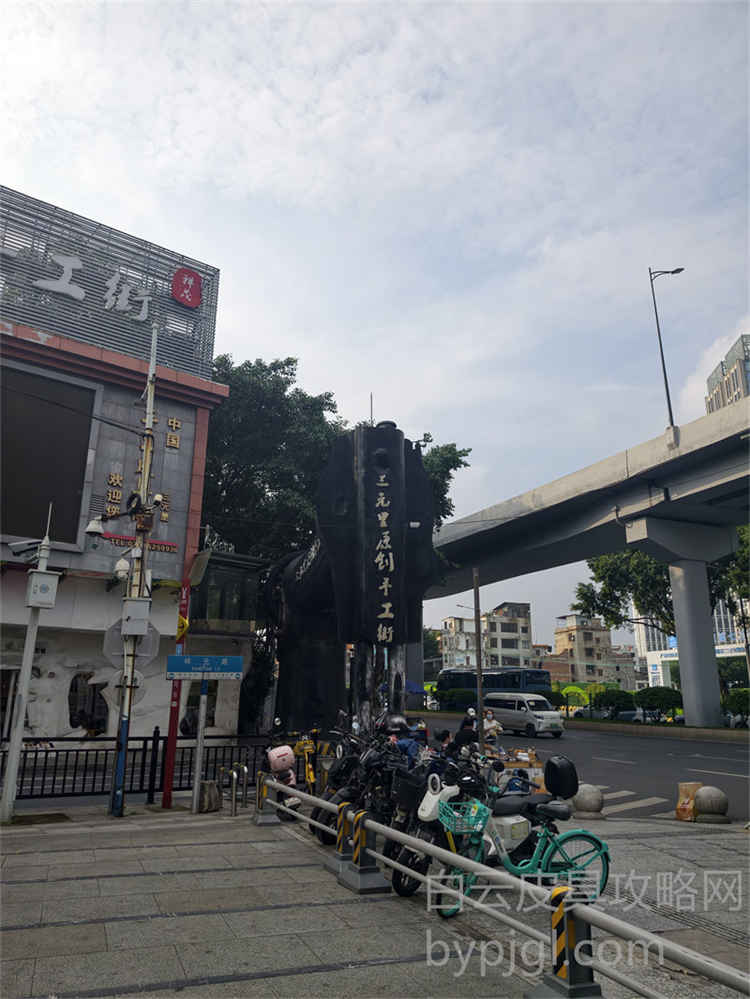
Guangzhou has many markets, but not all are created equal. For serious wholesale buyers looking for top-tier production capabilities, the Baiyun area is non-negotiable. Specifically, the World Leather Trade Center and the nearby Shide Market are where the heavy hitters operate. These aren't tourist traps; they are industrial hubs disguised as shopping malls. The ground floors often display finished samples, but the real action happens on the upper floors or in the back rooms where the actual manufacturing takes place. You need to be prepared to walk miles. Wear comfortable shoes. The layout is confusing by design, meant to keep you moving and exploring different stalls.
Reading the Stalls: Quality vs. Quantity
When you approach a stall, look at the pile of bags on the table. Are they neatly arranged, or are they thrown in a heap? A neat pile usually indicates a higher standard of care and better finishing. However, don't judge solely by appearance. Ask to see the inside lining, check the zippers, and feel the weight of the hardware. In Baiyun, there are tiers of production. Some stalls specialize in mass-market items with decent materials, while others cater to boutique clients who demand premium cowhide and custom hardware. As an old shop owner, I tell my customers to start by asking for the "top tier" sample. Even if you can't buy it right away, seeing the best product gives you a benchmark for what is possible in this city. If a vendor refuses to show you their best work, move on immediately.
The Art of Negotiation and Building Relationships
Buying here is not a transaction; it is a relationship. In the West, you might expect a fixed price tag. In Guangzhou, everything is negotiable, especially when you are buying in bulk. However, being too aggressive can kill the deal before it starts. Start by building rapport. Ask about the leather source, the origin of the hardware, and the production timeline. Show genuine interest in the craft. once trust is established, the pricing becomes more transparent. Don't be afraid to walk away. There are hundreds of other stalls just down the hall. The threat of leaving is your strongest bargaining chip. Remember, we want repeat business. If you treat us like partners rather than one-off customers, you will get better prices and priority treatment during peak seasons.
Understanding Minimum Order Quantities
One of the biggest hurdles for overseas buyers is the Minimum Order Quantity, or MOQ. Many new vendors require large orders, sometimes 50 or 100 pieces per style. This can be daunting. However, experienced sellers in Baiyun are often willing to mix styles to meet a lower total order volume. For example, instead of ordering 100 units of one model, you might agree to take 20 units each of five different designs. This flexibility is key for testing the market. Always clarify the MOQ before discussing price. Also, ask about the lead time. High-quality production takes time. Rushing an order often leads to compromised quality control. A good vendor will warn you if a deadline is unrealistic rather than promising the moon and delivering a disaster.
Critical Steps: Inspection and Logistics
Never ship anything without a thorough inspection. This is where many buyers make fatal mistakes. Do not rely on photos sent via WhatsApp or WeChat. Those images are often edited or taken under perfect lighting conditions. You must physically inspect the goods before they leave the warehouse. Check for loose threads, uneven stitching, glue stains, and color variations between batches. Bring a magnifying glass if you have to. In Baiyun, there are third-party inspection services available, but nothing beats your own eyes. If you are hiring an agent, ensure they have a strict checklist that covers every single point of quality control.
Shipping and Customs Considerations
once the goods pass inspection, the logistics phase begins. Shipping from Guangzhou to international destinations is straightforward, but customs regulations vary wildly by country. Be honest about the nature of the goods. Declaring them as "leather accessories" or "fashion bags" is standard practice, but avoid using terms that trigger immediate seizures. Work with freight forwarders who specialize in this trade route. They know the nuances of packaging and documentation required to clear customs smoothly. Many buyers in Baiyun use consolidated shipping services where multiple small orders are combined into one container to save on costs. This is a smart strategy for smaller businesses trying to minimize overhead.
Final Thoughts from the Floor
Sourcing from Guangzhou is an adventure that requires patience, observation, and a willingness to learn the local ways. The Baiyun Leather City is a living organism that changes daily. New styles emerge, materials evolve, and trends shift. By staying grounded in the physical reality of the market, engaging directly with the producers, and maintaining high standards for quality, you can build a successful supply line that rivals any major retailer. Don't rush the process. Take your time, walk the aisles, talk to the owners, and let the experience guide you. The best deals are not found online; they are found face-to-face, shaking hands, and sharing a cup of tea in the middle of a busy warehouse floor.