Walking the Floor: My Real Talk on Sourcing from Guangzhou
I have been standing behind this counter in the heart of Baiyun for over fifteen years. While the internet is flooded with generic guides and AI-generated lists, nothing beats the smell of leather and the noise of a busy wholesale floor. If you are flying in from overseas to find what people call high-end goods, let me tell you something first: do not trust Google Maps alone. The real action happens where the tourists don't go, and where the "official" websites won't take you. I am going to walk you through exactly how we operate here, step by step, so you can leave with stock that actually sells.
The Myth of the Single Address
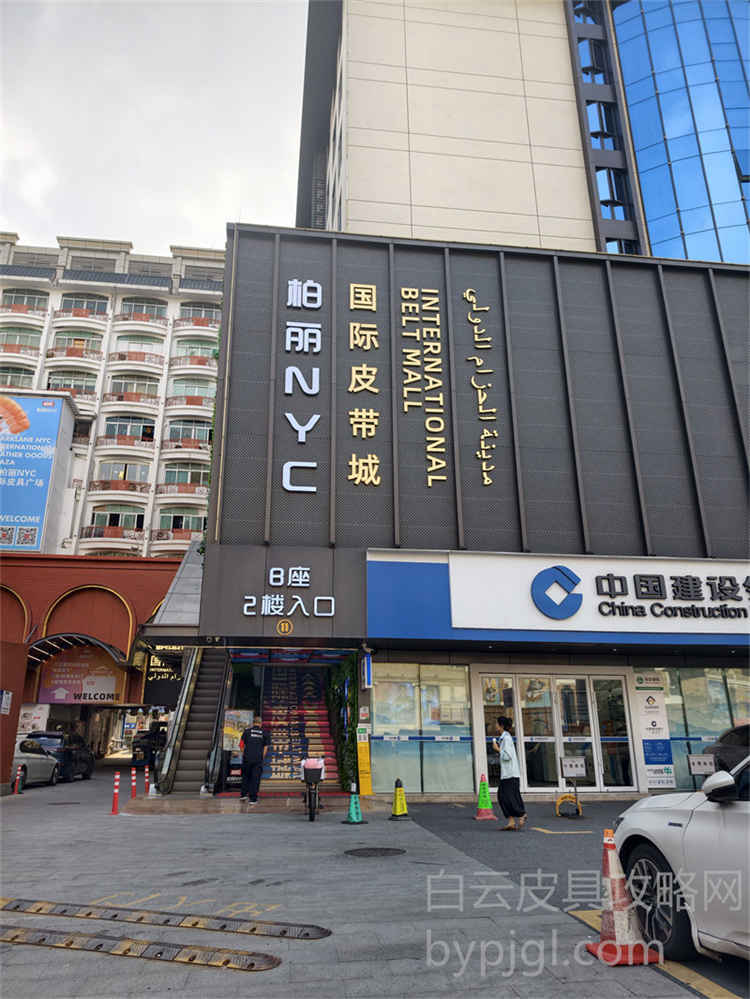
Many clients ask me for a single street address or a specific warehouse number. It is a mistake. There is no one magic door. The ecosystem here is built around clusters. You start at the main hub, often referred to as the Baiyun Leather City complex. This is where the volume is. But if you want quality that holds up, you need to know which buildings house the serious manufacturers versus the middlemen. We move between buildings like the World Trade Center, the Zhongda, and the smaller alleys connecting them. Each building has its own vibe. Some are all about speed and low prices; others are about craftsmanship and materials. You cannot judge a book by its cover here because the best stuff is often tucked away in the back rooms.
Navigating the Market Without Getting Lost
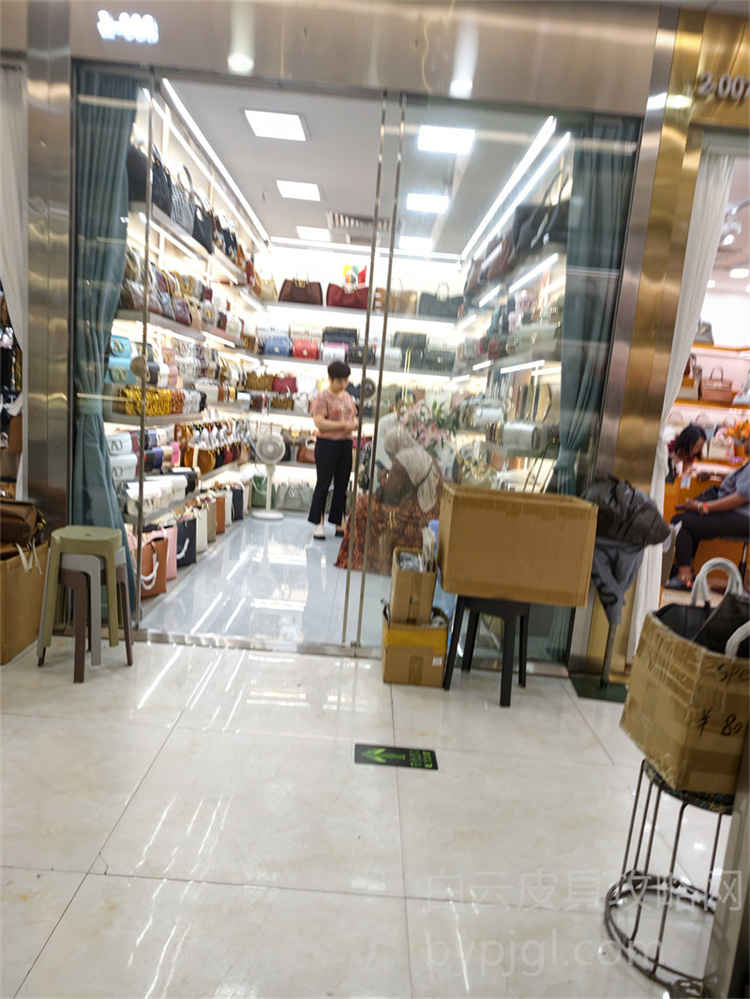
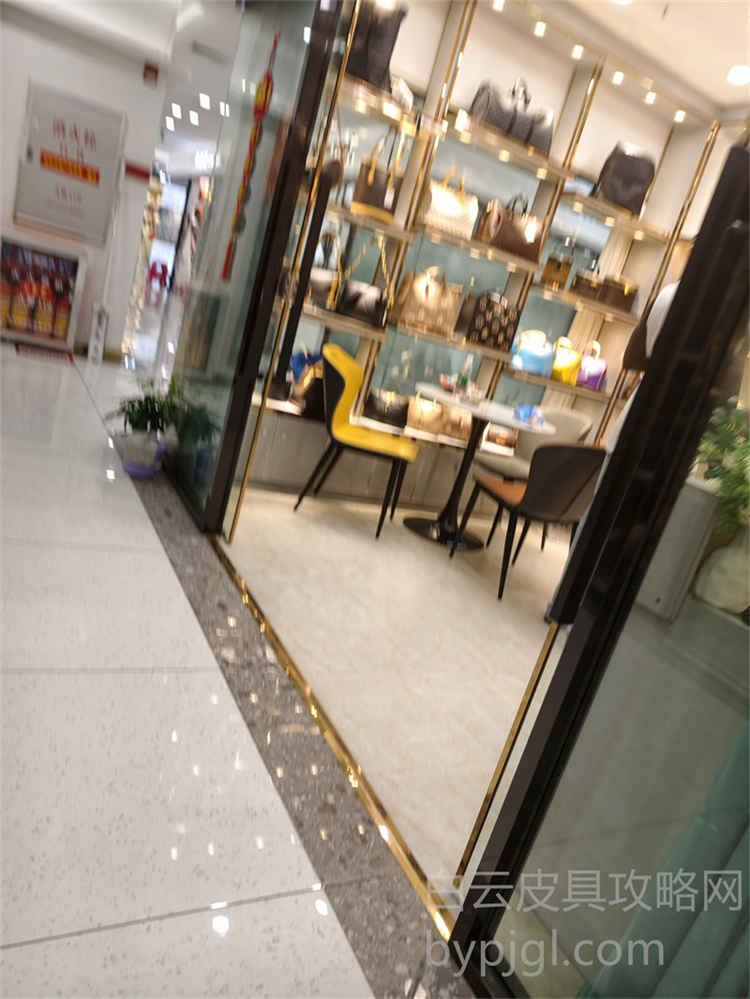
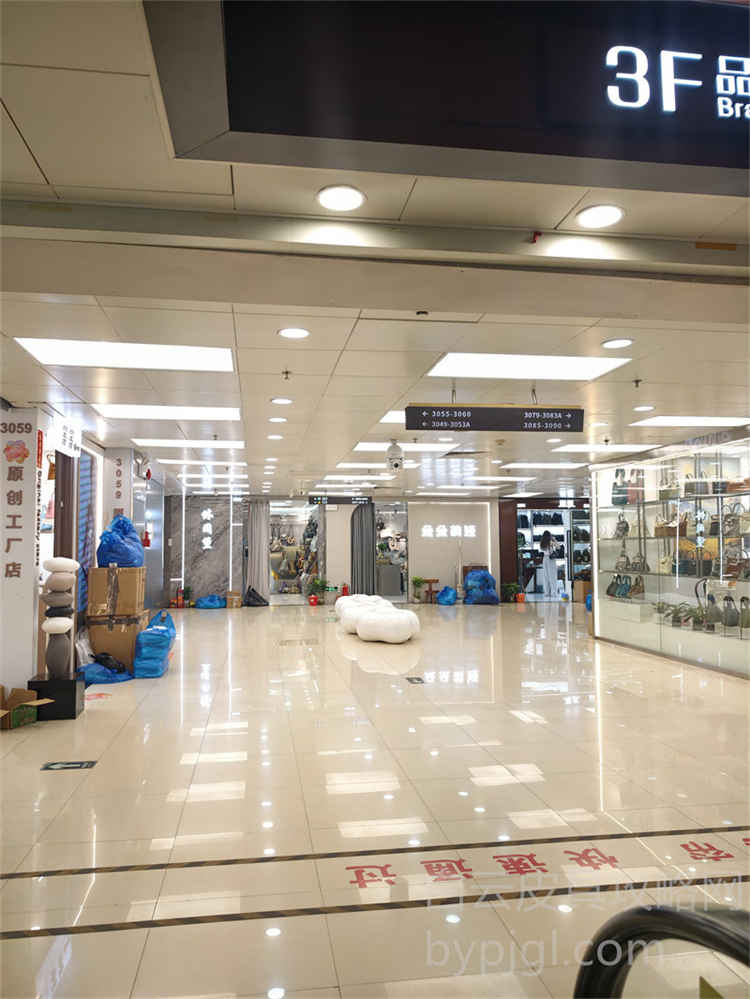
When you step off the bus or out of the taxi, the first thing you will notice is the sheer scale. It is overwhelming. Do not panic. Your goal is to find the right stall, but you must understand the layout first. The ground floors are usually showrooms designed to look flashy, filled with the latest trends. These are great for seeing what is popular, but they are rarely where the deep discounts are. The real inventory lives upstairs or in the back corridors.
Reading the Room Before You Buy
Before you even speak to a salesperson, look at the floor. Are there piles of boxes? Is the staff rushing around with packing tape? That tells you they are moving volume. If the shop is pristine, empty, and quiet, they might be targeting retail customers who pay full price. We deal with bulk buyers, so we look for signs of activity. Look for the stalls with the heavy metal doors slightly ajar. Those are often the ones where the actual production samples are kept. When you enter, ignore the display bags hanging on the wall. Ask to see the "stock room." A genuine wholesaler will never hesitate to show you the back area where the real work happens.
Selecting Products: Quality Over Hype
Here is the hard truth that many online sellers miss: not everything labeled as premium is worth your money. In my experience, the difference lies in the stitching, the hardware weight, and the smell of the leather. When you are picking items, do not just look at the shape. Touch the material. Does it feel stiff and plastic-like, or does it have that natural grain? The hardware should feel substantial, not hollow. If you shake it and hear rattling, put it down immediately.
The Art of the Sample Check
We always advise our international partners to bring a reference piece if possible, or at least very clear photos of the details they care about. But honestly, the best way is to compare side-by-side. Find two similar styles from different stalls. Hold them together. Feel the weight of the zipper pull. Look at the alignment of the pattern. In the Baiyun market, you will find stalls that specialize in specific types of leather or specific construction methods. Some focus on top-tier calfskin, while others excel in durable synthetic blends. Identify what your target market needs before you start negotiating. Do not get distracted by the flashiest design if the material is cheap. We have seen too many buyers come back with beautiful bags that fell apart after three months.
Negotiation and Building Relationships
This is where most foreigners fail. They try to haggle like they are buying a souvenir at a street market. Wholesale is different. It is about volume and long-term partnership. When you approach a stall owner, be direct. Tell them you are looking for a supplier, not a one-time purchase. Show them you know the business. Mention your target order quantity. If you say you want fifty pieces, they will treat you differently than if you say five hundred. The price per unit drops significantly as the volume goes up.
Understanding the Terms
Never agree to a price without clarifying the terms. Does the price include packaging? What is the lead time? How do they handle shipping? In Guangzhou, logistics are fast, but communication is key. We use WeChat constantly. once you establish a rapport with a vendor, add them on WeChat. Send them photos of the items you like. This builds trust. A good vendor will remember your preferences and alert you when new stock arrives. This is the secret weapon of successful sourcing. You are not just buying a bag; you are building a supply chain. Treat the person behind the counter with respect, and they will protect your interests when things get tough.
Avoiding Pitfalls and Ensuring Safety
The market is bustling, and pickpockets exist, but the bigger risk is getting scammed on quality or payment. Never transfer money via a personal bank account without a contract or a verified platform transaction. Use secure payment gateways that offer buyer protection. Also, be wary of vendors who promise "perfect quality" at rock-bottom prices. If it sounds too good to be true, it is. High-quality materials cost money. If a vendor claims their product is identical to a major brand but costs ten percent of the original, run. They are likely using inferior glue or cheap zippers that will fail quickly.
The Inspection Protocol
Before you finalize any large order, insist on a final inspection. We do this every day. We check every single item for dust, loose threads, or misaligned patterns. If you are ordering hundreds of units, hire a third-party inspector or send a trusted local contact to verify the goods before they leave the factory. Do not rely on the photos sent via WhatsApp. Photos can be edited. Physical inspection is the only way to guarantee what you receive matches what you paid for. Take your time. Rushing leads to mistakes that cost more in the long run.
Final Thoughts from the Frontline
Sourcing from Guangzhou is an adventure. It requires patience, observation, and a willingness to learn the local customs. The Baiyun Leather City is not just a place to buy bags; it is a living ecosystem of trade. By walking the floors, talking to the owners, and understanding the nuances of the products, you will find suppliers who can help grow your business. Remember, the best deals are not found on a map; they are found through relationships built on the ground. Come prepared, stay sharp, and trust your instincts. That is how we have survived and thrived for over a decade in this competitive industry.