Walking the Floors: My Real Talk on Sourcing Bags in Guangzhou
I have been standing behind this counter for over fifteen years, watching the dust settle and rise again in the bustling corridors of Baiyun. If you are reading this, you are probably planning a trip to China or trying to navigate the chaos from afar. Let me tell you straight: the internet is full of lies about where the goods come from. You will see thousands of photos online, but nothing beats the smell of leather, the texture of the stitching, and the heat of the negotiation room. I am not a corporate agent; I am just an old shopkeeper who knows which alleyways lead to the best stock and which ones lead to dead ends.
The Myth of the "Perfect" online Catalog
Many buyers think they can order everything by looking at a WeChat album or a website. That is a dangerous game. The photos you see online are often taken with professional lighting that hides flaws. When you walk into our market, specifically the massive complexes around Jiahe Wangjing and Yuexiu Road, you realize that the real quality lives in the physical product. I always tell my international friends: do not trust the screen. Trust your hands. The leather grain, the weight of the zipper, the smell of the glue—these are things no camera can capture accurately. If you rely solely on digital images, you will end up with a shipment that looks nothing like the sample you approved.
Navigating the Baiyun Leather City Maze
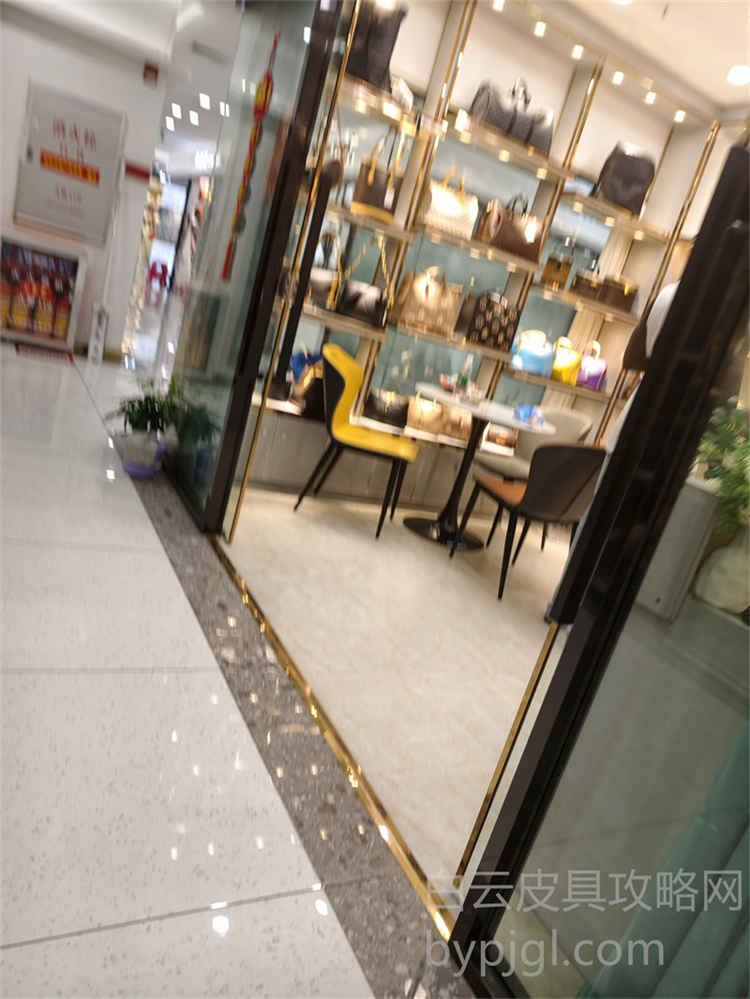
Guangzhou Baiyun Leather City is not a single building; it is a sprawling ecosystem of interconnected structures. There is the main complex, the newer towers, and the older, more chaotic buildings nearby. Each area has its own vibe and inventory level. The high-end sections are where you find the shops with glass counters and air conditioning, but the real gems are often tucked away in the back rooms of the older buildings. These are the places where the supply chain actually starts. You need to know how to move through these spaces without getting lost or scammed.
Finding the Right Stall Without a Guide
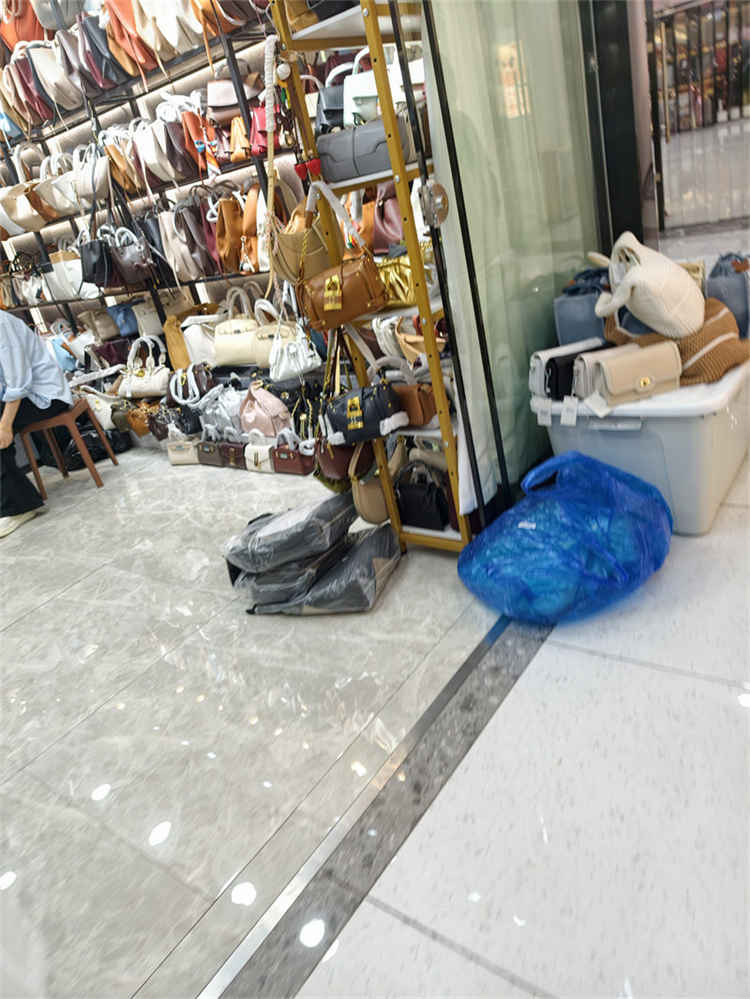
When you first step onto the floor, you will feel overwhelmed. There are hundreds of stalls selling similar styles. How do you find the one that matches your vision? Start by asking the security guards or the cleaners. They know everyone. Tell them you are looking for specific materials or construction methods, not just a brand name. once you identify a stall that seems promising, do not just look at the bags on display. Ask to see the "new arrivals" or the stock in the back. The items on the front rack are often the oldest stock, meant to attract casual browsers. The real deals are hidden in the storage areas.
The Art of Inspection and Quality Control
This is where most people fail. They see a bag that looks perfect from three feet away, but when they get it home, the lining falls apart or the stitching is uneven. As a local seller, I want you to succeed because happy customers come back. But you must be your own quality control officer. When you are at the stall, pull out the seams. Check the thread count. Feel the edges. Are they painted smoothly or is there roughness? Open the zippers ten times. Do they stick? Look inside the pockets. Is the fabric durable? In Baiyun, we call this "checking the bones." If the structure is weak, no amount of fancy leather will save it.
Understanding Material Grades
You will hear terms like "top grade," "premium," or "original standard." These are marketing buzzwords used to confuse outsiders. Instead, ask to touch the material directly. Is it cowhide, lambskin, or synthetic? Does it smell like chemicals or natural hide? A good supplier will be honest about the material composition. If they say it is genuine leather but it feels plastic, walk away. We have seen too many buyers get burned by sellers who mix low-quality synthetics with high-priced tags. Always insist on seeing the raw material samples before committing to a bulk order.
Negotiation Tactics and Building Relationships
In Guangzhou, business is personal. It is not just about the price tag; it is about the relationship. If you treat the vendor like a machine, you will get machine prices. If you treat them like a partner, you will get better service. Start by being polite and showing genuine interest in their craft. Ask about their production process. Show that you understand the industry. This builds trust. once trust is established, you can negotiate. Never start with the lowest possible price. Start with a fair offer and work down together. If you push too hard too fast, the deal will die.
Avoiding Common Pitfalls for Foreign Buyers
There are several traps that catch new buyers off guard. One is the deposit scam. Never pay 100% upfront without a contract or a verified escrow service. Another is the shipping confusion. Many vendors claim they handle logistics, but they might use a slow or unreliable courier. Always verify the shipping company yourself. Also, be wary of "exclusive designs" that are actually mass-produced copies found in every other stall. If a design is truly unique, the vendor should be able to show you the mold or the pattern cut. Finally, remember that language barriers can cause misunderstandings. Use clear photos and measurements rather than vague descriptions. Bring a translator if you are not fluent in Mandarin, or use translation apps effectively during the meeting.
Final Thoughts from the Front Line
Sourcing in Guangzhou is an adventure. It requires patience, observation, and a bit of street smarts. The market changes daily, with new trends emerging and old styles fading. But the core principles remain the same: see the product, test the quality, build the relationship, and protect your investment. If you take the time to walk the floors of Baiyun, talk to the owners, and learn the ropes, you will find that the opportunities here are endless. Don't rush. Take your time. The best deals are not found in a hurry; they are found by those who respect the process and the people behind the counter.