Stepping Into the Heart of Guangzhou Leather: A Veteran's Guide to Sourcing Bags
Welcome to the real deal. If you are reading this, you probably already know that the internet is flooded with generic advice about sourcing bags from China. Most of those articles sound like they were written by someone who has never stepped foot inside a warehouse or smelled the leather dust in the air. I have been running my stall in the Baiyun District for over fifteen years. I have seen trends come and go, from the early days of simple designs to today's complex supply chains. My goal here isn't to sell you a dream; it is to give you the raw, unfiltered truth about how to navigate the Guangzhou women's handbag wholesale market like a local.
The First Rule: Leave Your Expectations at the Door
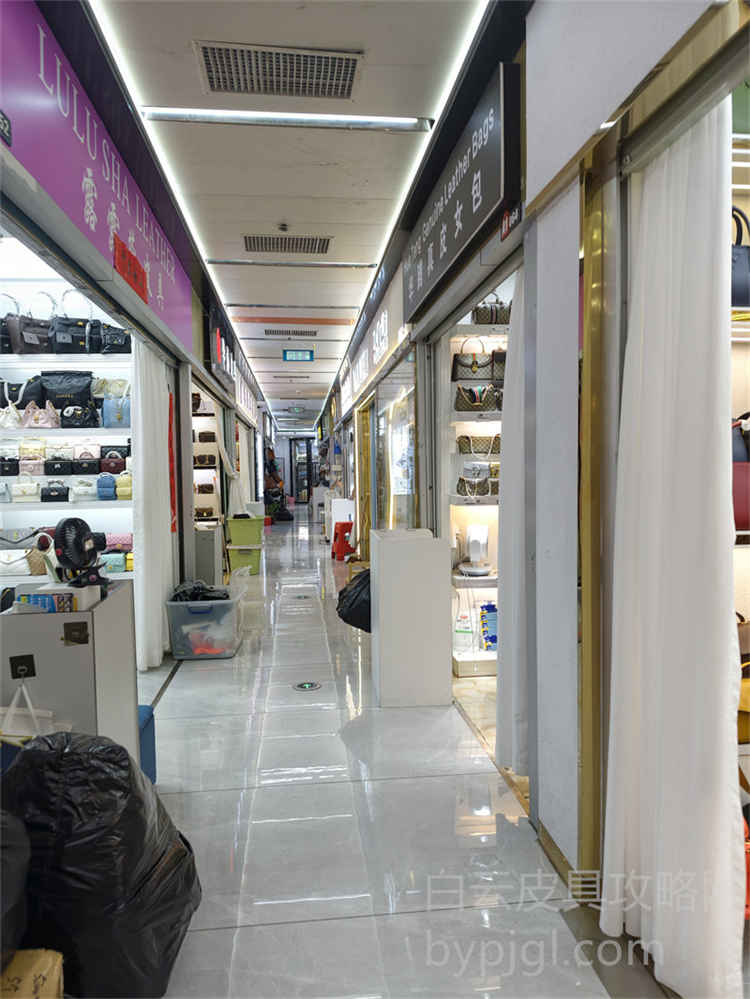
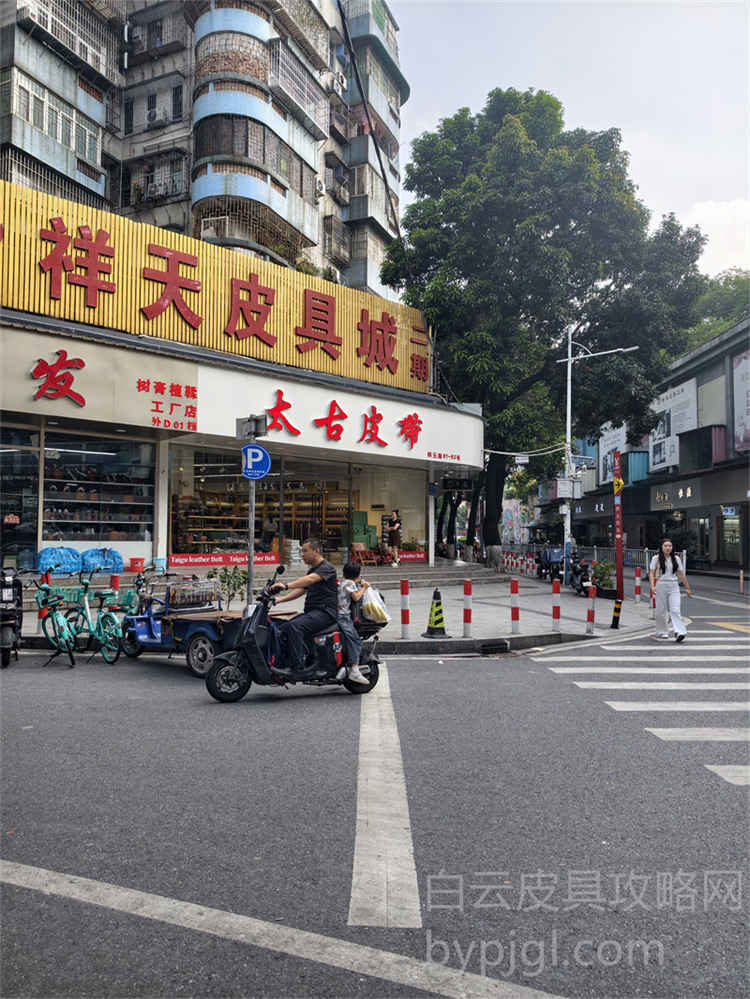
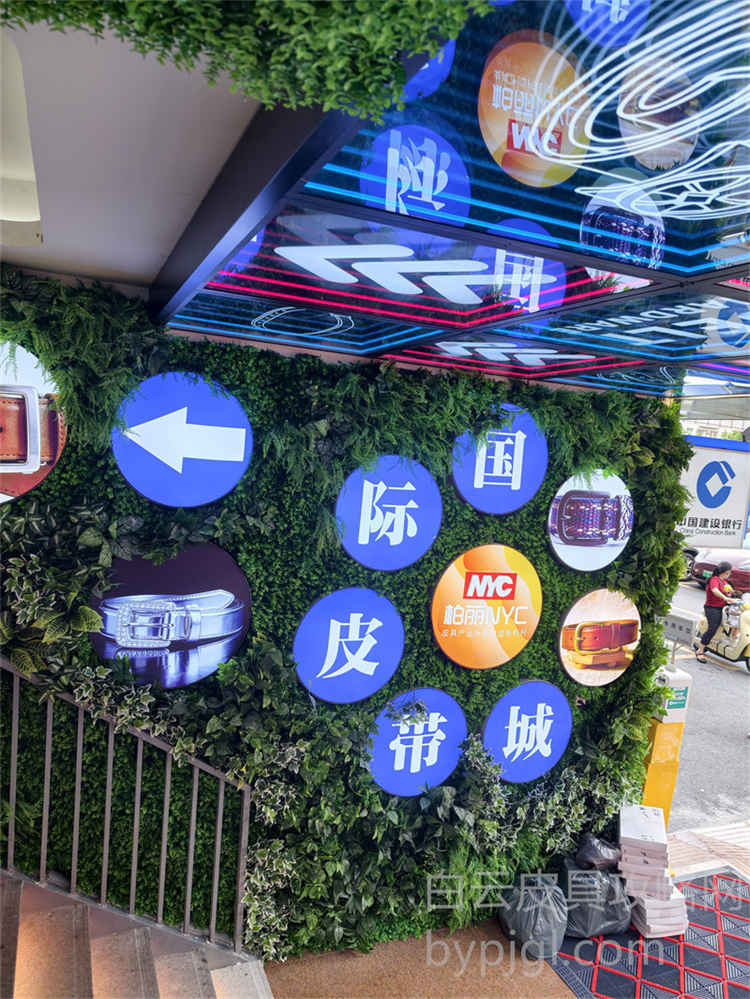
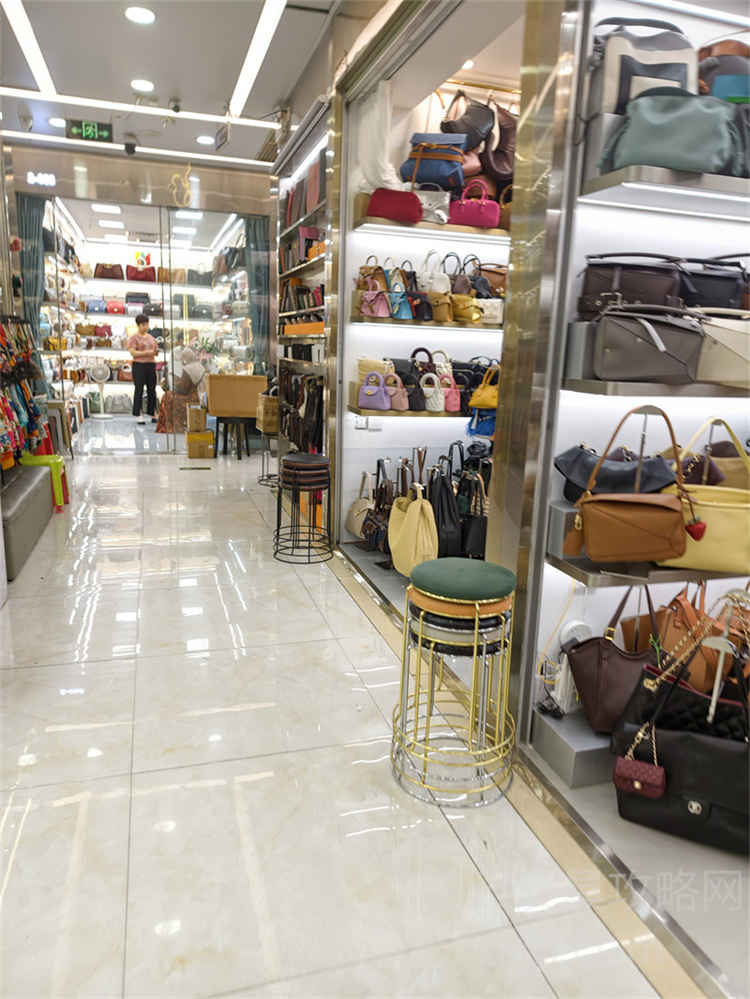
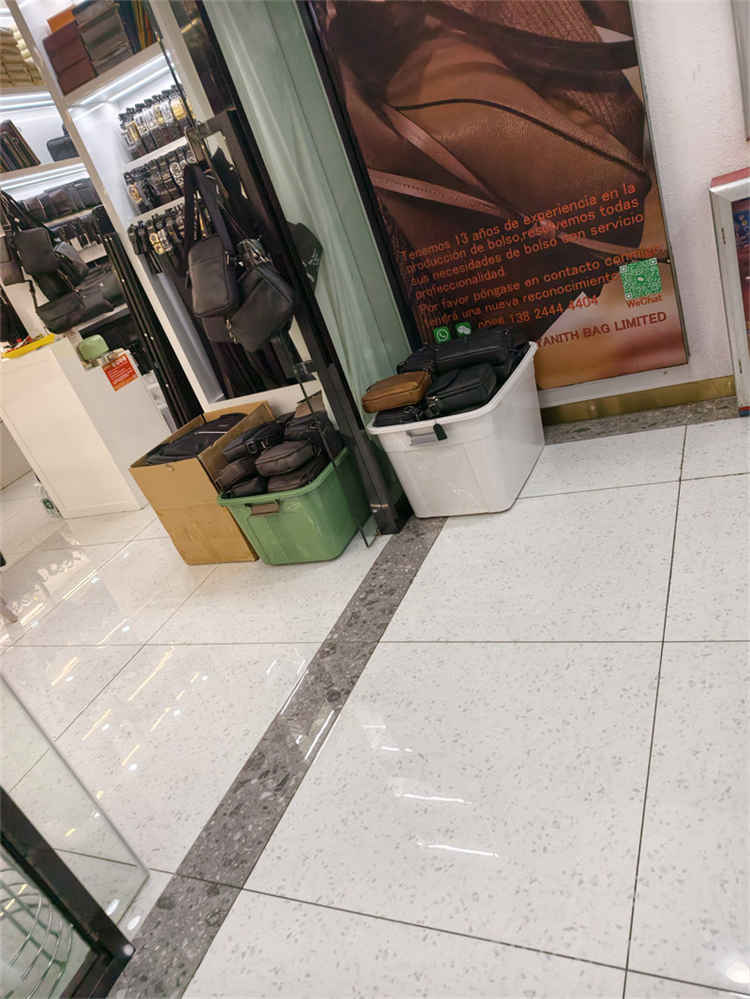
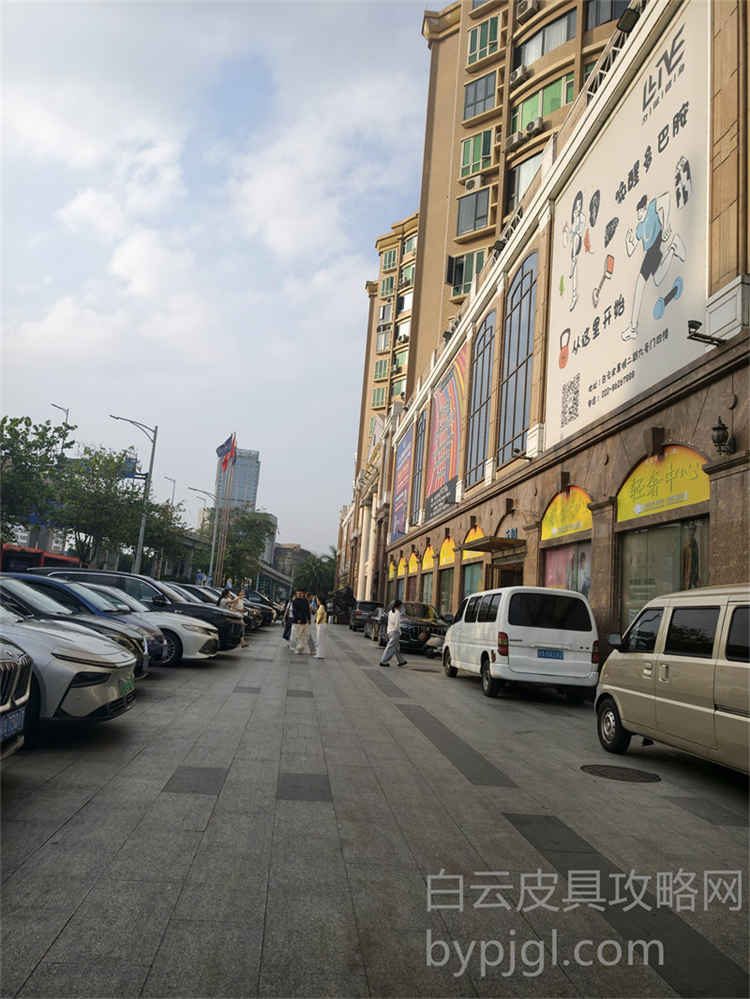
When you first arrive in Guangzhou, especially if you are coming from overseas, the sheer scale of the Baiyun皮具城 (Baiyun Leather City) can be overwhelming. Do not expect the polished, sterile environment of a Western shopping mall. This place is chaotic, loud, and incredibly fast-paced. The corridors are narrow, packed with racks of colorful samples, and filled with the constant chatter of buyers and sellers negotiating in a mix of Cantonese, Mandarin, and broken English. You need to dress comfortably. Wear shoes you do not mind getting dusty because you will be walking miles on concrete floors. The atmosphere is not about luxury; it is about business. once you understand that the vibe is purely transactional, you will stop feeling intimidated and start focusing on what matters: the product.
Navigating the Market Labyrinth: Where to Start
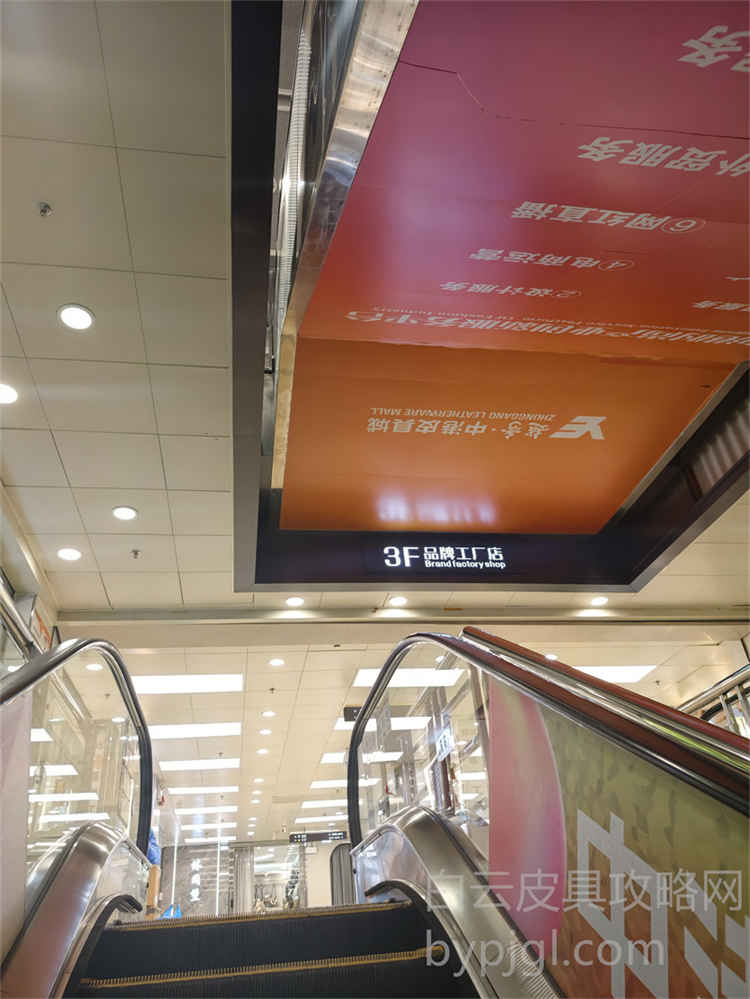
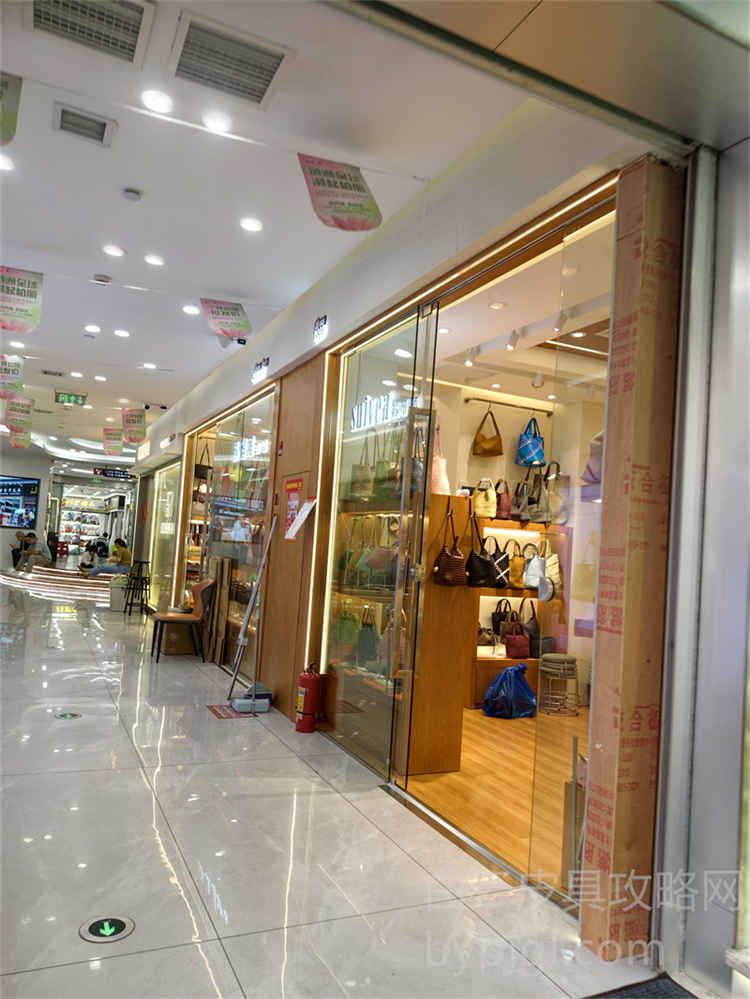
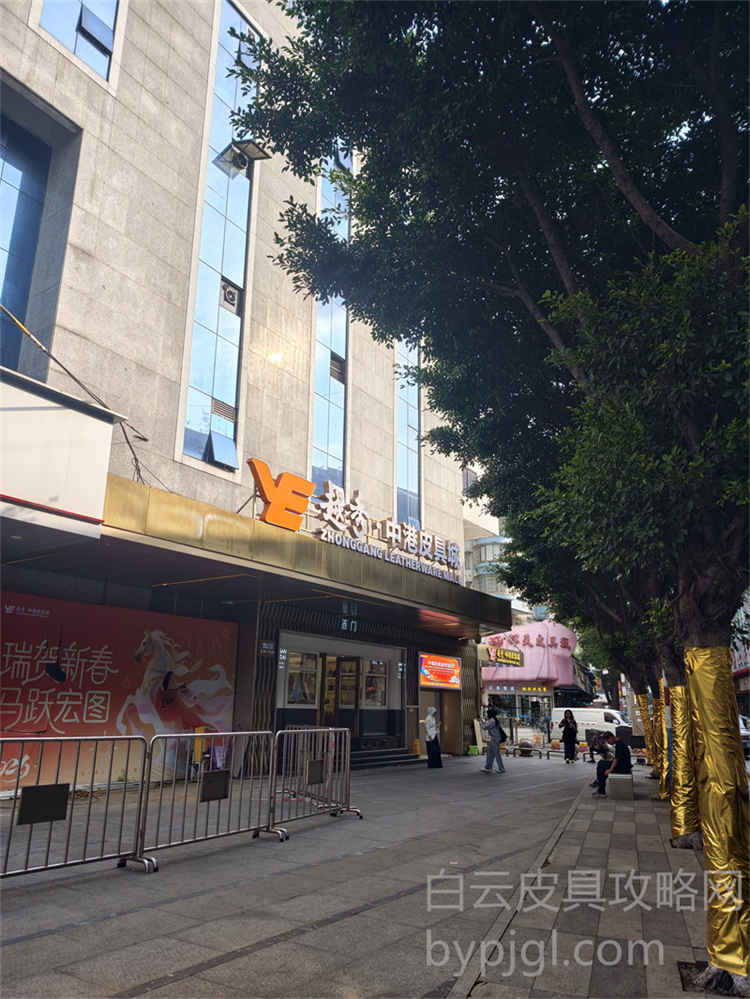
There are dozens of buildings in the Baiyun area, but not all of them are created equal. If you are looking for high-quality materials and solid craftsmanship, you need to head straight for the main hubs like the World Trade Center or the specific wings dedicated to mid-to-high-end production. Many new buyers make the mistake of wandering into the cheaper sections immediately. While there are deals to be found there, the quality variance is massive. As an old shop owner, I always tell my regulars to spend their first day just observing. Walk through the aisles without trying to buy anything. Look at the stitching, feel the lining, and check the hardware weight. This reconnaissance phase is crucial for understanding the price-to-quality ratio before you even speak to a single vendor.
Finding the Right Stall: It's about the People
In Guangzhou, the stall owner is everything. Unlike big department stores where staff are just employees, here the person behind the counter often owns the factory or has direct access to the production line. When you approach a stall, do not ask for "the catalog." That is a dead end. Instead, point to specific items on the rack and ask questions about the material composition. Are they using genuine cowhide or top-grain? What kind of zippers are installed? How is the interior structured? A good supplier will answer these questions confidently. If they hesitate or give vague answers, move on. Trust your gut. In this market, relationships are built on transparency. If a seller tries to hide the flaws of a bag, they are likely hiding something else too.
The Art of Selection: Quality Over Hype
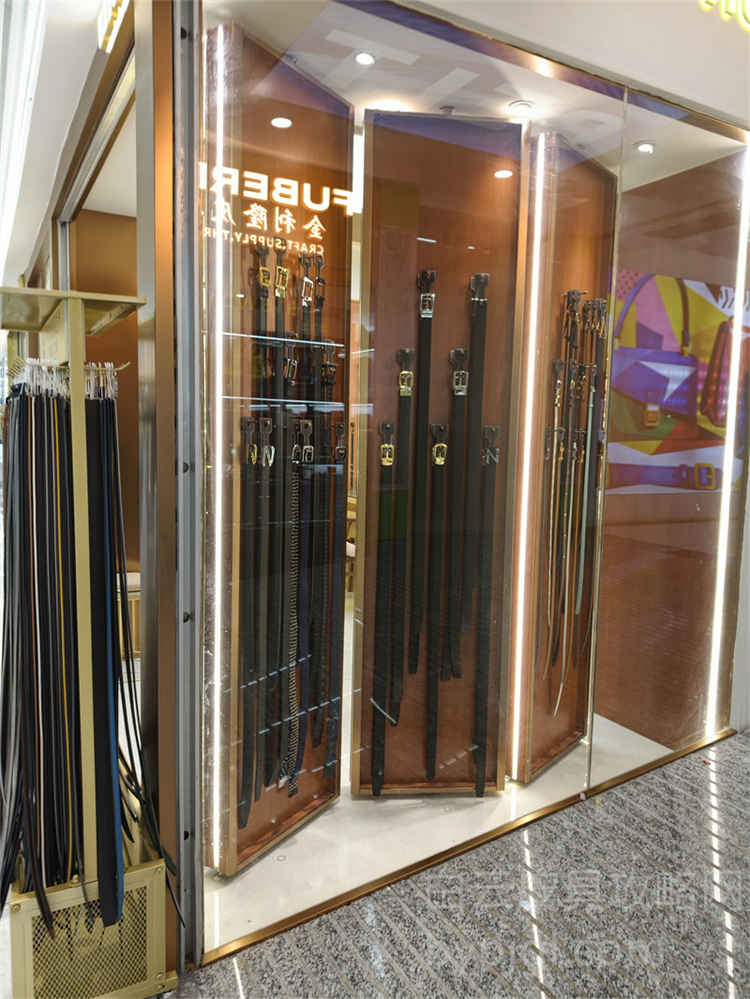
One of the biggest mistakes foreign buyers make is chasing the latest viral trend without verifying the construction. Just because a bag looks perfect in a photo does not mean it will hold up in reality. When you are selecting goods, focus on the details that matter most. Check the thread count. Is the stitching straight and consistent? Does the leather smell like a chemical factory or like actual animal hide? Pay close attention to the hardware. Cheap zinc alloy will tarnish within weeks, while brass or stainless steel will last for years. Ask to see the raw materials if possible. Some stalls keep small swatches of leather and fabric in the back. Seeing the grain of the leather up close tells you more than any description ever could.
Understanding the Price Tiers
You will hear terms like "first copy" or "top grade," but let me be clear: these are marketing terms used to confuse outsiders. In our industry, we talk about cost and material. A bag made with full-grain leather and solid brass hardware will naturally cost more than one made with synthetic PU and plated plastic. Do not try to negotiate a designer-level price for a factory-grade item. That is impossible. Instead, set a budget based on the quality you need. If you want durable bags for a retail store, invest in the higher tier. If you are testing the market with lower-priced items, ensure the construction is still sound. Never compromise on the core structure just to save a few dollars. A bad batch can ruin your reputation faster than you can imagine.
Inspection and Negotiation: The Final Hurdle
once you have selected your items, the negotiation begins. Prices in Guangzhou are rarely fixed. They depend on volume, payment terms, and your relationship with the seller. Do not be afraid to walk away. We have many customers who think they must accept the first offer, but that is a trap. Always ask for a discount based on your order size. If you are ordering fifty pieces, you should get a better rate than if you are ordering five. Also, clarify the shipping logistics immediately. Who handles the packaging? Will the boxes be branded or plain? These details affect your final landed cost significantly.
The Critical Step: Pre-Shipment Inspection
This is where many people fail. They pay the deposit, wait for the goods to be made, and then receive a box full of defects. Never ship without a thorough inspection. If you cannot stay in Guangzhou for the final check, hire a trusted third-party inspector or ask a reliable local contact to verify the goods. Check every single bag for scratches, glue stains, uneven stitching, or color mismatches. Take photos and videos of the entire batch before the truck leaves. If you find issues, demand a replacement or a discount before releasing the final payment. In this market, the buyer is king only if they are vigilant. Being polite is important, but being firm about quality standards is essential.
Building Long-Term Success in the Leather Capital
Sourcing from Guangzhou is not a one-time event; it is a long-term strategy. The best way to succeed is to build a network of reliable suppliers. once you find a stall that consistently delivers quality and communicates well, stick with them. Treat them with respect, pay on time, and visit regularly. These vendors appreciate loyal partners and will often give you priority during peak seasons or alert you to new styles before they hit the general market. Remember, the Baiyun district is a living ecosystem. It changes daily, but the principles of quality, honesty, and hard work remain constant. Go there with an open mind, trust your instincts, and you will find the perfect source for your next collection.