Walking the Floors: My Honest Take on Guangzhou Leather Goods
I have been standing behind this counter in Baiyun District for over fifteen years. While you might see me as just another shop owner, I am someone who has watched the industry evolve from small workshops to a global supply hub. Every day, I see buyers from all over the world walking through these crowded corridors, looking confused or overwhelmed. They often ask me about the difference between what they call "Guangzhou goods" and those labeled as "A grade." Let me tell you something straight from my experience: the terminology you hear online is often misleading, and the real story lies in the quality of the leather, the stitching, and the hardware, not in some arbitrary letter code.
The Myth of the Letter Grades
When foreign buyers first arrive, they are usually obsessed with finding the so-called "A grade" or "top tier." In our local market, we do not use letters like A, B, or C to categorize products officially. That is a concept created by middlemen and online sellers to confuse customers. When I show you a bag, I do not say it is an A-grade item. I say it is made from top-grain cowhide, Italian tanned leather, or genuine calfskin. The price reflects the material cost and the craftsmanship, not a secret label. If a seller tells you they have a special "A grade" that is hidden from the public, be very careful. Often, this is just a marketing trick to justify a higher price for standard factory output.
Navigating the Baiyun Leather Market Realities
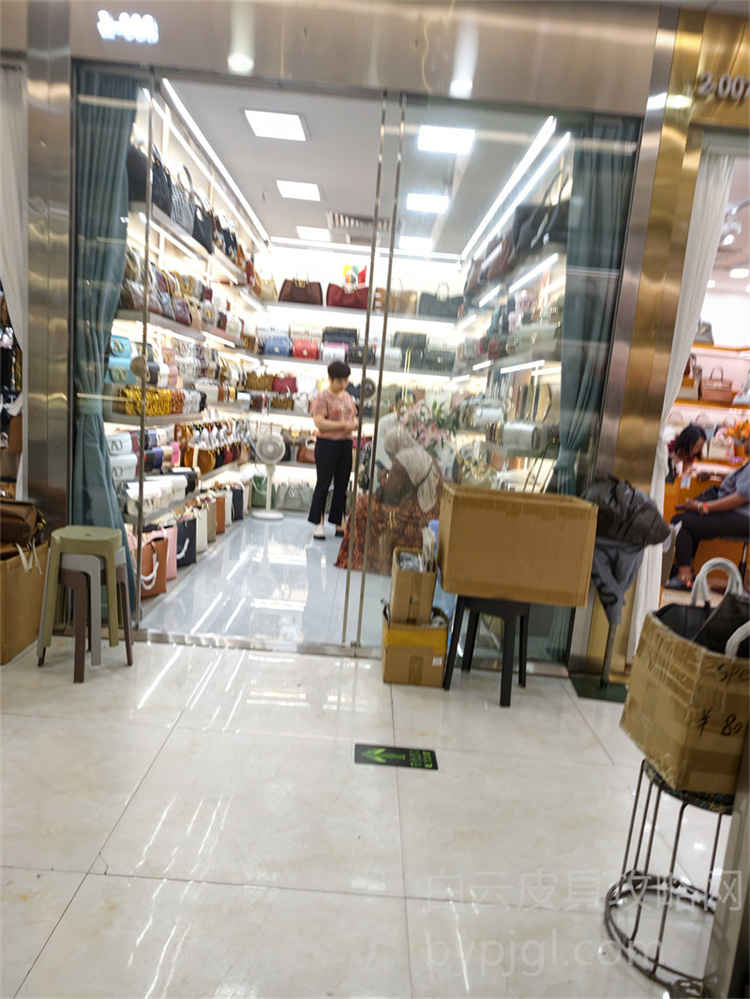
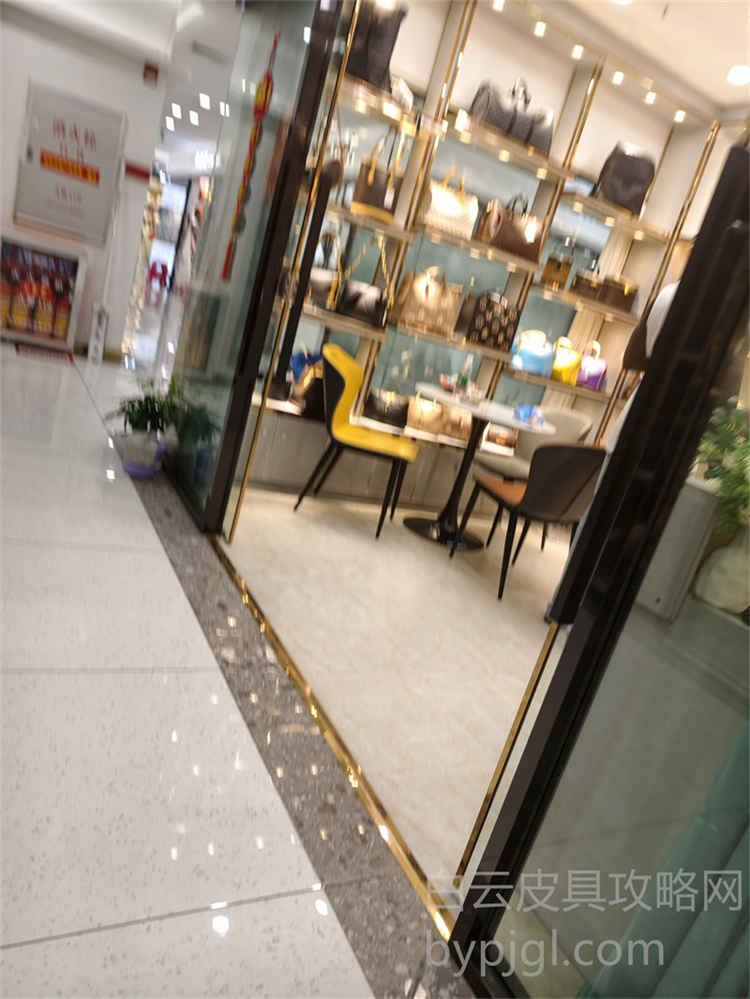
The Baiyun Leather City is massive, a labyrinth of thousands of stalls stretching across multiple buildings. It is not a place where you can simply walk in and buy everything at once. You need a strategy. Most tourists get lost in the lower floors where the prices are low but the quality varies wildly. To find the best items, you must go to the upper floors where the serious manufacturers and high-end wholesalers operate. These are the places where the real work happens. Here, you will see rows of finished bags, stacks of raw materials, and teams of skilled artisans working on intricate details.
Inspecting the Details Before You Buy
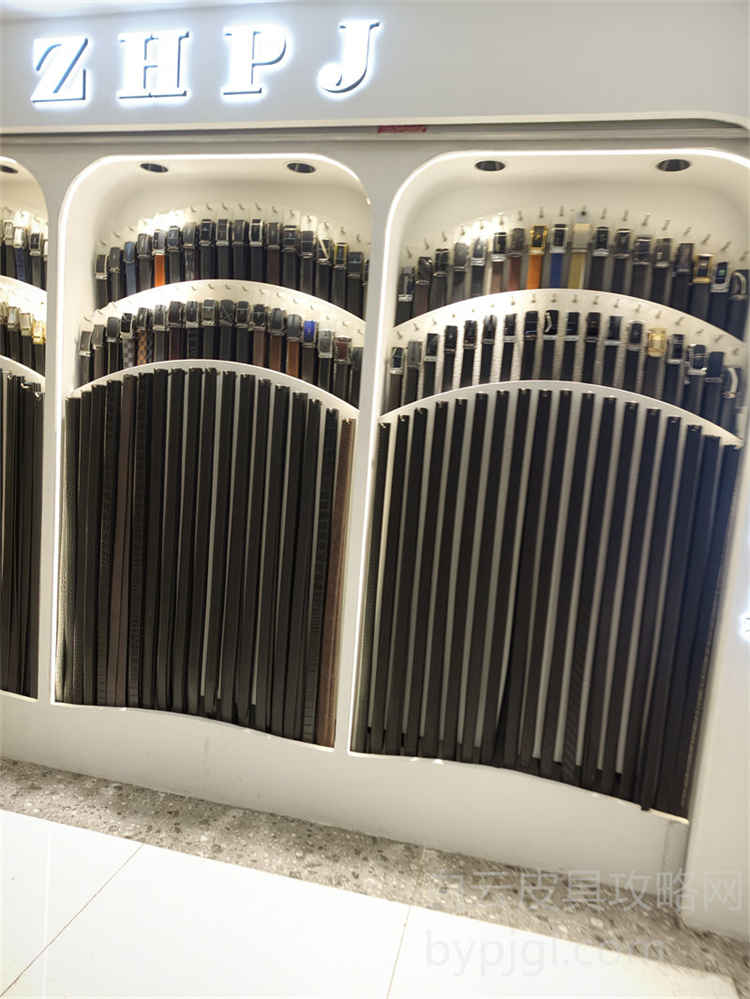
My advice to any buyer coming here is simple: touch everything. Do not rely on photos sent via WeChat. Photos can be edited, lighting can be manipulated, and angles can hide flaws. When you stand in front of a stall, run your fingers over the leather. Feel the texture. Is it soft and supple, or does it feel stiff and plastic-like? Check the stitching. Look at the thread tension. Are the stitches even? Do they pull away from the leather? Examine the zippers and clasps. High-quality hardware feels heavy and solid, not light and hollow. If the metal feels cheap, the whole bag will likely fall apart within a year. This hands-on inspection is the only way to separate the premium goods from the mass-produced junk.
Building Relationships and Negotiating Prices
In Guangzhou, business is built on relationships. You cannot just walk up to a counter, point at a bag, and demand the lowest price. That approach rarely works well with established owners. Instead, start by asking questions. Ask about the source of the leather, the origin of the hardware, and the production time. Show that you understand the product. When you demonstrate knowledge, the vendor respects you more and is more willing to offer a fair deal. Negotiation is expected, but it should be done politely. Start with a reasonable offer based on your research, then meet in the middle. Remember, if a price seems too good to be true, it usually is. Cheap prices often mean inferior materials or rushed production.
Understanding Minimum Order Quantities
One of the biggest hurdles for new buyers is the minimum order quantity, or MOQ. Many stalls require you to buy a certain number of units before they sell to you. However, many of us are flexible if you are buying a mix of styles or if you are a repeat customer. If you are just starting out, try to build a relationship with a few trusted vendors who allow smaller orders. Over time, as you prove your reliability, they will lower their barriers for you. Do not be afraid to ask for samples first. Paying for a sample is better than wasting money on a bulk order of poor quality. once you are satisfied with the sample, you can discuss the terms for the full order.
Avoiding Common Pitfalls in Sourcing
There are many traps for the unwary buyer in this market. One common mistake is rushing the process. Do not try to visit ten different markets in one day. You will end up exhausted and making bad decisions. Take your time to explore specific sections of the Baiyun area. Another pitfall is ignoring the logistics. Shipping large quantities of leather goods requires proper packaging and customs documentation. Make sure your supplier understands international shipping requirements. Also, never pay 100% upfront without a deposit agreement. A standard practice is to pay a deposit to secure the order and the balance upon inspection or shipment. This protects both parties and ensures accountability.
Trust Your Instincts and Local Knowledge
Finally, trust your instincts. If something feels off, walk away. There are always other stalls down the hall. The market is competitive, and there is no shortage of options. Use the local knowledge of experienced vendors like myself to guide you. We know which factories produce the best quality and which ones cut corners. By building a network of trusted contacts, you can navigate the complexities of sourcing leather goods with confidence. Whether you are looking for everyday bags or luxury-style accessories, the key is to focus on quality, transparency, and long-term partnerships rather than chasing mythical grades or labels.