Why You Need to Skip the online Listings and Walk the Floors
Listen, I've been standing behind this counter in Guangzhou for over fifteen years. I've seen the trends come and go, from the early days of simple leather goods to the complex supply chains we have today. If you are an overseas buyer looking for "Guangzhou niche bag wholesale sources," you probably think you can just Google a few keywords, find a website, and place an order. Let me tell you something straight: that is the fastest way to get burned. The real deals, the hidden gems, and the suppliers who actually care about your business are not on a screen; they are right here in the concrete corridors of the Baiyun district.
When people ask me where to find these niche sources, I always tell them to forget the big malls first. Those places are full of tourists and one-off buyers. You want the pulse of the industry? You need to be walking through the older buildings, the ones with the flickering fluorescent lights and the smell of fresh leather dust hanging in the air. That is where the serious wholesalers operate. They don't have fancy websites because their inventory turns over too fast for digital catalogs. They rely on face-to-face trust, which is why I am writing this to guide you through the actual experience of sourcing here.
Navigating the Real Markets Beyond the Main Halls
The Secret Life of the Older Buildings
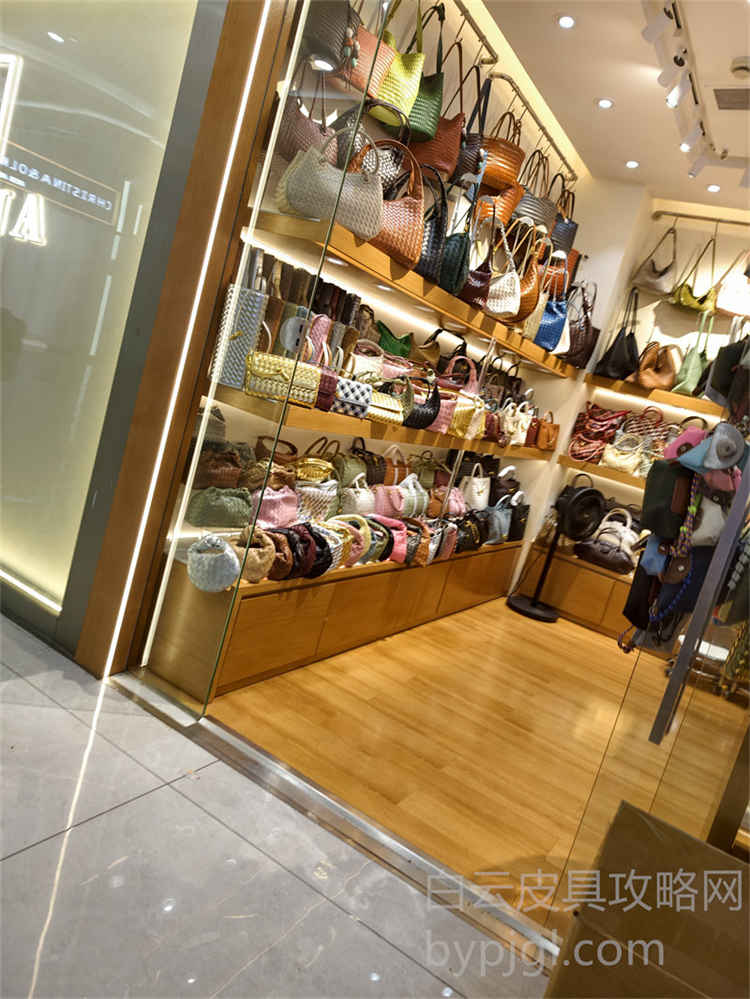
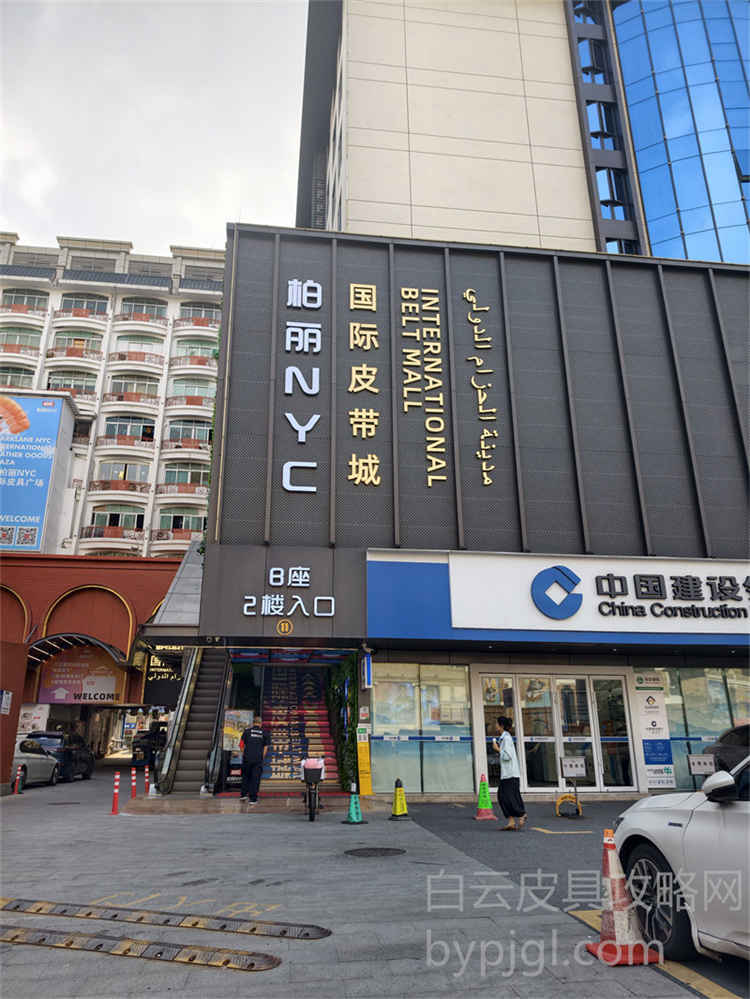
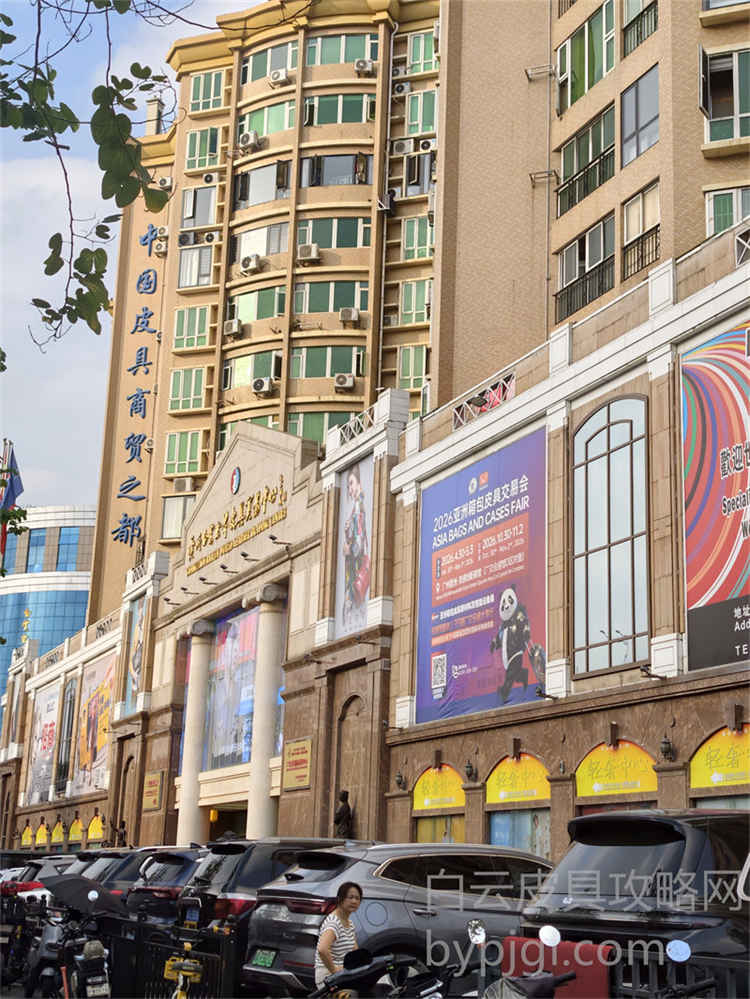
Most newcomers head straight for the massive, shiny complexes like the iconic Baiyun Leather City main building. While there are good shops there, the best "niche" sources are often tucked away in the adjacent older buildings or the smaller side streets connecting them. These areas are less polished but much more authentic. Here, you will find small family-run workshops that specialize in specific styles—maybe vintage-inspired totes, minimalist crossbodies, or unique textured leathers that you won't see mass-produced elsewhere.
I remember guiding a client from New York last month. He wanted something distinct, not the generic designs flooding the market. We skipped the ground floor of the main plaza and went up to the third floor of the building next door. There, in a cramped stall barely ten meters wide, sat a supplier who had been making bags for twenty years. He didn't have a catalog. He just pulled out samples from under his counter. This is the reality of the niche market. You have to dig. The deeper you go into these local clusters, the more you bypass the middlemen and talk directly to the people who cut the patterns and stitch the seams.
Understanding the Layout and Flow
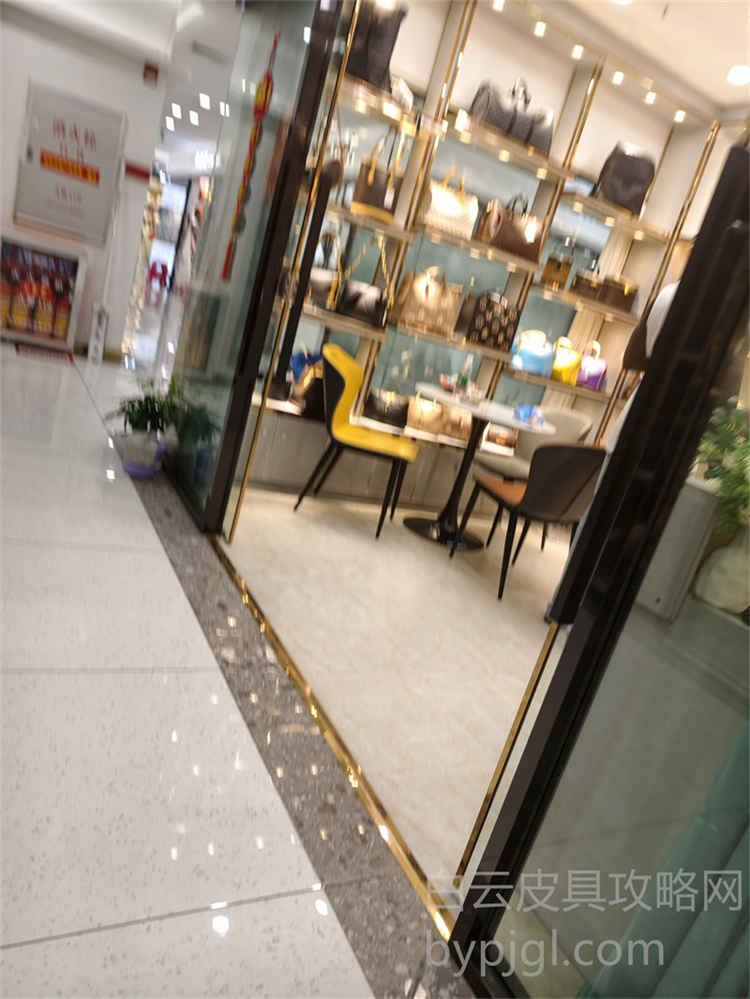
Don't expect everything to be organized neatly by brand or category. In these markets, the layout is chaotic by design. One stall might sell hardware, the next sells linings, and the one after that assembles the final product. To find the right source, you need to learn how to read the flow. Look for stalls with stacks of boxes piled high near the back; those are usually the active production spots. If a shop looks too clean and empty, it's likely a front for a larger factory or just a reseller. You want the place where you can hear the sound of machines working in the background. That noise tells you they are real manufacturers, not just traders.
The Art of Inspection and Negotiation on the Floor
Touch, Feel, and Smell: The Three Rules
When you finally find a potential partner, do not just look at the photos. In my shop, I teach every buyer to touch the leather before they even ask about the price. Quality is tactile. Is the grain consistent? Does the stitching hold tension without pulling? Does the lining feel cheap or durable? In Guangzhou, the difference between a $50 bag and a $150 bag is often in the details that only show up when you handle the item. I always tell my international friends to bring a flashlight. Check the inside corners, the zipper pulls, and the glue lines. If you see excess glue or uneven stitching, walk away. No amount of negotiation will fix bad craftsmanship.
Also, pay attention to the smell. Good leather has a distinct, rich aroma. Cheap synthetic materials or low-grade tanning processes have a chemical sting. If it smells off, the durability will be off too. This is a lesson I learned the hard way in the early days, and I pass it on to everyone who walks through my door.
Haggling and Building Long-Term Trust
once you have vetted the quality, it is time to talk numbers. But let's be clear: in the niche market, price isn't the only factor. If you try to squeeze the price down to rock bottom, you will end up with inferior goods. Instead, focus on volume and consistency. Tell the owner, "I am planning to order fifty units this month, and if the quality holds, I will double that next quarter." Suppliers love stability. They would rather give you a fair margin than chase a one-time deal.
Never agree to terms verbally without seeing them written down, even in a simple WeChat message. Clarify the minimum order quantity (MOQ), the lead time, and the payment terms. In our local scene, many transactions happen via mobile payments, but for overseas clients, we always insist on secure bank transfers or platforms that offer buyer protection. Do not send money to a personal account unless you have worked with that person for years. Trust is earned slowly here, but once established, it is unbreakable.
Avoiding Pitfalls and Securing Your Supply Chain
The Trap of "Too Good to Be True"
One of the biggest mistakes I see foreign buyers make is falling for the promise of "designer quality" at "factory prices." While we do produce high-end goods here, the term "designer" is a red flag. If someone claims they can replicate a famous luxury style perfectly, run. Not only is it legally risky, but the quality control is often inconsistent. Instead, focus on finding unique, original designs that fit your brand identity. Ask the supplier, "Can we customize the hardware?" or "Can we change the color of the lining?" A genuine manufacturer will welcome these requests. A copycat operation will hesitate or refuse.
Another common pitfall is ignoring the logistics. Just because you buy the bag doesn't mean it gets to your warehouse safely. When you finalize a deal, discuss packaging immediately. Will the bags be boxed individually? Will they be protected against moisture during shipping? In Guangzhou, humidity can be a nightmare for leather goods. Make sure your supplier uses proper desiccants and sturdy cartons. I have seen entire shipments ruined because the seller thought a plastic bag was enough protection.
Final Thoughts on Your Sourcing Journey
Coming to Guangzhou to source bags is not just a transaction; it is an immersion into a culture of craftsmanship and commerce. The city of Baiyun is alive with energy, and the people here are tough but fair. If you take the time to walk the floors, inspect the goods with your own eyes, and build relationships based on mutual respect, you will find sources that no online algorithm can ever match. Don't rush. Take your time to explore the alleys, talk to the owners, and understand the rhythm of the market. That is the only way to truly master the art of sourcing in China.