Walking the Floor: My Real Talk on Sourcing from Guangzhou
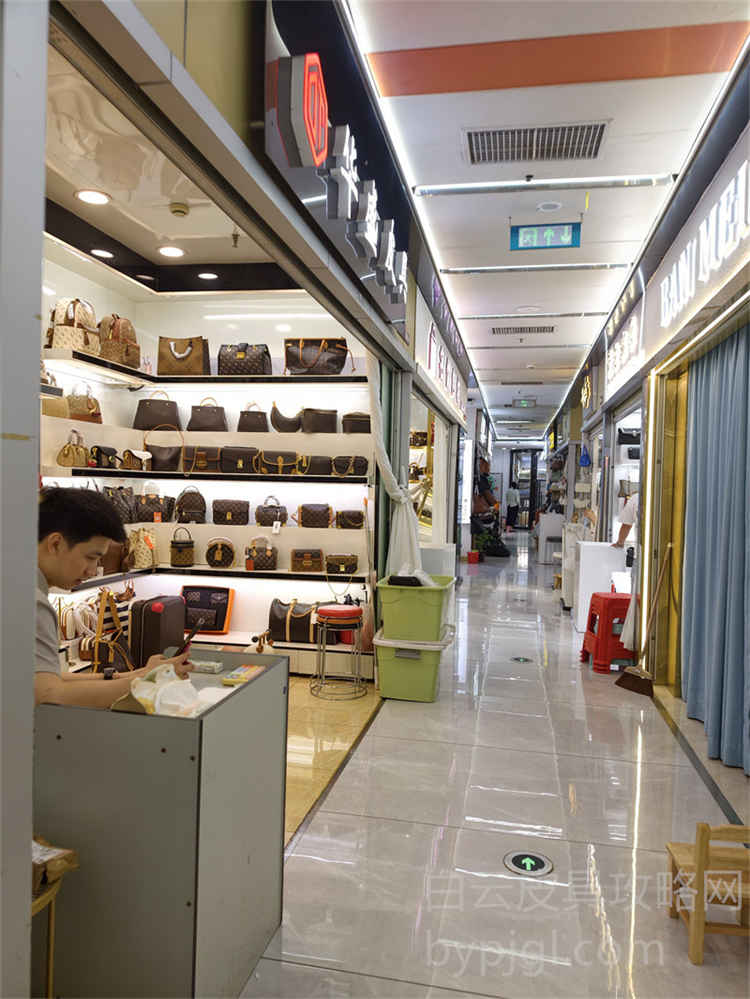
Welcome to the floor. If you are reading this, you probably already know that the real action isn't happening online or in some sterile warehouse office. It is right here, under the fluorescent lights of Baiyun District, where the air smells like leather dust and fresh coffee, and the noise level never drops below a hum of negotiation. I have been standing behind my counter for over fifteen years, watching waves of buyers come and go. Some leave with their pockets full of gold, others leave empty-handed because they tried to buy "the best" without knowing how to look at the best.
Let me be straight with you: if you think you can just walk into a shop and point at a picture on your phone to get exactly what you want, you are going to be disappointed. The market here moves fast, and the quality varies wildly depending on who you talk to and which door you knock on. This isn't about selling you a dream; it is about teaching you how to survive the chaos of the wholesale district so you can find the goods that actually move.
Navigating the Labyrinth of Baiyun Market
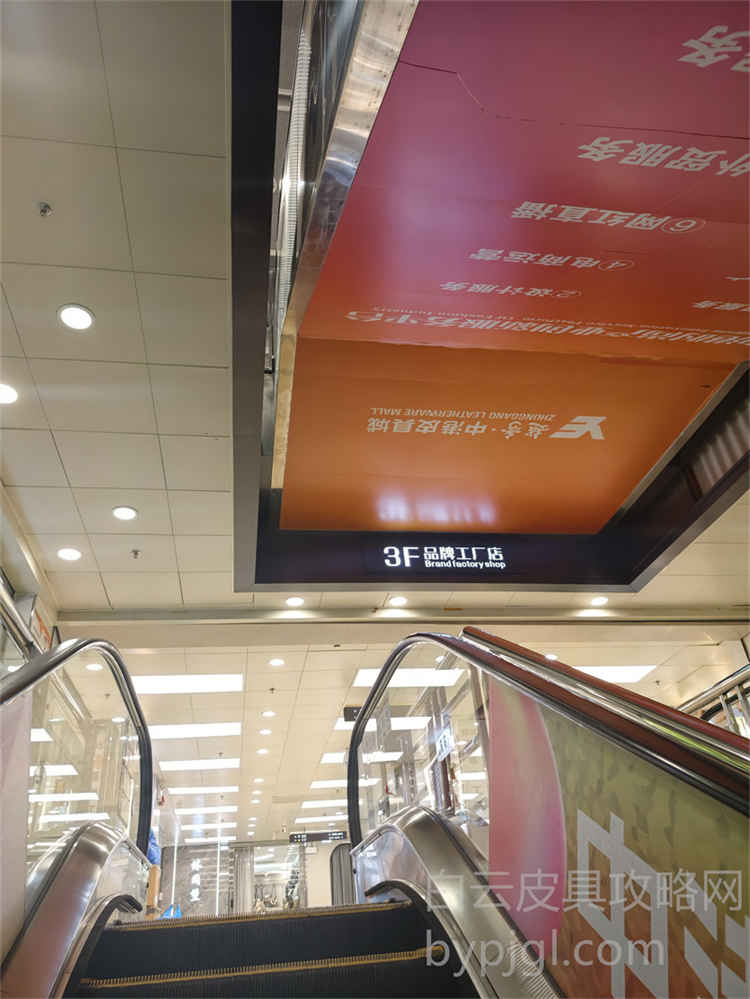
The first thing you need to understand is that not all buildings are created equal. When people talk about sourcing from Guangzhou, they usually mean the massive complex known as Baiyun Leather City. But inside there, there are dozens of smaller buildings, each with its own vibe and price point. You cannot treat them all the same. The ground floors are often filled with tourists looking for souvenirs, while the upper floors are where the serious business happens. That is where you need to be.
Finding the Right Door
I will tell you a secret that most guides won't share: the best stock is rarely displayed on the front racks. Those are the "showroom" items, meant to catch the eye of casual passersby. To see the real work, you have to ask to see the "back room" or the "sample room." A good stall owner knows that if you are serious, you don't mind climbing a few flights of stairs or waiting ten minutes while they fetch the actual inventory from the back storage. If they refuse to show you anything beyond the front display, walk away. They are likely dealing with low-quality mass production that won't hold up to scrutiny.
The Art of Inspection: What Your Eyes Need to See
once you are in the sample room, the real work begins. Do not just look at the bag from three feet away. In this business, the devil is in the details, and the details are everything. I have seen buyers fall in love with a bag because it looked perfect in the photo, only to realize upon closer inspection that the stitching was loose or the hardware felt light as a feather.
Checking the Stitching and Grain
Bring a magnifying glass if you have to. Look at the stitch count per inch. High-end craftsmanship requires tight, even stitches with no loose threads. The leather grain should feel natural, not plastic-like. Run your fingers over the surface; it should have a slight texture, not a smooth, waxy finish. If the smell hits you immediately and it smells like chemicals or cheap glue, put it down. Good leather has a distinct, earthy scent that lingers but doesn't choke you.
Hardware and Zippers
This is where many sellers cut corners. Pick up the bag and shake it gently. Does the zipper glide smoothly? Is the metal heavy? Cheap hardware feels hollow and rattles. The plating should be thick and even, with no visible scratches or bubbles. If you are buying from a reputable source in Baiyun, they will use high-grade brass or zinc alloy that resists tarnishing. Ask to see the inside of the zipper pull; if it is rough or unfinished, the seller is cutting costs somewhere else.
Negotiation and Building Relationships
You cannot negotiate like a tourist. If you act like you are just browsing, you will get the tourist price. The key here is to build a relationship. Treat the stall owner like a partner, not a vending machine. Start by asking questions about the materials, the process, and the history of the item. Show that you know what you are talking about. When you speak their language, they respect you more and are willing to give you better deals.
Understanding MOQs and Pricing
Every stall has different Minimum Order Quantities (MOQ). Some might let you take one piece if you pay a slightly higher unit price, while others require you to buy five or ten to get the wholesale rate. Be clear about your needs upfront. Don't be afraid to ask for a discount if you are planning to return next month or bring friends. Many owners in Baiyun are used to repeat customers, and they will reward loyalty with better pricing or priority access to new styles before they hit the general market.
Avoiding the Pitfalls of online Scams
Here is the biggest warning I can give you: do not trust photos sent via WeChat or WhatsApp without seeing the item in person first. The lighting in a studio can make a mediocre product look amazing. Colors shift, textures disappear, and flaws hide in shadows. I have seen too many overseas buyers lose money because they trusted a "mirror quality" photo that turned out to be nothing like the reality when the package arrived.
The importance of Physical Verification
If you are ordering remotely, insist on video calls where you can inspect the item live. Zoom in on the stitching, check the hardware weight, and ask them to open the bag to show the interior lining. Even better, hire a local agent who can visit the stalls for you. But remember, even an agent can be fooled if the seller is skilled at faking the presentation. The safest bet is always to come yourself, stand on the floor of Baiyun, and touch the leather with your own hands. There is no substitute for physical verification in this industry.
Final Thoughts on Your Next Trip
Guangzhou is a city of opportunity, but it demands respect and knowledge. The leather market here is vast, dynamic, and incredibly competitive. By understanding the layout of Baiyun, learning how to inspect quality, and building genuine relationships with the stall owners, you can navigate this maze successfully. Remember, the goal is not just to buy a bag; it is to find a reliable supply chain that grows with your business. Take your time, ask the hard questions, and trust your instincts. If something feels off, it probably is. Come prepared, stay sharp, and you will find exactly what you are looking for among the thousands of options available right here on the ground.