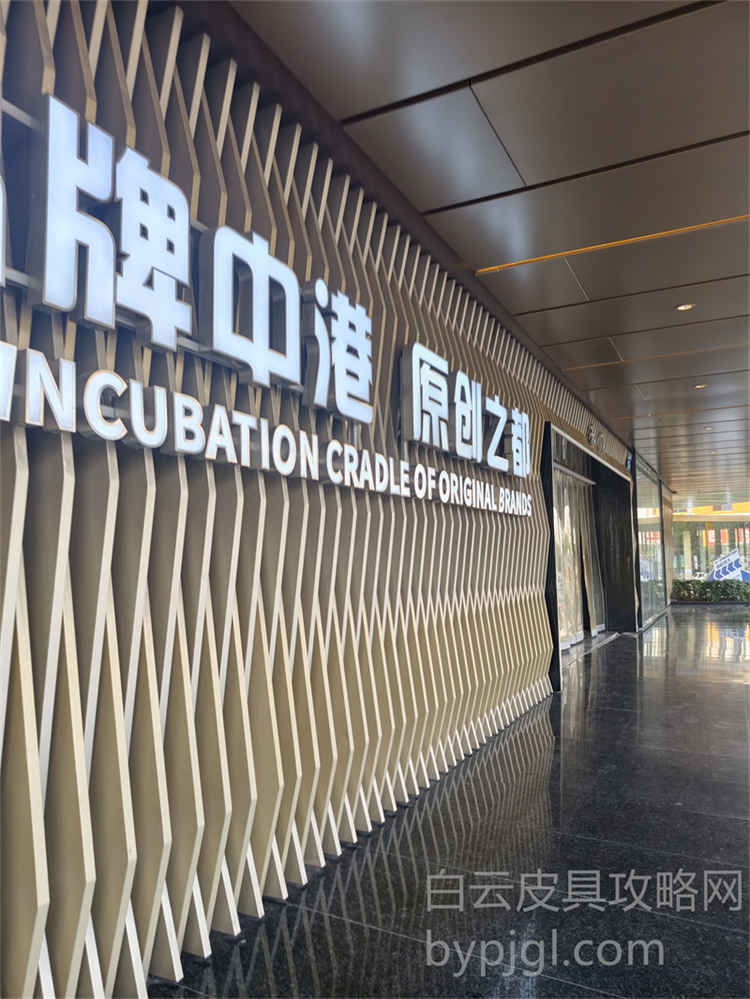
Why You Need to Step Into the Market Yourself
Listen, I have been standing behind this counter in Guangzhou for over twenty years. I have seen thousands of tourists walk through the doors of Baiyun Leather City, looking confused and overwhelmed. They come here asking for "the best" without knowing what that actually means in our trade. If you are planning to source high-end leather goods from China, let me tell you something straight: you cannot do this online alone. The internet is full of pictures, but it is full of lies too. To get the real deal, you need to be here, on the ground, touching the leather, smelling the glue, and talking face-to-face with the people who make these bags.
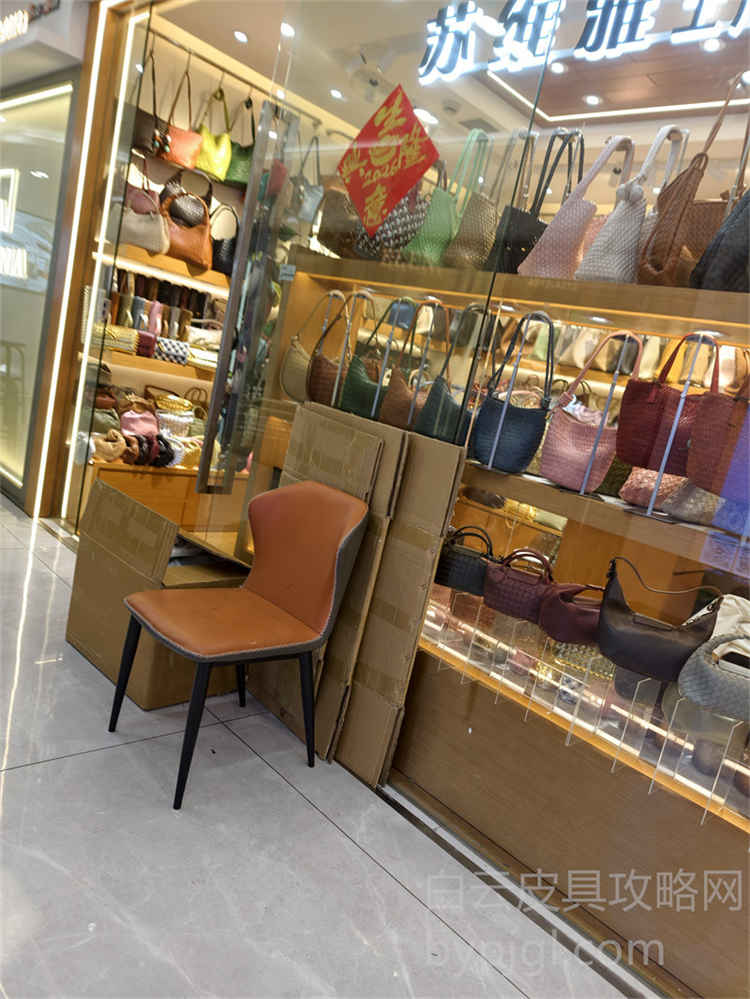
The market here is not a simple shopping mall. It is a massive ecosystem where factories, wholesalers, and traders collide every single day. When you ask about premium quality items, you are entering a world where details matter more than logos. In my shop, we do not sell cheap junk. We sell craftsmanship that rivals anything you see in department stores abroad. But you must know how to navigate the floors. There are hundreds of stalls, each with its own specialty. Some focus on canvas textures, others on exotic skins, and some on hardware precision. If you wander around blindly, you will waste days and end up paying for mediocrity.
Navigating the Floors of Baiyun Leather City
Finding the Right Stalls Among the Noise
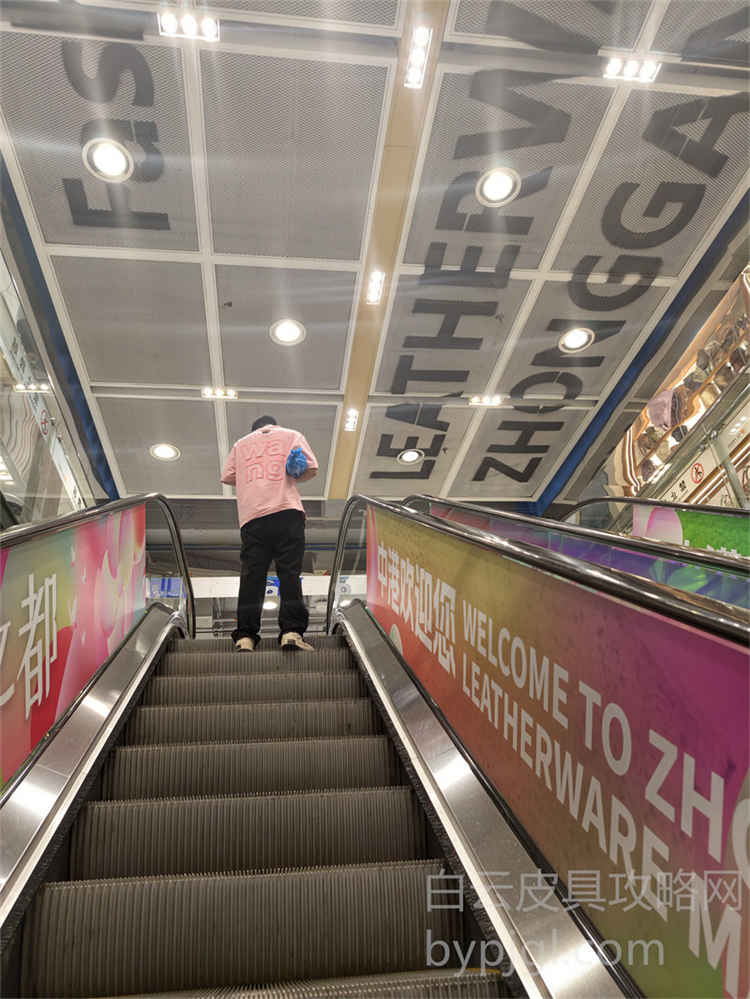
When you first arrive at Baiyun, the noise can be deafening. Trucks honking, vendors shouting, and crowds pushing through narrow aisles. Do not panic. This is normal. My advice is to skip the ground floor if you are looking for top-tier production. That level is mostly for tourists and low-quality mass production. You want to go up to the higher floors, specifically the third or fourth levels. This is where the serious business happens. These are the stalls owned by factory owners or their direct agents.
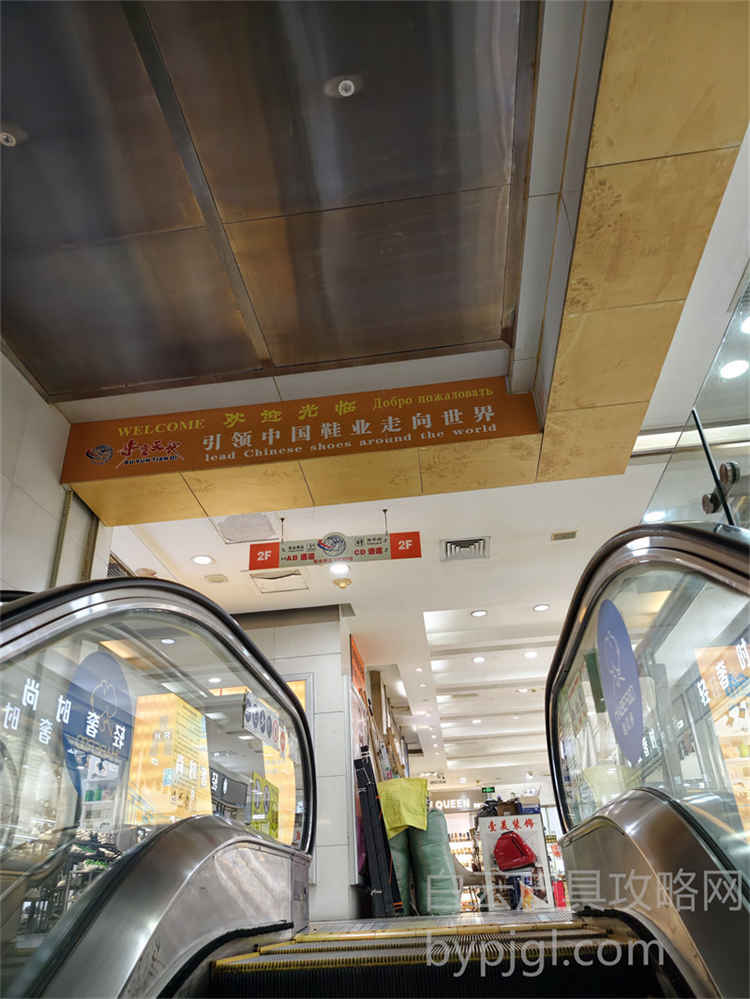
I remember a customer last week who wanted to buy a specific style. He went to a stall on the first floor and was quoted a price that seemed too good to be true. He almost bought it until I stopped him. The leather felt stiff, and the stitching was uneven. He needed to go deeper into the building. once he reached the upper floors, he found a stall that had samples of the exact same design but made with Italian calfskin and YKK zippers. The price difference was significant, but the value was night and day. Always ask the security guard or the staff at the elevator which floor houses the "high-end" section. They know exactly where the quality is concentrated.
Reading the Room and Spotting the Real Deal
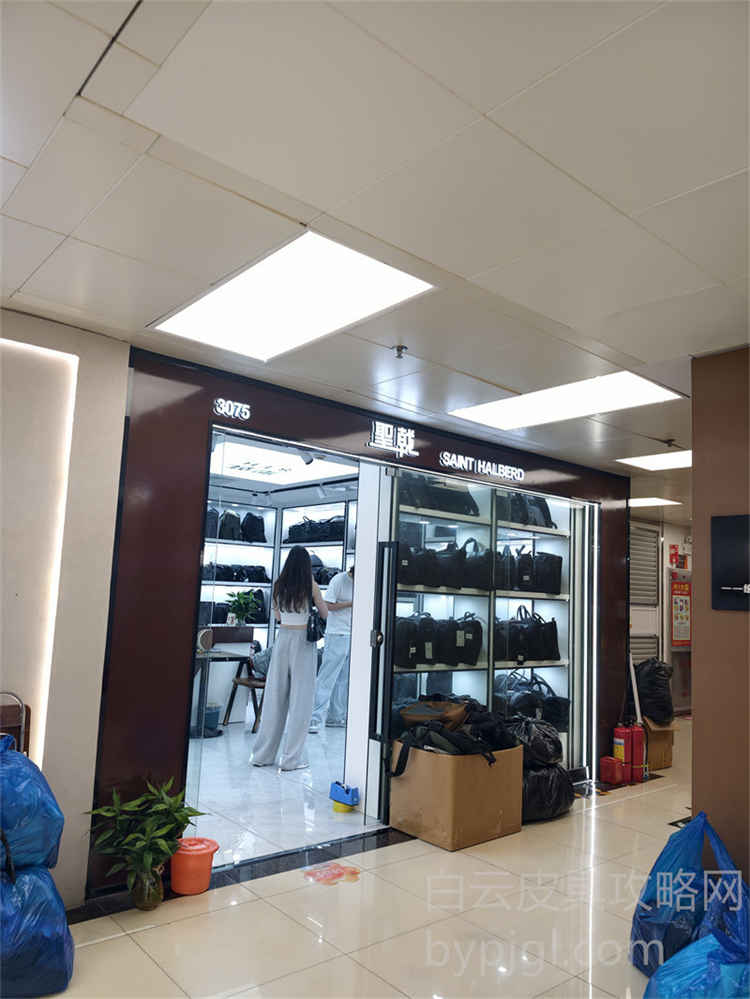
Walking into a stall is like walking into a workshop. You will see stacks of materials, half-finished products, and workers sewing in the back. A genuine high-quality vendor will not hide this. They will show you the raw materials. Look at the grain of the leather. Does it feel soft and supple? Does it smell like natural hide or chemical solvents? Cheap imitations often use synthetic coatings that smell sharp and plastic-like. Real leather has a distinct, earthy scent.
Also, pay attention to the hardware. This is where many sellers cut corners. Run your finger along the zipper pull and the clasps. Is it heavy? Does it have a smooth finish, or does it feel rough and cheap? High-end production uses solid brass or zinc alloy with precise plating. If the metal feels light and flimsy, walk away. In my experience, the hardware tells you everything about the quality of the entire bag. If they cannot give you a close-up look at the hardware, they are hiding something.
The Art of Negotiation and Building Trust
How to Talk Like a Local Buyer
Do not try to bluff your way through negotiations. Vendors here have seen it all. They know when you are a tourist and when you are a buyer. The best approach is to be respectful but firm. Start by asking about the material composition. Ask, "Is this cowhide or lambskin?" "Where did you source the lining?" "What kind of wax thread do you use?" When you ask technical questions, they know you understand the product. This builds immediate trust.
once you establish that you are serious, you can discuss pricing. Never accept the first quote. The initial price is always inflated for foreigners. Say, "I am buying ten pieces today, what is your best wholesale price?" Mention that you plan to return next month if the quality holds up. This signals long-term potential. In Guangzhou, relationships are currency. If you treat the vendor with respect and show you are willing to build a partnership, they will give you better prices and prioritize your orders. I have clients who fly here once a quarter just to restock because we have such a strong rapport.
Avoiding Common Pitfalls and Scams
There are traps everywhere. One common trick is the "sample vs. bulk" switch. They show you a perfect sample, but when you pay for the bulk order, they send you inferior goods. To prevent this, always insist on a pre-shipment inspection. Take photos and videos of the actual batch before you leave the stall. Check the alignment of the patterns, the symmetry of the handles, and the color consistency. If possible, bring a friend who speaks Mandarin to help you verify the details. Language barriers can lead to misunderstandings about specifications.
Another pitfall is rushing the payment. Do not transfer money via random apps or unverified channels. Use secure methods like Alipay or bank transfers directly to the company account. If the vendor insists on cash only or asks for a personal WeChat transfer without a contract, be very cautious. Legitimate businesses in Baiyun operate with transparency. Remember, if a deal sounds too easy, it usually is. Take your time. Walk out of the stall if you feel pressured. There are thousands of other options right down the hall.
Final Thoughts on Your Sourcing Journey
Sourcing from Guangzhou is an adventure, but it requires patience and knowledge. It is not about finding the cheapest option; it is about finding the best value for your investment. The leather industry here is mature, sophisticated, and incredibly competitive. By stepping into the market, engaging with the locals, and understanding the nuances of the craft, you can find products that truly stand out. Whether you are looking for everyday luxury or unique designs, the answers are waiting for you on the upper floors of Baiyun. Come prepared, stay curious, and trust your instincts. The market rewards those who take the time to learn its secrets.