Walking the Floors: A Veteran's Guide to Sourcing in Guangzhou
Welcome to the real deal. I've been standing behind a counter in this chaotic, electric maze of leather goods for over fifteen years. If you are reading this from overseas, thinking about flying here to find the "best" bags, let me tell you something first: the internet is full of lies. You will see photos on Instagram or Facebook that look perfect, but when you get to the warehouse, the reality is often different. The only way to truly understand what is available is to put your feet on the ground and walk the floors of Baiyun District. This isn't just about buying cheap stuff; it is about understanding the supply chain, the craftsmanship, and how to navigate a market that moves faster than any e-commerce site.
The First Step: Getting Your Bearings
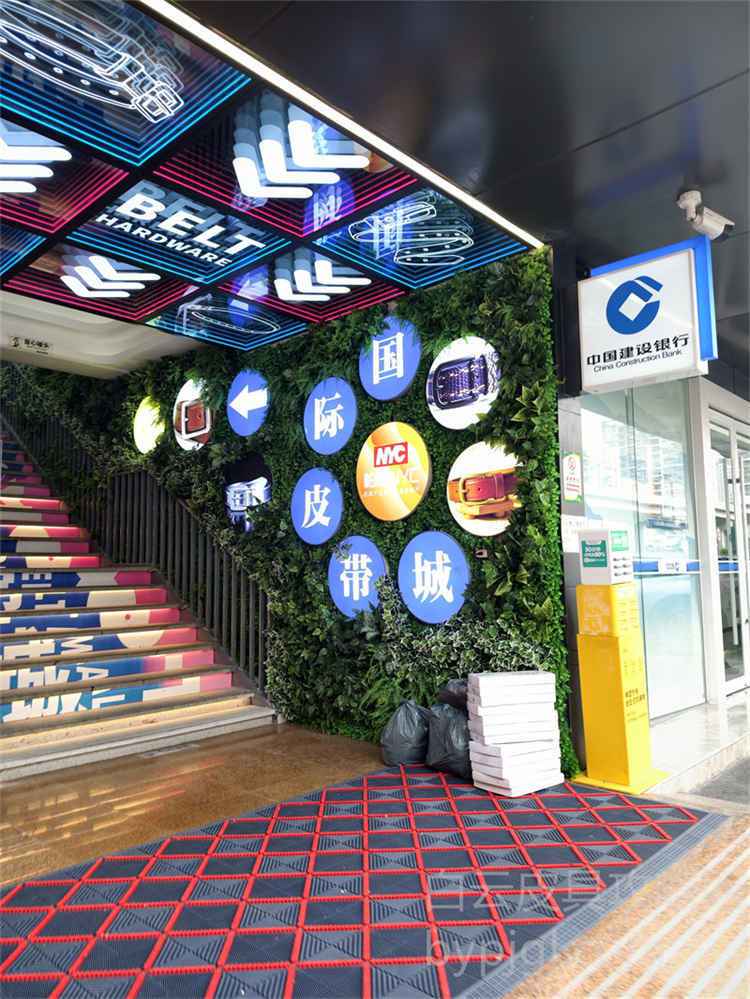
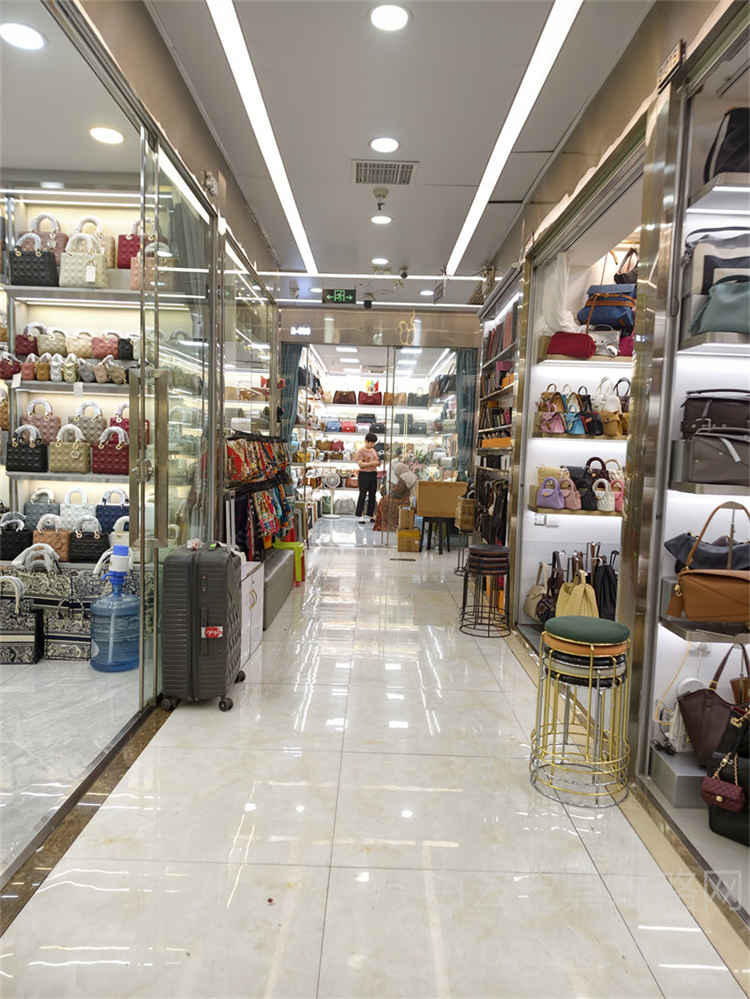
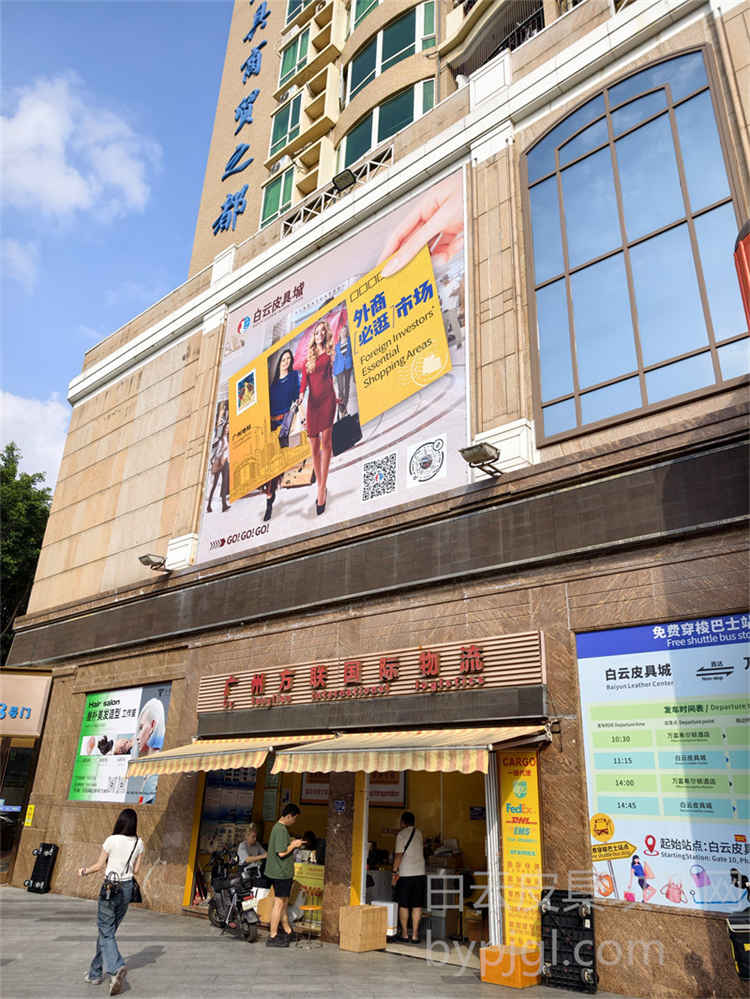
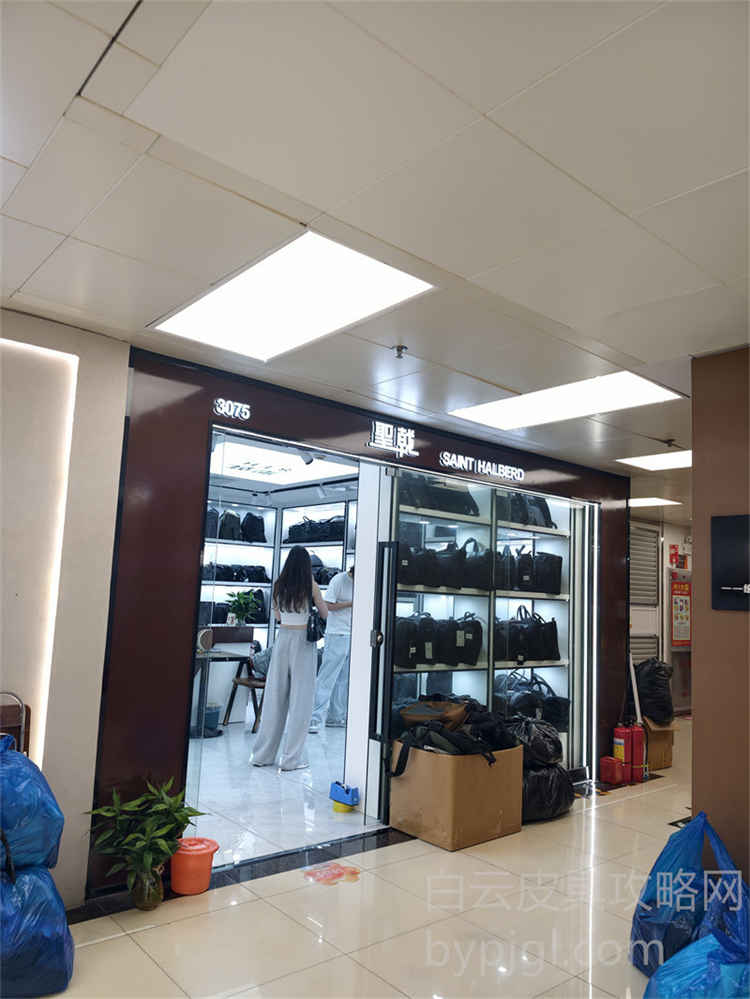
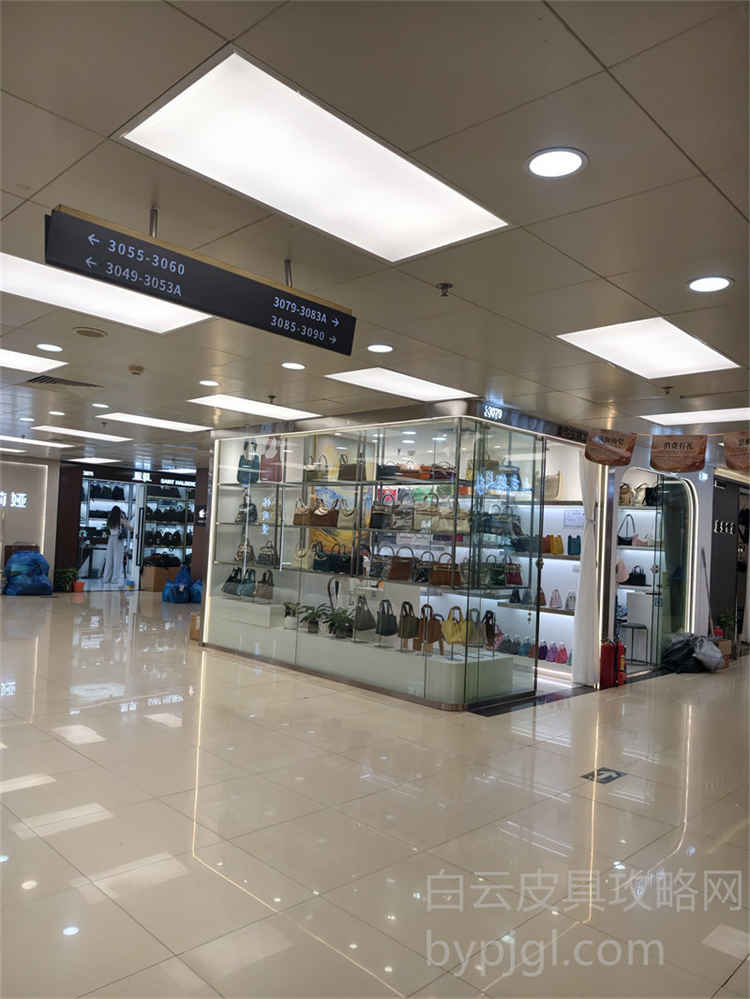
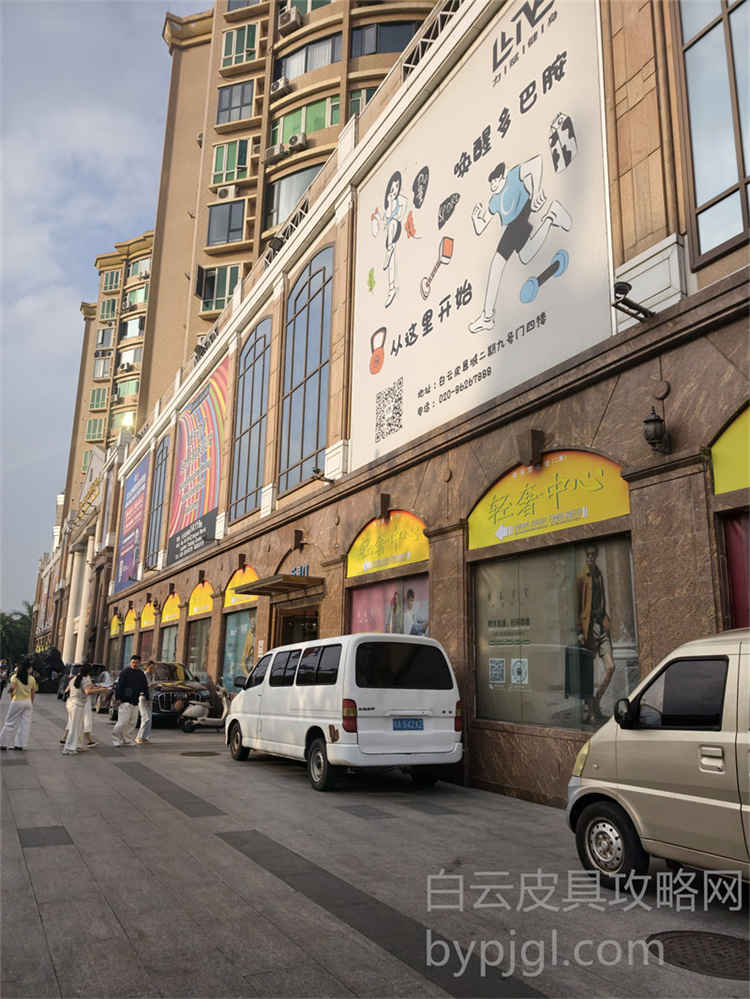
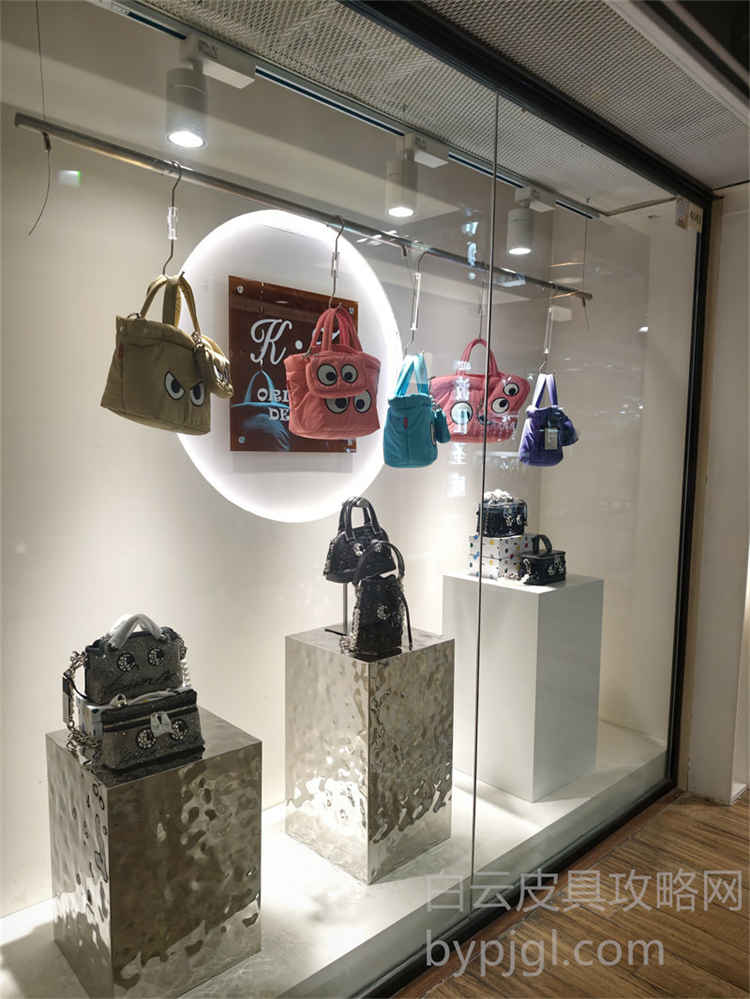
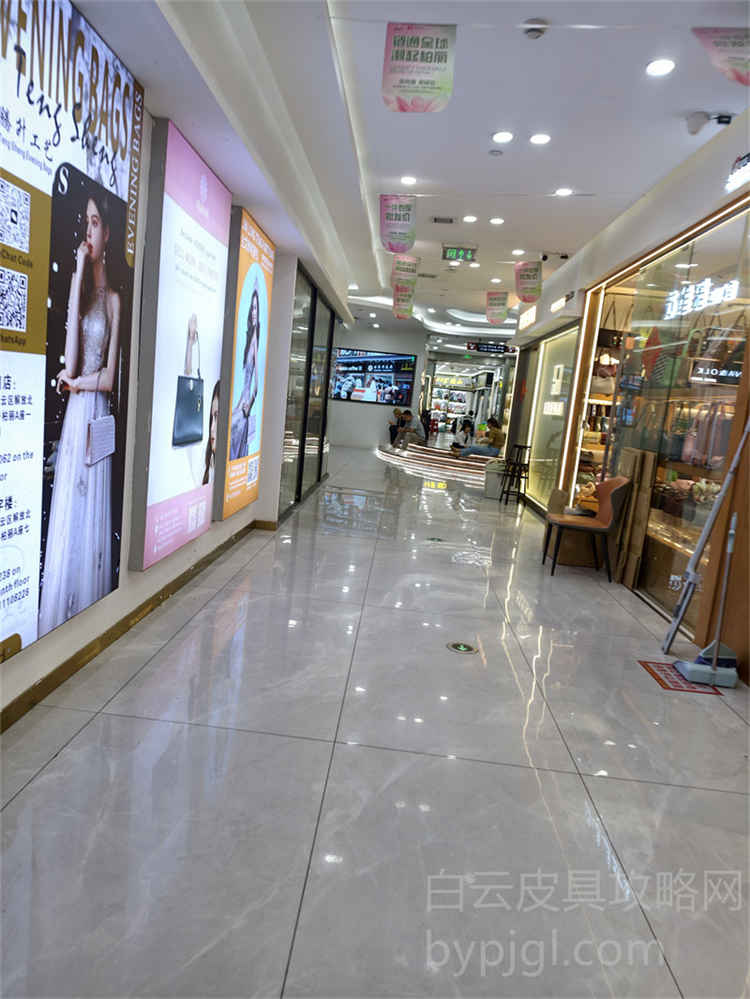
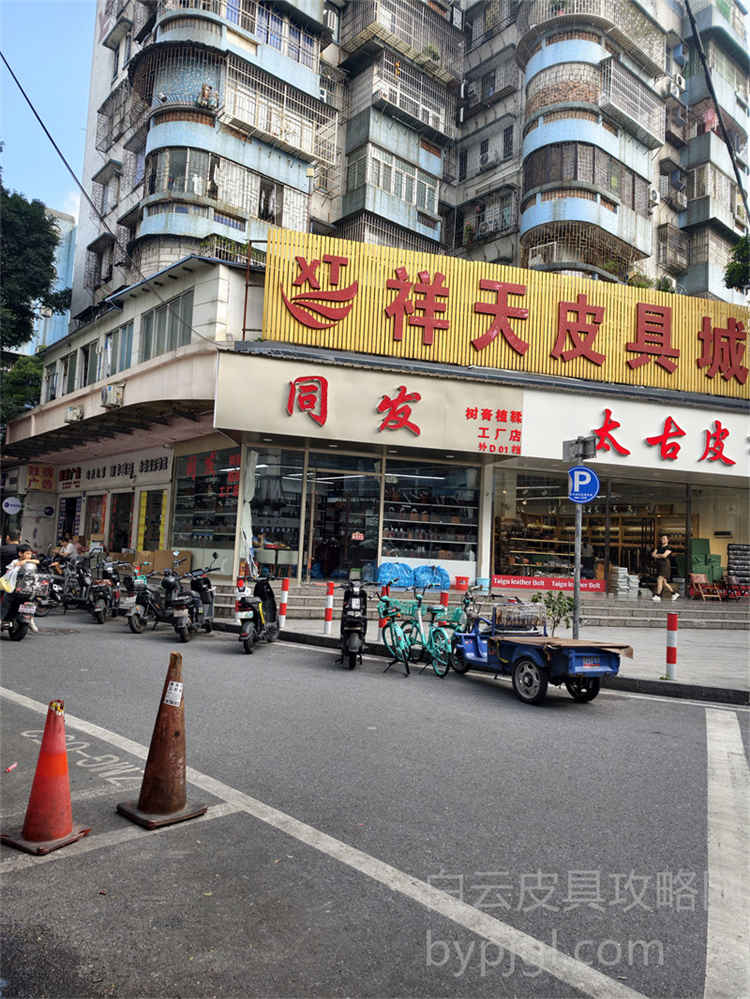
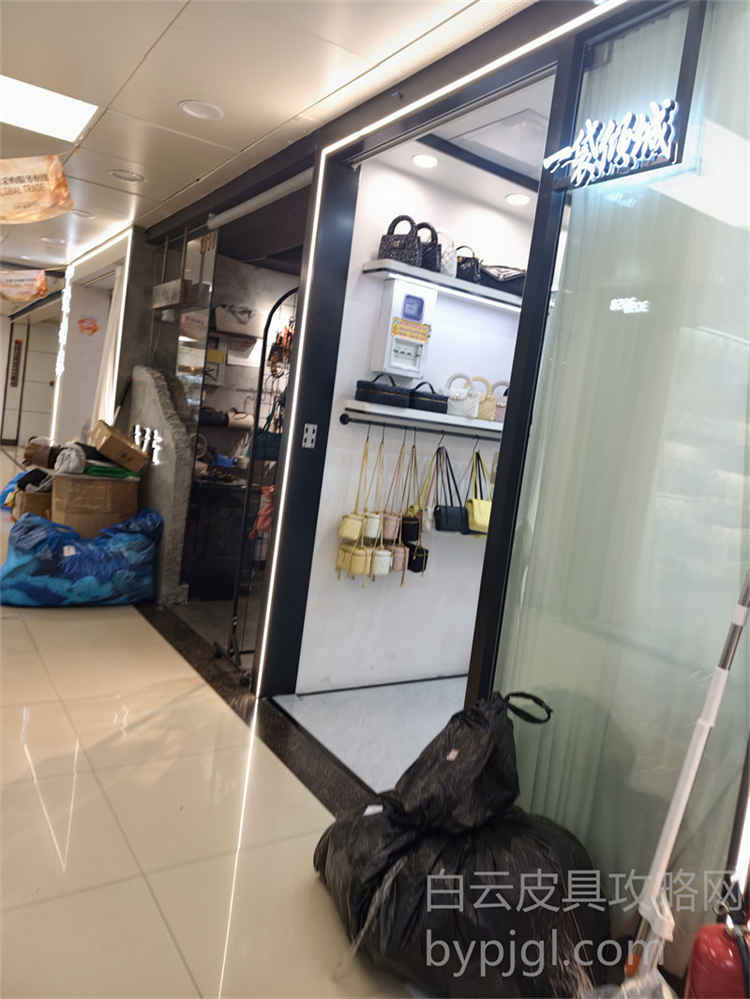
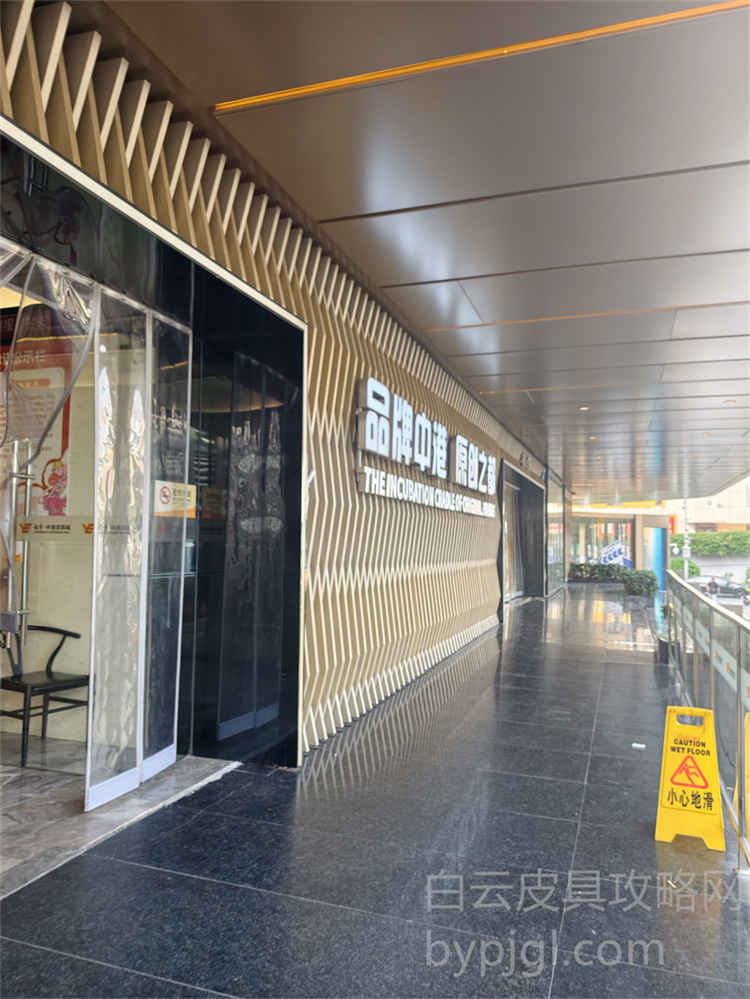
When you arrive at the airport, forget about the fancy hotels for now. Head straight to the Baiyun Leather City area. It is not a single building; it is a sprawling ecosystem of interconnected malls like Qianwan, Zhongda, and the newer, more upscale structures nearby. As a local owner, I can tell you that the vibe changes depending on which door you enter. Some buildings cater to tourists with flashy displays, while others are strictly business-to-business. Do not be fooled by the front-facing shops. The real action happens in the back rooms, where the inventory is stacked floor to ceiling. My advice? Walk slowly. Look at the stitching, feel the weight of the hardware, and ignore the sales pitch until you have seen the actual product.
Navigating the Market: Where to Find Quality
You might hear people talk about specific brands, but here we do not say those names. We talk about quality tiers. In my experience, there are three main levels of production in this district. The lowest tier is the "market grade," which you should avoid if you want anything durable. Then you have the mid-range, which is decent but often lacks consistency. Finally, there is the top-tier production, often referred to as the "original factory" line. These are the items made in the same workshops that produce for major international labels, sometimes even using the same leather suppliers. Finding these requires patience and a good eye.
Differentiating the Tiers
When I show a client around, I always start by asking them what they value most. Is it the smell of the leather? The precision of the stitching? Or the durability of the zipper? In the high-end sections of Baiyun, you will find vendors who specialize in vegetable-tanned hides that age beautifully. They will show you samples that feel heavy and substantial, unlike the flimsy synthetic materials found in cheaper stalls. Do not rush. A good vendor knows that trust is built over time. If someone pushes you to buy immediately without letting you inspect the item thoroughly, walk away. That is a red flag.
The Art of Inspection: What to Look For
This is where most overseas buyers make mistakes. They rely on photos sent via WhatsApp, but a photo can hide a thousand sins. When you are standing in a stall, you need to become an inspector. Start with the edges. High-quality finishing involves multiple layers of edge paint that are sanded smooth. If you run your finger along the edge and it feels rough or peels, it is not worth the money. Next, check the lining. Cheap versions use thin polyester that tears easily. Good ones use soft cotton or high-grade microfiber that fits snugly inside.
Hardware and Stitching Details
The hardware is the heart of any bag. In the best stalls, the metal is solid zinc alloy or brass, plated with PVD to prevent tarnishing. Tap it with your fingernail; it should sound solid, not hollow. Look at the engraving. Even without brand names, the font and depth of any logo or stamp should be crisp and consistent. Now, look at the stitching. Count the stitches per inch. In top-tier production, the stitch count is uniform, and the thread is waxed, giving it a slight sheen. If you see loose threads, uneven spacing, or glue stains, that batch is not ready for export. I have seen clients spend hours negotiating only to realize the stitching was off by a millimeter. Never skip this step.
Negotiation and Building Relationships
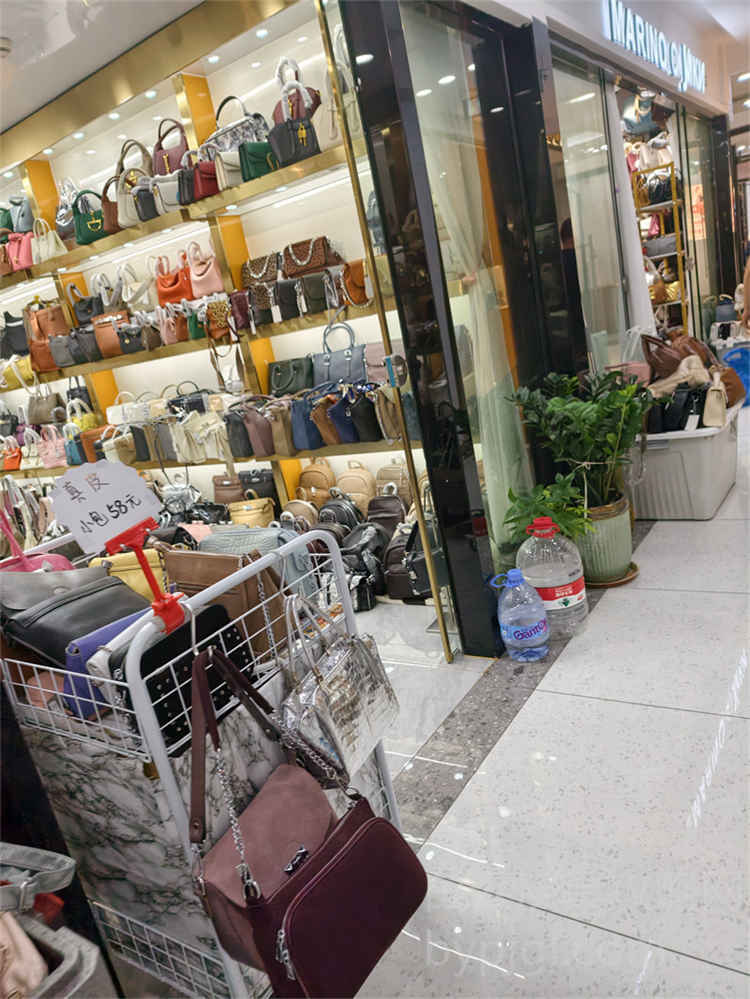
once you have identified the products you like, the negotiation begins. In Guangzhou, prices are rarely fixed. The price tag you see is often a starting point. As a veteran, I tell my regulars that the key is volume. If you are buying just one or two pieces, you will get the retail price. But if you are looking to build a stock, the margins open up significantly. Do not be afraid to ask for a discount based on quantity. However, remember that quality costs money. If a price seems too good to be true, it usually means the leather is fake or the construction is weak.
Payment and Logistics
Dealing with payments can be tricky for foreigners. Most vendors prefer WeChat Pay or Alipay, but many are familiar with bank transfers and PayPal for larger orders. Always agree on the payment method before you commit. Regarding shipping, the logistics network here is incredible. There are forwarders right outside the markets who handle everything from customs clearance to air freight. Do not try to ship small parcels yourself unless you know the rules. Work with a trusted forwarder who has experience with leather goods. They know how to pack the bags so they do not get crushed during transit and how to declare the value correctly to avoid issues at customs.
Avoiding Common Pitfalls
There are traps everywhere in this market. One common scam is the "sample swap." You inspect a beautiful bag, pay for it, and then receive a slightly inferior version later. To avoid this, insist on taking photos or videos of the exact serial number or unique marking on the bag you are paying for before you leave the stall. Another issue is the "rush order." Vendors might promise you can get 500 units in three days. Be skeptical. High-quality production takes time. If they promise impossible timelines, they are likely cutting corners. Always build in a buffer for production delays.
Trust Your Instincts
Finally, trust your gut. If a vendor is pushy, evasive, or refuses to let you touch the product, move on. The market is huge, and there are thousands of other stalls. Take your time. Visit different buildings, compare notes, and talk to other buyers. The more you learn, the better deals you will find. This industry runs on relationships. If you treat vendors with respect and pay fairly, they will treat you well and keep you informed about new arrivals. Come back next season, and you will see how the market evolves. It is a living, breathing entity that rewards the curious and punishes the careless.