Walking the Floors: My Real Talk on Sourcing from Guangzhou
I have been standing behind this counter in the Baiyun District for over fifteen years. While you might see me as just another vendor pushing leather goods, I am actually a local who has watched this entire industry evolve from small workshops to a massive global supply chain. If you are reading this because you are planning a trip to Guangzhou to source bags, let me tell you something first: do not expect what you see on Google Maps or read in travel blogs. The reality is gritty, loud, and incredibly fast-paced. Most tourists walk into the big malls like the World Trade Center or the Da Dong, get overwhelmed by the noise, and leave with nothing but a headache. But if you know how to navigate the back alleys and talk to the right people, you can find quality that rivals anything you have ever seen.
The First Rule: Leave Your Expectations at the Door
When you step off the bus at the Baiyun International Leather City, the first thing you need to understand is that this is not a retail store. There are no price tags hanging on the racks, and there is no "one size fits all" customer service. You are entering a wholesale ecosystem where everything is negotiable. Many overseas buyers make the mistake of walking in looking for a single bag to try on. They will be ignored immediately. The vendors here deal in volume. To get serious attention, you need to show up with the mindset of a buyer, not a shopper. Bring your business card, even if it is just a digital one on your phone, and dress professionally. We respect those who treat this as a business transaction.
Navigating the Market Maze: Where to Actually Go
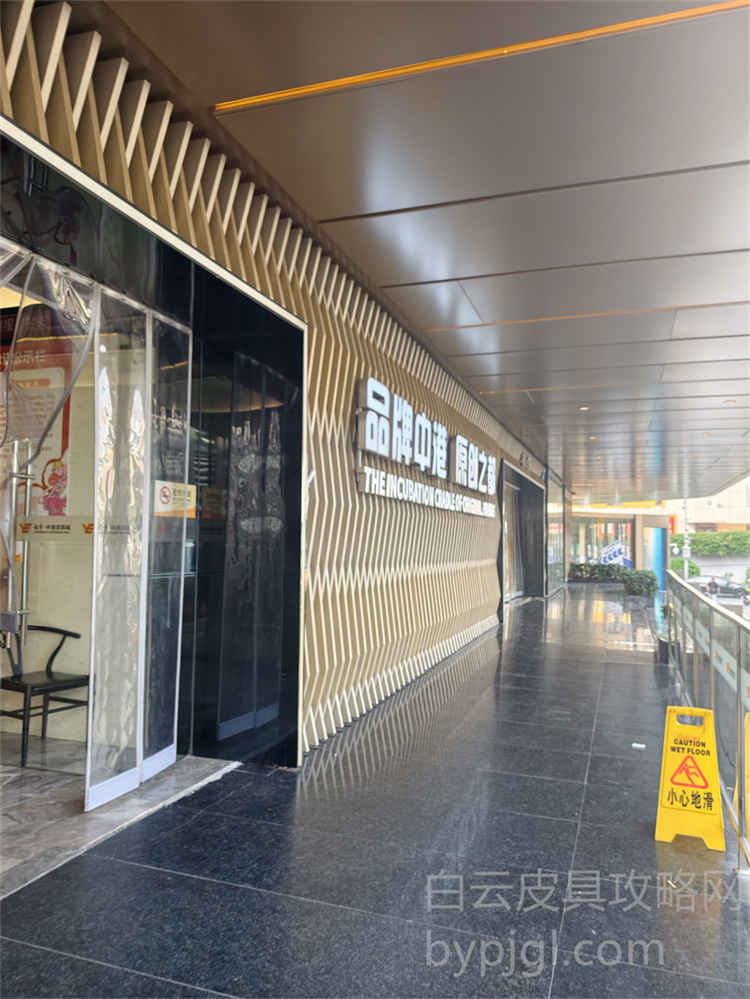
Guangzhou has several markets, but if you want the real deal, you need to focus on the core cluster around the Baiyun District. The most famous spot is the World Trade Center, often called the "Baiyun Leather City." It is huge, with dozens of floors packed with hundreds of stalls. However, do not think that every floor is equal. The lower floors are often filled with lower-end goods meant for mass export to developing regions. If you are looking for high-quality materials and superior craftsmanship, you need to head to the upper floors or explore the newer buildings nearby like the Zhongda or the specific annexes that house the top-tier manufacturers.
Finding the Right Stall Among the Noise
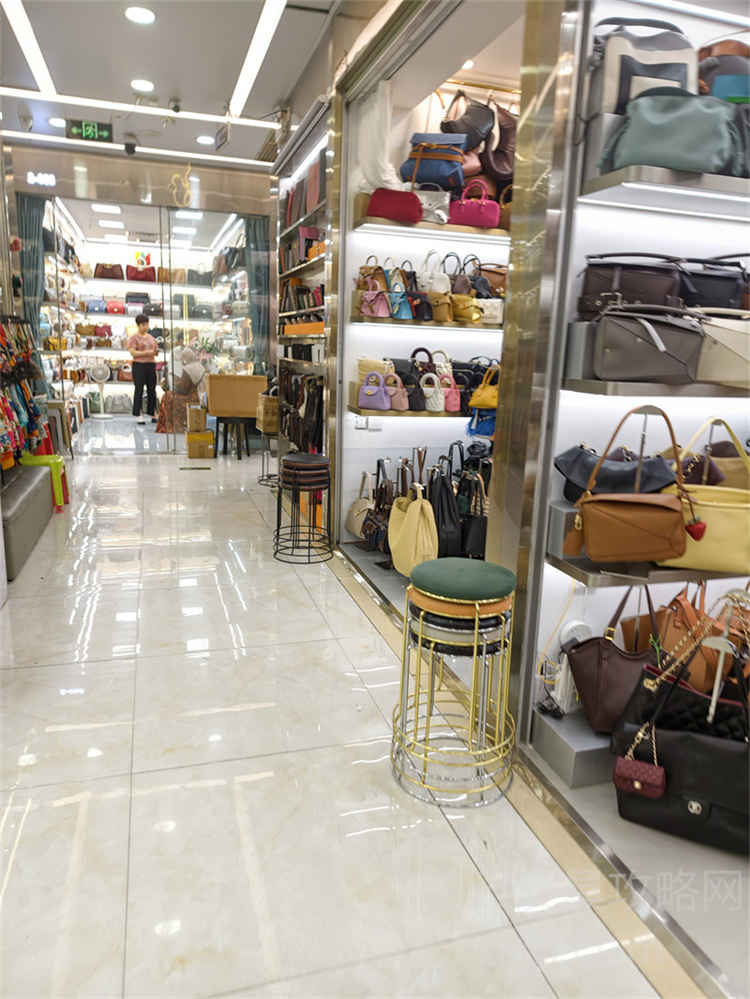
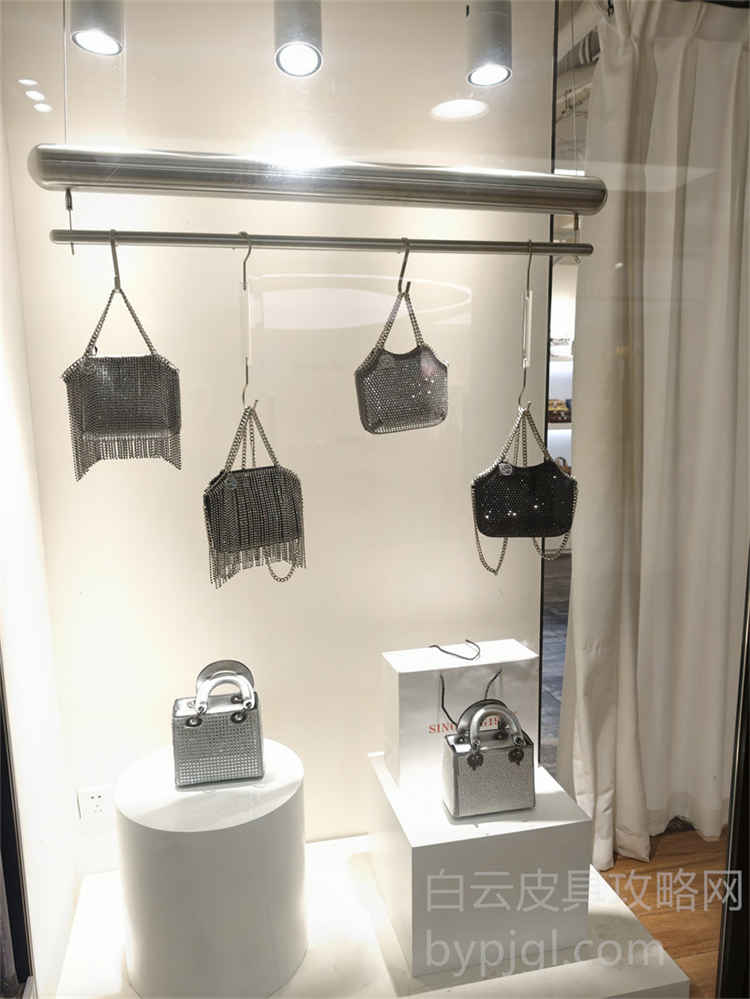
once inside, you will feel lost. That is normal. The layout changes slightly every year as new brands move in. My advice is to look for the stalls that have samples displayed neatly rather than piled up. A messy stall usually means they are moving stock quickly without caring about presentation. Look for the ones that have multiple sizes of the same model, different colorways, and perhaps some raw leather swatches on the table. These are the signs of a serious manufacturer or a high-level distributor. Do not waste time on the stalls that scream "cheap" or offer prices that seem too good to be true. In this market, if the price is suspiciously low, the leather is likely synthetic, and the stitching will fall apart within a month.
The Art of Inspection: Seeing What Others Miss
This is where the real work begins. When you approach a stall owner, do not just ask for the catalog. Ask to see the actual product in hand. In my experience, many buyers are afraid to touch the merchandise, thinking it is rude or that they might break something. Nothing could be further from the truth. We want you to inspect our goods. Run your fingers over the grain. Check the smell of the leather. High-quality cowhide or lambskin should have a distinct, natural scent, not the chemical smell of cheap plastic or glue. Pay close attention to the hardware. Does the zipper glide smoothly? Is the metal heavy and solid, or does it feel light and hollow?
Checking the Details That Matter
Look at the stitching. This is the easiest way to spot a fake or a low-quality copy. The stitches should be straight, consistent, and tight. There should be no loose threads or uneven spacing. If you see sloppy stitching, walk away. Also, check the lining. A well-made bag will have a clean, durable lining that matches the exterior quality. Some vendors try to hide poor construction by using fancy linings, but the structure of the bag itself tells the truth. Hold the bag up and shake it gently. Does it hold its shape, or does it sag? The internal structure and the padding are crucial for longevity. If you are buying for resale, these details are what your customers will notice first.
Negotiation and Logistics: Closing the Deal
once you have selected your items, the negotiation starts. Do not be shy about asking for a discount, but remember that we operate on thin margins when dealing with bulk orders. Start by asking for the wholesale price, not the retail price. If you are buying a large quantity, you have leverage. Be clear about your requirements regarding packaging. Do you need custom boxes? Do you need specific labeling? These details can affect the final price. We are flexible, but we need to know exactly what you need so we can prepare accordingly.
Shipping and Payment Safety
Payment is always done via bank transfer or trusted third-party platforms. Never send money directly to a personal account without a contract. For shipping, we can handle everything for you. Whether you need air freight for speed or sea freight for cost efficiency, we have connections with reliable logistics companies that specialize in international shipping from Guangzhou. Just give us your destination address and your preferred timeline. We will pack the goods securely to prevent any damage during transit. Remember, communication is key. Keep in touch with your contact person throughout the process to ensure everything goes smoothly.
Avoiding Pitfalls: Lessons Learned Over the Years
There are many scams in this market, mostly targeting inexperienced buyers. One common trick is to show you a perfect sample and then send you a different, inferior product. To avoid this, always specify the exact serial number or photo reference of the item you inspected before paying. Another issue is the "rush order" fee. Sometimes vendors claim they can deliver faster for an extra charge, but this is often unnecessary. Stick to the agreed timeline unless there is a genuine emergency. Finally, trust your gut. If something feels off, if the vendor is pushy or evasive, move on. There are plenty of other stalls in the Baiyun District waiting for your business.
Building Long-Term Relationships
The best strategy is not just to buy once and leave. Build a relationship with your supplier. Visit them regularly, bring feedback, and show loyalty. When you become a regular customer, you get priority treatment. We will notify you of new arrivals first, offer better pricing, and help you solve any issues that arise. This market runs on trust and reputation. If you treat us with respect and professionalism, we will treat you the same way. Come back next season, and you will see the difference a long-term partnership makes.