Stepping Into the Heart of Guangzhou's Leather Trade
Welcome to the real deal. I've been standing behind my counter in Baiyun District for over fifteen years, watching the tide of buyers come and go. You might have heard rumors about "cheap bags" or seen endless listings online, but nothing compares to walking into the actual market yourself. If you are an overseas buyer looking for genuine wholesale sources, let me tell you: the magic isn't in a website; it is in the dust, the noise, and the sheer volume of leather goods stacked floor-to-ceiling in these massive buildings.
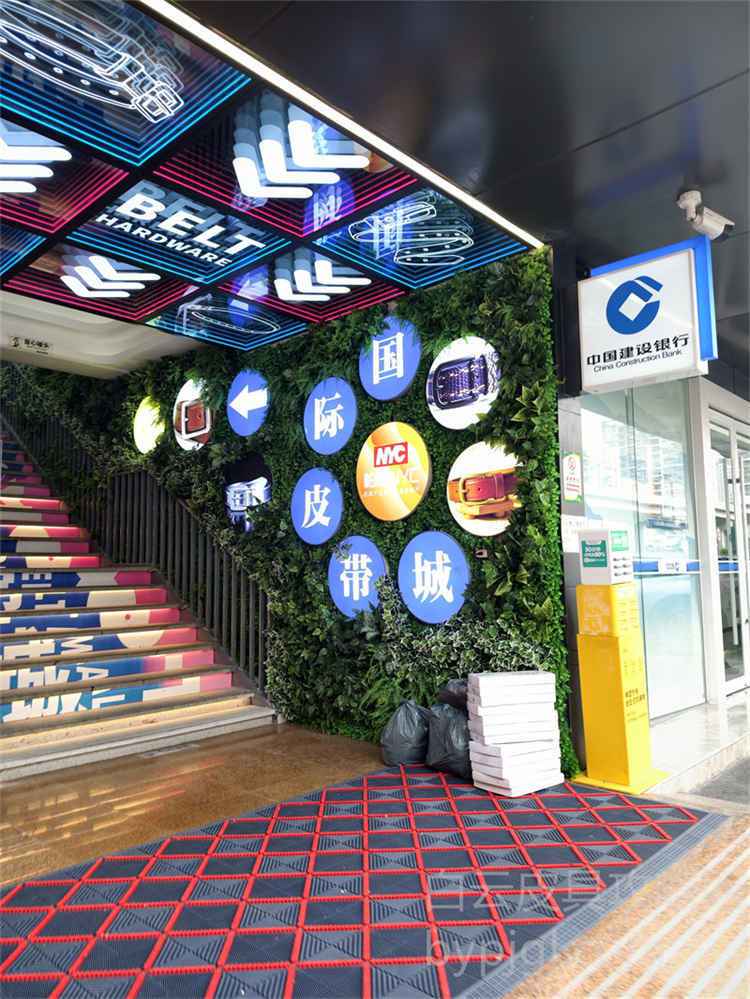
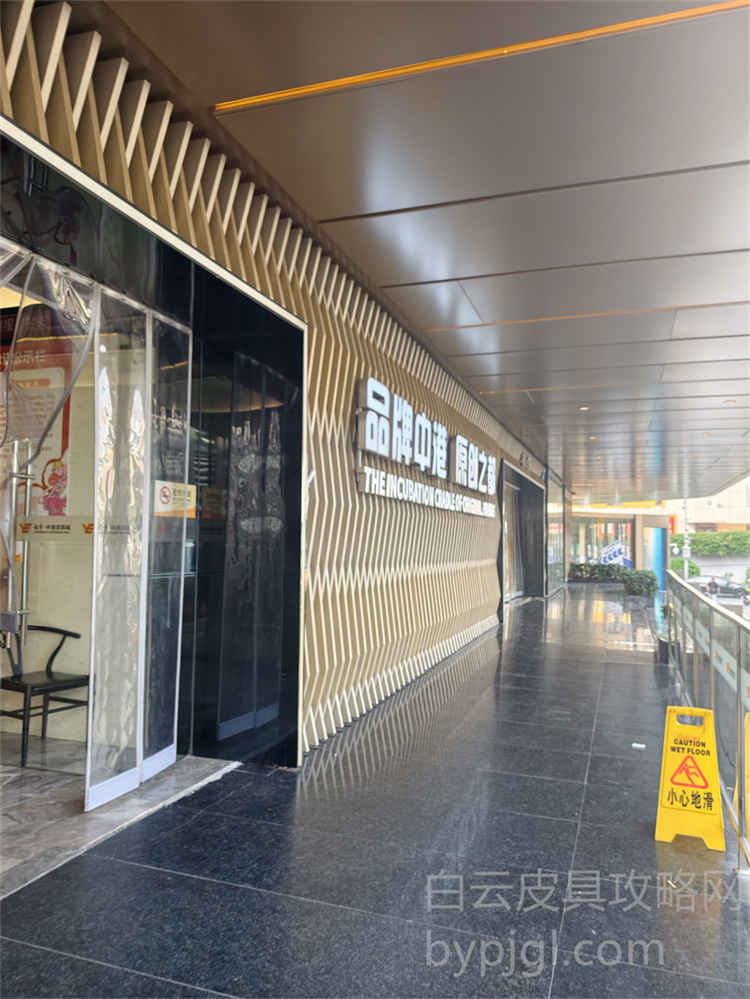
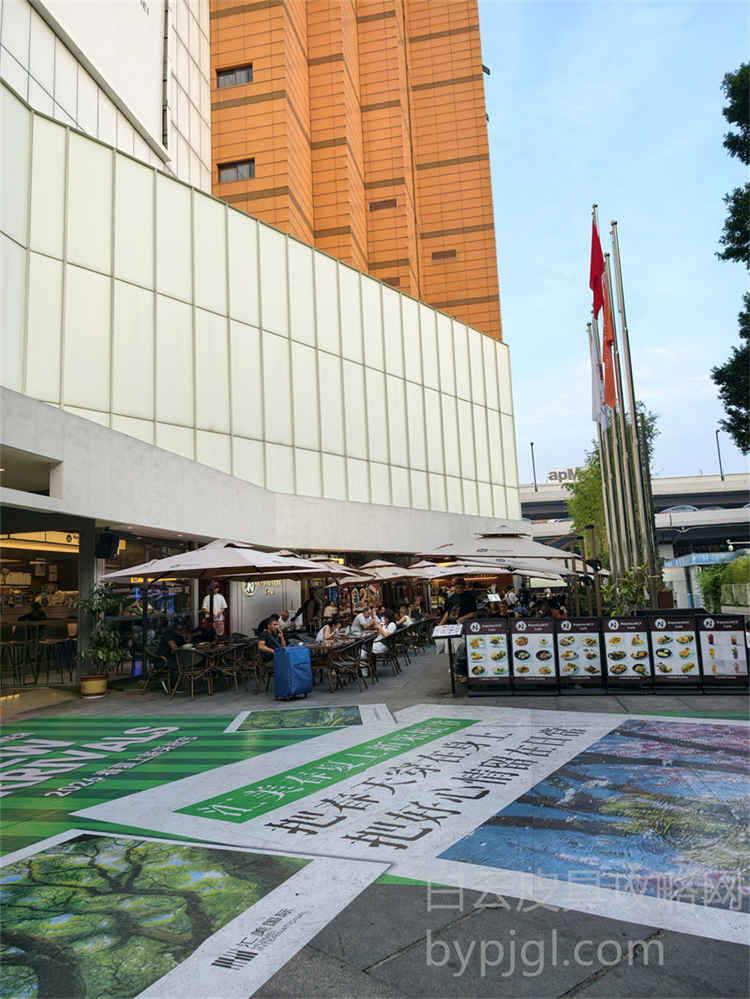
The first thing you need to understand is that this isn't a shopping mall experience. There are no polite salespeople waiting with a clipboard. This is a high-speed, high-volume trading hub where deals happen in minutes. When you walk through the main gates of the major wholesale complexes near Jiahe Wanggang, you are entering a world where inventory moves faster than you can blink. My job has always been to help serious buyers navigate this chaos without getting lost or ripped off.
Navigating the Market Layout and Finding Your Way
Understanding the Zones
When you arrive, do not just wander aimlessly. The market is divided into distinct zones, each with its own specialty. Some buildings focus on high-end materials and intricate stitching, while others cater to mass-market trends and budget-friendly options. As a local veteran, I advise you to start at the ground floors of the most prominent buildings, like those around the Jiahe Wanggang area, where the most reputable suppliers keep their flagship showrooms.
You will see rows upon rows of tables covered in colorful handbags. Do not be intimidated by the sheer number of styles. Many new buyers get overwhelmed and end up buying from the first stall they see, which is often a mistake. Take your time. Walk the entire perimeter of the building before making a single inquiry. Look for stalls that have organized displays rather than piles of bags thrown on the floor. A tidy shop usually indicates a supplier who cares about quality control and brand reputation.
The Art of Inspection: What to Look For Before You Buy
Checking Materials and Hardware
This is where the real work begins. In my shop, we don't just show you the pretty pictures; we pull out the actual stock so you can feel the weight and texture. When inspecting a bag, ignore the logo for a moment and focus on the leather grain. Real leather has imperfections and a specific smell that synthetic materials simply cannot mimic. Run your fingers along the edges. Are they finished neatly? Is there any glue residue?
Next, check the hardware. Zippers should glide smoothly without catching. Buckles should feel solid, not hollow or lightweight. In the past, many buyers were fooled by shiny, cheap-looking metal that tarnished after a week. We use brass and zinc alloy plating that resists oxidation. Ask to see the inside lining as well. A good supplier will never hide the interior construction because they know it speaks volumes about the product's durability. If the lining is loose or the stitching is uneven, walk away immediately.
Building Relationships and Negotiating Terms
Talking Like a Partner
One of the biggest mistakes foreign buyers make is treating every transaction as a one-off purchase. In Guangzhou, business is built on relationships. If you come back next season, you want the same owner to remember you. Start by asking questions about the production cycle and lead times. Show that you understand the industry. Don't just ask, "How much?" Instead, ask, "What is the minimum order quantity for this style, and what is the price break at 50 units versus 100 units?"
Negotiation here is expected, but it must be respectful. Never try to lowball a supplier aggressively. They know the cost of raw materials and labor better than anyone. If you offer a price that is too low, they will either refuse or cut corners on quality. A fair negotiation focuses on volume and long-term partnership. once you establish trust, you might find that they give you access to samples before they hit the general market, giving you a head start on trends.
Avoiding Common Pitfalls and Ensuring Smooth Logistics
Quality Control and Shipping
Even with the best intentions, things can go wrong. That is why I always recommend doing a final inspection before leaving the stall. Count every item. Check for color variations between batches. Sometimes, a factory might mix up shades if the order is large. Do not rely on the seller's word alone; count them yourself. Also, verify the packaging. Bags should be stuffed with paper to maintain shape and wrapped in protective plastic to prevent scratches during transit.
Logistics is another critical factor. Most suppliers in Baiyun have established relationships with freight forwarders who specialize in international shipping. They can handle customs documentation and consolidate your orders from different stalls into one shipment. However, do not leave this entirely to chance. Clarify who pays for insurance and how delays are handled. If you are importing large quantities, having a reliable agent on the ground in Guangzhou can save you thousands of dollars in potential headaches.
Final Thoughts on Sourcing Success
Sourcing from Guangzhou is not easy, but it is incredibly rewarding if you approach it with the right mindset. It requires patience, observation, and a willingness to learn the local language of trade. By visiting the physical markets, touching the products, and building genuine connections with the owners, you gain an advantage that online platforms simply cannot provide. Remember, the goal is not just to buy cheap bags, but to source high-quality goods that will satisfy your customers and build your brand's reputation. Keep your eyes open, trust your instincts, and enjoy the vibrant energy of the Baiyun leather district.