Walking the Floors: My Real Talk on Sourcing Bags in Guangzhou
I have been standing behind this counter in the Baiyun District for over fifteen years. While you might see me as just another vendor, I am actually a local who has watched this industry evolve from small workshops to a massive global supply chain. If you are an overseas buyer planning to visit Guangzhou, forget what you read on generic travel blogs. The real story is about the sweat, the noise, and the specific tricks of the trade that happen inside these concrete buildings. Let me walk you through exactly how to navigate the leather goods wholesale markets here without getting lost or ripped off.
The First Step: Knowing Where You Are Going
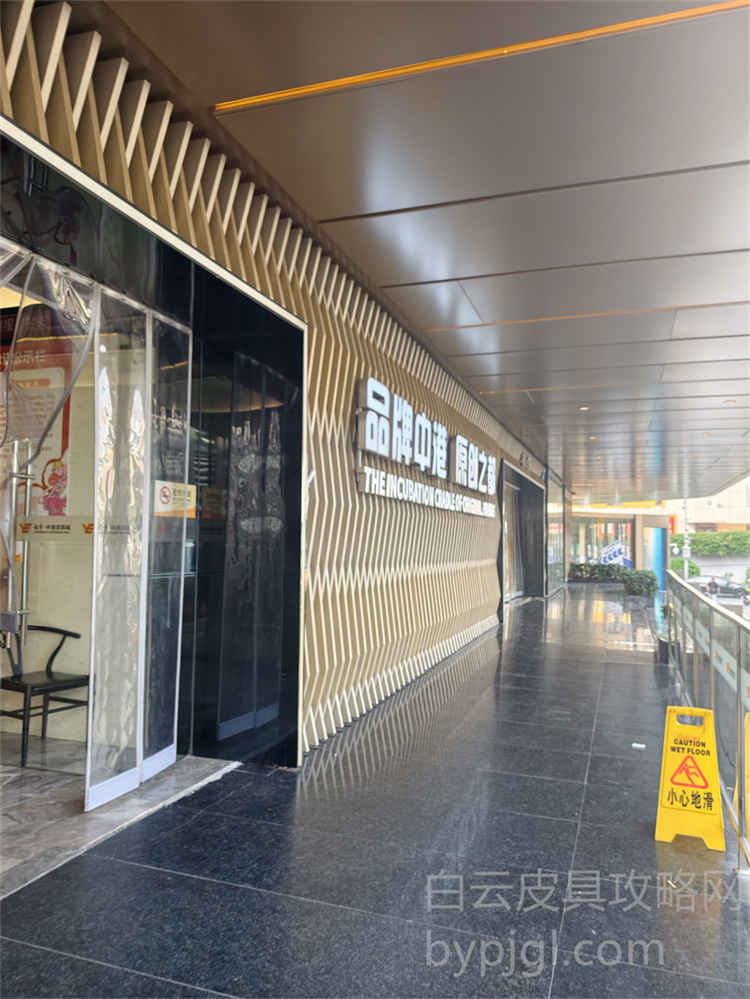
Most first-timers make the mistake of showing up at the main entrance of the Baiyun Leather City and expecting to find everything they need immediately. That is a trap. This complex is huge, with dozens of interconnected buildings. The ground floor is often filled with tourists looking for "cheap" items, while the upper floors are where the serious business happens. When you arrive, head straight for the higher levels. The vendors there deal with export orders daily and understand international standards. Do not waste time haggling with street-side pushcart sellers; they do not have the stock volume or quality consistency you need for a real business. Look for signs that say "Wholesale Only" or "Factory Direct."
Scanning the Floor: How to Spot Quality Without Asking Too Many Questions
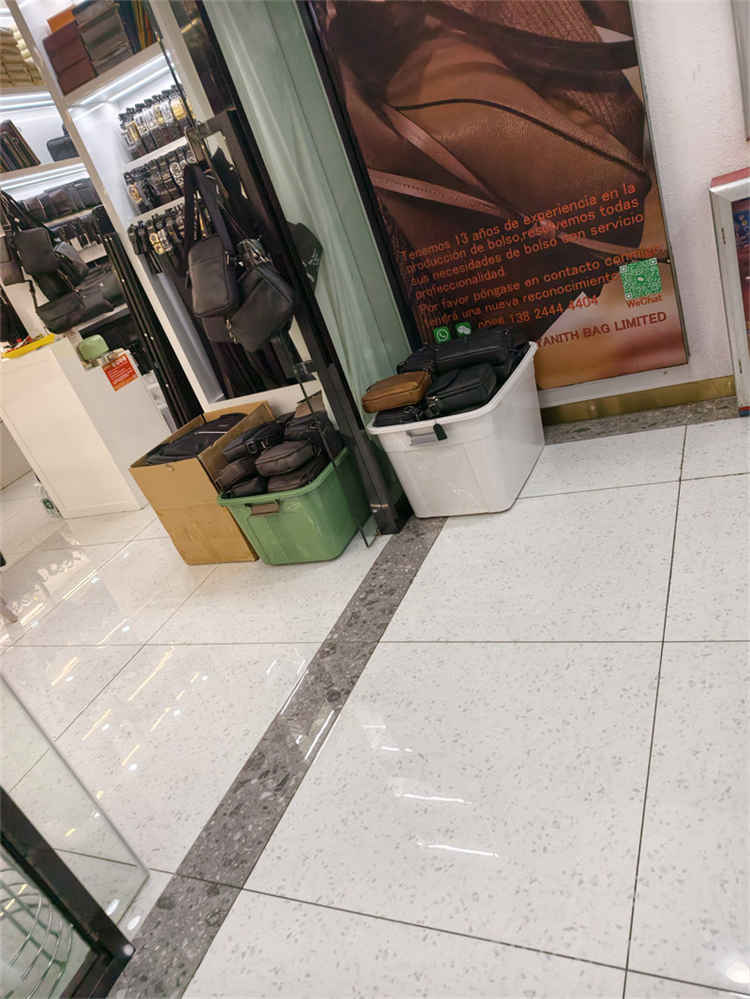
When you walk into a stall, your eyes should be doing the heavy lifting before your mouth opens. In Guangzhou, the best way to vet a supplier is by observing their inventory layout. A genuine high-volume wholesaler will have stacks of bags organized by style, color, and material grade. If the bags are thrown in a messy pile or if the display looks sparse, move on. Pay close attention to the stitching. In our market, we pride ourselves on tight, even stitches. Look for loose threads or uneven spacing; that is an immediate red flag. Also, check the hardware. Does the zipper glide smoothly? Is the metal plating thick, or does it look like thin foil that will peel after a week? We use solid brass and zinc alloy for durability, so run your finger over the clasps. If it feels light and cheap, it is not coming from my warehouse.
Negotiating Like a Pro: The Art of the Deal
Here is a secret many foreign buyers miss: price is never fixed until you show you know the product. Do not start by asking, "How much?" Instead, ask, "What is your MOQ for this style?" or "Do you have different grades available?" This signals that you are a serious buyer, not a tourist. once you establish that you are looking for bulk, the conversation shifts. In Baiyun, the term "MOQ" (Minimum Order Quantity) is king. For new designs, some stalls might require 50 pieces per color, while established styles can be bought in smaller batches. Be prepared to negotiate based on volume. If you tell them you plan to order 500 units across ten styles, you will get a significantly better rate than if you only want fifty. Remember, we are partners here. If you help us move inventory, we help you with margins.
The Inspection Process: Don't Skip This Step
Before you hand over any money, you must inspect the goods. I cannot stress this enough. Even if the sample looked perfect, the production batch might differ. Open every bag you intend to buy. Check the lining fabric for tears. Smell the leather; good materials have a distinct, rich scent, while synthetic substitutes smell chemical or plastic-y. Test the zippers repeatedly. Pull the handles hard to ensure the stitching holds. In our experience, many buyers skip this because they trust the photos sent via WhatsApp. But photos lie; reality does not. Take your time. If you find a defect, point it out immediately. A reputable vendor in Guangzhou will replace the defective unit on the spot. If they refuse, walk away. There are thousands of other stalls right next door.
Logistics and Shipping: Getting Your Goods Home
once you have selected your stock and settled the payment, the next challenge is shipping. Most stalls in the Baiyun area do not handle international freight directly. They will pack your goods and hand them to a forwarder. These forwarders are experts in consolidating shipments from multiple vendors. You can buy from five different shops and have them all packed into one container. This saves you a fortune on logistics. Ask your vendor for a list of trusted forwarders they work with regularly. They know which companies offer the best rates for air freight versus sea freight. Air is fast but expensive; sea is slow but cost-effective for large volumes. Always insure your shipment. The journey from China to your country involves many hands, and accidents happen. Never ship without insurance.
Avoiding Common Pitfalls: What to Watch Out For
There are a few traps that catch new buyers off guard. One common issue is the "sample vs. bulk" discrepancy. Sometimes the sample you see is made with premium materials, but the bulk order uses cheaper alternatives. To avoid this, insist on a pre-production sample approval. Another pitfall is payment security. Never transfer money to a personal bank account. Use a secure platform or pay against a formal invoice. Also, be wary of vendors who promise "custom logos" for free. High-quality branding costs money. If the price seems too good to be true, it usually is. Finally, respect the local culture. Bargaining is expected, but be polite. Aggressive behavior rarely works in our market; building a relationship yields better long-term results.
Building Long-Term Relationships
My advice to you is simple: treat these vendors as friends, not just suppliers. Return visits build trust. When you come back, you are no longer a stranger; you are a partner. Vendors prioritize their regular customers when stock is low or during peak seasons. They will hold the best designs for you. In the world of leather goods, trends change fast. Having a reliable contact in Guangzhou means you get access to new styles before anyone else. So, take notes, exchange contacts, and keep the lines of communication open. This market is dynamic, and staying connected is the key to success.