Walking the Floors: A Veteran's Guide to Sourcing in Guangzhou
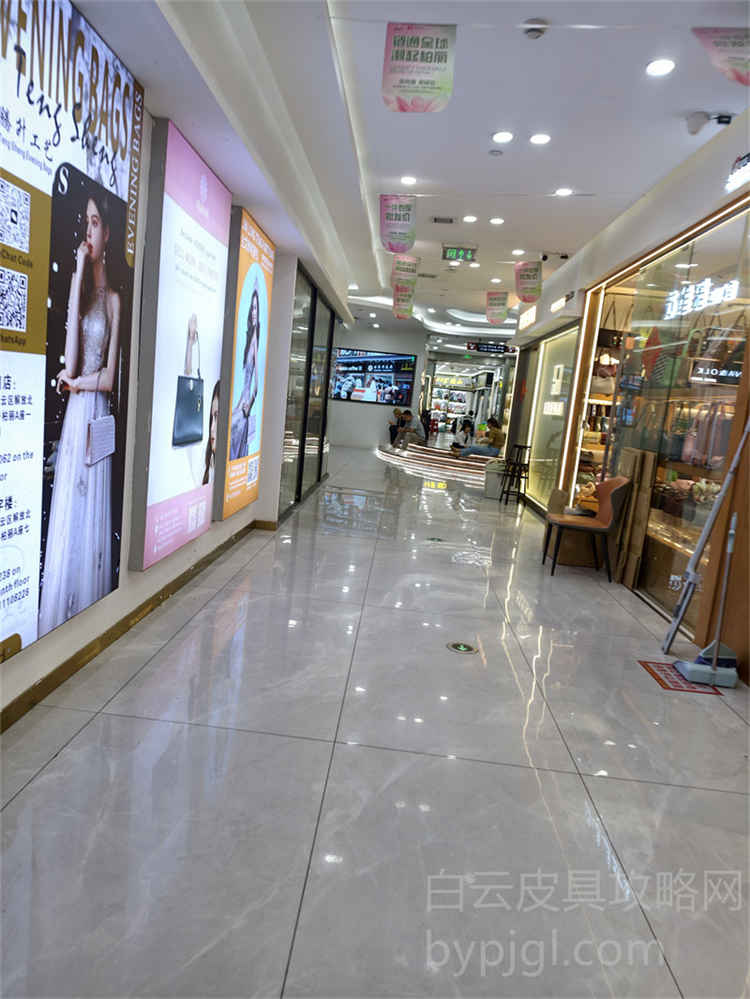
Welcome to my shop. I have been standing behind this counter in the Baiyun District for over fifteen years, watching the seasons change and the trends shift like sand in the wind. You are probably reading this because you want to find those new styles that are flying off the shelves right now. Let me tell you something straight from the horse's mouth: if you think you can just walk into a random mall and buy high-quality goods at wholesale prices, you are going to be disappointed. The real game is played in the alleys of the Baiyun Leather City, where the air smells faintly of leather glue and fresh coffee, and where the deals happen not on websites, but face-to-face.
I see so many first-timers walking through the main gates looking lost. They carry their phones with search results open, trying to match pictures they saw online. But here in Guangzhou, the inventory moves fast. What was hot yesterday might be gone by tomorrow afternoon. My advice? Leave the rigid expectations at home. Come with an open mind, a good pair of shoes, and the willingness to talk to people who know exactly what they are doing. This city runs on relationships, and once you build one, the doors open wider than you ever imagined.
Navigating the Labyrinth of Baiyun Market
The Real Layout vs. The Map
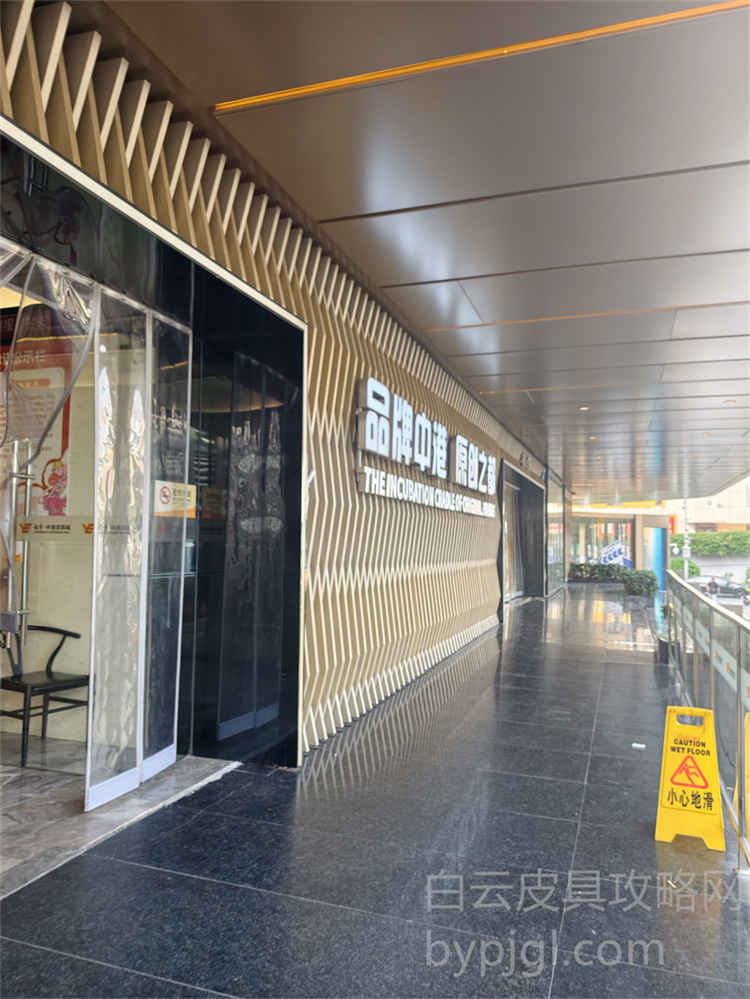
When you step into the Baiyun Leather City complex, do not rely solely on the map hanging on the wall. Those maps are often outdated or too simplified to help you find the best spots. The market is a massive maze of interconnected buildings, each with its own personality. Some floors cater to mass production, while others hide the top-tier workshops. As a local owner, I always tell my regular customers to start at the entrance of Building One and work your way up, but skip the ground floor unless you are looking for very basic items. The magic happens on the upper levels, especially around the third and fourth floors where the newer designs are kept.
You need to understand that "Baiyun" is not just one building; it is a cluster of several large complexes surrounding each other. There is the famous World Trade Center nearby, and then there are the smaller, more specialized buildings tucked away in the back streets. If you are looking for the latest arrivals, you must ask specifically about the "new style" sections. Many shops keep their newest stock hidden in the back room until they feel confident you are serious. Do not be shy about asking, "Where are the new models?" That simple question separates the tourists from the buyers.
Reading the Shop Signs
Walk past the flashy signs with big English words and focus on the ones that look a bit more understated. In our line of business, confidence does not need to shout. The shops that display their wares neatly on racks without cluttering the view usually have better quality control. Look for the stalls that have multiple sizes of the same bag displayed together. This indicates they have the stock ready for immediate shipment. If a shop only shows one sample on a mannequin, they might be waiting for an order to be placed before they even cut the fabric. We prefer to show you the actual product, not just a picture.
Another trick is to look at the materials on display. High-end sourcing requires you to inspect the grain of the leather and the stitching density. In Baiyun, we pride ourselves on using materials that mimic the texture and feel of premium goods without infringing on any trademarks. When you walk down the aisle, touch the bags. Feel the weight. Does it feel light and cheap, or does it have substance? The tactile experience is the first filter. If the leather feels stiff or plastic-like, move on. We deal in soft, supple materials that age well, and you should expect nothing less.
The Art of Selection and Negotiation
Building Trust Before Buying
Let's talk about how we actually do business. In the West, you might be used to fixed prices or quick online transactions. Here, negotiation is an art form, but it starts with trust. When you approach my counter, I do not immediately throw out a price. I ask you what you are looking for, what your target market is, and how much volume you plan to take. This helps me recommend the right products. If you are a small boutique owner, I will guide you toward our best-selling styles that have proven demand. If you are a larger distributor, we can discuss custom orders or exclusive batches.
Never try to lowball a vendor on your first visit. It signals that you are not serious and will likely get you ignored. Instead, ask for the "wholesale price" or the "dealer rate." Be polite but firm. Show that you know the market value. If you mention that you have visited other shops and compared prices, it shows you are informed. However, remember that quality costs money. If a price seems too good to be true, it usually is. We stand by our reputation, and cutting corners on materials or craftsmanship is not something we do lightly. Our goal is long-term partnerships, not one-off sales.
Inspection and Quality Control
Before you hand over any money, you must inspect the goods. This is non-negotiable. Take the bag apart, literally. Check the zippers, the handles, the lining, and the stitching. Look for loose threads or uneven spacing. In our factory, we have strict quality checks, but human error can happen. As a buyer, you are the final gatekeeper. Ask to see the internal structure. Are the pockets reinforced? Is the hardware heavy and durable, or does it feel flimsy? We use solid metal alloys for our hardware, which gives the bag a premium feel and ensures it lasts for years.
Do not rush the inspection process. Spend time with the product. Open and close the zippers dozens of times. Pull on the straps to test their strength. If you notice any defects, point them out immediately. A good supplier will offer to replace the item or give you a discount on the spot. We want you to leave happy because a happy customer comes back again and again. If you are buying a batch of fifty units, ask to see a few samples from different production runs to ensure consistency. Variations between batches are common in manufacturing, so verifying uniformity is key.
Logistics and Avoiding Common Pitfalls
Shipping and Customs Considerations
once you have selected your items and agreed on the price, the next challenge is getting them to your country. This is where many buyers make mistakes. Do not assume that shipping is straightforward. Every country has different customs regulations regarding imported goods. You need to research these rules beforehand. In Guangzhou, we work with experienced freight forwarders who specialize in international logistics. They can advise you on the best shipping methods, whether it is air freight for speed or sea freight for cost-efficiency on large volumes.
Be transparent about your destination. Hiding the true nature of the goods or undervaluing them on the invoice can lead to seizures and fines. While we do not use brand names on our packaging or invoices, we still need to declare the correct category of goods. Work with your forwarder to ensure everything is compliant. Also, consider the packaging. We use sturdy boxes to protect the bags during transit, but you may want to request additional padding if you are shipping fragile items. Communication is vital here; keep your supplier updated on any changes in your shipping address or requirements.
Red Flags to Watch Out For
Finally, let me share some warnings based on my years of experience. First, avoid anyone who insists on payment via untraceable methods like Western Union without any contract or agreement. Legitimate businesses in Baiyun operate with clear terms and conditions. Second, be wary of sellers who promise "miracle" qualities at rock-bottom prices. There is no such thing as free lunch in the leather industry. If the price is suspiciously low, the quality will suffer. Third, never pay the full amount upfront without seeing the goods or having a deposit agreement. A 30% deposit is standard, with the balance due upon inspection or before shipment.
Trust your instincts. If something feels off, walk away. The market is vast, and there are plenty of honest vendors willing to do business fairly. By following these steps and staying grounded in reality, you will find success in sourcing from Guangzhou. Remember, this is a marathon, not a sprint. Build your network, learn the ropes, and treat every transaction as an opportunity to grow your business. Welcome to the family of global traders, and let's get to work.