Walking the Floors: My Honest Take on Sourcing Top-Tier Bags in Guangzhou
I have been standing behind this counter in the Baiyun District for over fifteen years. While the tourists and newbies often ask me about "luxury brands" or "replicas," I prefer to talk about quality, craftsmanship, and the specific tier of goods we call "Grade A." If you are flying into Guangzhou with a serious intent to source high-end leather goods, forget what you read on generic blogs. The real story happens on the ground, in the dusty corridors of the wholesale markets where the air smells like fresh leather and glue.
The Reality of the Wholesale Scene
First things first: stop looking for a single shop that sells everything. The ecosystem here is built on specialization. When I say "Grade A," I am not talking about the cheap stuff you see on street corners. We are talking about materials sourced from the same tanneries as the big international houses, using hardware that doesn't tarnish after a week. In my experience, the best suppliers are tucked away in the deeper sections of the market, not the flashy storefronts near the main entrance. They don't need neon signs; their reputation travels through word-of-mouth among buyers who know how to spot a deal.
Navigating the Market Layout: Where to Start Your Hunt
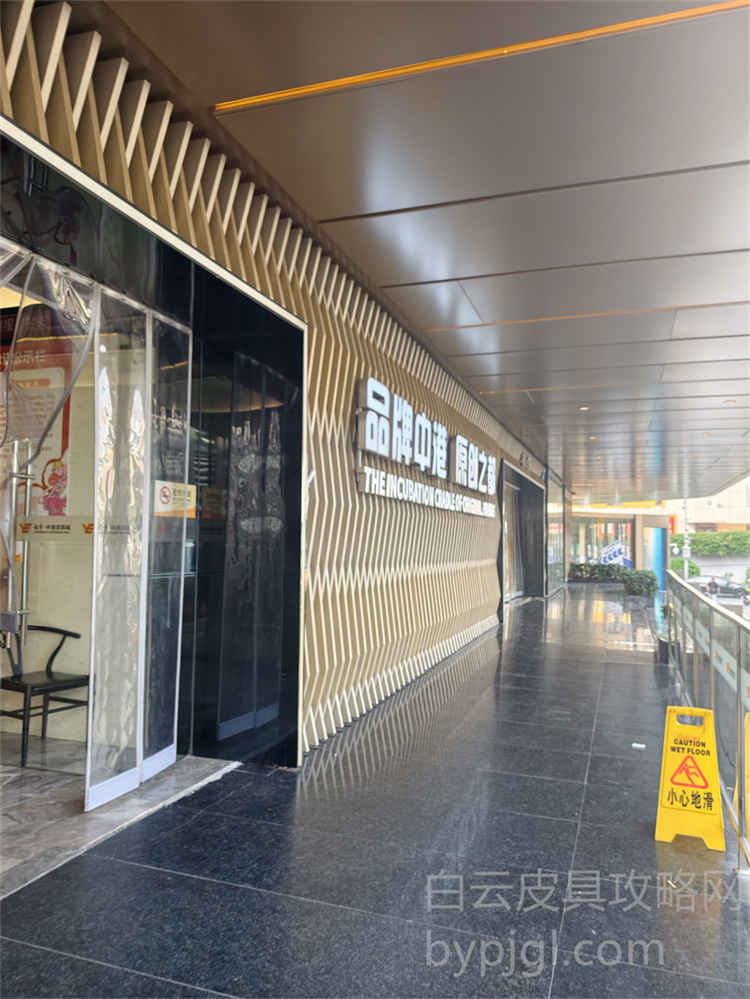
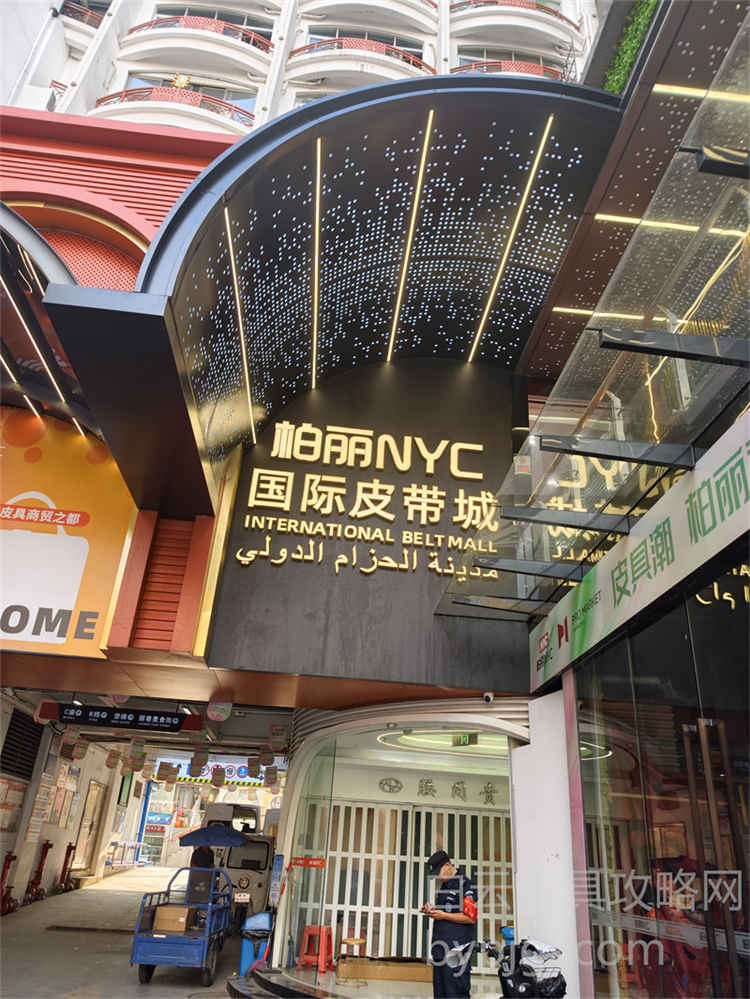
If you walk into the Baiyun Leather City without a plan, you will get lost in seconds. The layout is a maze of interconnected buildings, each housing hundreds of stalls. For someone sourcing top-tier items, I always recommend starting at the upper floors. The ground floor is often filled with lower-quality stock meant for quick turnover. The real gems are upstairs, where the owners are more selective about who they talk to.
Reading the Room Before You Speak
When you approach a stall, observe first. Look at the bags displayed on the shelves. Are they arranged neatly? Is there dust on them? High-end suppliers keep their inventory pristine because they know their customers inspect every stitch. If the bags look worn or the display is chaotic, move on. You want to find a stall where the owner is busy packing orders for regular clients. That is your signal that they have a steady flow of business and don't need to waste time on window shoppers.
The Art of Selection: What Defines "Grade A"
This is where most overseas buyers make mistakes. They assume all leather is the same. It isn't. In our trade, "Grade A" means full-grain cowhide or lambskin that has been treated to resist scratches and water. The stitching should be consistent, usually done by machines calibrated for precision, but finished by hand. The lining must be tight, with no loose threads hanging around the zippers.
Touching and Smelling the Product
You cannot judge quality just by looking at photos online. You have to touch it. Run your fingers along the edges. Does the leather feel soft yet firm? Does it smell like genuine hide or chemical solvents? A true Grade A product will have a distinct, rich leather scent. Also, check the hardware. Open the zipper. Does it glide smoothly? Tap the metal clasp. It should sound solid, not hollow. If the hardware feels light or flimsy, it's not worth the investment, no matter how good the leather looks.
Building Relationships and Negotiating Terms
In Guangzhou, business is personal. You cannot just walk up, point at a bag, and demand a price. The owners respect those who take the time to build a connection. I always start by asking about their production capacity and material sources. This shows I am a serious buyer, not a tourist. once we establish trust, we can discuss pricing. Remember, the lowest price is rarely the best value. A slightly higher price often guarantees better QC (Quality Control) and faster shipping.
Understanding MOQ and Customization
Many buyers are surprised to learn that even for high-quality goods, there might be a Minimum Order Quantity (MOQ). However, for established partners, this can be flexible. If you are planning to order a mix of styles, negotiate a blended MOQ. Don't be afraid to ask for samples before placing a bulk order. A reputable supplier will let you buy one piece to test the quality. If they refuse, run. That is a red flag. Also, clarify the payment terms. We accept secure transfers, but never send money via untraceable methods.
Inspection and Logistics: Avoiding Common Pitfalls
The final step is often the most critical. Before you leave the market, inspect the bags you intend to buy. Check for any color inconsistencies, glue stains, or misaligned patterns. Do not rely on the seller's assurance alone. Use a magnifying glass if necessary to check the stitching density. once you are satisfied, discuss packaging. Ask for individual dust bags and sturdy boxes to prevent damage during transit.
Shipping and Customs Considerations
Logistics can be tricky. Most suppliers have relationships with freight forwarders who specialize in international shipping. They can handle the paperwork, but you need to be aware of your local customs regulations. Be honest about the nature of the goods when declaring them to avoid seizures. Work with a forwarder who understands the nuances of shipping leather goods. They will advise you on the best way to pack the items to minimize weight and volume while ensuring safety.
Final Thoughts from the Floor
Sourcing in Guangzhou is an adventure that requires patience, observation, and a bit of street smarts. The market is vast, and the opportunities are endless if you know where to look. By focusing on the physical attributes of the product, building genuine relationships with the vendors, and taking the time to inspect every detail, you can find exactly what you are looking for. The "Grade A" goods we offer are a testament to the skill and dedication of the artisans here. Come with an open mind, do your homework, and you will leave with products that stand the test of time.