Why Guangzhou Remains the Global Hub for Leather Goods
I have been standing behind my counter in Guangzhou for over two decades. While the world talks about supply chains and logistics, I see something different every single day: a bustling ecosystem where quality meets speed. If you are asking where to find high-end leather goods in Guangzhou, the answer is not just one street or one mall. It is an entire district that has evolved from simple manufacturing into a sophisticated trading network. Many overseas buyers come here with a vague idea of what they want, but they often get lost in the maze of markets before finding the right spot. My goal today is to walk you through exactly how we operate on the ground, so you can skip the tourist traps and go straight to the source.
Navigating the Baiyun District: The Heart of the Trade
The Real Story Behind the Markets
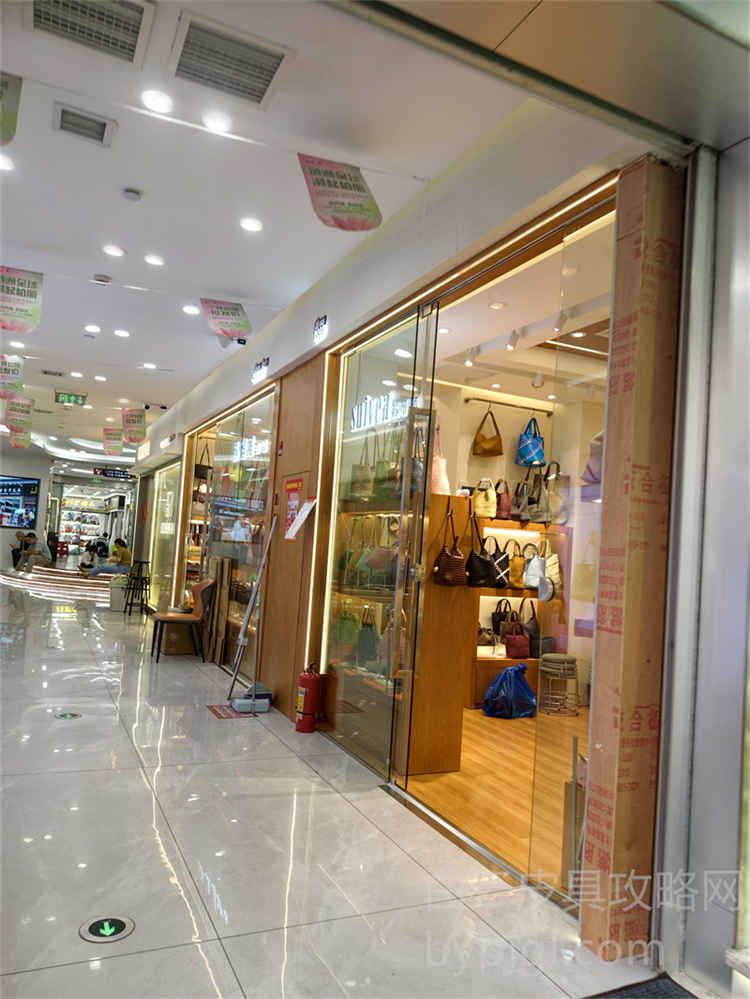
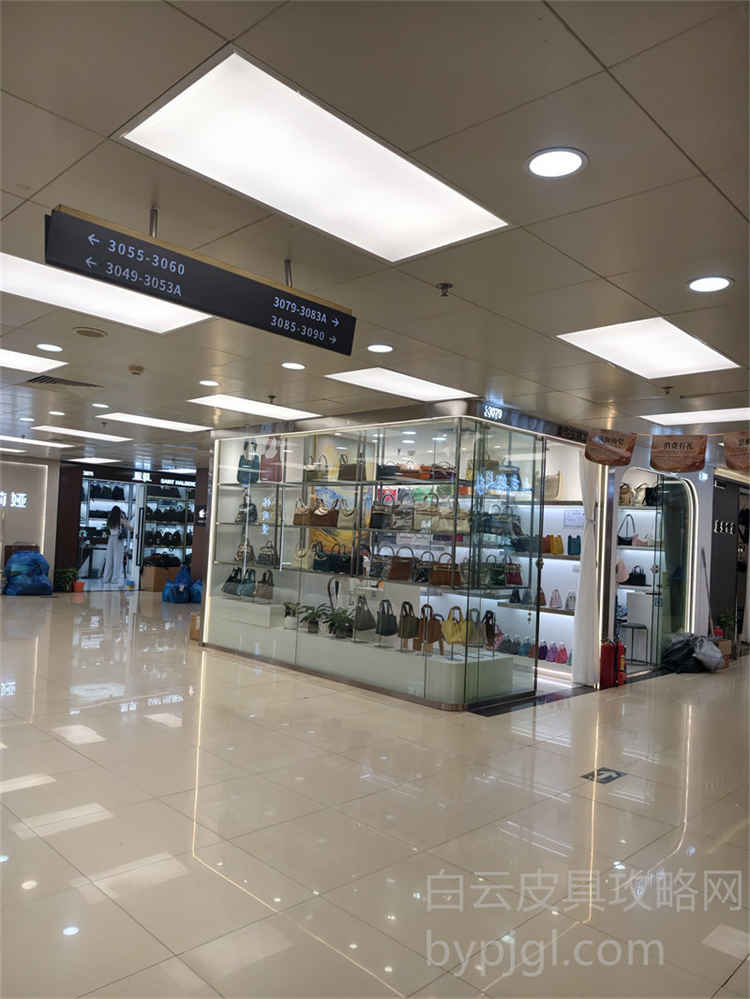
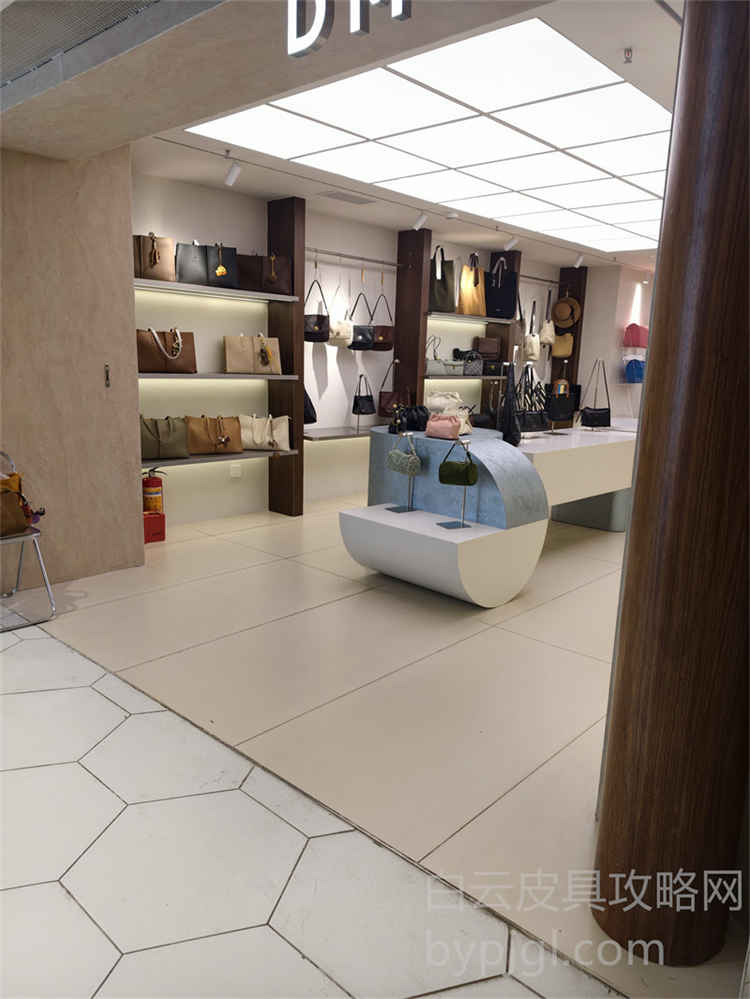
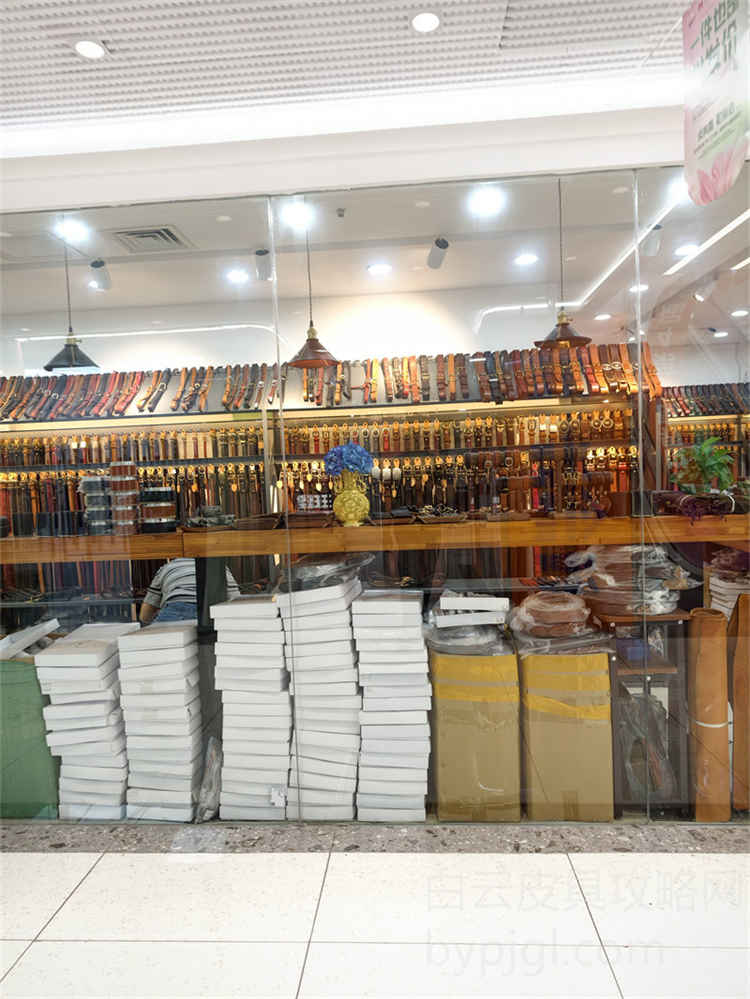
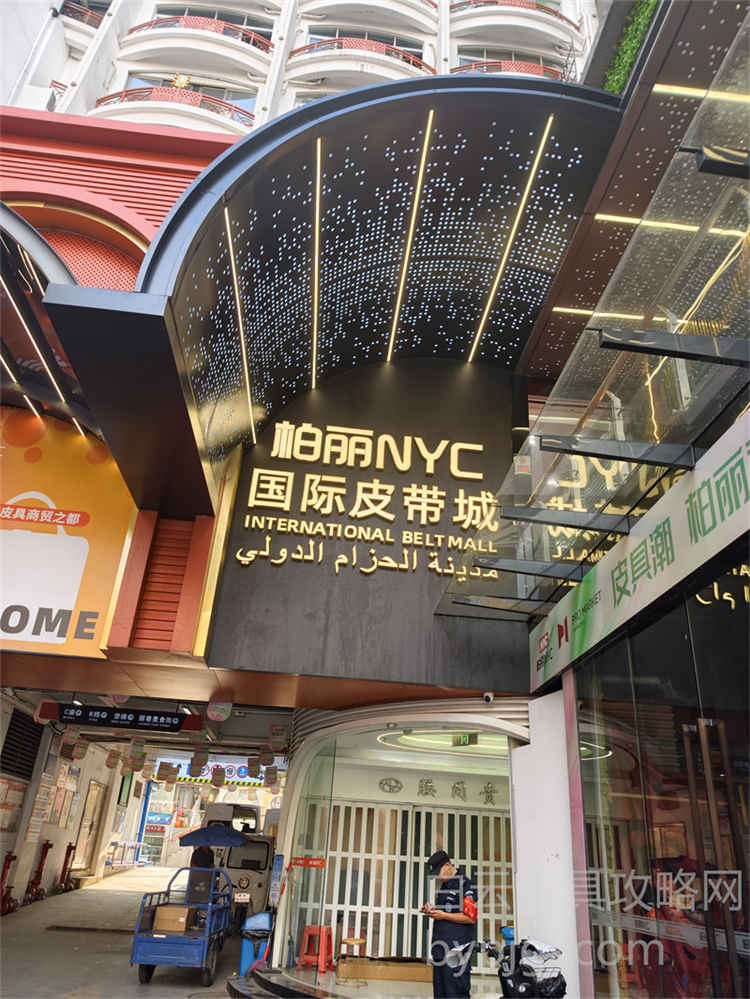
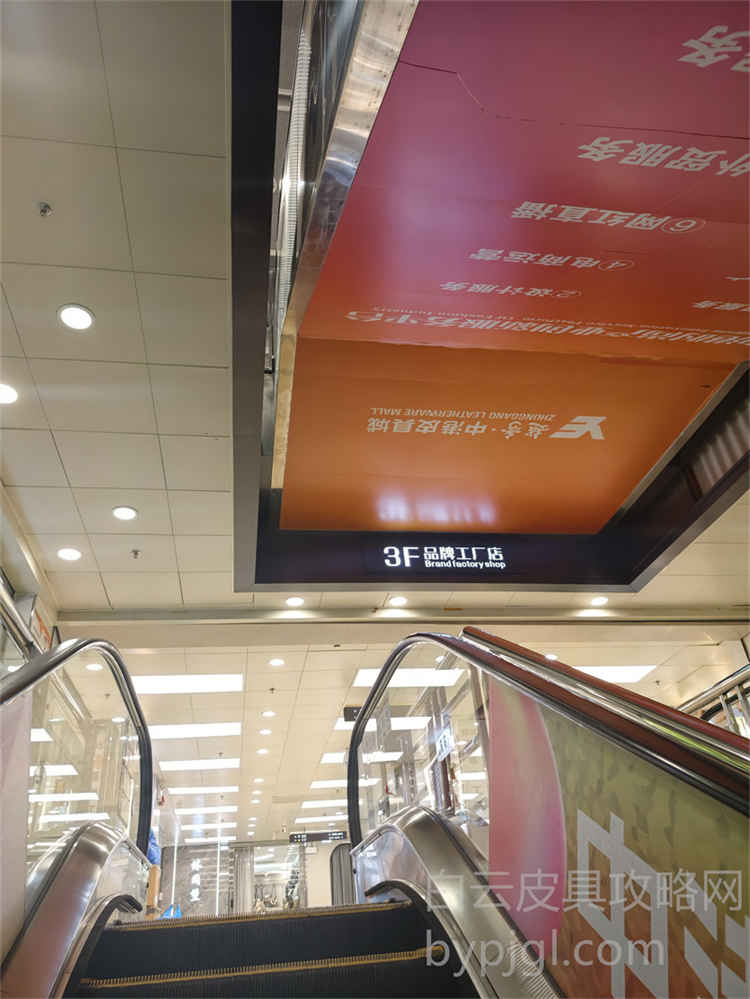
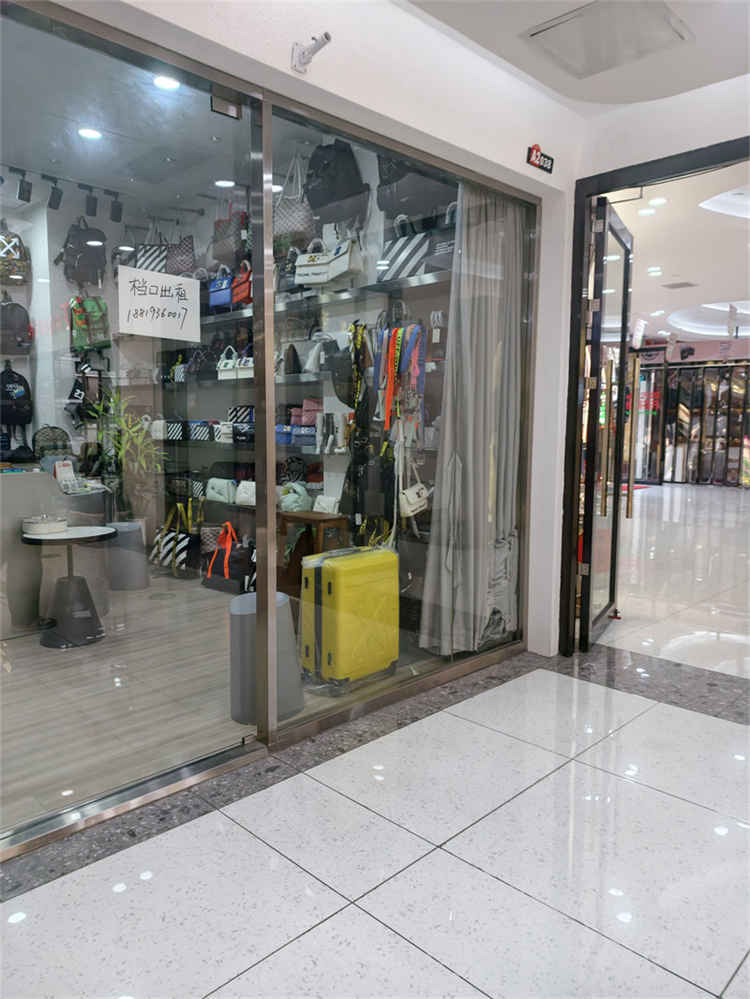
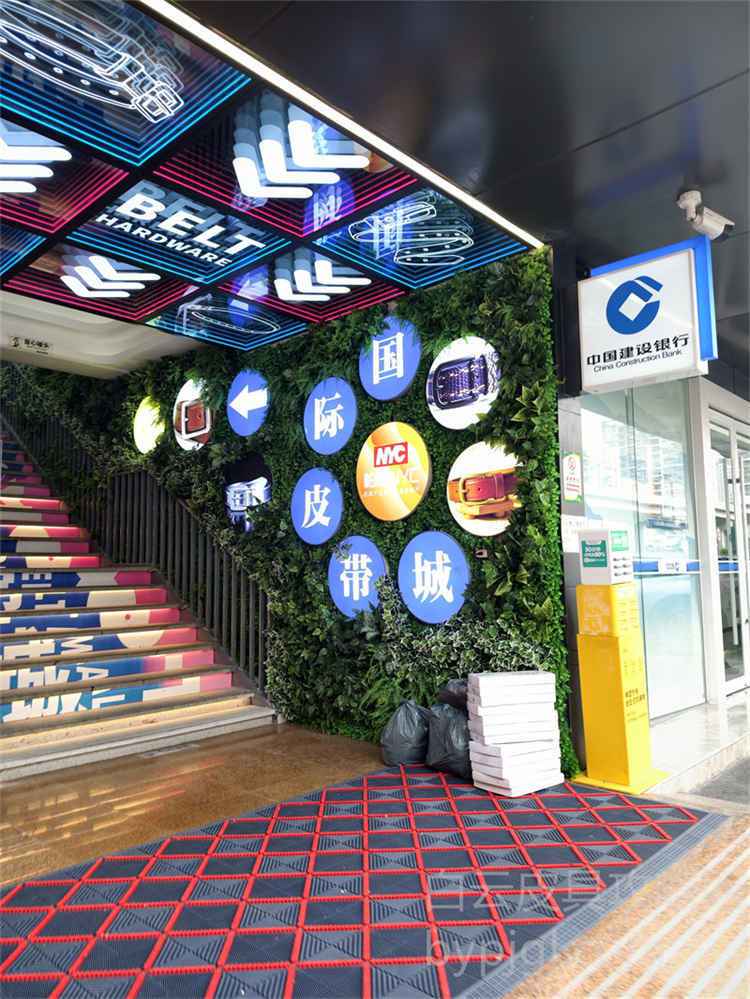
When people mention Guangzhou leather goods, they almost always point to the Baiyun District. This is where the action happens. You will hear names like Baima, Zhongda, and especially the massive complexes near the railway station. However, do not be fooled by the fancy signage. The real deals are not always in the most polished showrooms. In my experience, the best inventory is tucked away in the older buildings or the upper floors of these massive centers. These places are packed with vendors who have been doing this business since the early 90s. They know their materials inside out. If you walk in looking for "luxury replicas," you might get ignored or shown low-quality samples. But if you speak the language of craftsmanship and ask about the grade of leather, the conversation changes immediately.
Finding the Right Alleyways
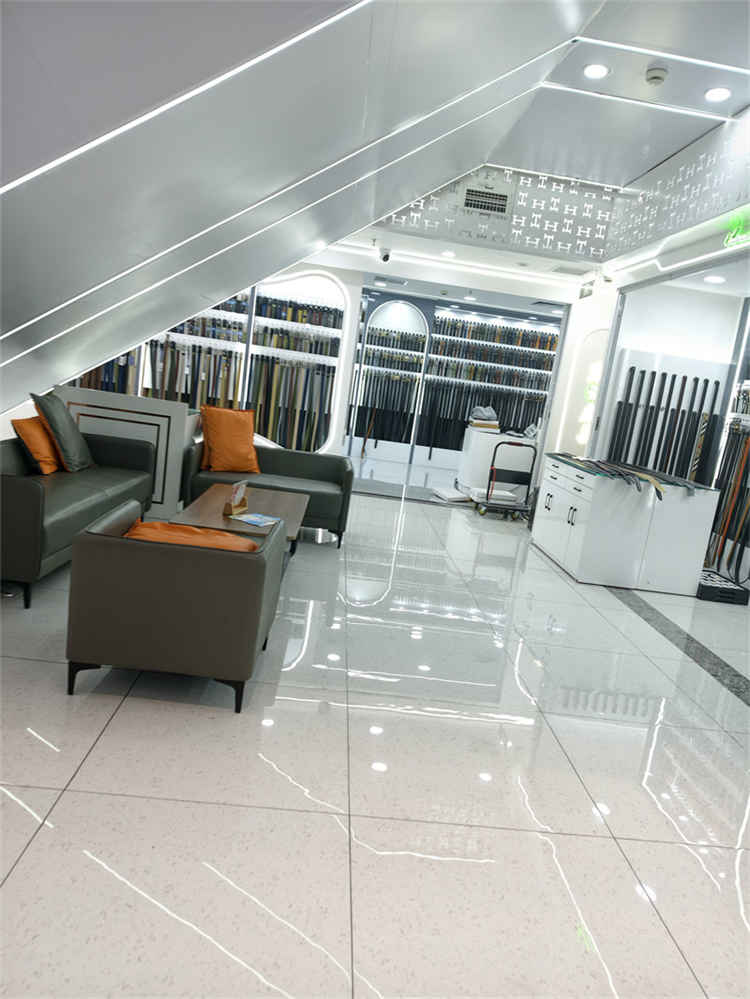
Beyond the main malls, there are smaller alleys and industrial buildings nearby that house the true factories and their direct sales offices. These locations are less crowded and offer a more serious environment for bulk purchasing. Here, you are dealing with people who understand international standards. They do not waste time with small talk; they want to discuss specifications, pricing tiers, and shipping logistics. This is where you find the items that match the highest quality benchmarks without the brand markup. The atmosphere here is raw and functional, which is exactly what you need when you are sourcing for your own business or a private collection.
The Art of Selection: What to Look For On-Site
Inspecting Materials and Stitching
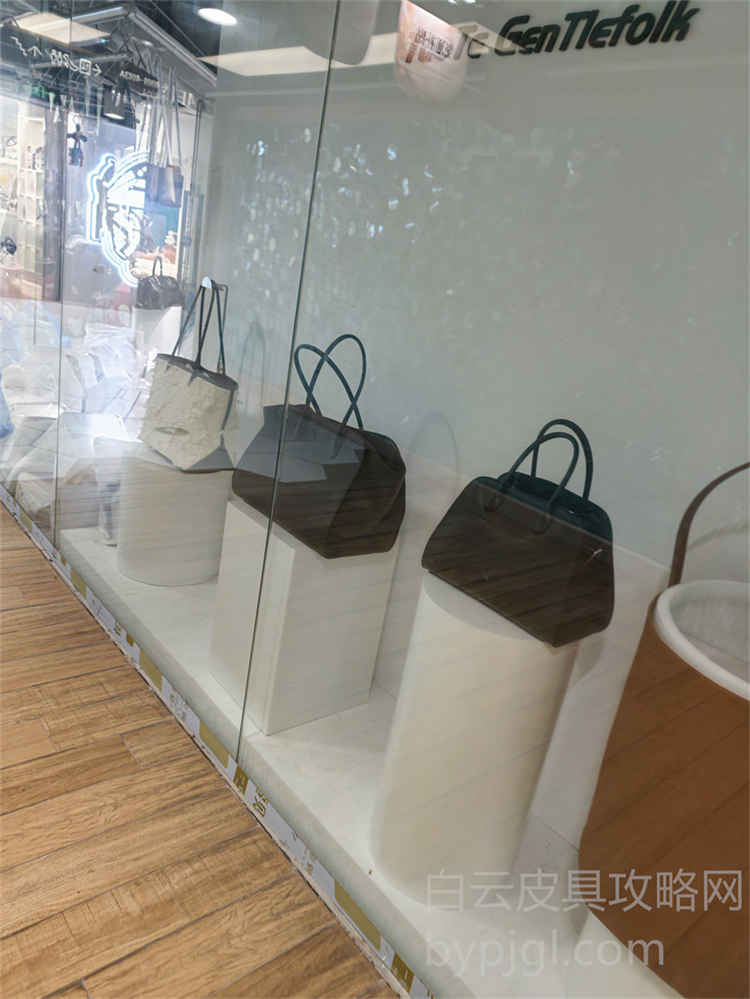
Never buy based on a photo alone. Even the most detailed pictures cannot capture the texture of the hide or the tension of the stitching. When I meet clients at my stall, the first thing I do is hand them the bag and let them feel it. We look at the grain of the leather, the smell of the glue, and the consistency of the thread. High-grade products use full-grain cowhide or top-tier calfskin, which feels soft yet durable. The stitching should be even, with no loose threads or skipped stitches. If you see uneven spacing or cheap-looking hardware, walk away. In this market, quality varies wildly between stalls, so your eyes must be sharp. We pride ourselves on using materials that age well, ensuring the product remains beautiful years after purchase.
Hardware and Functional Details
Another critical area is the hardware. Zippers, clasps, and locks are often the first things to fail on lower-quality items. At our place, we insist on using solid metal alloys that are plated correctly to prevent tarnishing. When you examine a bag, check the weight of the zipper pull and the smoothness of its movement. A heavy, substantial feel usually indicates better engineering. Also, pay attention to the lining. Cheap bags often use synthetic fabrics that peel or tear easily. Good ones use durable canvas or soft leather linings that protect the contents. These details separate the premium options from the mass-produced junk found in other parts of the city.
Building Relationships and Closing Deals
Talking Business Like a Local
One of the biggest mistakes foreign buyers make is treating every vendor as a retail shop. In Guangzhou, this is a wholesale environment. To get the best prices and access to the newest styles, you need to approach the transaction as a business partner. Start by asking about minimum order quantities and tiered pricing. If you are buying for resale, explain your volume potential. Vendors respect those who understand the market dynamics. Do not be afraid to negotiate, but remember that extremely low prices often signal compromised quality. We value long-term relationships over quick sales, so honesty about your needs goes a long way in building trust.
Avoiding Common Pitfalls
There are scams everywhere, even in legitimate markets. Be wary of vendors who refuse to show you the actual stock or who push you to pay via unsecured methods. Always inspect the goods before making any payment. Some sellers might try to swap a high-quality sample with a inferior batch during packing. To avoid this, request a video call inspection or bring a trusted local agent if you are unsure. Another common issue is shipping delays. Ensure you have a clear agreement on lead times and packaging standards. Our team handles export documentation daily, so we know how to get your goods out safely and efficiently. By staying vigilant and focusing on quality verification, you can navigate the market with confidence.
Final Thoughts on Sourcing in Guangzhou
Guangzhou offers an unparalleled opportunity for anyone looking to source premium leather goods. The depth of the supply chain, the variety of designs, and the competitive pricing make it a global leader. However, success requires patience, knowledge, and the right strategy. By visiting the Baiyun District, understanding the nuances of material quality, and building genuine connections with local vendors, you can secure products that stand out in any market. I invite you to come down, walk the floors, and see for yourself why this city remains the beating heart of the leather industry. With the right approach, you will find exactly what you are looking for, far beyond the surface level of typical shopping experiences.