Why Guangzhou Remains the Global Hub for Leather Goods
I have been standing behind this counter in Baiyun District for over fifteen years. While the internet has changed how we do business, nothing beats the smell of fresh leather and the noise of a bustling wholesale market. Many of my customers from overseas ask me, "Where can I find high-quality bags in Guangzhou?" They often come with a list of specific brands they want to copy, but I always tell them to forget the names. Here, we talk about craftsmanship, materials, and price tiers. If you are looking for what people call A-grade goods, you need to know that the real story is not about the logo on the front, but about the quality of the stitching and the feel of the hide.
The Myth of the "A-Grade" Label
In the West, there is a lot of confusion about terminology. People search for "A货" or "AAA quality," thinking it is a standardized grade like school grades. In reality, our market operates differently. We do not use letters to classify our products. Instead, we categorize by material source and production cost. When I show you a bag, I will tell you if it uses top-grain cowhide or PU leather, and whether the hardware is solid zinc alloy or cheap plated metal. The term "A-grade" is just a marketing word used by some sellers to justify higher prices. My advice is simple: ignore the label and trust your hands. Touch the lining, check the zipper pull, and smell the leather. That is how you determine the true value.
Navigating the Baiyun Leather City Complex
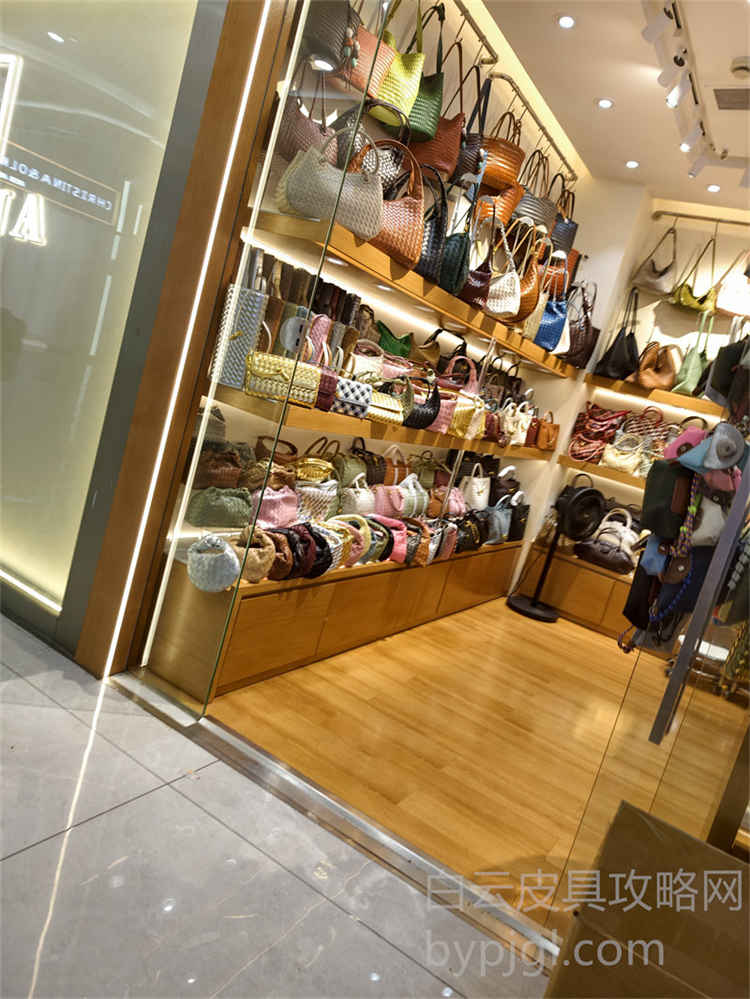
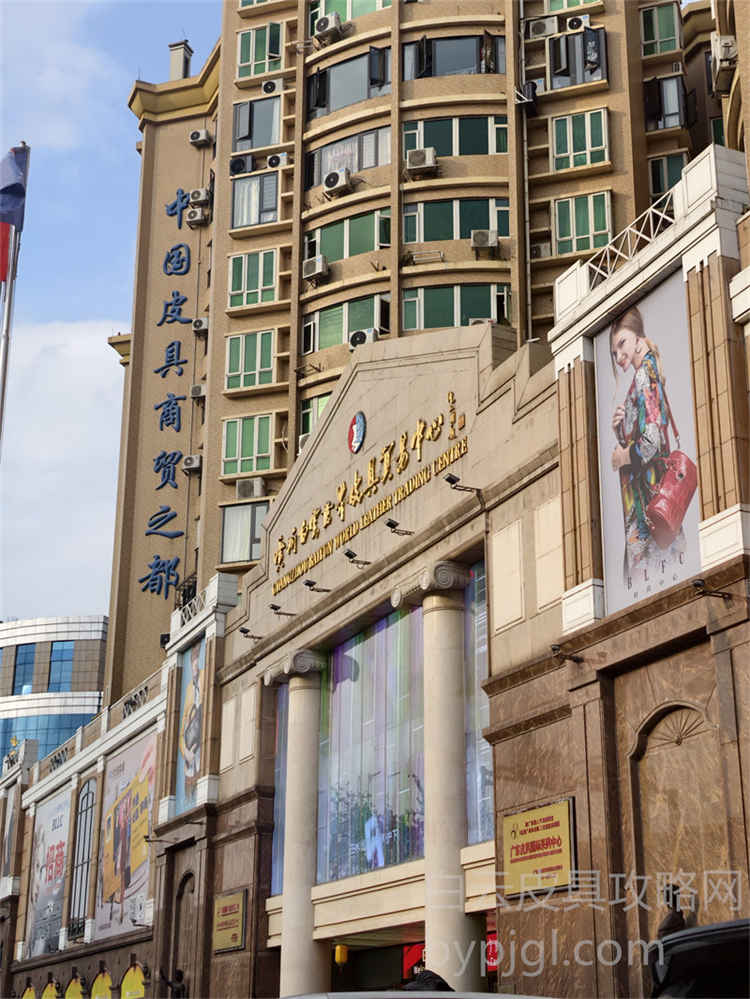
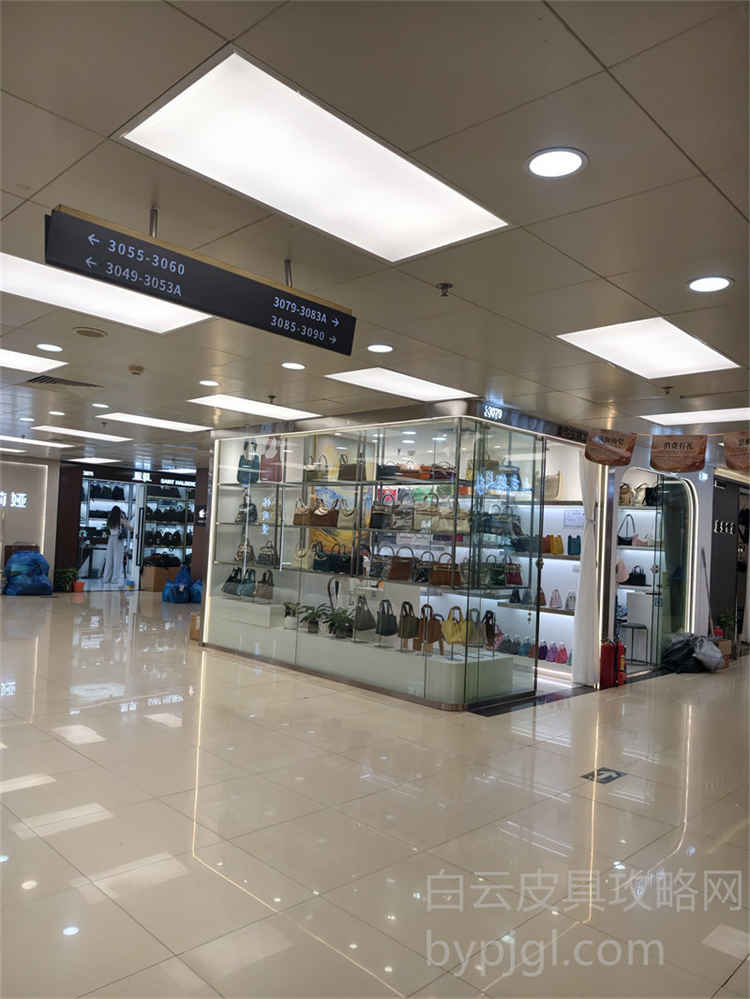
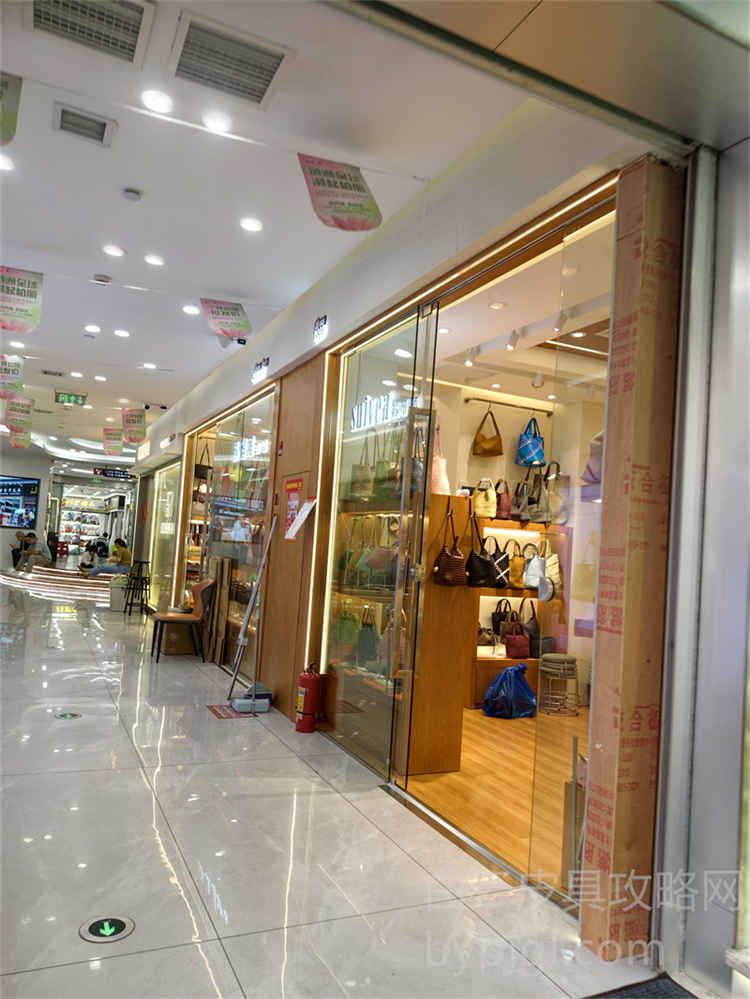
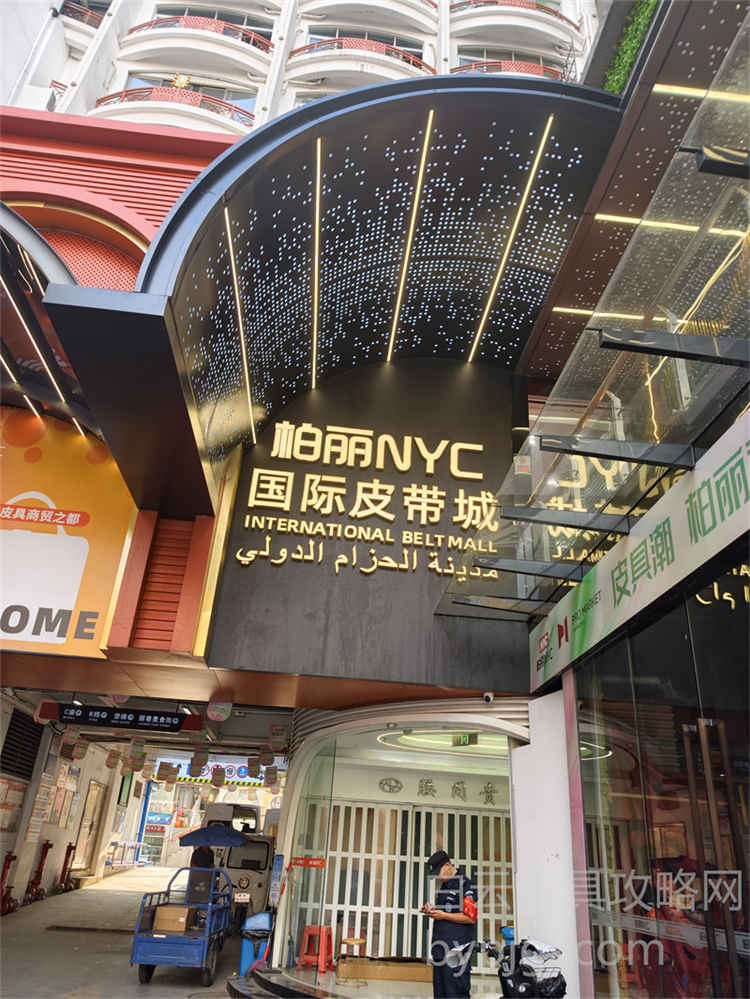
If you are serious about sourcing, you must go to the Baiyun Leather World area. This is not a single building; it is a massive cluster of interconnected malls. The most famous one is the World Trade Center, often called the "Baiyun Leather City." It is where the highest quality goods are found. There are other markets nearby, like the Qianxiang and the Shiqiao area, but for the best selection, stick to the main complex. Walking through these halls feels like entering a different world. You will see rows upon rows of stalls, each displaying dozens of styles. The energy here is electric, and the variety is overwhelming.
Finding the Right Stall Amongst the Noise
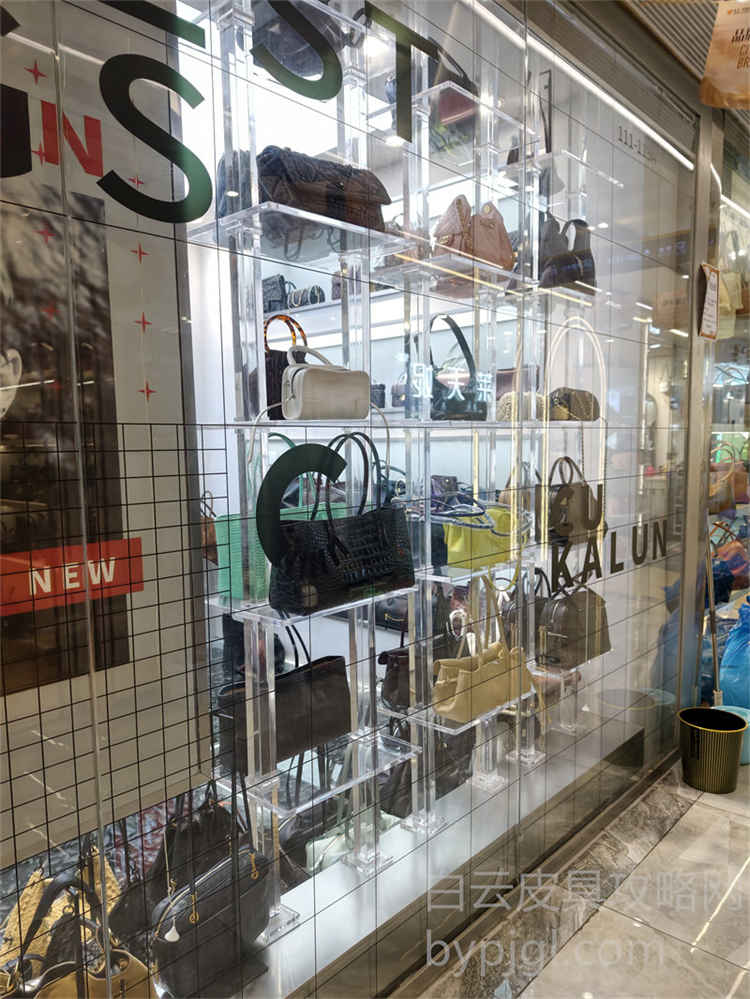
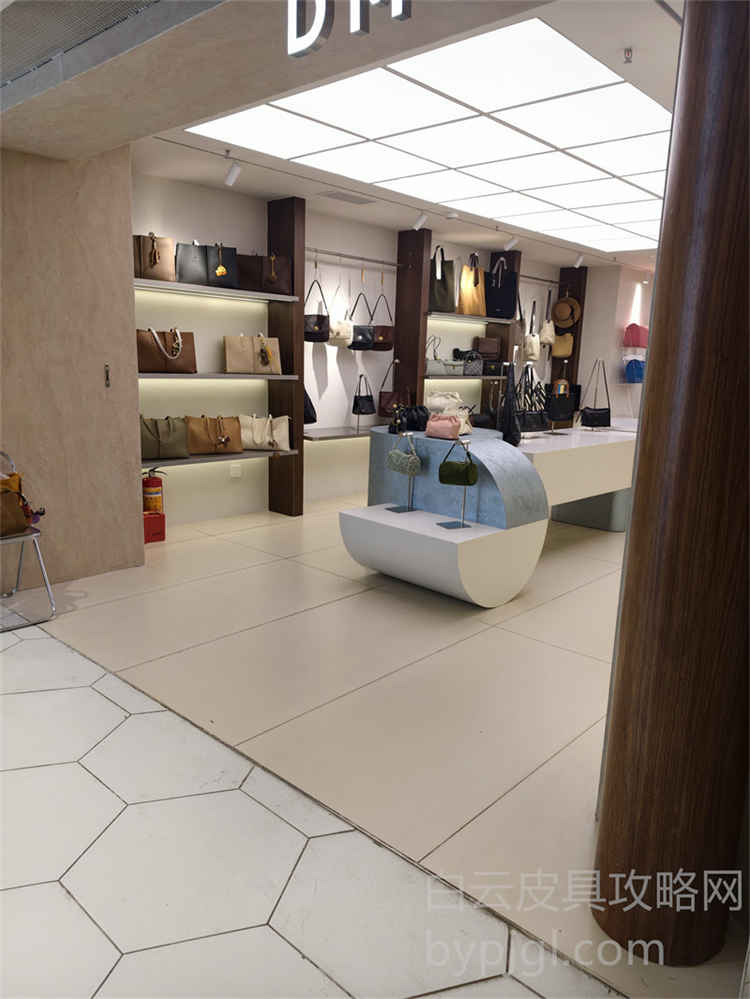
When you first walk in, do not be intimidated by the sheer volume of options. Most stalls look similar at first glance. The trick is to look for the ones that display their products neatly without clutter. High-end suppliers usually keep their counters clean and organized. They do not pile everything up. Look for the staff who speak English or have experience dealing with foreign buyers. These are the people who understand that you need time to inspect the goods. Avoid the stalls that scream discounts or try to rush you into a purchase immediately. Real wholesalers know that building trust takes time. Take your time to walk the entire floor before making any decision.
The Art of Inspection and Selection
once you find a stall that looks promising, the real work begins. This is where many tourists fail because they only look at the outside. As a local boss, I always tell my international clients to turn the bag inside out. Check the stitching density. Are the stitches even? Is there any loose thread? Then, press the leather. Good leather should bounce back quickly. Cheap leather stays dented. Also, pay attention to the hardware. Open the zippers multiple times. Do they glide smoothly or get stuck? The weight of the bag matters too. Heavy hardware usually indicates better quality than light, hollow pieces.
Understanding Material Tiers
You will hear terms like "original leather" or "imported skin." Be careful with these claims. In our market, we have different levels of leather. Some suppliers use genuine cowhide that is dyed and treated to look perfect. Others use synthetic materials that mimic the texture of leather so well that even experts might hesitate. When you are negotiating, ask specifically about the material composition. Do not accept vague answers. Ask to see the raw material samples if possible. A good supplier will be proud to show you the difference between their premium line and their budget line. This transparency builds confidence and ensures you get exactly what you paid for.
Negotiation Tactics and Sourcing Secrets
Negotiation in Guangzhou is an art form. It is not just about haggling over the lowest price; it is about establishing a long-term relationship. When I talk to a buyer, I want to know if they plan to return. If they say yes, I am willing to give them a better deal. Cash flow is king in this business. If you pay cash on the spot, you often get a discount. However, do not be afraid to ask for a sample first. Many buyers make the mistake of ordering a full batch without seeing the product. Always order one piece to test the quality before committing to a larger order. This is standard practice for smart buyers.
Avoiding Common Pitfalls
There are several traps that new buyers fall into. One common issue is the "switch." Sometimes, a seller shows you a high-quality bag, but when you pay, they hand you a lower-quality version. To avoid this, take photos of the specific bag you inspected. Mark the serial number or the unique features of the item. Another pitfall is shipping. Never ship large quantities via regular mail without proper insurance. Use a reliable freight forwarder who specializes in China-to-overseas logistics. They know how to handle customs declarations properly. Finally, be wary of deals that seem too good to be true. If the price is incredibly low, the quality will almost certainly be poor. In the leather business, you get what you pay for.
Building Trust Beyond the Transaction
My goal is not just to sell you a bag today, but to become your partner in sourcing. The Guangzhou market is vast, and finding the right supplier can take years of trial and error. By visiting Baiyun Leather City personally, you gain insights that no online photo can provide. You can feel the texture, smell the materials, and gauge the professionalism of the team. Whether you are looking for small batches for testing or large volumes for retail, the key is to approach the process with patience and curiosity. Come to Guangzhou, walk the floors, touch the leather, and build your own network. That is the only way to truly master the art of sourcing in this city.