Walking the Floors: My Honest Take on Sourcing from Guangzhou Baiyun
I have been standing behind this counter in the Baiyun Leather City for over twenty years. While you might see flashy ads online promising "perfect copies" or "top-tier replicas," the reality of doing business here is far more grounded, gritty, and nuanced. If you are flying in from overseas to source bags, forget what you read on forums about finding a specific "mirror quality" item at a discount. That mindset will get you lost before you even step off the plane. The market here isn't about selling fake designer goods; it is about high-end manufacturing where craftsmanship meets local supply chains. When I talk to new buyers, I tell them to leave their preconceived notions at the door and come with an open mind to see how the real work gets done.
The First Step: Leaving the Airport and Finding the Right Zone
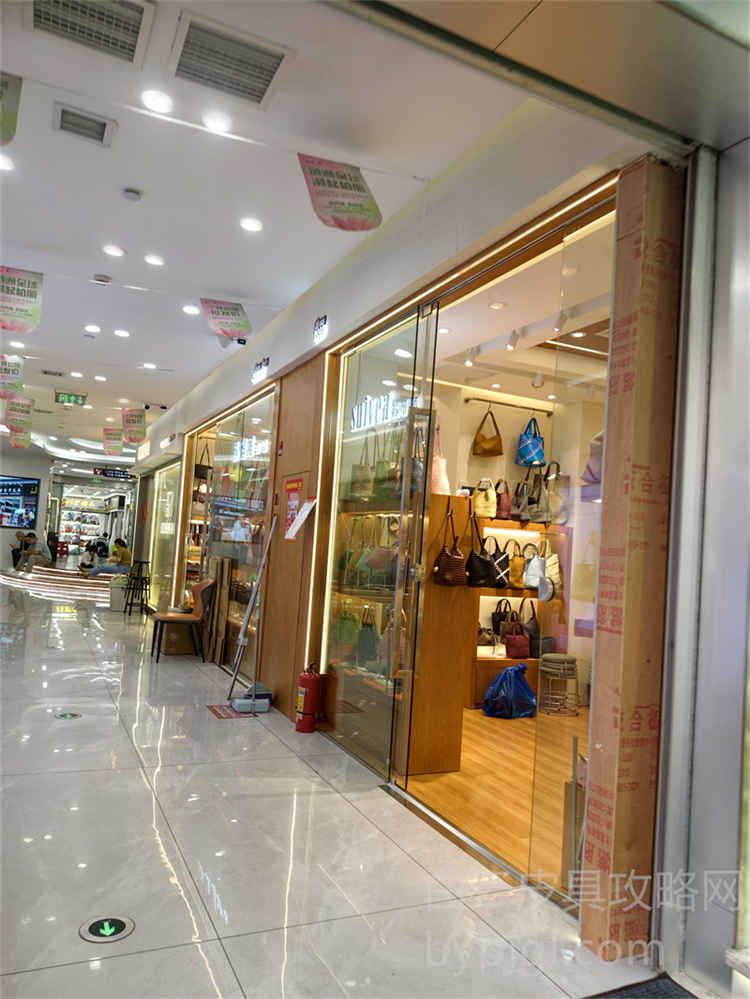
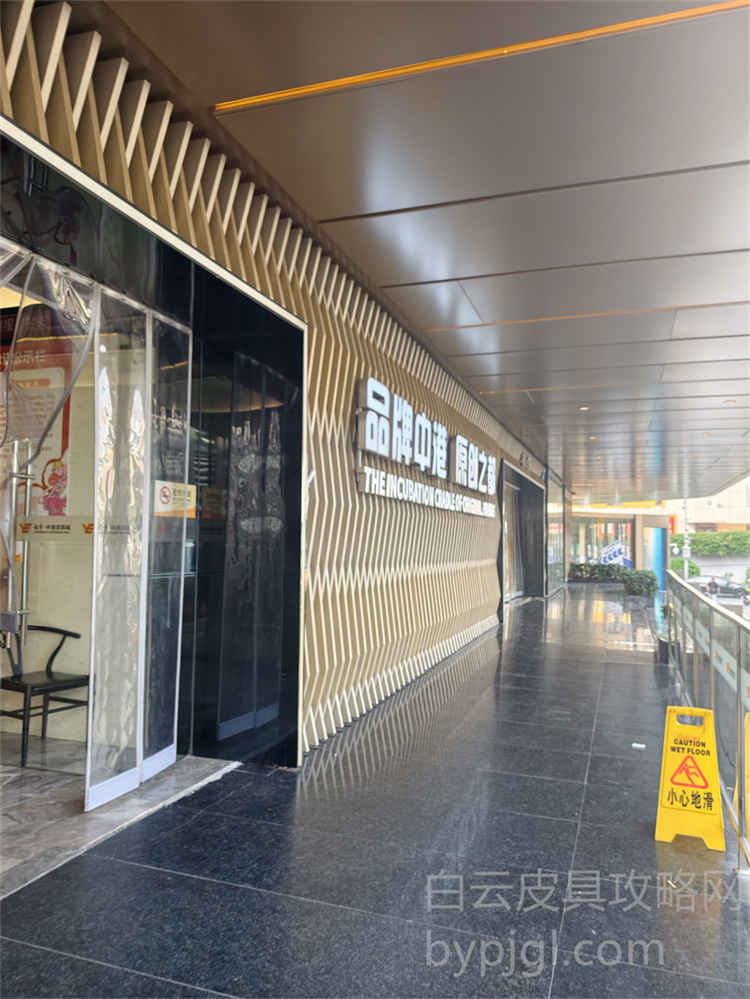
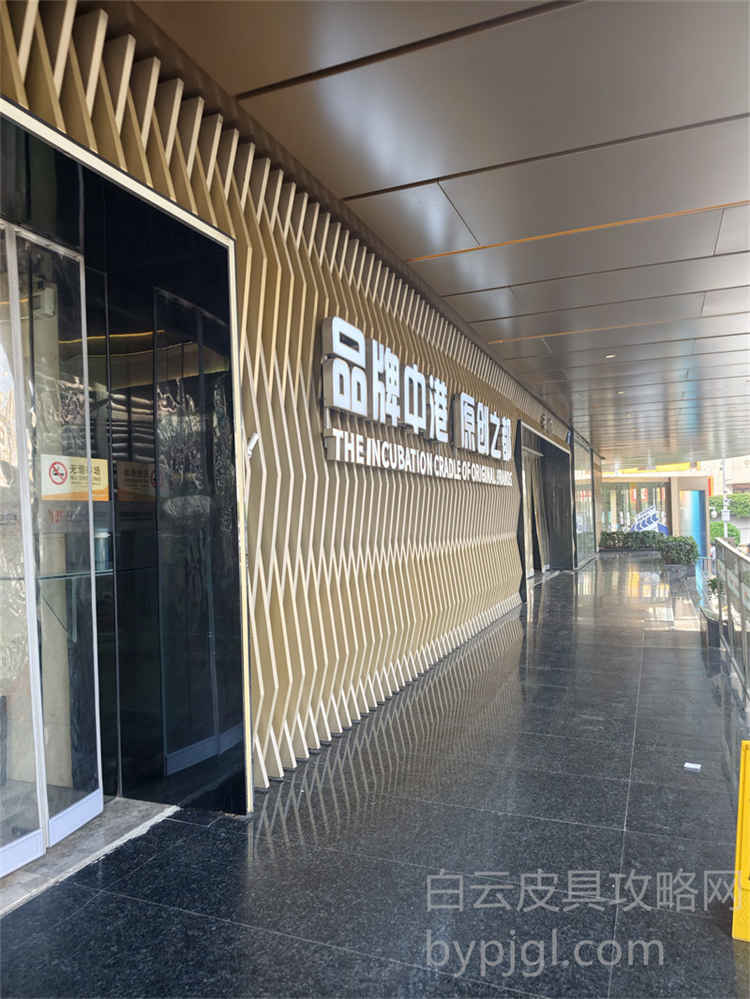
Your journey doesn't start with a transaction; it starts with navigation. Most newcomers make the mistake of heading straight to the main entrance of the famous mall without a plan. Let me save you some time. The area around Baiyun is massive, a sprawling network of buildings that can feel like a maze if you don't know the layout. The core hub is the Qianxi Building, but the real gems are often tucked away in the side streets and the newer annexes like the World Trade Center. When you arrive, do not rush into the first shop you see. Walk the perimeter first. Look at the foot traffic. Notice which stalls have locals chatting in Cantonese versus those just waiting for tourists. This simple observation tells you who is a serious wholesaler and who is just a middleman trying to flip your order.
Reading the Room: How to Spot a Genuine Manufacturer
once you are inside, the atmosphere changes. You will hear the sound of sewing machines humming in the back rooms, smell the distinct scent of leather glue and tanning agents, and see stacks of raw materials. This is where the magic happens. A legitimate supplier will not hide their process. They want you to see the quality of the stitching, the grain of the hide, and the hardware they use. When I meet a buyer, I ask them exactly what they need. Are they looking for small batches for a boutique? Or are they planning a large container shipment? My job is to match their volume needs with our production capacity. We do not deal in one-off items. We deal in consistency. If a stall claims they can make anything instantly without a sample fee, run. Real production takes time, and real quality requires patience.
The Art of Selection: Beyond the Display Case
Here is a secret that most guides won't tell you: the best products are rarely the ones sitting on the front display table. Those are often the "showroom models" designed to catch the eye of casual browsers. The real inventory lives in the back room or on the shelves stacked high behind the counter. When I show my clients our selection, we go deep into the stock. We pull out pieces that haven't been touched in months to show you the durability of the material. We discuss the difference between cowhide, lambskin, and exotic textures. We talk about the weight of the zippers and the smoothness of the lining. This is where you build trust. You are not buying a picture; you are buying a physical object that will be inspected by your customers. If the leather feels cheap or the stitching is uneven, no amount of marketing will sell it.
Negotiation and Sampling: The Language of Business
Let's talk numbers. In Baiyun, prices are never fixed unless you are buying a finished retail item, which we rarely do. Everything is negotiable based on quantity, material choice, and customization. Do not be afraid to ask for a sample first. Yes, there is a cost for a sample, but it is the cheapest insurance policy you can buy. It allows you to inspect the craftsmanship up close before committing to a bulk order. When we negotiate, we focus on value, not just price. A lower price often means thinner leather or cheaper hardware that will fail after a few months. I would rather charge a fair price for a product that lasts than cut corners to win a sale. once you agree on the specs, we draft a clear agreement detailing the materials, dimensions, and delivery timeline. Clarity prevents disputes later.
Quality Control: The Final Gate Before Shipping
Before any bag leaves my warehouse, it goes through a rigorous inspection process. This is non-negotiable. Every single stitch is checked, every zipper is tested for smooth operation, and every handle is pulled to ensure it can hold weight. We look for loose threads, glue stains, or color inconsistencies. As a buyer, you should expect to see this level of scrutiny. If you are visiting in person, walk through the QC station with us. See how we reject defective units. This transparency builds confidence. We take pride in our reputation because word travels fast in the international community. A bad batch can ruin a relationship forever, so we treat every order as if it were our own brand.
Avoiding Pitfalls: What to Watch Out For
There are always risks when sourcing from a foreign market. One common trap is the "too good to be true" offer. If someone promises a premium product at a fraction of the cost, they are likely using inferior materials or scamming you. Another issue is communication gaps. Misunderstandings about measurements or color shades can lead to rejected shipments. Always communicate clearly, preferably in writing, and confirm details multiple times. Also, be wary of agents who claim to represent multiple factories but actually just resell your order at a markup. Deal directly with the factory floor whenever possible. Finally, understand the logistics. Shipping heavy leather goods internationally requires proper packaging and customs documentation. We can guide you on the best shipping methods, but you need to be aware of the regulations in your home country.
Building a Long-Term Partnership
My goal is not to make a quick buck from a tourist. I want to build a long-term partnership with buyers who understand the value of quality manufacturing. The Baiyun Leather Market is evolving. It is moving away from low-quality knockoffs toward high-end custom manufacturing that rivals global standards. When you work with us, you are tapping into decades of expertise, skilled labor, and a robust supply chain. Come visit us, walk the floors, touch the leather, and talk to the people who make these bags. You will find that the experience is much richer than simply ordering online. We are here to help you succeed, not just to sell you a product. Trust is earned, and in this business, it is the only currency that truly matters.