Walking the Floors: My Real Talk on Sourcing from Guangzhou
I have been standing behind this counter in Baiyun for over twenty years. While the city outside has changed into a futuristic metropolis, the rhythm inside these markets remains stubbornly traditional. You will see tourists with cameras and young entrepreneurs with laptops, but I only care about one thing: the quality of the leather and the honesty of the deal. If you are flying in from overseas to source high-end goods, forget what you read on generic blogs. The real story is written in the dust of the corridors and the smell of fresh glue.
The First Rule: Don't Trust the Street Level
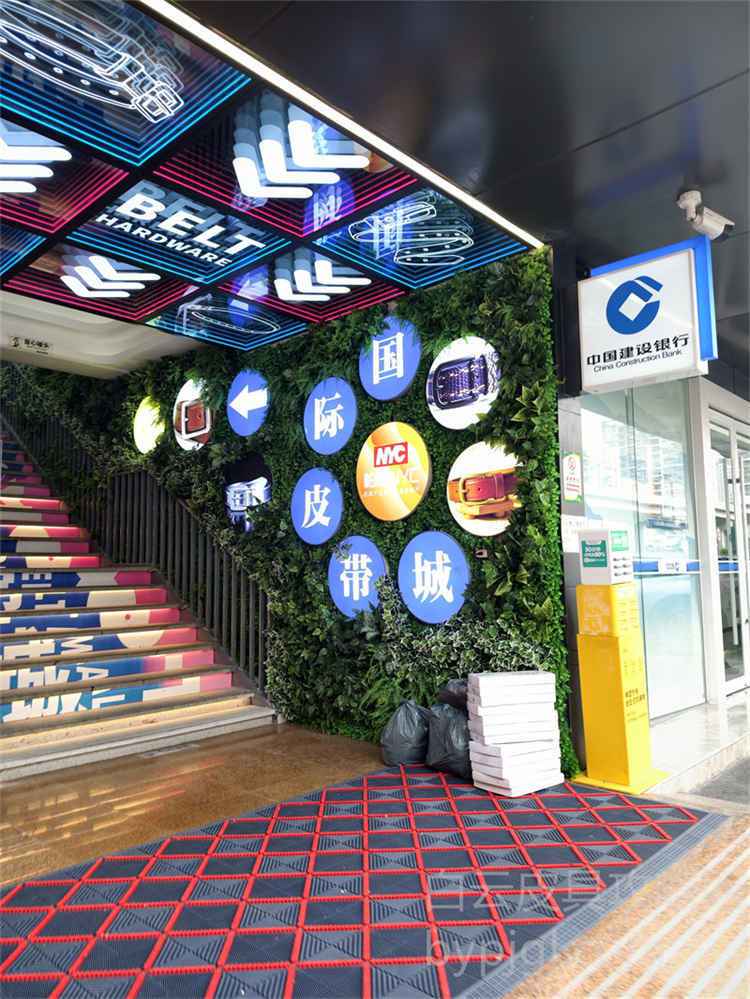
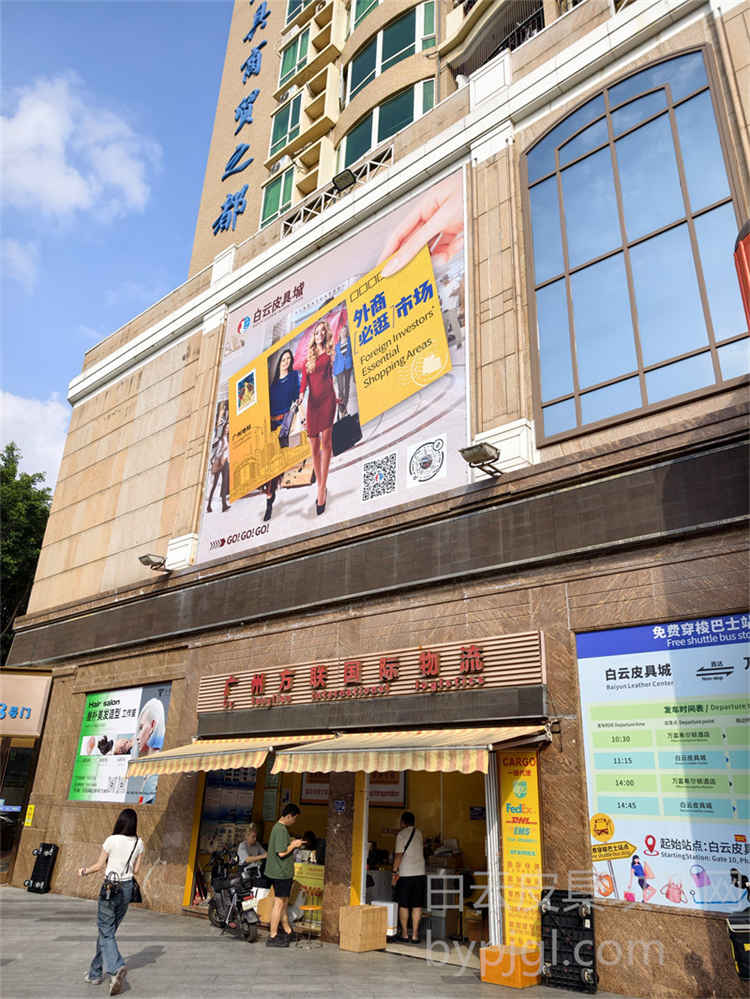
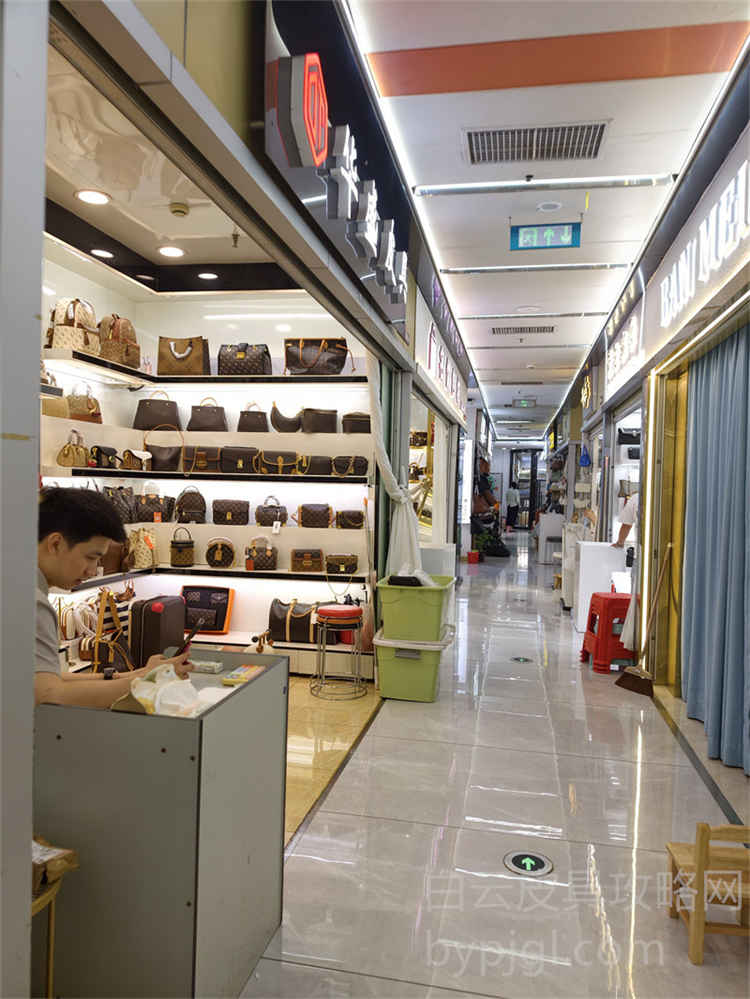
When you first step off the bus at the Baiyun World Leather City, you might feel overwhelmed. The street vendors shouting prices are not your friends; they are just trying to get you to stop walking. They sell low-grade junk that looks okay from a distance but falls apart in a week. As an old shop owner, I tell my regulars to ignore them immediately. Your goal is to get to the upper floors where the serious business happens. These are the showrooms where the actual production samples live. The ground floor is for window dressing; the real inventory is hidden upstairs or in the back rooms of the buildings nearby.
Navigating the Market Layout Like a Local
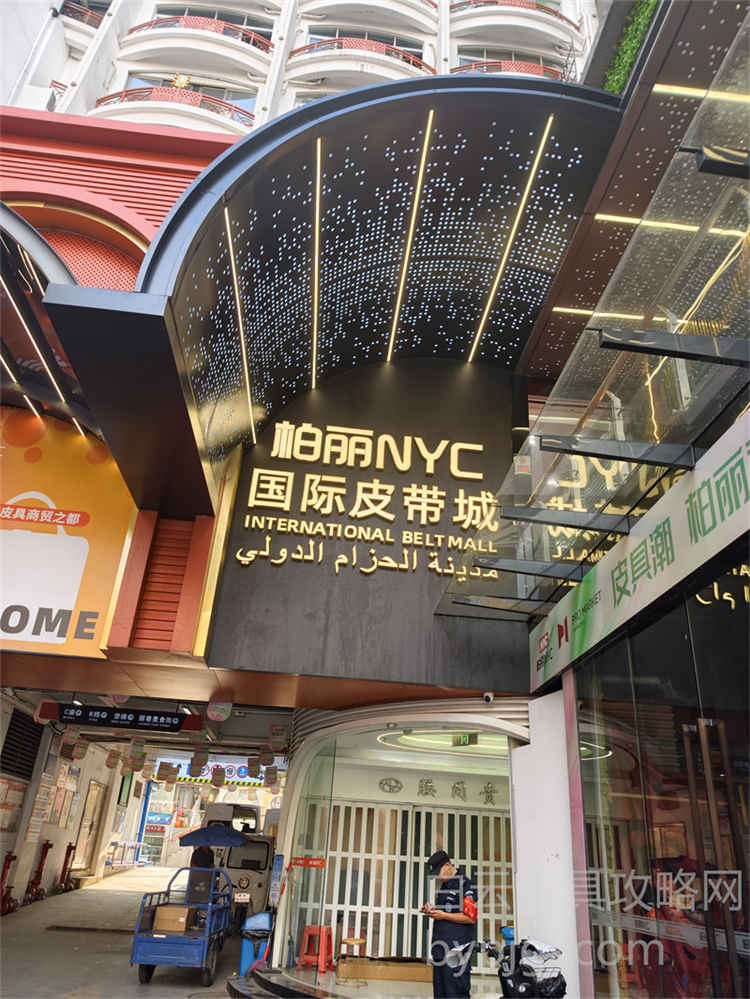
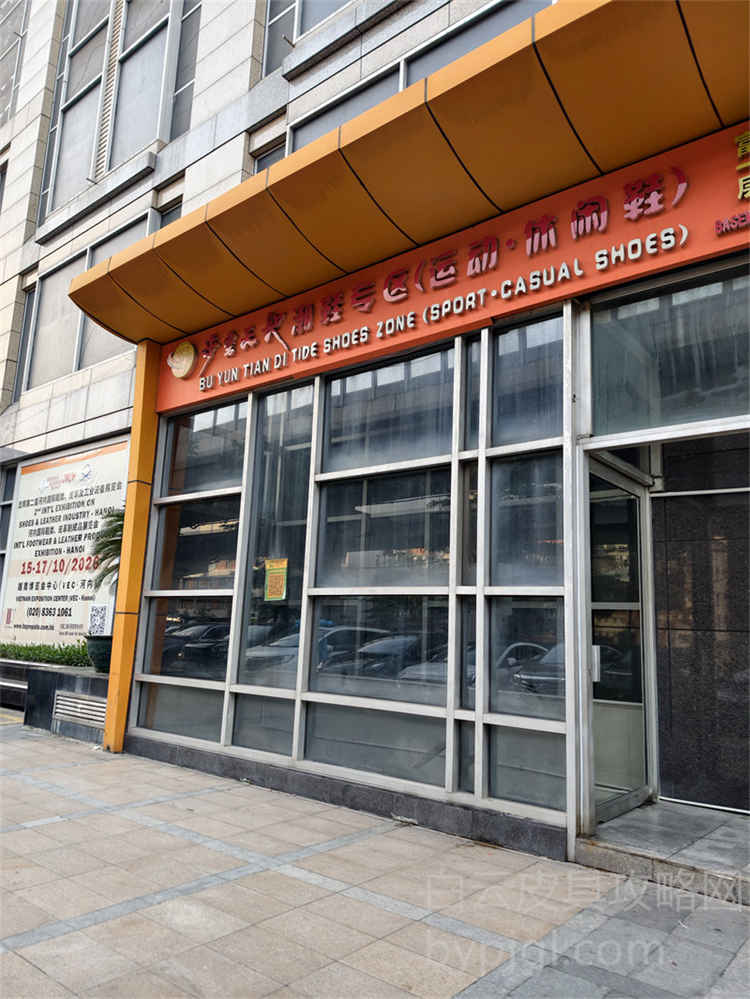
Guangzhou's leather district is massive, stretching far beyond just one building. There is the famous Baiyun International Trade Center, which is the heart of the operation, but there are also smaller complexes like Qianxi and Zhongda. Each has its own vibe. Some focus on luxury-style bags, while others specialize in wallets or belts. When you arrive, do not try to visit every single stall. You will burn out before noon. Instead, pick two or three main buildings and spend the day digging deep.
Finding the Right Showroom
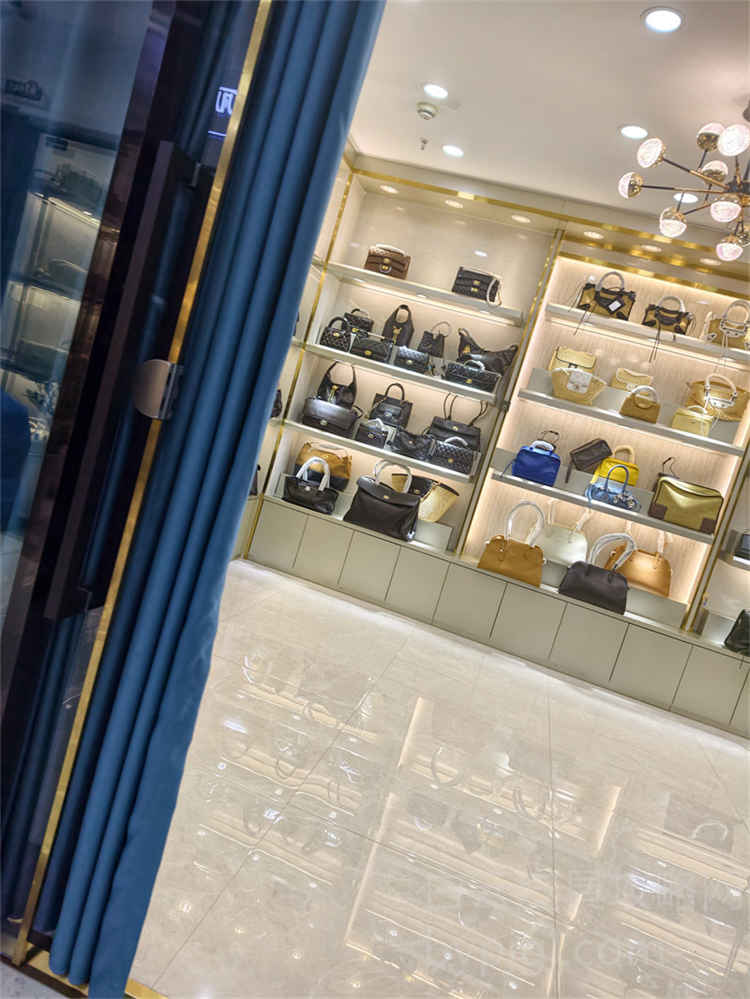
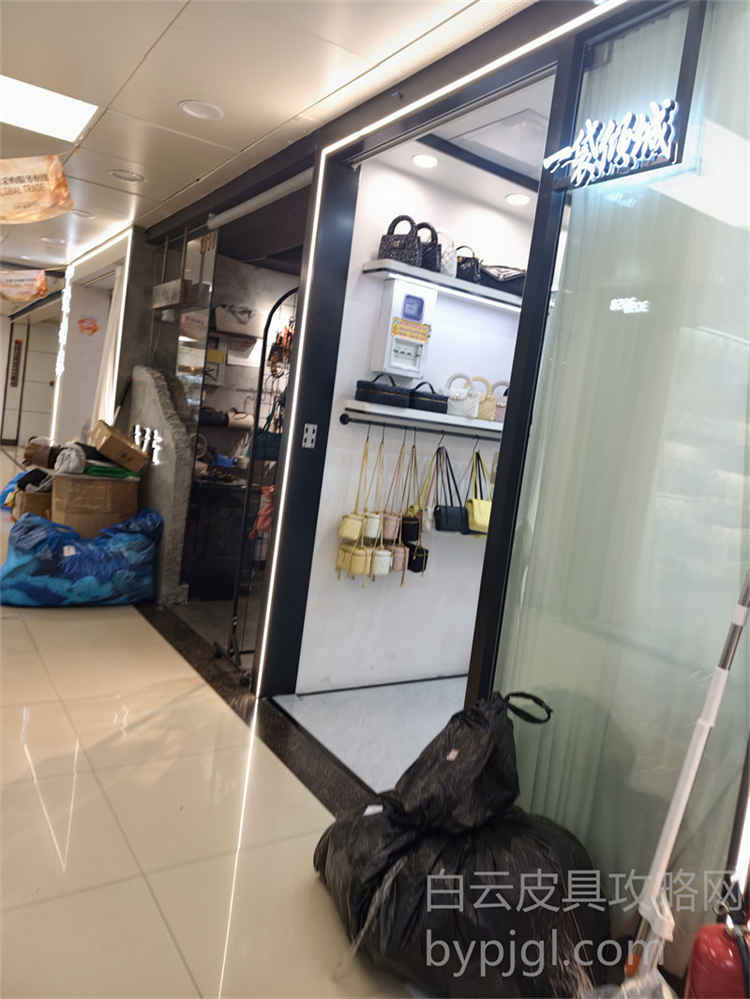
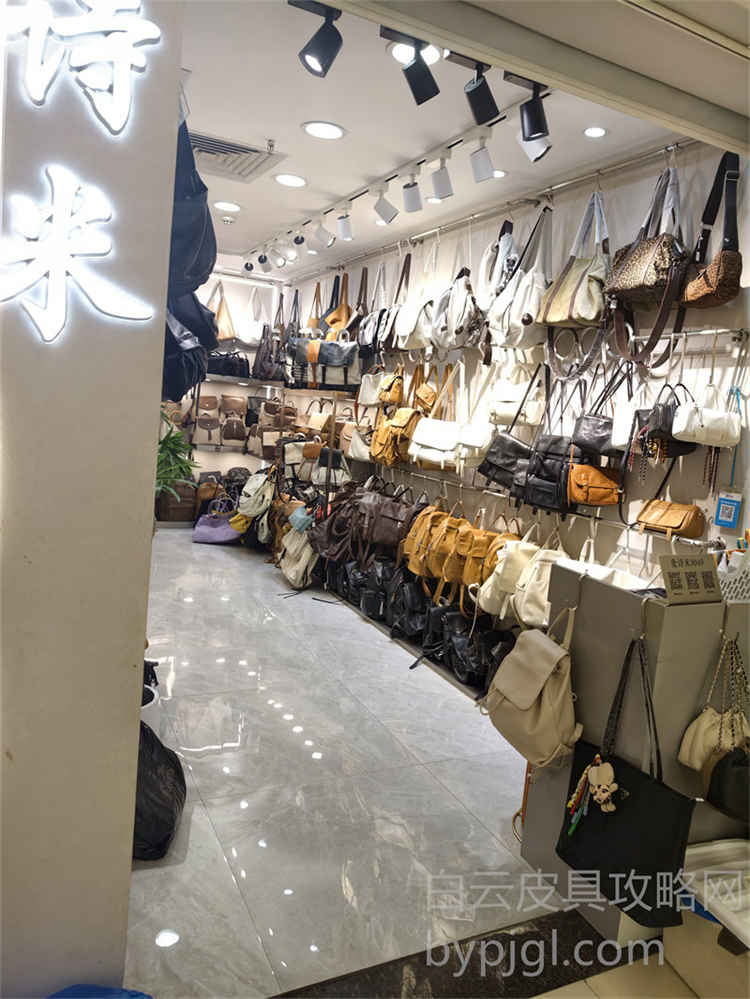
Look for stalls that display multiple styles but keep their best pieces under glass or in locked cabinets. If a vendor shows you everything openly without asking for a deposit or a specific order volume, they are likely selling mass-produced items meant for the local discount market. The good ones, the ones making top-tier goods, will ask you how many you plan to buy before showing you their premium stock. This is not rude; it is standard procedure. They need to know if you are a serious buyer or just a browser. once you establish that you are looking for bulk orders, the dynamic changes instantly.
The Art of Inspection: What to Look For
This is where most foreign buyers make mistakes. They look at the logo and the stitching from ten feet away. That is amateur hour. In my shop, we teach our staff to inspect the hardware weight, the grain of the leather, and the smell of the lining. A cheap bag smells like chemicals; a good one smells like natural hide. When you are holding a sample, run your fingers along the edges. Are the seams tight? Is the thread color exactly matching the leather, or is it slightly off? These tiny details separate the factory grade from the boutique grade.
Checking the Hardware and Zippers
Never skip the zipper test. Open and close it fifty times. Does it stick? Does the slider feel heavy and solid, or light and hollow? High-quality zippers are expensive, and manufacturers who use them are usually confident in their product. Also, check the metal plating. Rub a coin against the hardware gently. If the color comes off easily, walk away. We use durable alloys that resist tarnishing. If you are sourcing for resale, your customers will notice this within a month. Do not compromise here.
Negotiating and Building Relationships
Talking price is an art form here. Do not start by asking for the lowest price. Start by asking about the material composition and the production timeline. Show that you understand the craft. When you finally discuss numbers, be realistic. If you want top-shelf quality, you cannot expect wholesale prices for factory seconds. The gap between a $50 bag and a $150 bag is often just the leather and the labor time. Be willing to pay for quality. In return, the vendor will treat you better, give you priority during peak seasons, and alert you when new molds are ready.
The Power of Repeat Business
Most foreigners think they can get a great deal on their first visit. It rarely works that way. The best deals come after you have established trust. Bring your business card, exchange contacts, and promise to return. When you come back for the second order, mention the first one. Say, "I liked the leather on the last batch, let's do more of that." Suddenly, you are no longer a stranger; you are a partner. Partners get access to the newest designs before anyone else gets to see them. This is the secret advantage of being a repeat customer in Baiyun.
Avoiding Common Pitfalls
There are traps everywhere. One common trick is the "sample swap." You approve a perfect sample, but when the bulk order arrives, the quality drops. To prevent this, always insist on a pre-shipment photo or video call where you verify the exact batch. Another issue is shipping. Many vendors offer free shipping to China ports, but handling customs clearance abroad is your responsibility. Make sure you understand the Incoterms clearly. Do not accept vague promises about delivery dates. Ask for a specific timeline and put it in writing via email or WeChat.
Logistics and Payment Safety
Never send money directly to a personal bank account without a contract. Use secure payment methods that offer buyer protection. For large orders, a 30% deposit and 70% upon inspection is standard. If a vendor refuses this, find someone else. Also, be wary of vendors who claim they can ship anything anywhere without restrictions. Customs regulations vary wildly by country. Work with a freight forwarder who knows the rules for importing leather goods into your specific region. They can help you avoid seizures and unexpected fines.
Final Thoughts from the Floor
Sourcing from Guangzhou is not just about buying products; it is about learning a culture. It takes patience, observation, and a bit of street smarts. The market is competitive, but it is also full of opportunities for those who respect the craft. If you take the time to walk the floors, talk to the owners, and inspect every detail, you will find partners who can grow your business. Come back often, stay curious, and remember: the best deals are made face-to-face, not online.