Walking the Floors: My Honest Guide to Sourcing Bags in Guangzhou
If you are reading this, you probably already know that Guangzhou is the heartbeat of the global leather goods industry. But let's be real for a second. Most people who come here expecting to walk into a store and buy "designer" bags at wholesale prices are going to get burned or confused. I have been running my stall in Baiyun District for over fifteen years. I have seen thousands of buyers come and go, from first-timers with big dreams to seasoned importers looking for their next big supplier. The truth is, the best deals aren't found on a website; they are found by sweating it out on the concrete floors of the markets.
My shop isn't just a place to sell; it is a hub where we talk about trends, materials, and how to actually move product without getting stuck with inventory that sits forever. If you want to find the real source of high-quality handbags in Guangzhou, you need to stop looking for shortcuts and start understanding the ecosystem. This isn't about finding a magic button; it is about building relationships and knowing exactly where to look when you step off the bus.
Navigating the Baiyun Leather City Complex
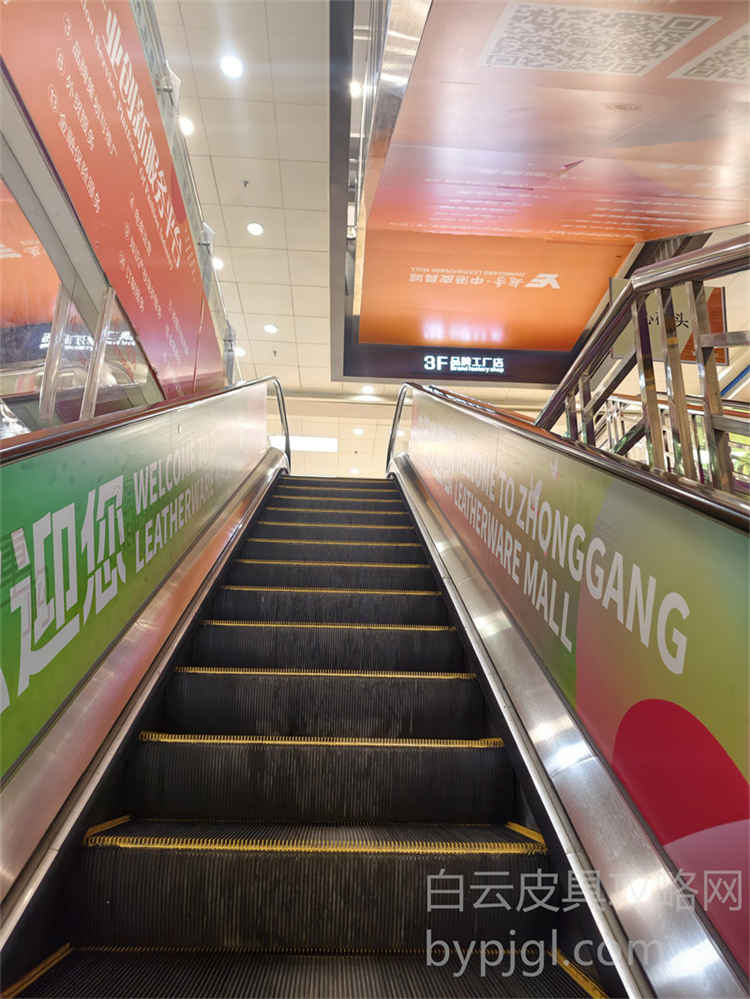
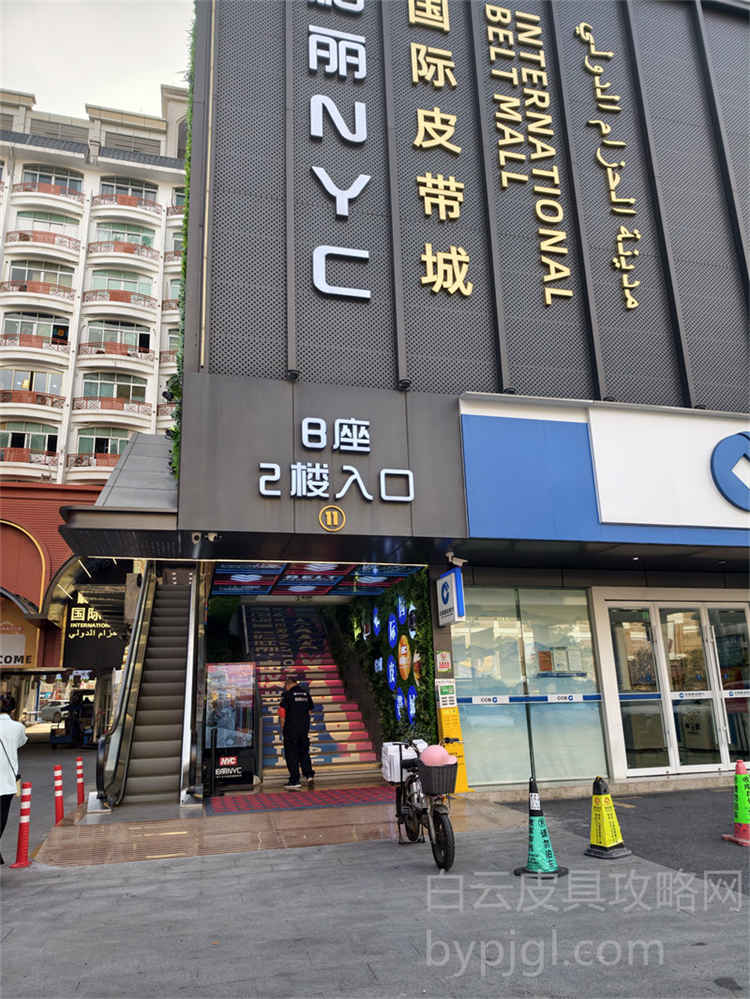
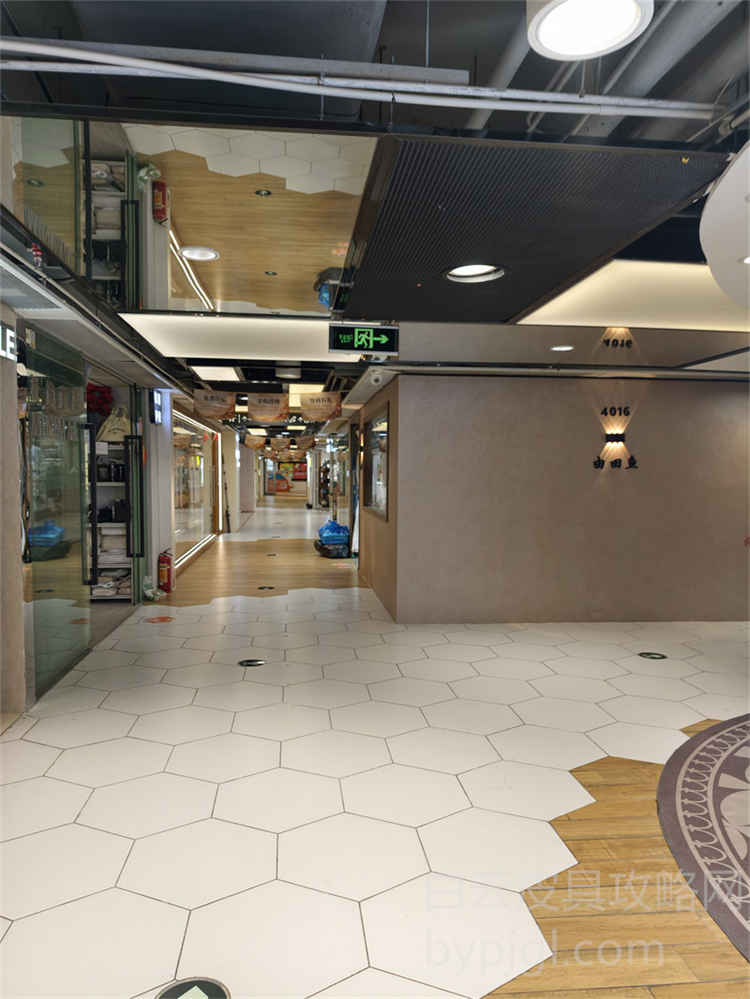
When you hear about sourcing in Guangzhou, ninety percent of the time, people are talking about the Baiyun Leather City area. It is massive, chaotic, and absolutely essential if you want to see what is actually moving in the market right now. There isn't just one building; there is a whole cluster of interconnected structures that can take days to explore properly. For a new buyer, the sheer scale can be overwhelming. You might think you are in the right place, but if you don't know which wing houses the premium goods versus the budget items, you will waste hours walking past stalls that don't match your vision.
The Difference Between the Main Halls and Side Streets
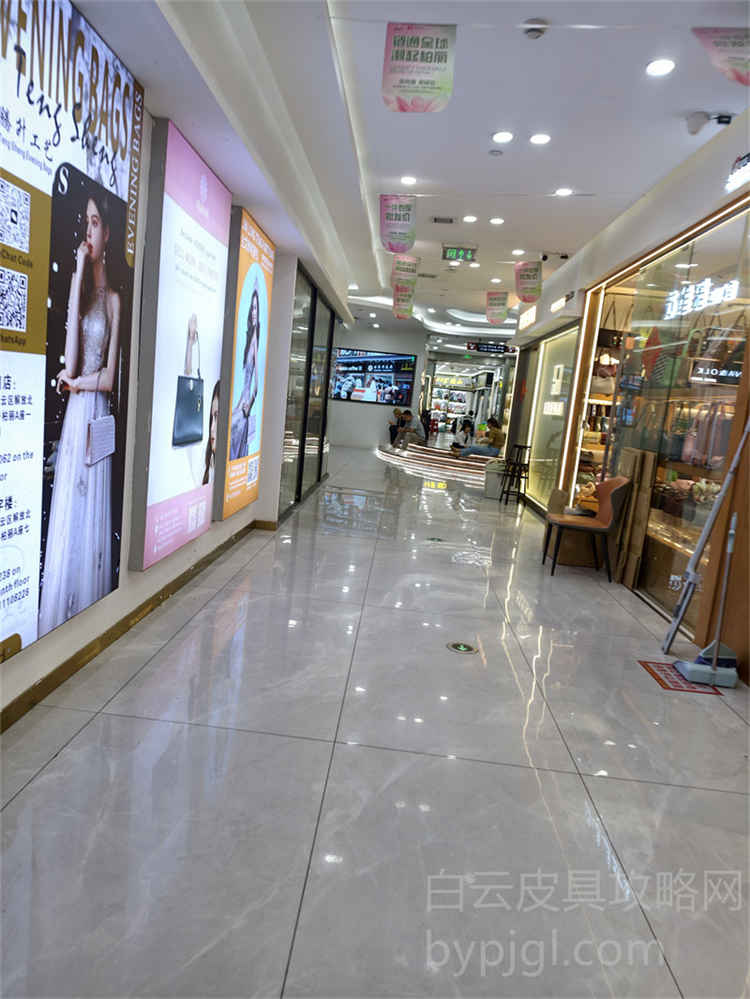
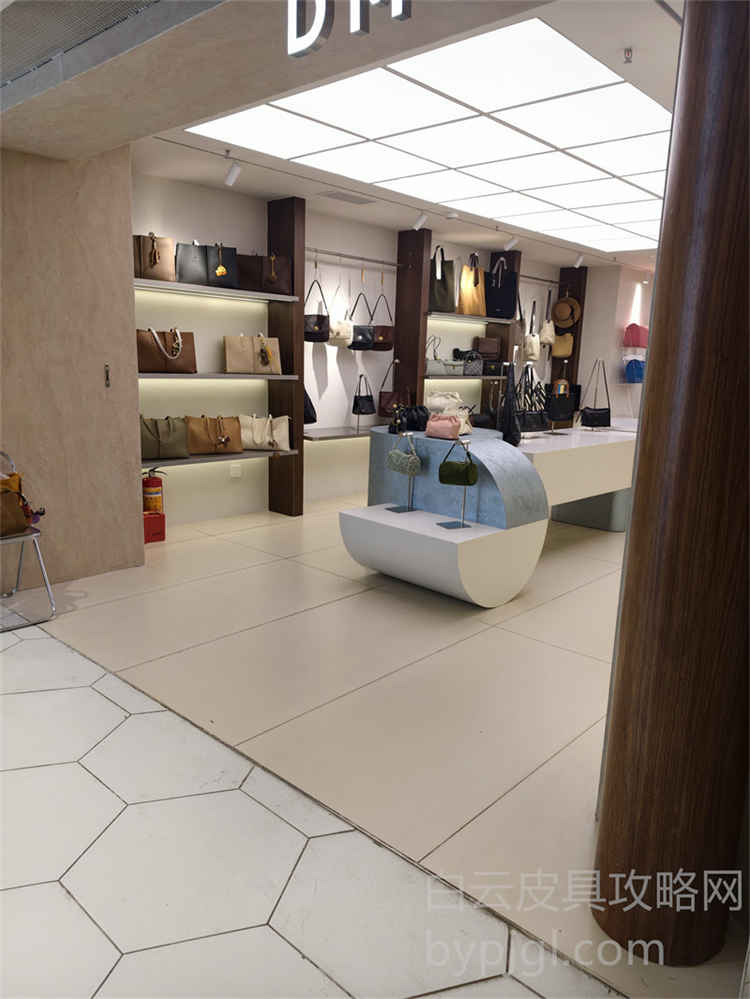
The main halls like the World Trade Center or the famous Baiyun International Leather City are where the big players operate. These are the showrooms. The lighting is better, the displays are polished, and the staff speaks English more fluently because they deal with international clients daily. However, do not make the mistake of thinking this is the only place to look. The real gems, the factories that produce the highest quality materials before they even hit the showroom floor, are often tucked away in the side streets and smaller buildings behind the main complexes.
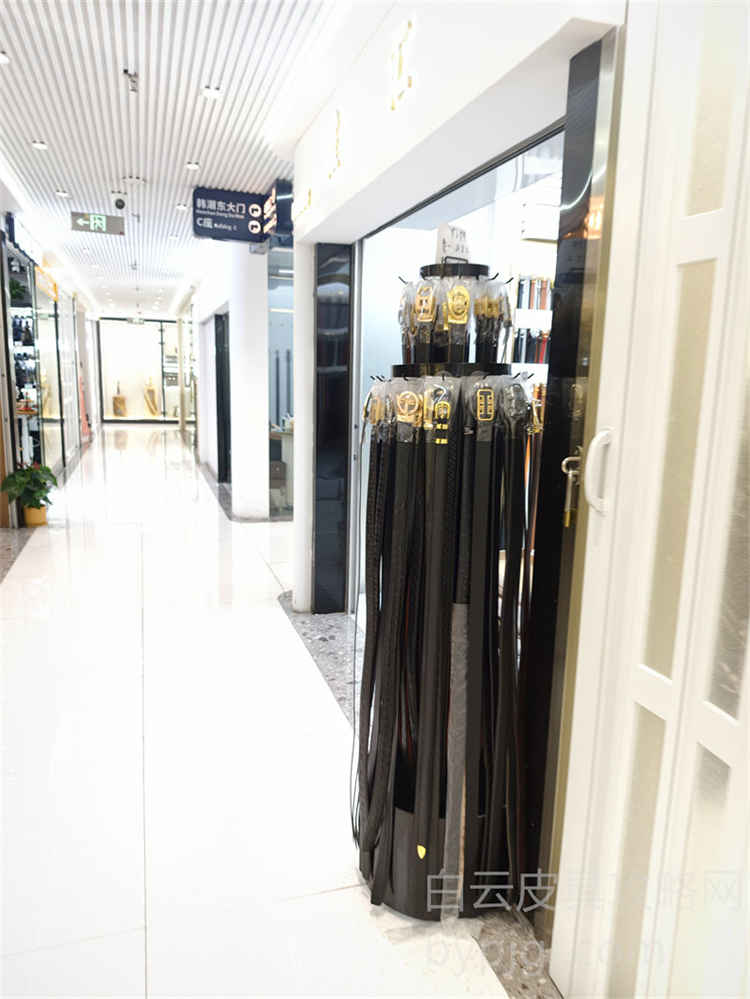
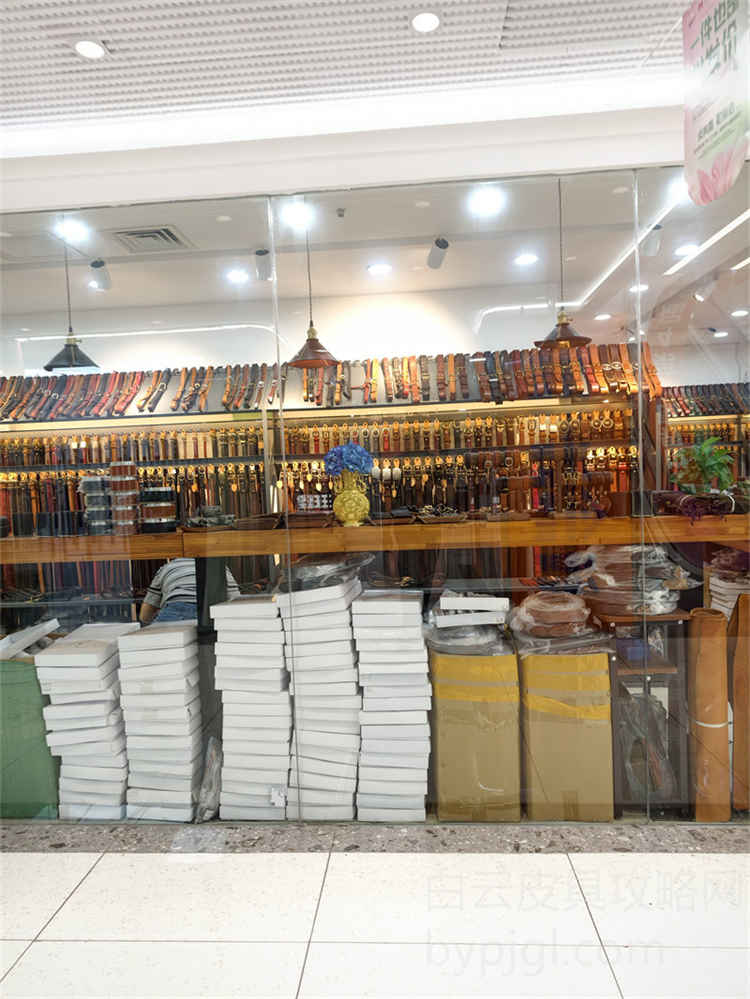
I always tell my regular customers to spend their first day just walking. Don't try to buy anything immediately. Look at the stitching, feel the leather, and ask questions. In the main halls, you will find established brands and consistent quality. But if you dig deeper into the alleys connecting these buildings, you will find workshops where the production happens. That is where you get the most competitive pricing because you are cutting out the middleman layer. The air smells different there too—more like raw hide and glue, less like polished retail perfume.
What to Look for When Inspecting Goods
once you are inside a stall, the conversation changes. You cannot just say "I want to buy." You need to speak the language of the trade. As a local owner, I can tell you exactly what makes a bag worth its weight in gold. It starts with the hardware. Cheap zinc alloy turns black after a week of humidity. Real brass or stainless steel with proper plating lasts for years. Run your fingers over the zippers. Do they glide smoothly? Are the teeth tight? A bag with a stiff zipper is a red flag that screams low-quality assembly.
Leather Quality and Stitching Consistency
Then there is the leather itself. In Guangzhou, we use everything from top-grain cowhide to exotic skins, depending on your target market. But the difference between a good bag and a great one is often in the details. Look at the edges. Are they painted neatly, or is the paint bleeding onto the fabric? Check the stitching. Is it straight? Are the thread colors matching perfectly? In our factory, we train our workers to count stitches per inch. If you see loose threads or uneven spacing, put the bag down and walk away. No amount of negotiation will fix a structural flaw.
Also, smell the bag. High-quality leather has a distinct, rich scent. If it smells like chemicals or plastic, it is likely synthetic material disguised as leather. We pride ourselves on transparency here. If a customer asks me what kind of leather a specific model uses, I give them the honest answer. We don't lie about the material composition because trust is the only currency that matters in this business long-term.
Building Relationships and Negotiating Terms
Many foreign buyers make the mistake of treating every transaction as a one-off event. They come in, haggle hard on price, grab the goods, and leave. That is a fast way to get ignored. In Guangzhou, business is built on relationships. When you return to the same stall three times, you become a partner, not just a customer. I remember a client from Europe who came last year. He was hesitant at first, asking too many questions about minimum order quantities. By his third visit, he knew our lead times, our packaging options, and we were discussing custom designs for his upcoming season.
Understanding MOQs and Sample Policies
Let's talk about numbers. Minimum Order Quantities (MOQs) vary wildly depending on whether you are buying existing stock or customizing a design. For standard models, some stalls might accept small batches, while others require larger volumes to cover setup costs. Do not be afraid to ask about sample policies. Most reputable suppliers, including us, are willing to send samples so you can verify the quality before committing to a large order. Yes, you usually pay for the sample and shipping, but that fee is often deducted from your final bulk order.
When negotiating, focus on value, not just price. If a supplier offers a slightly higher price but guarantees better leather and faster shipping, that is often a better deal than the cheapest option that delays your launch. Be clear about your expectations regarding packaging. Do you need branded boxes? Custom tags? We can arrange all of that, but it needs to be discussed upfront. Ambiguity leads to mistakes, and nobody wants to receive a shipment full of unbranded bags when they ordered custom ones.
Avoiding Common Pitfalls for Overseas Buyers
Finally, let's address the elephant in the room. There are scammers everywhere, but they are easier to spot if you stay grounded. Never transfer money to a personal bank account without a contract. Always insist on meeting face-to-face before making any significant payment. If someone tries to rush you or says "this offer is only valid today," run. The market moves fast, but legitimate business doesn't rely on panic tactics.
Another common trap is assuming that "Guangzhou" means everything is cheap. While labor costs are lower, high-end craftsmanship requires investment. If a price seems too good to be true, it usually is. Take your time to compare multiple stalls. Talk to other buyers waiting outside the shops. Ask around. The community in Baiyun is tight-knit, and word travels fast about who is reliable and who is not. By following these steps and staying curious, you will find the perfect source for your next collection. Welcome to the real world of Guangzhou leather goods.