Stepping Into the Heart of Leather: My Real Talk on Sourcing Bags in Guangzhou
I have been standing behind my counter in the bustling corridors of Baiyun for over two decades. While the internet floods with generic guides and robotic lists, nothing beats the smell of fresh leather and the chaotic energy of the actual market. If you are an overseas buyer looking for "Guangzhou bag manufacturing sources," let me tell you straight: the magic isn't in a website; it is in your feet walking the floor.
Many clients arrive here expecting to find a single shop selling everything from high-end luxury styles to basic tote bags. That is a myth. The ecosystem here is fragmented and specialized. You will not find a one-stop-shop that handles every style perfectly. Instead, you find clusters of excellence. Some stalls specialize in structured satchels, others in soft slouchy totes, and some focus entirely on hardware details. To succeed, you must treat this like a treasure hunt where the map is drawn by experience, not Google Maps.
Navigating the Concrete Jungle: Where to Start Your Journey
The First Impression at Baiyun International Trade Center
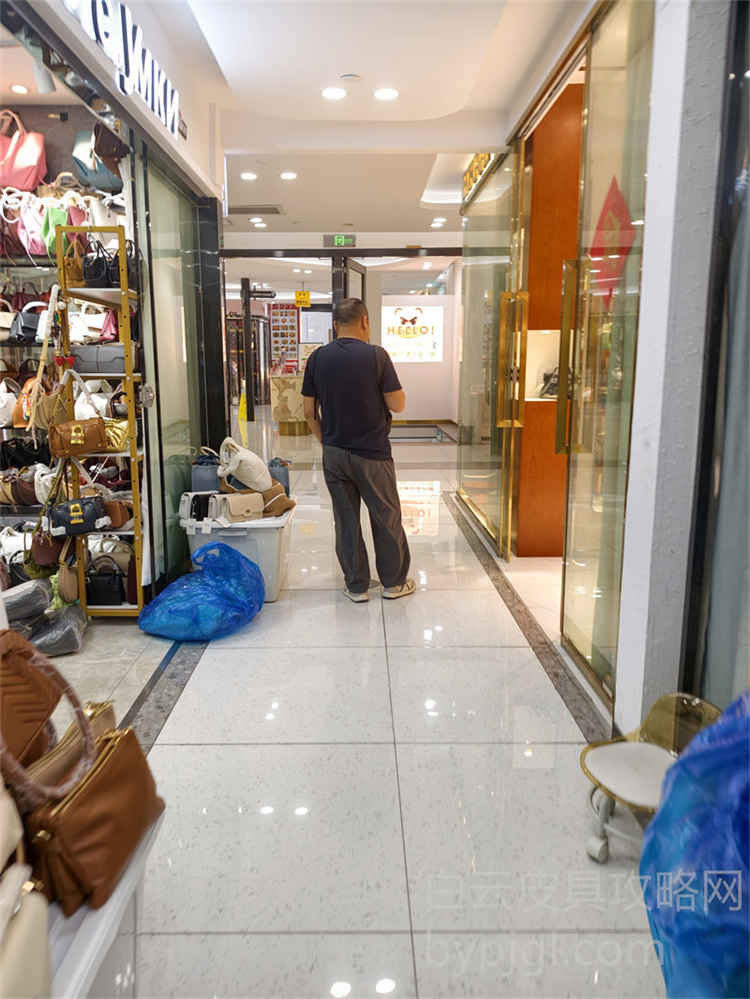
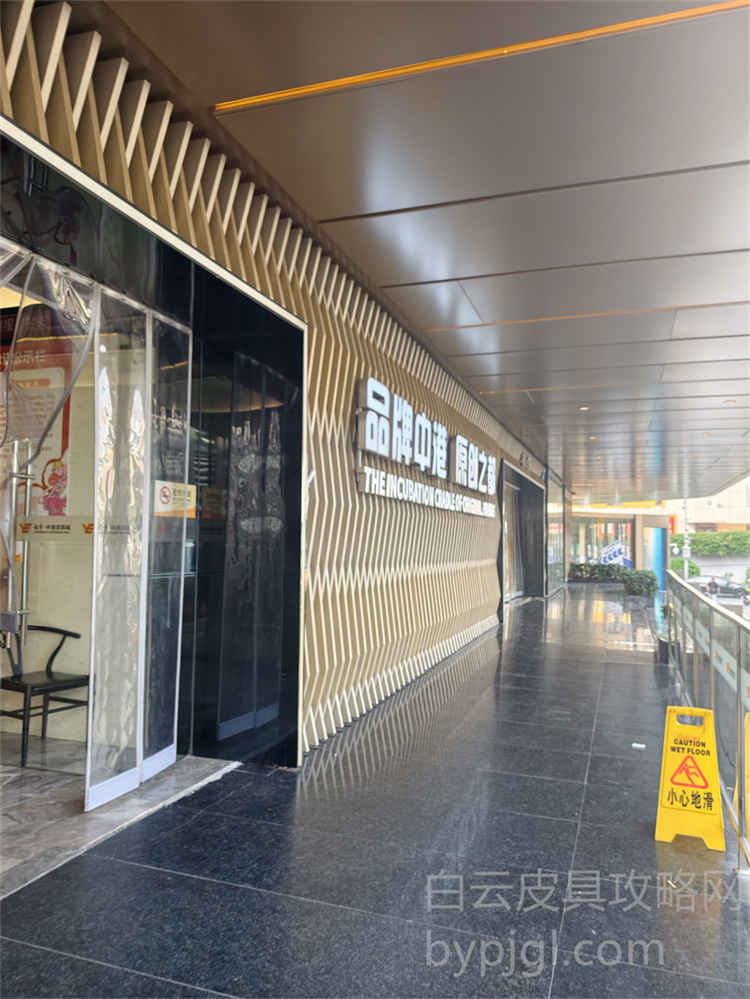
When you first step into the main building of the Baiyun Leather City, do not be intimidated by the sheer volume of goods. This place is massive, spanning multiple floors and connected walkways. My advice? Skip the ground floor if you are looking for serious wholesale deals. That level is often geared towards tourists or small retail buyers who want single pieces at inflated prices. Head straight for the upper floors, specifically around the 4th and 5th levels, where the real manufacturers and large-scale wholesalers operate.
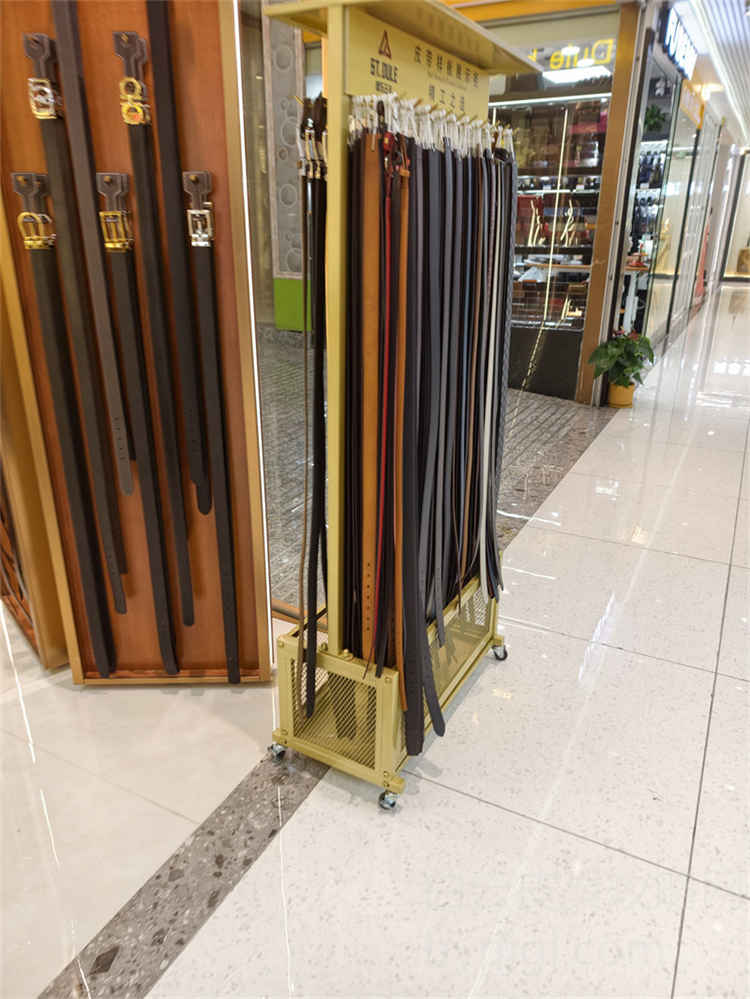
You will notice the layout changes as you move deeper. The aisles become narrower, and the displays shift from flashy showpieces to stacks of boxes and sample racks. This is where the serious business happens. Look for signs that say "Factory Direct" or those with no English signage at all. These are often the most authentic sources because they cater primarily to domestic distributors and export agents who know exactly what they need.
Beyond Baiyun: Exploring the Satellite Markets
While Baiyun is the giant, do not limit yourself to just one building. Just a short walk away, you will find smaller markets like Shiqiao and parts of the nearby industrial zones. These areas often house the actual production workshops or smaller, more agile suppliers who might not have the budget for prime real estate in the main trade center. For buyers seeking unique designs or faster turnaround times, these satellite locations can be goldmines. However, be prepared for less polished environments. The lighting might be dimmer, and the staff might speak little English, but the quality control here is often tighter because these owners are directly involved in the sewing process.
The Art of Selection: How to Spot Quality Without Getting Scammed
Touch, Smell, and the Hardware Test
When I meet a new client, the first thing I ask them to do is put their hands on the leather. In Guangzhou, the difference between a Grade A product and a Grade C product is often invisible to the untrained eye until you touch it. High-quality leather has a specific grain and a distinct smell. Cheap synthetic materials feel plastic-like and lack depth. Run your fingers over the stitching. It should be even, tight, and consistent. If you see loose threads or uneven spacing, walk away immediately.
Hardware is another critical indicator. Do not just look at the shine; check the weight. Heavy, solid metal zippers and clasps indicate better craftsmanship. Light, hollow-feeling hardware is a red flag for poor durability. Ask the stall owner to open and close the zipper repeatedly. If it sticks or feels gritty, that bag will fail within months. We pride ourselves on using YKK or equivalent high-grade hardware, so if they hesitate to show you the brand stamp on the zipper pull, they are likely hiding something.
Understanding the "Sample" vs. "Bulk" Reality
One of the biggest mistakes foreign buyers make is assuming the sample they see on the rack is exactly what they will receive in bulk. In our industry, samples are often hand-picked perfection. They might be made from a slightly different batch of leather or have extra reinforcement that doesn't make it into mass production. Always insist on seeing a "pre-production sample" before you commit to a full order. This is a piece made specifically for your order, using the exact materials and processes planned for the shipment.
If a supplier refuses to provide a pre-production sample, consider it a warning sign. They might be trying to cut corners once the money is transferred. Take your time to inspect this sample under natural light. Check the lining, the glue lines inside the bag, and the alignment of patterns. If the pattern does not match up at the seams, the factory lacks precision. Do not settle for "good enough." In the competitive Guangzhou market, there is always someone offering better quality for the same price.
Sealing the Deal: Negotiation and Logistics Made Simple
Talking Numbers and Building Trust
Negotiation in Guangzhou is not about haggling over pennies; it is about establishing a long-term partnership. When I talk to international buyers, I am transparent about costs. If you ask for a lower price without changing the specifications, you will get a lower quality product. Be clear about your target price point and let us suggest the best way to achieve it. Sometimes, switching the type of leather or simplifying the hardware can save you significant money without compromising the overall look.
Payment terms are also crucial. Never pay 100% upfront without any protection. A standard practice is a 30% deposit to start production and the remaining 70% upon inspection before shipping. If a supplier demands full payment before production starts, run. We value trust, and we want you to feel secure knowing your investment is protected. Building a relationship means we care about your reputation as much as our own.
Shipping and Avoiding the Hidden Pitfalls
once the deal is done, the logistics phase begins. Many buyers underestimate the complexity of shipping from China. Do not rely solely on the supplier's suggested courier unless you have used them before. We can recommend reliable freight forwarders who specialize in handling leather goods, ensuring they are packed correctly to avoid crushing or damage during transit. Always request photos of the packed cartons before they leave the warehouse. This allows you to verify the quantity and condition one last time.
Be wary of hidden fees. Some suppliers quote a low price but add unexpected charges for packaging, labeling, or customs documentation later. Get everything in writing. Clarify whether the price includes VAT, export licenses, and insurance. Transparency is key to avoiding headaches when your goods arrive at your doorstep. By following these steps and trusting your instincts, you can navigate the Guangzhou leather market successfully and build a supply chain that serves your business well for years to come.