Walking the Floors: My Honest Guide to Sourcing in Guangzhou
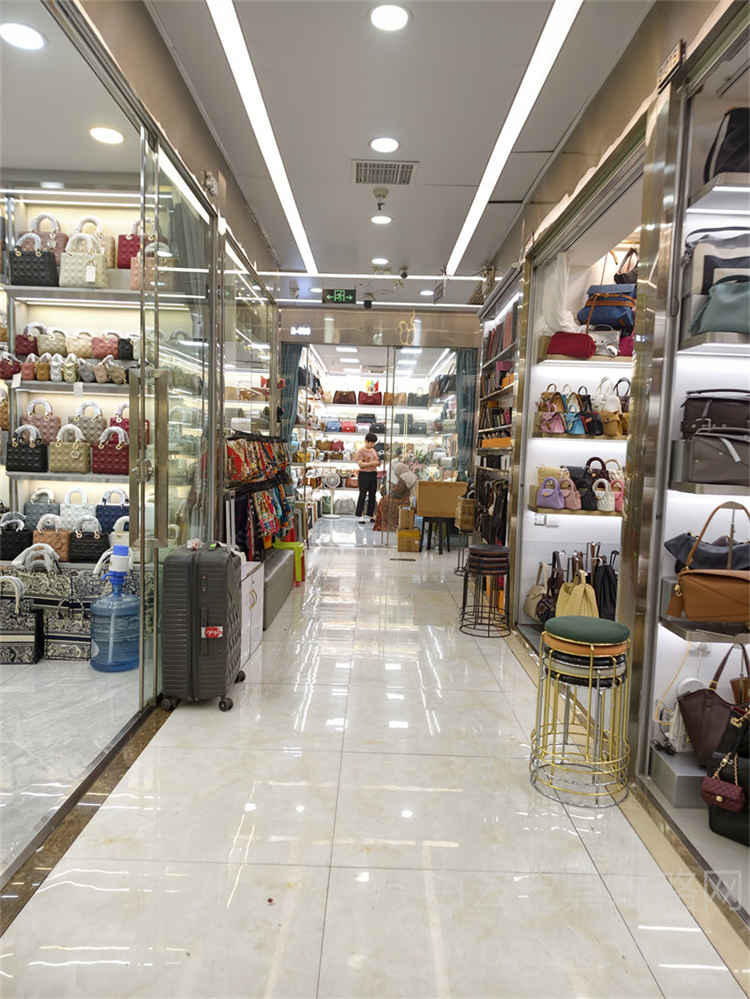
I have been standing behind this counter in the Baiyun district for over two decades. While the internet has changed how we do business, nothing beats the smell of fresh leather and the noise of a bustling wholesale floor. Many of my overseas clients ask me why they should bother coming here instead of just ordering online. The answer is simple: you cannot feel the grain of the hide or judge the weight of the hardware through a screen. When you walk into the markets around Guangzhou Baiyun Leather City, you are stepping into a world where craftsmanship meets commerce at its rawest level.
The Real Vibe of the Wholesale District
Forget what you see in travel brochures. The area surrounding the main hubs is not about luxury shopping; it is about serious business. You will see trucks loading crates, workers carrying heavy boxes, and buyers haggling in a mix of Cantonese, Mandarin, and broken English. This is where the supply chain lives. If you want to find the best pieces, you need to know that the "showroom" quality often differs from the "factory" quality. I always tell my friends to skip the flashy front displays and head straight to the back rooms where the real stock is kept. That is where you see the actual production standards before a single piece hits the retail floor.
Navigating the Market Layout and Finding the Right Stall
Getting lost in these massive complexes is easy if you don't have a plan. The buildings are interconnected, but each floor and corridor has its own specialty. Some areas focus on high-end materials, while others cater to quick-turnover styles. As a local who knows every corner, I advise you to start your day early. The light is better for inspecting stitching, and the vendors are fresher and more willing to talk.
Reading the Signs Without Words
You do not need to speak perfect Chinese to succeed here. In fact, sometimes speaking too much can make you look like a tourist. Watch how the locals interact with their regular customers. They nod, they point, and they open the drawers. Look for stalls that have stacks of bags rather than just one display model. A stall with deep inventory usually means they have direct access to the workshop. If a vendor hesitates when you ask about the material source, move on. Trust your gut. The best deals are found with people who are confident in their product and don't need to oversell.
The Art of Inspection and Quality Control
This is the most critical part of the process. When you are looking at a bag, you are not just looking at the shape. You are checking the symmetry of the stitching, the alignment of the pattern, and the finish of the metal zippers. In my shop, we teach our staff to run their fingers along the edges. If you feel rough spots or uneven glue, that is a red flag. We use top-tier cowhide and calfskin, but even the best leather can be ruined by poor construction.
Hardware and Stitching Details
Pay close attention to the hardware. It should feel substantial, not hollow. When you shake the bag, there should be no rattling inside. The zippers should glide smoothly without catching. I have seen many buyers miss this because they were distracted by the logo or the color. Remember, the details define the value. Ask to see the interior lining as well. Is it tight? Are the pockets functional? These small things separate a good purchase from a bad one. Never accept a sample that looks perfect on the outside but feels cheap on the inside.
Negotiating and Building Long-Term Relationships
Haggling is expected here, but it is an art form. Do not start by offering a lowball price. Instead, show interest in the quality first. Ask questions about the tanning process, the origin of the thread, and the production time. When you demonstrate knowledge, the vendor respects you more. once you establish a rapport, the prices become more flexible. I have built relationships with suppliers who give me priority access to new designs before anyone else sees them.
Understanding Minimums and Shipping
Every stall has different rules regarding minimum order quantities. Some allow you to buy just one piece to test the quality, while others require a dozen. Be clear about your needs upfront. If you are planning to import regularly, negotiate a tiered pricing structure. Also, discuss shipping logistics immediately. Guangzhou has excellent freight forwarders who handle customs clearance and international delivery. Do not try to ship everything yourself unless you know the regulations. Work with someone who understands the paperwork required for cross-border trade.
Avoiding Common Pitfalls for Overseas Buyers
There are scams everywhere, but they are easier to avoid when you are physically present. One common trick is showing you a premium sample and then sending you a lower-quality batch. Always insist on seeing the exact item you are paying for before you hand over any money. Another issue is the "rush job." If a vendor promises you a huge order in three days, be skeptical. Good craftsmanship takes time. Rushing leads to mistakes that cost you more in the long run.
Payment Security and Contracts
Never transfer large sums via personal accounts without a contract. Use secure payment methods that offer buyer protection. Even though we are old friends in the industry, written agreements protect everyone involved. Clarify the return policy for defective items. A reputable seller will stand behind their work. If they refuse to take responsibility for quality issues, walk away. There are hundreds of other stalls waiting to do business with you.
Why Experience Matters More Than Price
In the end, the goal is not just to get the cheapest bag. It is to build a supply chain that delivers consistent quality. The market in Guangzhou Baiyun is vast, but the gems are hidden in the details. By walking the floors, touching the materials, and talking face-to-face, you gain an advantage that online shoppers simply cannot match. I have seen many businesses fail because they relied solely on photos. Don't make that mistake. Come here, trust your instincts, and let the experience guide your choices. This is where the real story of leather goods happens.