Why I've Been Selling Bags in Guangzhou for Over Two Decades
Welcome to my shop. If you are reading this, you probably already know that the world's most sought-after leather goods don't come from Paris or Milan anymore; they come from right here in Baiyun District. I have been standing behind this counter since before the internet was even a household word. People often ask me why they should bother traveling all the way to China when they can just order online. The answer is simple: quality control and direct access. When you buy through an agent or a website, you are buying a guess. When you walk into my store, you are holding the product, feeling the grain, smelling the glue, and talking directly to the person who made it.
I am not going to give you a sales pitch about "luxury" because we do not deal in fake names or stolen designs. We deal in craftsmanship, materials, and supply chain efficiency. My goal is to help you understand how the real wholesale market works so you can build a business that lasts. This is not about finding a cheap knockoff; it is about sourcing high-grade leather goods that stand on their own merit. Let me take you on a tour of what actually happens when serious buyers step onto the floor of the Baiyun Leather City.
Navigating the Real Market Floor
The First Step: Leave Your Expectations at the Door
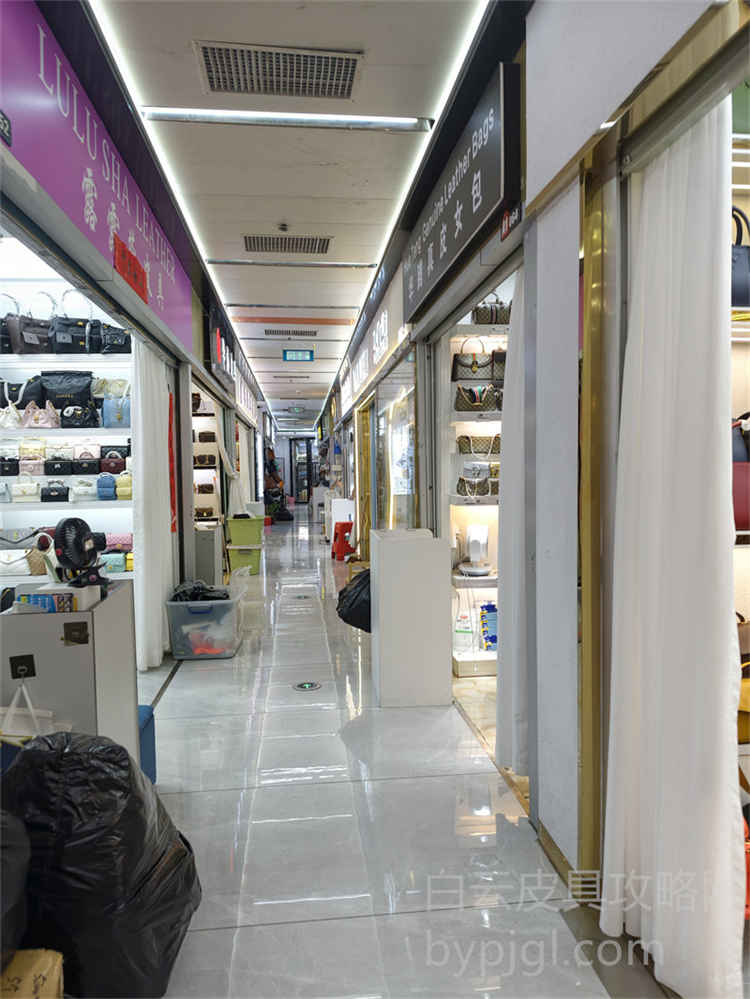
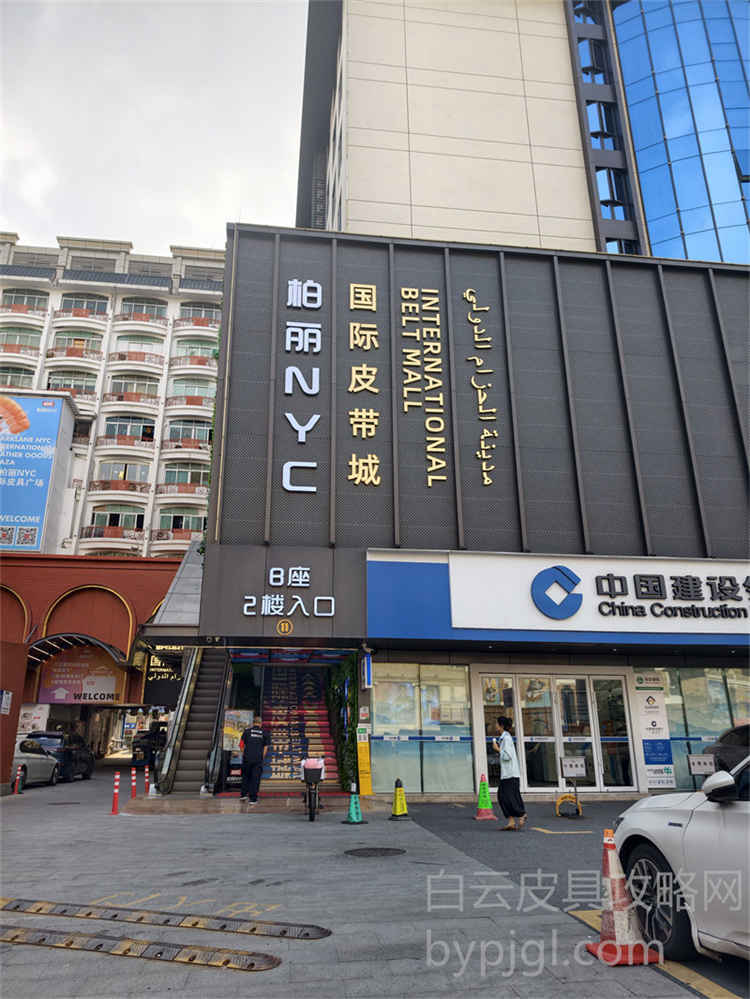
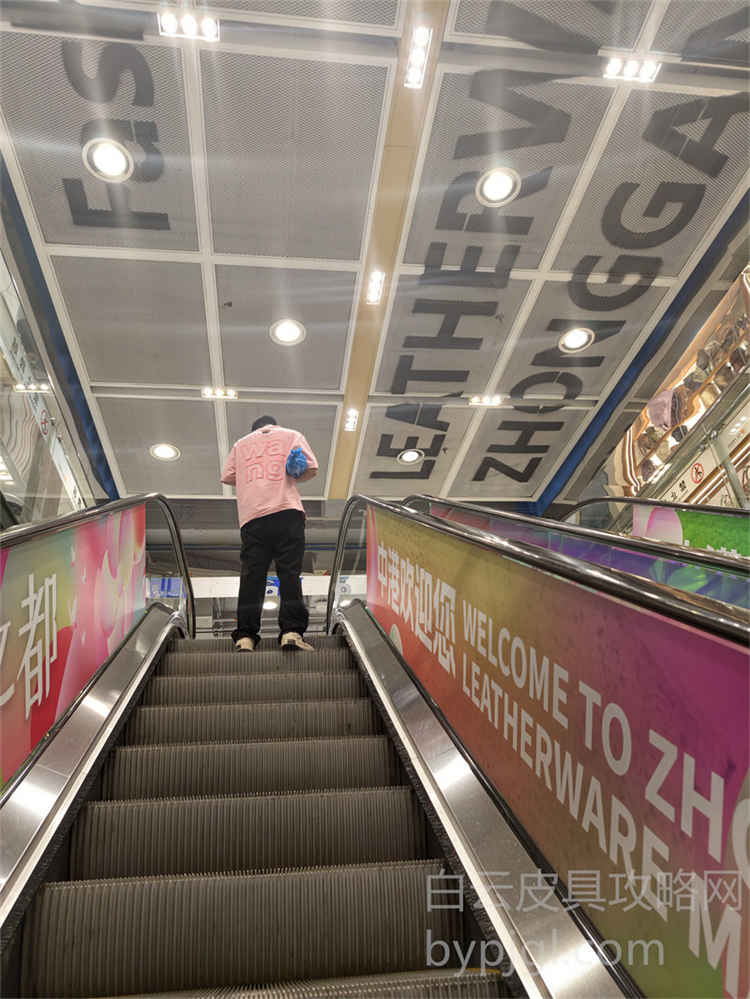
Many first-time visitors get overwhelmed by the sheer size of the complex. It is massive, with dozens of buildings connected by walkways, each housing hundreds of stalls. Do not try to visit every single one. That is a waste of time. Start at the main entrance and head straight for the upper floors where the higher-quality vendors usually operate. The ground floor is often filled with tourists and low-end mass production. You want to go where the serious buyers are walking.
When you enter a stall, do not look at the bags hanging on the front rack immediately. Those are often the "show" items, meant to attract attention but not necessarily represent the best stock. Ask the owner to show you the back room or the storage area. In my experience, the real gems are always tucked away in the back, wrapped in dust bags or stacked in boxes. A good vendor will be happy to show you these if they sense you are serious about business.
Selecting the Right Product and Materials
Understanding Leather Grades Without the Jargon
One of the biggest mistakes foreign buyers make is focusing on the shape rather than the material. Here in Guangzhou, we pride ourselves on our leather selection. You need to learn to distinguish between top-grain cowhide, lambskin, and calfskin by touch alone. Run your hand over the surface. Does it feel cool? Is there a slight resistance? Good leather breathes. Cheap synthetic materials feel plastic-like and warm up instantly against your skin.
Ask to see the cross-section of the leather. This is a trick I learned years ago. Cut a small sample or look at a scrap piece. High-quality leather has a dense fiber structure. If you see a foam layer or a fabric backing glued to the surface, walk away. That is a sign of poor construction that will crack within months. Also, check the lining. Many vendors use cheap polyester, but if you ask for a full cotton or silk lining, many of us can accommodate that request. It shows you care about the interior finish, which separates a premium product from a disposable one.
The Art of Negotiation and Building Relationships
Talking Like a Partner, Not a Customer
In the West, you might be used to haggling over every cent. Here, the dynamic is different. We value relationships over one-off transactions. If you come in acting like a tourist looking for a bargain, you will get tourist prices. If you come in as a buyer looking to restock, you will get wholesale rates. Be honest about your volume. Tell me how many units you plan to order per month. If you are planning to start small, say so. I would rather help you grow than sell you a few pieces at a loss.
Never accept the first price quoted. It is standard practice to negotiate, but do it respectfully. Ask about the minimum order quantity (MOQ). Some stalls require you to buy ten pieces of the same style, while others allow mixed orders. For new buyers, I always recommend starting with a mixed order to test the market. once you find a style that sells well, then you can commit to larger quantities. This reduces your risk and builds trust between us.
Critical Quality Checks Before You Pay
Inspecting Every Stitch and Zipper
This is the most important part of the process. Never pay until you have inspected the goods yourself. Bring a magnifying glass if you have to. Look at the stitching. Are the stitches even? Is the thread color matching perfectly? Loose threads or uneven spacing are red flags. Check the hardware. Open and close the zippers repeatedly. They should glide smoothly without catching. Tap the metal parts; they should sound solid, not hollow. Cheap plating will peel off after a few weeks of use.
Also, check the symmetry. Hold the bag up and look at it from a distance. Do the handles hang evenly? Is the bottom flat? These details matter. If you notice a flaw, point it out immediately. A good vendor will offer a discount or replace the item on the spot. If they get defensive or refuse to acknowledge the issue, move to the next stall. There are thousands of other options in Baiyun District.
Logistics and Shipping Your Goods Home
Getting Your Order Across the Ocean Safely
once you have selected your items and agreed on the price, the next challenge is shipping. Most vendors in Guangzhou have established relationships with freight forwarders who specialize in international logistics. Do not try to ship via regular mail unless you are sending a single sample. For bulk orders, you need a courier service that offers door-to-door delivery.
Ask your supplier to pack the goods securely. Use bubble wrap, sturdy boxes, and waterproof covers. Water damage is a common issue during transit, especially if the shipment goes through humid ports. Ensure that the invoice matches the declared value accurately to avoid customs issues in your country. I always advise my clients to keep a copy of the packing list and the commercial invoice separate from the package itself. This helps if any questions arise during customs clearance.
Building a successful supply chain takes time and patience. Come back often. Visit the market seasonally to see new trends and update your inventory. The leather industry in Guangzhou is constantly evolving, and staying connected with local vendors like me ensures you stay ahead of the curve. Remember, the best deals are not found in ads; they are found in the conversations you have face-to-face in the bustling alleys of Baiyun. Safe travels and happy sourcing.