Walking the Floors: My Honest Take on Sourcing from Guangzhou
I've been standing behind this counter in Baiyun for over fifteen years. While the tourists come and go, often confused by the maze of corridors, I see the same faces returning year after year. They aren't just looking for a cheap bag; they are hunting for that specific balance between craftsmanship, material, and price that you simply cannot find elsewhere. If you are planning to visit the leather markets here, specifically around the Baiyun area, let me tell you what really happens behind the scenes. Forget what you read online about "mirrors" or "perfect copies." Here, we talk about grades, materials, and the art of negotiation.
The First Rule: Don't Rush into the Showroom
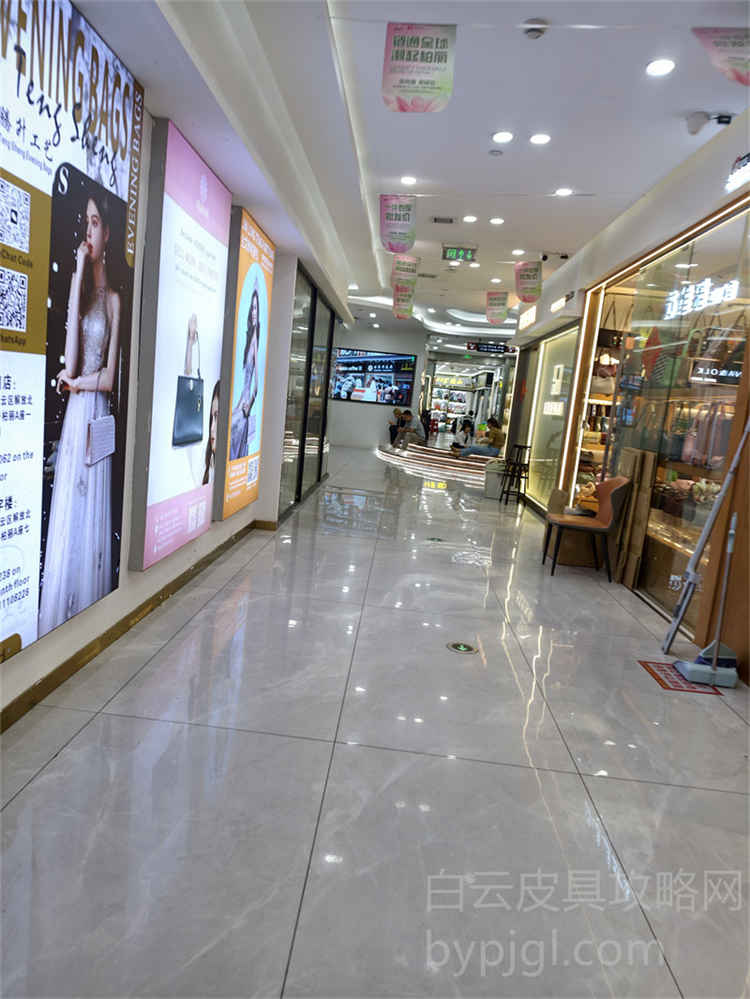
When you first step into the main buildings, the ground floor is mostly for show. The displays are flashy, the prices are marked up for the uninitiated, and the staff will try to push you toward whatever they have in stock right now. This is where most overseas buyers make their biggest mistake. They walk in, see a beautiful display model, and ask for the price. That is the retail price, not the wholesale price. To get the real deal, you need to move past the front line. Ask for the manager or the person who handles the backstock. In my shop, we keep our best samples in the back room, away from the prying eyes of casual shoppers. only when you show genuine interest and ask to see the "factory direct" options do we open the real doors.
Navigating the Market Ecosystem
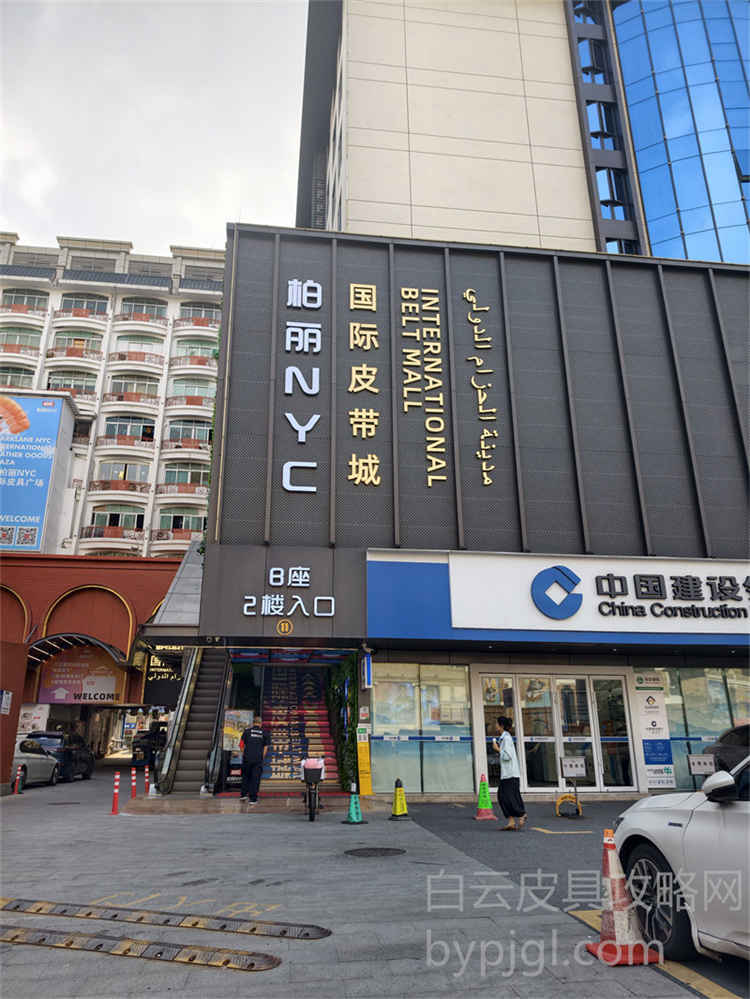
The Baiyun Leather City isn't just one building; it is a sprawling ecosystem of interconnected structures. Each building has its own vibe and specialty. Some focus on high-end materials like calfskin and lambskin, while others specialize in canvas textures or hardware details. As a local owner, I recommend spending your first day just walking. Do not buy anything yet. Look at the stitching, feel the weight of the zippers, and check the smell of the leather. You will quickly learn to distinguish between the cheap PU used for tourist traps and the top-tier cowhide we use for our regular clients.
Understanding the Grading System
You will hear terms like "Grade A," "Top Tier," or "Original Quality" thrown around. These terms can be confusing if you don't know the context. In our trade, we don't use those marketing buzzwords. We talk about the source of the leather and the precision of the mold. When I say a bag is "high quality," I mean the leather comes from the same tanneries as the big European brands, and the pattern pieces are cut with industrial precision. If you want the best experience, ask to see the raw materials. Show me the leather swatches. If the seller hesitates or shows you only finished products, walk away. Real confidence comes from transparency about the supply chain.
The Art of Negotiation and Sampling
once you have identified the style you want, the real work begins. This is where the relationship matters more than the product itself. In Guangzhou, business is built on trust. If you treat us like a vending machine, you will get average service. If you treat us like partners, we will give you access to our best inventory. Start by asking for a sample. Yes, even if you plan to order fifty units, you need to inspect one piece personally. We can ship a sample to your hotel or meet you halfway. This is non-negotiable for serious buyers.
Inspecting the Details Like a Pro
When you receive that sample, do not just look at the outside. Check the interior lining. Is the fabric tight? Are the threads even? Look at the hardware engraving. Does it match the font and depth of the original design? Pay attention to the smell. High-quality leather has a distinct, rich scent, whereas lower-grade materials smell chemical or plastic. Also, check the zipper pull and the locking mechanism. These small details are where the cost savings usually hide. If the hardware feels light or the stitching is loose, no matter how good the leather looks, it is not worth your investment. We pride ourselves on consistency, so if you see a flaw, point it out immediately. We will fix it before you place a bulk order.
Avoiding Pitfalls and Building Trust
There are always risks when sourcing internationally, but they are manageable if you stay grounded. One common trap is paying 100% upfront without any verification. Never do this. We operate on a deposit system, usually 30% to start production, with the balance paid upon inspection of the final goods. This protects both of us. Another issue is communication. Many buyers send vague messages like "send me the best one." Be specific. Send photos of the exact model you want, specify the color codes, and mention any customizations you need. The more detail you provide, the less chance there is for error.
Logistics and Shipping Considerations
once the order is approved and paid, the next step is shipping. We handle this daily. Whether you need air freight for speed or sea freight for cost efficiency, we have established relationships with logistics companies that understand international regulations. However, you must be aware of your country's customs policies regarding imported goods. We do not label packages with brand names to avoid issues, but rather use generic descriptions. It is your responsibility to ensure compliance with local laws. We provide all necessary invoices and packing lists to facilitate smooth clearance.
Final Thoughts from the Floor
Coming to Guangzhou is an adventure, but it requires patience and a sharp eye. The market is vast, and the opportunities are endless, but so are the distractions. My advice is simple: build a relationship with a few trusted suppliers like me. Visit us multiple times if possible. See how we handle problems, how we manage our inventory, and how we treat our customers. When you find a partner who understands your vision and respects your business, you will never have to worry about finding the next great product again. The leather industry here is evolving every day, and we are ready to help you navigate it. Come down to Baiyun, bring your curiosity, and let's get to work.