Walking the Floors: My Honest Take on Sourcing from Guangzhou
I have been standing behind this counter in the Baiyun district for over fifteen years. While the internet tells you everything about "China goods," nothing beats the smell of leather, the noise of the crowds, and the heat of a real negotiation in person. If you are looking to source high-quality bags without getting scammed, you need to stop reading generic blogs and start listening to someone who knows the back alleys of the wholesale markets inside out.
The Reality of the Market Floor
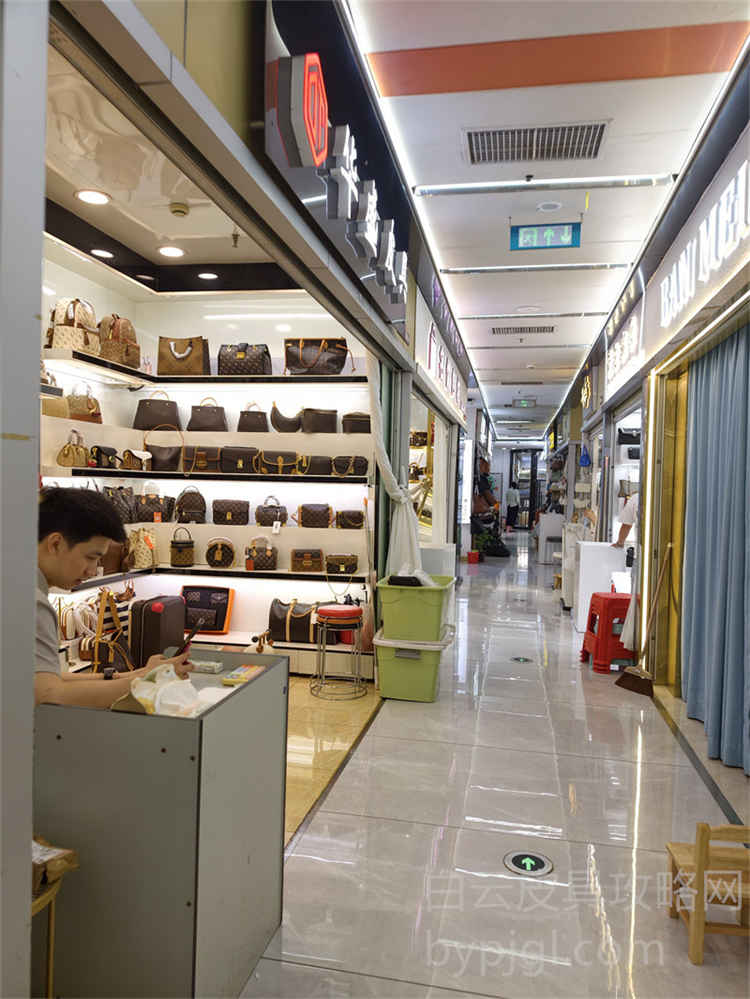
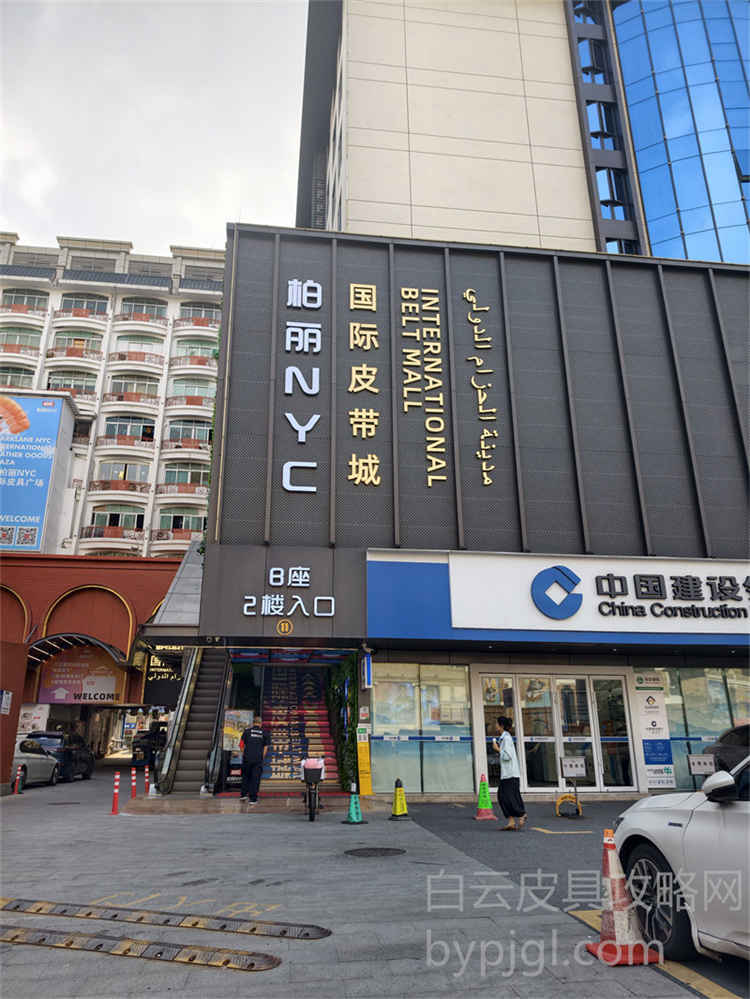
When you first step into the massive complex that houses the Baiyun Leather City, it can be overwhelming. The signage is confusing, the corridors are packed, and everyone speaks fast. Do not try to rush. I see too many foreign buyers walk in with a list of specific brand names they want, only to get shut down immediately at the door. We do not talk about those names here. Instead, we talk about craftsmanship, materials, and hardware. If you ask for a specific designer name, you will be treated like a tourist looking for cheap fakes. But if you ask about "top-tier cowhide" or "custom hardware," you become a serious buyer. That shift in conversation changes everything.
Finding the Right Stall: It Is Not about the Signage
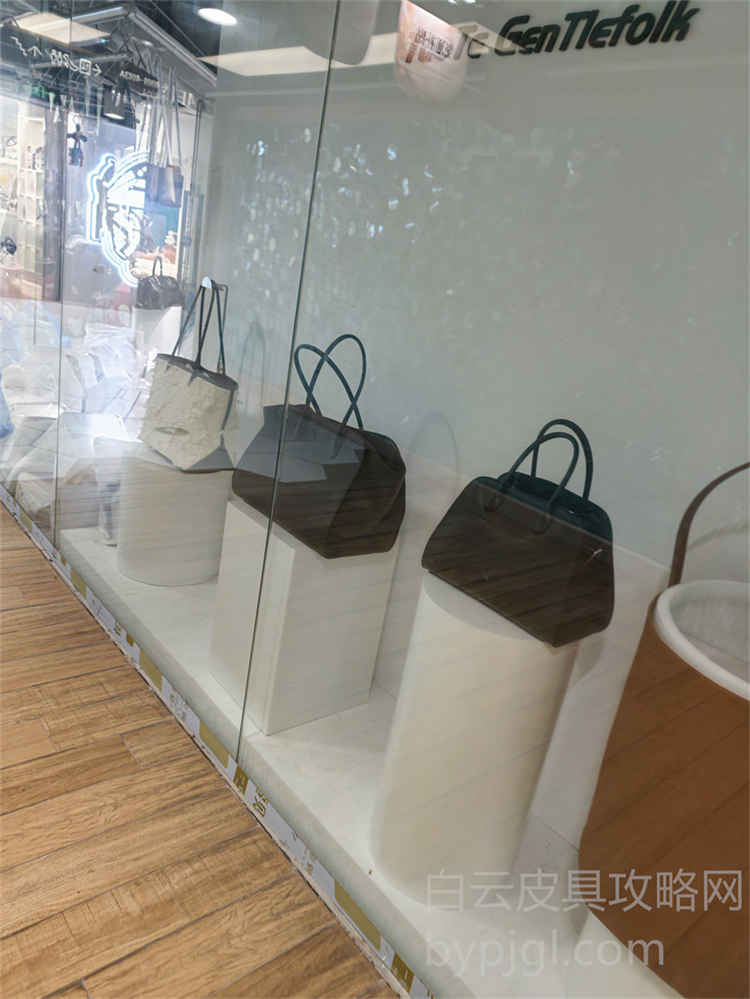
Many newcomers think the biggest storefronts have the best goods. In my experience, that is often the opposite. The flashy shops with huge neon signs and glass displays are usually selling lower-grade stock to tourists or dropshippers who don't know better. The real gems are tucked away in the deeper corridors, sometimes on the second or third floor where the foot traffic is lighter.
Reading the Room Before You Buy
Before you even speak to a salesperson, look at what other people are doing. Are there locals haggling? Are there small groups of young entrepreneurs taking photos of the bags? These are your signals. A stall that is busy with repeat customers usually has good supply chains. I always tell my clients to ignore the mannequins dressed in the flashiest outfits. Look at the bags sitting on the shelves. Check the stitching. Feel the weight of the zipper. If the bag feels light and flimsy, put it down. We deal in substantial products here, not toys.
The Art of Negotiation and Building Trust
This is where most people fail. They treat every transaction as a one-off sale. In Guangzhou, business is built on relationships. When you walk into a stall, do not just point and say "I want ten." Start by asking questions. Ask about the leather supplier. Ask how long the hardware has been tested. Show them you care about quality. once you show genuine interest, the owner will open up.
Understanding the Pricing Structure
You will hear prices that seem astronomical compared to online listings, and then you will hear prices that are suspiciously low. There is a reason for this. The price depends entirely on the grade of leather and the precision of the mold. If you want the absolute best material available in the market, you pay for it. However, do not be afraid to negotiate. I have seen buyers walk away because they refused to haggle, thinking it was rude. In our culture, haggling is a sign of respect; it shows you value the product enough to discuss its worth. Start at 70% of the asking price and work your way up. If the seller refuses to budge after three rounds, the price is likely fixed for a reason, and you should move on.
Vetting the Product: What to Look For
When you finally decide on a style, do not just take a photo. Bring a magnifying glass if you have to. Inspect the lining. Check the glue marks inside the pockets. Look at the alignment of the pattern on the seams. In the Baiyun market, we pride ourselves on attention to detail. If the stitching is loose or the color of the thread doesn't match perfectly, reject it immediately. We do not ship defective goods because our reputation matters more than a single order.
Asking for Samples First
Never place a bulk order without seeing a sample first. This is non-negotiable. Even if you have bought from this stall before, new batches can vary. Pay for the sample. It is a small cost to ensure you are not wasting thousands on a bad shipment. once you receive the sample, compare it to the photos provided. Does the leather feel the same? Is the hardware heavy and solid? If the sample passes your inspection, then you are ready to discuss the bulk quantity.
Avoiding Common Pitfalls for Overseas Buyers
There are traps everywhere. Some sellers might promise you the moon but deliver a different product when it arrives. Others might try to switch the shipping method to save money, which could lead to customs issues. Always insist on using a trusted logistics partner that you control. Do not let the seller handle the shipping unless you have worked with them for years. Also, be wary of stalls that refuse to provide a written contract or invoice. Transparency is key.
Building a Long-Term Supply Chain
My advice is simple: find one or two reliable partners and stick with them. In the chaotic world of wholesale, consistency is rare. once you find a stall that understands your standards and delivers on time, build a relationship. Visit them regularly. Bring gifts. Talk about your business goals. When you become a familiar face, you get priority treatment. You get access to the newest molds before anyone else. You get better prices. This is the secret that keeps my business running smoothly for over a decade.
Final Thoughts on Your Next Trip
Coming to Guangzhou to source bags is an adventure. It requires patience, observation, and a bit of street smarts. The Baiyun Leather City is not just a marketplace; it is a hub of innovation and craftsmanship. If you approach it with respect and a clear strategy, you will find suppliers who can help you build a successful brand. Remember, the best deals are not found on a screen; they are found shaking hands on the factory floor. Go there, look closely, and trust your instincts.