Why I've Been Selling Bags in Guangzhou for Over Two Decades
If you are reading this, you probably know that the world's leather goods supply chain runs through one specific city: Guangzhou. But let me tell you something most online guides won't admit. The internet is full of generic advice about "sourcing," but nothing beats standing on the dusty concrete floor of a bustling wholesale market at 6 AM, smelling the fresh glue and leather dust, and talking face-to-face with the people who actually make these products.
I have been running my own stall in the Baiyun District for twenty years. I have seen trends come and go, from the early days of simple totes to the complex structured bags we see today. My job isn't just to sell; it is to teach you how to navigate this maze without getting ripped off. When foreign buyers ask me where to find the best sources, I always point them toward the heart of the industry. This is not about buying fake luxury items; it is about understanding the craftsmanship, the materials, and the business logic behind high-quality manufacturing in China.
Navigating the Baiyun Leather Market Ecosystem
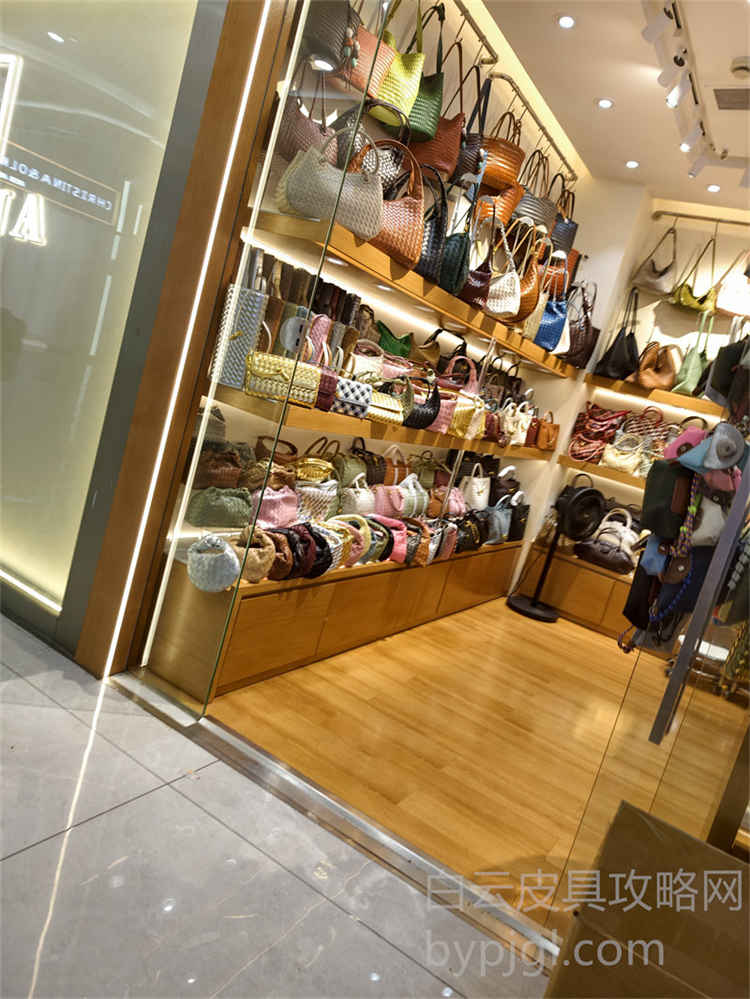
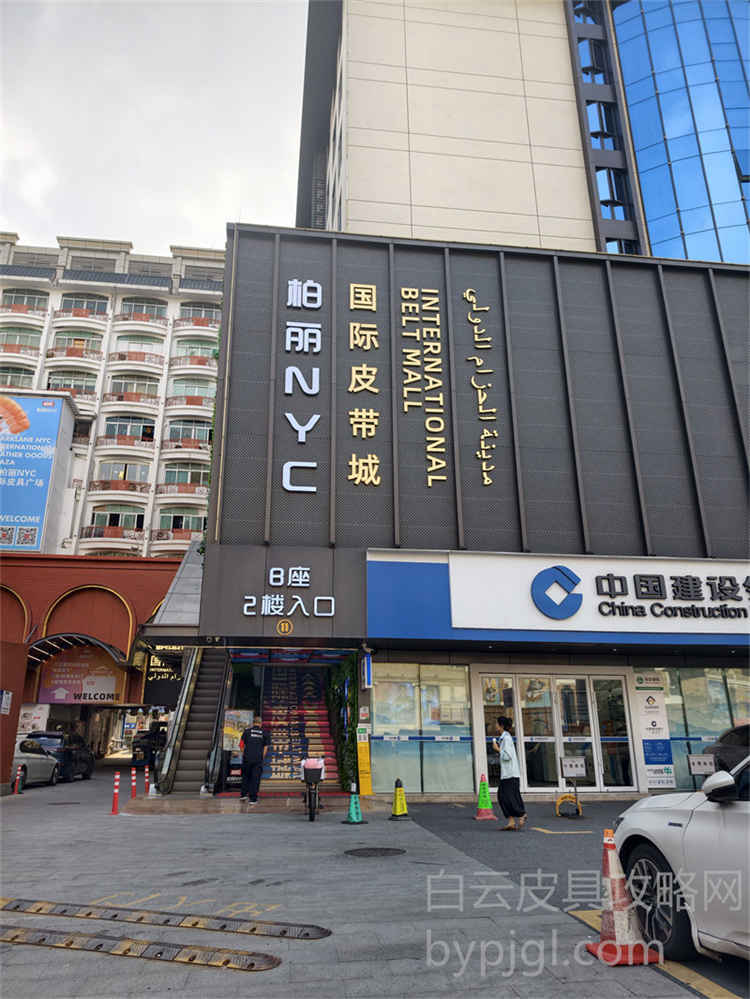
You cannot simply walk into the Baiyun Leather City and expect to find everything you need in one building. It is a massive ecosystem. There are several distinct buildings, each catering to different tiers of production and quality. If you are looking for top-tier raw materials and premium craftsmanship, you need to head to the newer, more modern complexes like the World Trade Center or the specific high-end zones within the main Baiyun hub. These areas house the factories that produce for major international brands.
Finding the Right Building for Your Budget
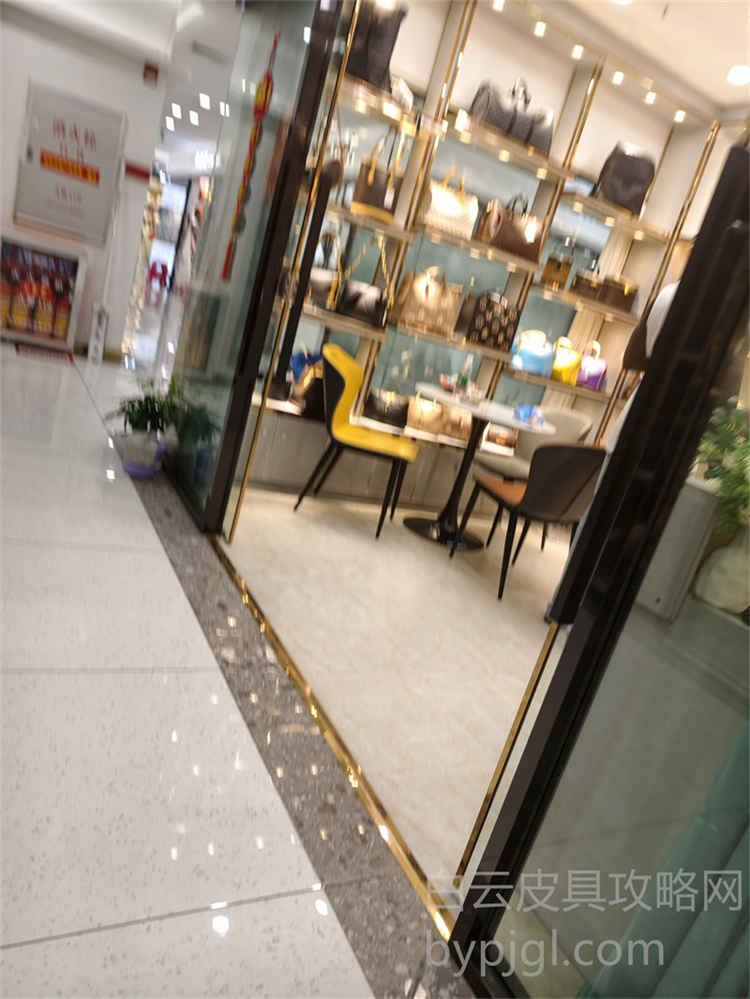
Let's be honest about your budget. Not every buyer needs the absolute highest grade, and not every buyer can afford the premium prices found in the VIP sections. The older buildings nearby might offer lower price points, but the quality control varies wildly. As a local owner, I advise you to start by walking the perimeter. Look at the signage. High-end suppliers often display their certifications and material samples prominently. Avoid stalls that hide their inventory under tables or only show photos on a phone screen. Real manufacturers want you to touch the leather and feel the weight of the hardware.
The Morning Rush and Timing Matters
Timing is everything in Guangzhou. The markets wake up before the sun. By 8 AM, the serious buyers and factory reps are already moving stock around. If you arrive at noon, you will mostly find tourists and casual browsers. I recommend arriving between 7:30 AM and 9:00 AM. This is when the fresh stock comes out of the back rooms. You get first dibs on new designs before they hit the general floor. Also, bring a small notebook. The vendors here move fast, and if you don't write down the style numbers and your negotiation notes immediately, you will forget them by lunchtime.
Insider Tactics for Selecting and Inspecting Goods
once you are inside the market, the real work begins. Many overseas buyers make the mistake of focusing solely on the price tag. In my experience, the lowest price almost always means compromised materials or poor stitching. When you are sourcing bags, you need to look past the logo and focus on the construction.
Touch and Feel: The Leather Test
Never buy based on a photo alone. Even the best camera cannot capture the grain of genuine cowhide or the softness of lambskin. Run your hand over the surface. Does it feel dry and stiff, or does it have a natural give? Ask the vendor to show you the cut edges. Good leather has tight, clean edges that do not fray. If the edge looks rough or painted over to hide imperfections, walk away. We use full-grain leather in our workshop because it ages beautifully. Cheap synthetic alternatives crack after a few months of use, and that reflects poorly on your brand reputation.
Hardware and Stitching Details
Look closely at the zippers and buckles. Do they slide smoothly? Are the engravings deep and clear, or shallow and blurry? Heavy, solid metal is a sign of quality. Light, hollow-feeling hardware is a red flag. Then, check the stitching. Count the stitches per inch. Consistent tension is key. If you see loose threads or uneven spacing, that indicates a lack of skilled labor. In our factory, we train our artisans to maintain strict standards because we know that durability is what brings customers back.
Negotiation, Sampling, and Building Relationships
This is where many foreigners struggle. They treat the transaction as a one-off event. But in Guangzhou, relationships are currency. If you want good prices and priority service, you need to build trust with the supplier.
The Art of the Sample Order
Before you commit to a large order, always request a sample. A reputable supplier will never refuse this. Pay for the sample fee; it shows you are serious. once you receive the sample, inspect it rigorously. Does it match the description? Is the color accurate? If there are issues, communicate them clearly and politely. Do not be afraid to send the sample back for corrections. A good partner wants you to succeed. once the sample is approved, you have a benchmark for the mass production run.
Negotiating Without Burning Bridges
When discussing prices, be direct but respectful. Do not try to lowball a fair price to the point where the vendor loses money. That is a losing strategy. Instead, ask about volume discounts. Tell them, "If I order fifty units now, what is the best price?" Or, "If I place an order every month, can we lock in a rate?" Most vendors in the Baiyun area are willing to adjust margins for consistent business. Remember, we are partners, not adversaries. A friendly conversation over tea can often yield better results than a cold, aggressive negotiation.
Avoiding Common Pitfalls and Ensuring Safety
Finally, let's talk about safety and logistics. The market is crowded, and pickpockets exist everywhere. Keep your wallet and passport secure. Use a money belt or keep your bag close to your body. Also, be wary of deals that seem too good to be true. If someone offers you a price that is half the market rate, they are likely selling you inferior materials or trying to scam you.
Logistics and Shipping Considerations
Do not assume the vendor handles shipping automatically. While many can arrange freight forwarding, you should clarify the Incoterms. Will they handle the export documentation? Who pays for the insurance? For international buyers, it is often safer to hire a third-party inspection company to verify the goods before they leave the warehouse. This adds a layer of protection and ensures that what you ordered is exactly what you received. Trust is built on verification, not just promises.
Guangzhou is a dynamic, fast-paced city that rewards those who are prepared and knowledgeable. By visiting the Baiyun Leather Market in person, engaging directly with local owners like me, and following these practical steps, you can build a reliable supply chain that supports your business growth. The secrets of the trade are not hidden in books; they are found in the conversations, the inspections, and the partnerships forged on the ground.