Why the Real Gems Are Hiding in Guangzhou's Back Alleys
I've been standing behind this counter in Baiyun District for over fifteen years. While the tourists and first-timers flock to the flashy main entrances of the famous markets, I know where the real action happens. If you are looking for "Guangzhou niche bag sources," stop scrolling through generic online listings. The truth is, the most unique, high-quality, and trend-setting pieces never make it to the big wholesale floor displays. They are tucked away in the back rooms of older buildings or hidden within specific clusters of stalls that only locals know how to navigate.
When I tell my overseas clients about sourcing from here, they often expect a massive warehouse full of identical goods. That is not how we operate. The market has evolved. The days of mass-producing cheap replicas are fading fast due to stricter regulations and changing consumer tastes. Today, the smart buyers are hunting for small-batch production, unique leather textures, and designs that haven't flooded the global market yet. This is where the real value lies.
Navigating the Hidden Layers of Baiyun Market
Beyond the Main Corridors
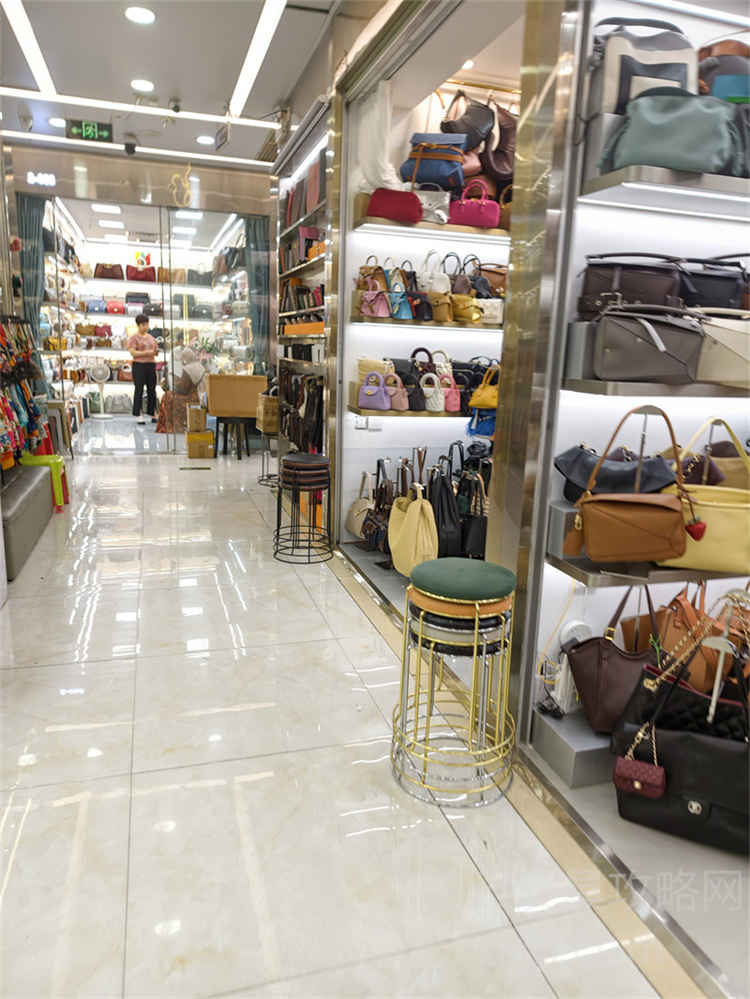
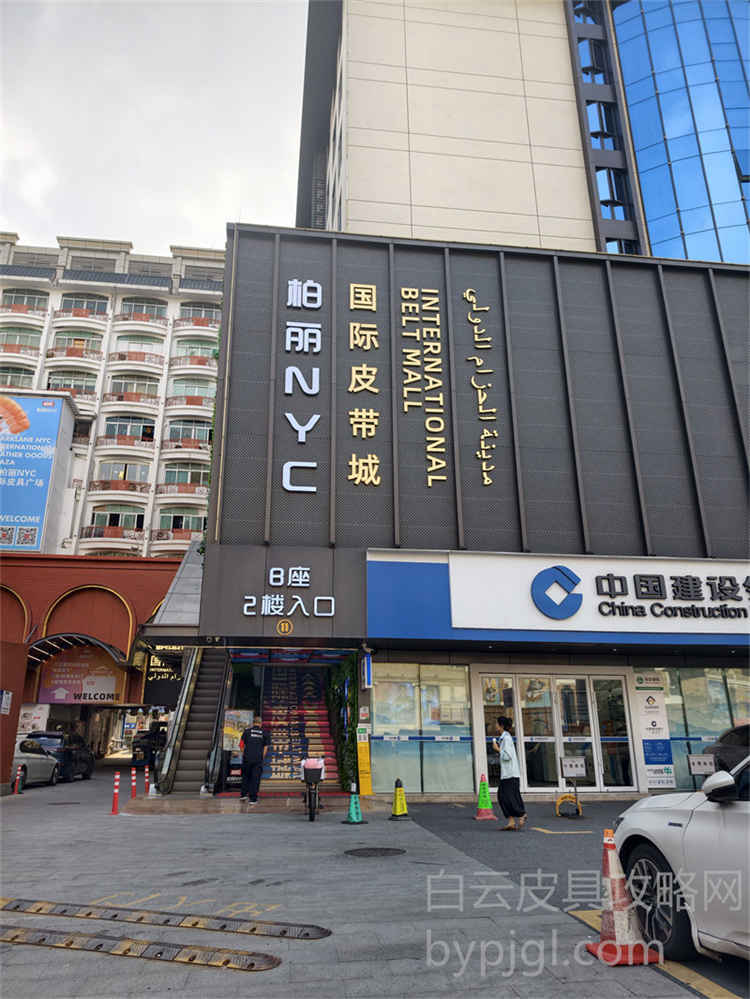
The first mistake most people make is staying on the ground floor of the major complexes. Yes, that is where the volume business is, but it is also where the competition is fiercest and the margins are thinnest. To find those niche sources, you need to walk up the stairs or head to the side streets connecting the main hubs. In places like the Zhongda area or the quieter wings of the Baiyun Leather City, you will find workshops that have been operating for decades without much advertising.
These aren't just resellers; many of them are the actual manufacturers. When you step into these smaller offices, you won't see rows of branded boxes. Instead, you will see stacks of raw materials, sketches pinned to walls, and samples in various stages of completion. This is the environment where innovation happens. Here, you can discuss customizing hardware, choosing specific vegetable-tanned leathers, or altering stitching patterns. It is a collaborative process, not a transactional one.
The Art of the Private Showroom
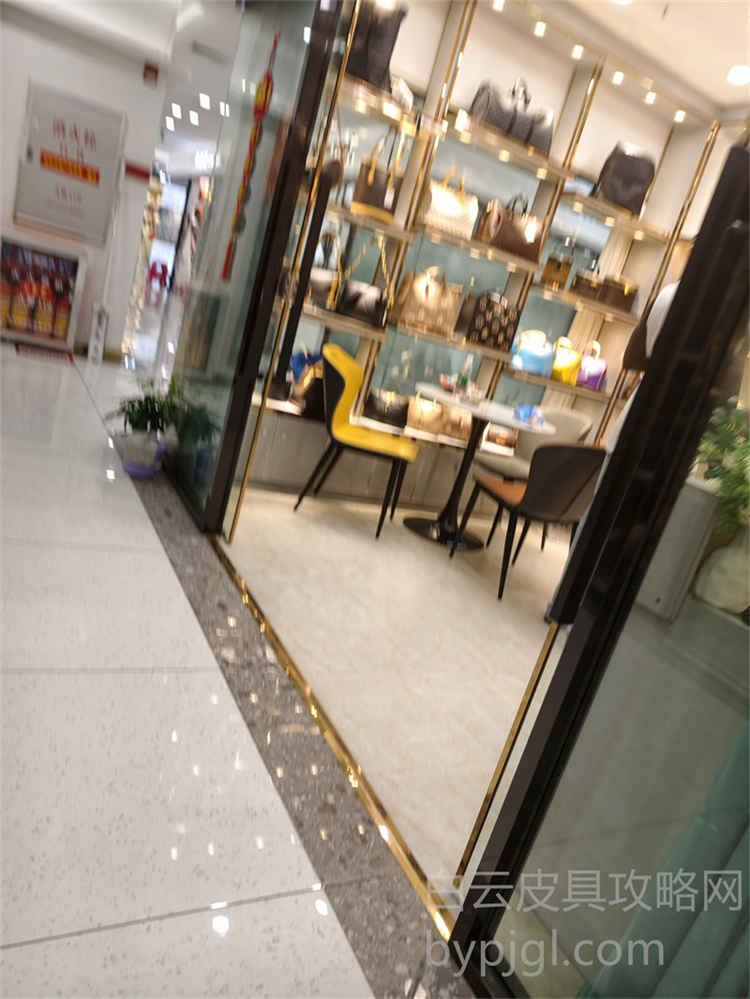
In my experience, the best collections are never displayed openly. When I meet a serious buyer, I don't pull out a catalog. I invite them to the private showroom at the back of the shop. This is where the "niche" magic happens. These are the pieces that were made for a specific boutique in Europe or a select group of customers who value exclusivity. You might find bags with unusual silhouettes, mixed material combinations, or hand-painted details that simply cannot be mass-produced.
Walking through these spaces feels different. The air smells of fresh leather and glue, not the sterile scent of a mall. The owners here speak less about price and more about craftsmanship. They want to know if you understand the value of a well-constructed stitch or the durability of a specific type of lining. This shift in conversation is what separates a genuine partnership from a simple purchase.
Practical Sourcing: How to Vet and Verify
Inspecting the Craftsmanship Personally
Never rely on photos sent via WeChat when you are looking for high-end niche items. The lighting can hide flaws, and the angles can distort proportions. When you are physically here, you need to touch everything. Run your fingers along the edges to check for uneven gluing. Pull gently on the handles to test the reinforcement. Look at the interior lining to ensure the seams are tight and the fabric is durable.
I always advise my clients to bring a magnifying glass. It sounds extreme, but it is necessary. You need to see the density of the stitching. A true artisan will use a thread count that ensures longevity, whereas a rushed factory will cut corners. In the Baiyun market, you can find both, so your eyes must be sharp. If a stall owner hesitates when you ask to inspect the inside of a bag, walk away. Transparency is the first sign of a trustworthy supplier.
Negotiating Without Losing Respect
Talking prices in Guangzhou is an art form. Do not start by asking for the lowest possible number. That signals you are looking for low quality. Instead, ask about the cost breakdown. Ask why the leather costs what it does. Ask about the labor hours involved. When you show interest in the production process, the suppliers respect you more. They will then offer you better deals because they see you as a partner who understands the value chain.
For niche items, the minimum order quantity (MOQ) can be flexible. Unlike the standard models that require hundreds of units, unique designs often allow for smaller batches. This is perfect for startups or boutique owners who want to test the market without overstocking. However, you must be clear about your expectations regarding lead times. Custom work takes time, and rushing it usually results in compromised quality. Patience is a currency here, and it pays off.
Avoiding Pitfalls and Building Long-Term Trust
Red Flags to Watch For
Even after all these years, scams still exist, though they are becoming rarer among established shops. Be wary of anyone who refuses to meet in person or insists on sending payment before you see the goods. Also, be cautious of sellers who claim to have "exclusive rights" to a design that looks suspiciously similar to something seen online a week ago. True niche design takes time to develop.
Another common issue is the discrepancy between the sample and the bulk order. Always insist on a pre-production sample before authorizing the full run. Pay for it if you have to. This small investment protects you from receiving a shipment that doesn't match the quality you saw in the showroom. In my shop, we encourage this practice because it builds trust. We want our clients to succeed, and that means delivering exactly what was promised.
The Future of Local Sourcing
The landscape of the Guangzhou leather industry is shifting towards sustainability and uniqueness. Many of us are moving away from synthetic materials and embracing eco-friendly alternatives. If you are looking for "Guangzhou niche bag sources," you are actually tapping into this forward-thinking wave. The future belongs to brands that can tell a story about their materials and their makers.
So, when you come to Baiyun, leave the checklist of brand names at home. Come with an open mind and a willingness to explore the quiet corners of the market. Talk to the people behind the counters. Taste the leather, smell the workshop, and feel the pulse of the industry. That is where you will find the treasures that no algorithm can recommend. This is not just about buying bags; it is about building a supply chain rooted in quality and integrity.