Stepping Into the Heart of Leather: A Veteran's Guide to Guangzhou Sourcing
Welcome to the real deal. I've been standing behind my counter in Guangzhou for over fifteen years, watching the city transform from a quiet manufacturing hub into the undisputed capital of global leather goods. If you are reading this, you are likely an overseas buyer looking to cut out the middlemen and get straight to the source. You want to know where the magic happens, how to spot quality without getting ripped off, and exactly what goes on behind those heavy metal doors in Baiyun District. Forget the glossy brochures and the generic advice you find online. Let me walk you through the streets, the smells, and the strategies that actually work when you are trying to secure your next shipment of bags.
The First Step: Navigating the Baiyun District Maze
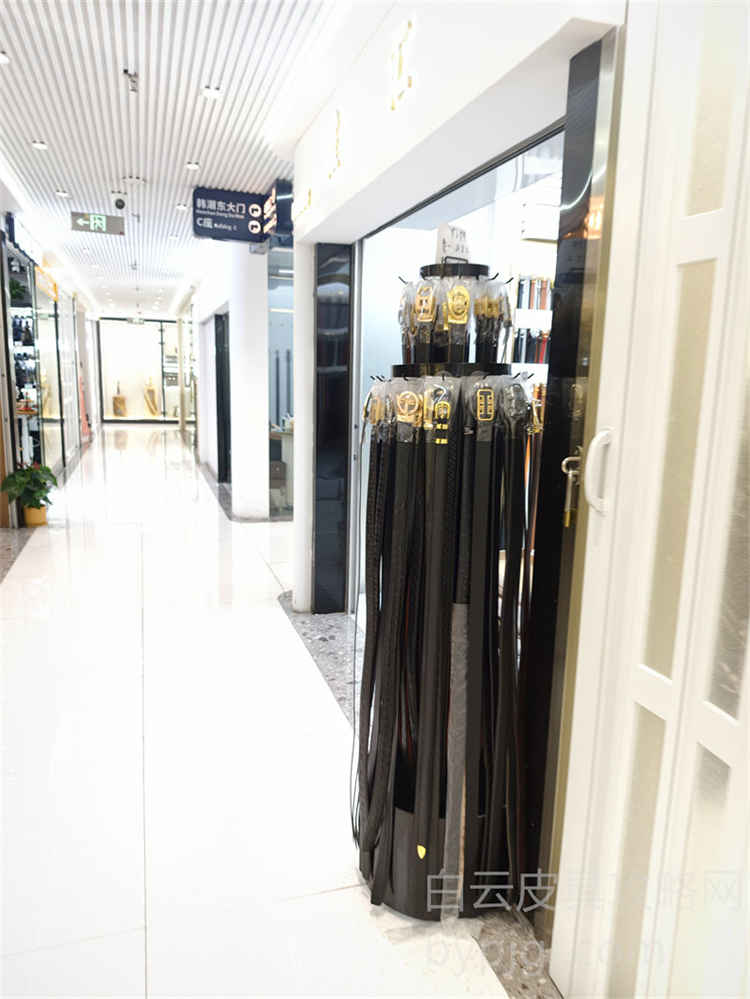
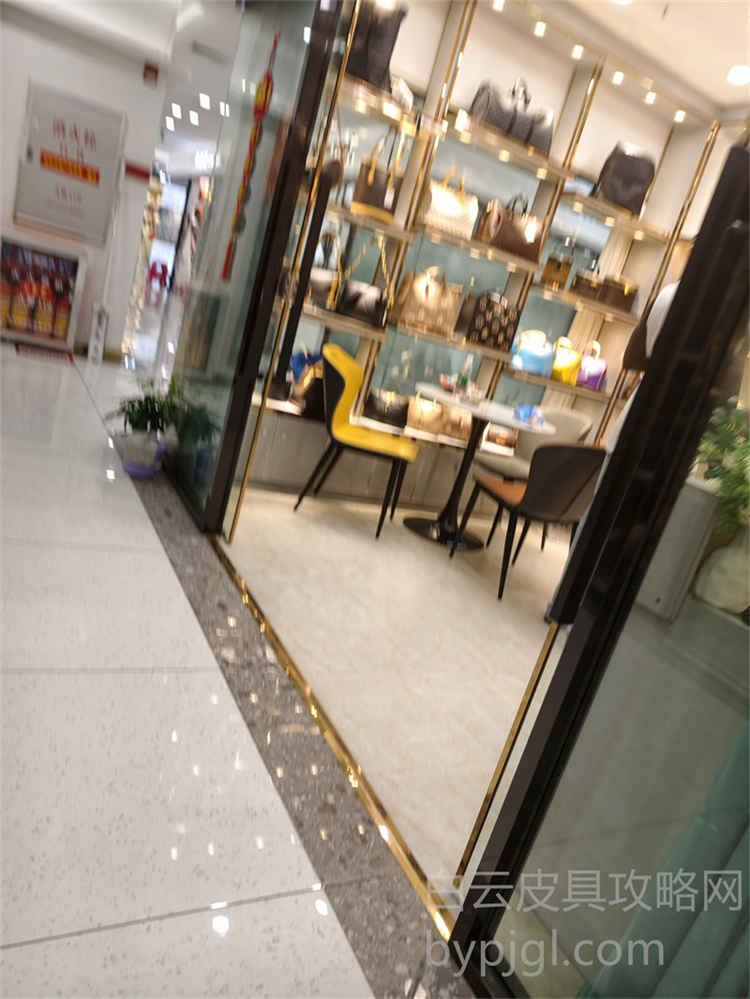
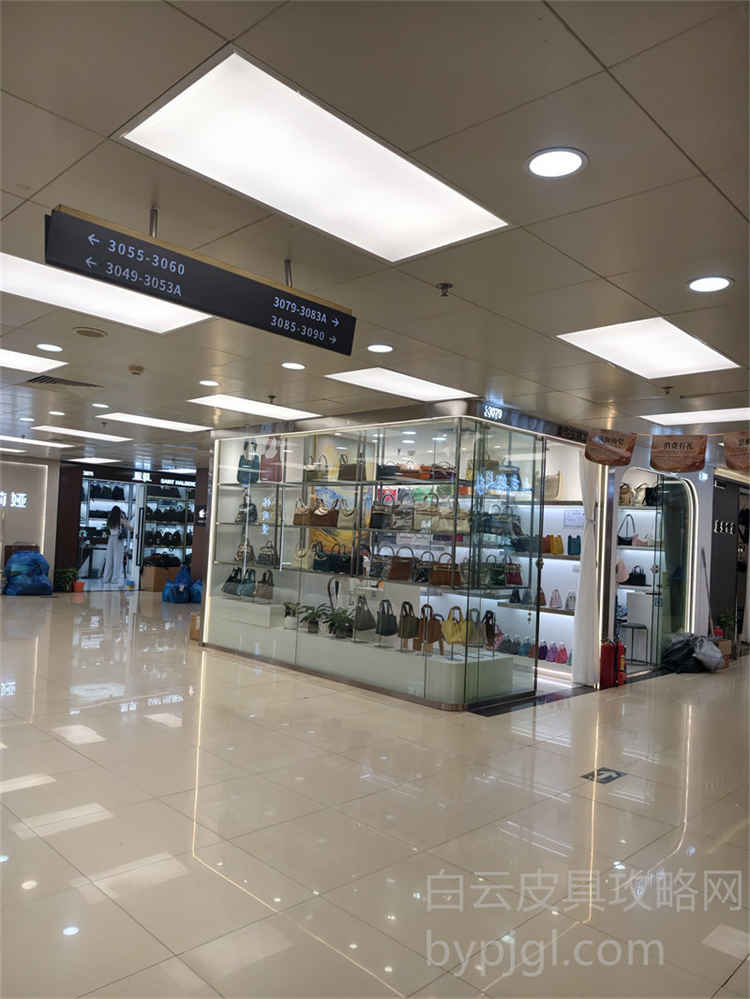
When you first arrive in Guangzhou, the sheer scale of the leather industry can be overwhelming. Most people think there is just one big market, but that is a myth. The Baiyun District is a sprawling ecosystem. Your primary destination should be the Grandview Plaza and the nearby Shide area, but do not stop there. The real gems are often tucked away in smaller buildings or older complexes that tourists never see. When you step off the bus, keep your eyes open. You will see trucks loading crates of leather, workers stitching by hand, and salespeople shouting prices in a mix of Cantonese, Mandarin, and broken English. This is the energy you need to tap into. Do not rely solely on maps; ask the local taxi drivers or security guards where the "high-quality" stalls are located. They know the difference between the showrooms designed for tourists and the actual production floors.
Reading the Room: How to Spot Quality Before You Touch It
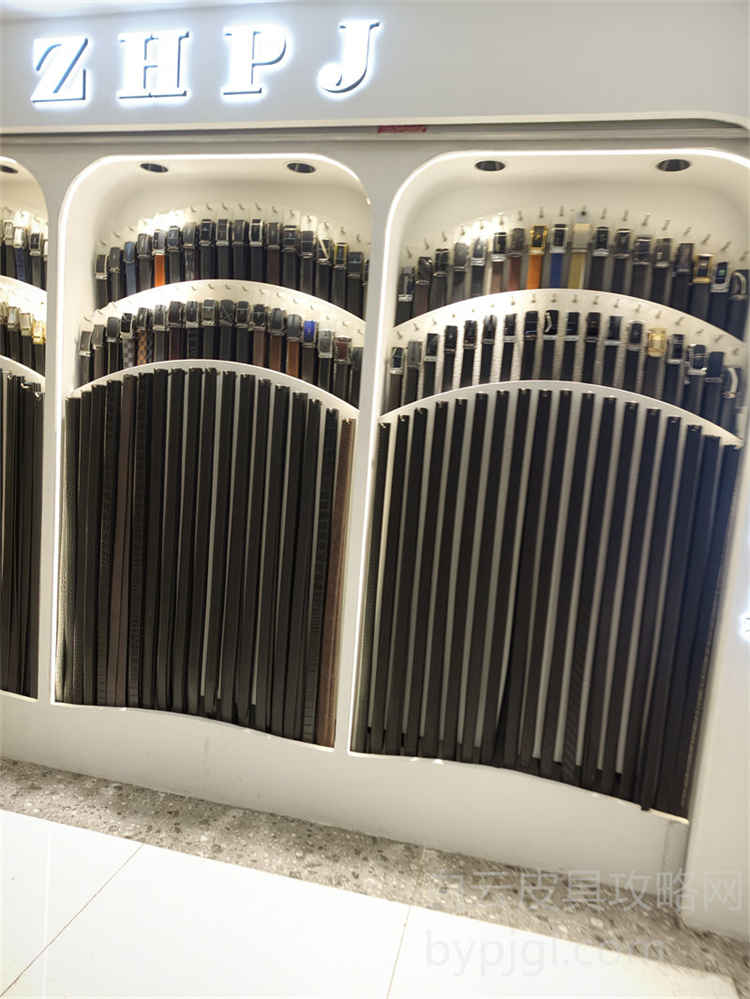
Walking into a stall, the first thing you notice is the smell. Real leather has a distinct, earthy scent that synthetic materials simply cannot mimic. However, many vendors try to mask poor quality with strong perfumes or chemical sprays. As a veteran seller, I tell my buyers to trust their noses. Look at the edges. In the lower-tier markets, you will see bags with rough, unfinished edges or glue seeping out. In the better sections of the Baiyun leather market, the stitching is tight, even, and consistent. Pay attention to the hardware. Cheap zippers stick and rust within months. High-end hardware feels heavy, has a smooth finish, and operates silently. When you are browsing, run your fingers along the lining. Is it loose? Does it feel like cheap polyester or a sturdy canvas? These small details separate a $5 bag from a $50 bag, and they are the first things I check before I even speak to a customer.
The Art of Negotiation: Speaking the Language of Trade
once you have identified a few promising stalls, it is time to talk business. Many foreign buyers make the mistake of asking for "the best price" immediately. That is a red flag. It tells the vendor you are inexperienced and easy to push around. Instead, start by asking about the material composition, the origin of the leather, and the production lead time. Show them you know your stuff. Ask if they use full-grain cowhide or top-layer leather. When you discuss pricing, remember that in Guangzhou, everything is negotiable, but the margin is thin. If you are buying in bulk, you have leverage. Start by offering a fair price based on your research, then let the vendor come down. Do not be afraid to walk away. If a vendor gets angry or refuses to budge, move to the next stall. There are hundreds of options in Baiyun, and competition is fierce. The best deals go to those who build relationships, not just those who haggle aggressively.
Verification and Logistics: Ensuring What You Order Arrives
After you have selected your items and agreed on a price, the verification process begins. Never pay 100% upfront without seeing the final product. Insist on a pre-shipment inspection. This means you or a trusted agent must visit the factory or the warehouse to check the goods before they are packed. Look for loose threads, misaligned patterns, and color variations. In the Baiyun leather market, some vendors might send you photos of perfect samples while shipping inferior products. To avoid this, request video calls during the packing process. Watch them seal the boxes. Also, clarify the shipping terms. Are you paying for air freight or sea freight? Air is fast but expensive; sea is slow but cost-effective for large orders. Make sure you understand the Incoterms so there are no surprises at customs. A good vendor will help you navigate these logistics, offering reliable partners who know how to handle international shipments smoothly.
Avoiding Pitfalls: Common Mistakes New Buyers Make
Even with all this knowledge, mistakes happen. One of the most common errors is ignoring the minimum order quantity (MOQ). Some stalls require high MOQs to offer wholesale prices, while others are flexible for smaller batches. Know your budget and volume needs before you enter the market. Another pitfall is focusing too much on design and ignoring functionality. A beautiful bag that breaks after a week is a liability. Always test the durability of the handles, zippers, and straps. Finally, do not rush. Take your time to explore different districts. The Baiyun leather market is vast, and the best suppliers are often found by those who take the extra hour to walk the extra mile. Build a network of contacts, exchange WeChat numbers, and stay in touch. The leather trade is built on trust, and a good relationship with a supplier in Guangzhou can save you thousands of dollars in the long run.