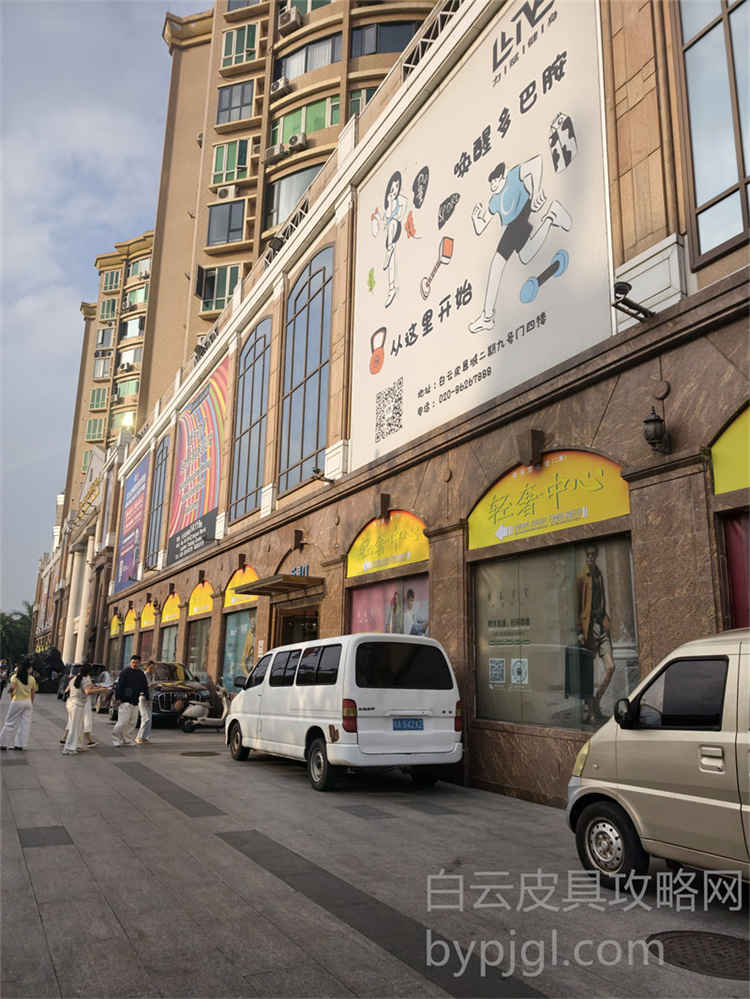
Walking the Floors: My Real Talk on Sourcing from Guangzhou
I have been standing behind this counter in the Baiyun District for over twenty years. While you might see me as just another shop owner, I am actually a witness to the evolution of this entire industry. Every day, I watch buyers from all over the world walk through these crowded corridors, looking for that perfect bag at a price they can't find elsewhere. Many people come here with a list of specific brand names in their heads, but let's be honest: if you are walking into these markets asking for those names, you are already making mistakes before you even say hello. The real game here is about understanding quality, finding the right source, and building a relationship that goes beyond a simple transaction.
The First Step: Leaving the Brand Names at the Door
When I first started dealing with international clients, I noticed a pattern. They would walk up to my stall and immediately ask for "the one" or "the best version." It was always clear they were looking for something specific without saying it out loud. But here is the truth: we do not sell fake goods under our own name, and neither should you expect us to. Instead, we focus on high-end craftsmanship using premium leather and hardware that rivals anything you see in department stores. If you want to get the best deal, you need to shift your mindset from buying a logo to buying a product. When you talk about materials like calfskin, top-grain cowhide, or YKK zippers, I know exactly what you mean. This language opens doors that closed ones never will.
Navigating the Baiyun Leather City Maze
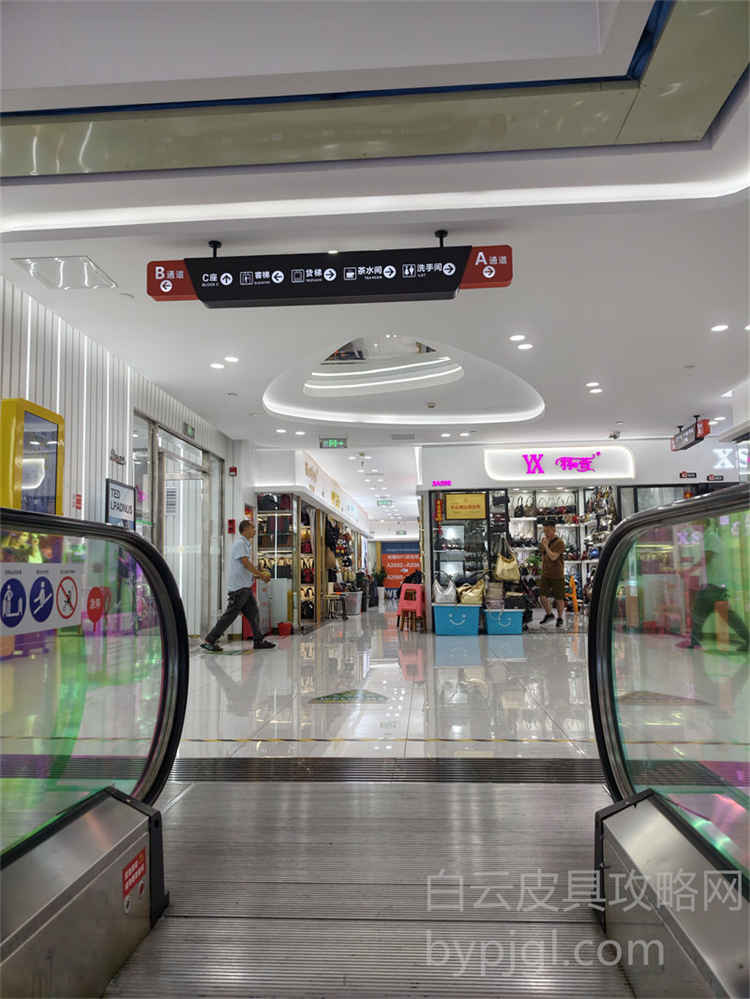
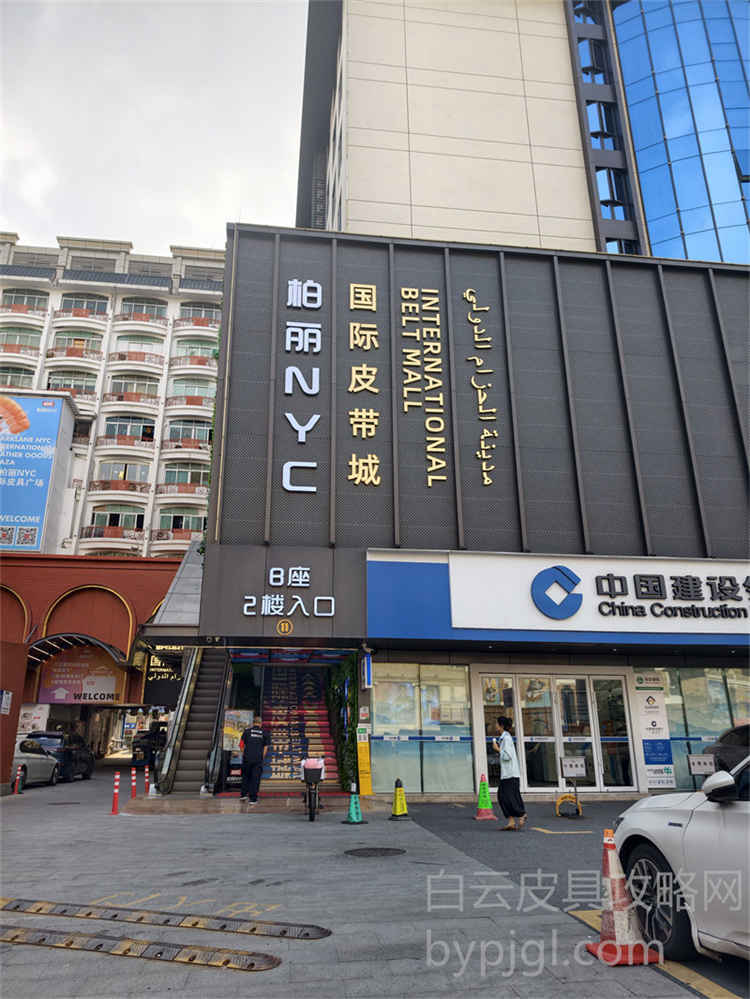
Guangzhou Baiyun Leather City is not a single building; it is a massive ecosystem. There are dozens of buildings connected by covered walkways, each housing hundreds of stalls. For a new buyer, it feels overwhelming. The noise, the smell of fresh leather, and the constant chatter create an atmosphere that is both chaotic and exciting. You cannot just walk in and expect to find the best stock immediately. You have to learn the layout. The ground floor is usually filled with lower-tier items meant for quick turnover, while the upper floors often house the higher-quality workshops where the real magic happens.
Reading the Room: How to Spot Quality Before Buying
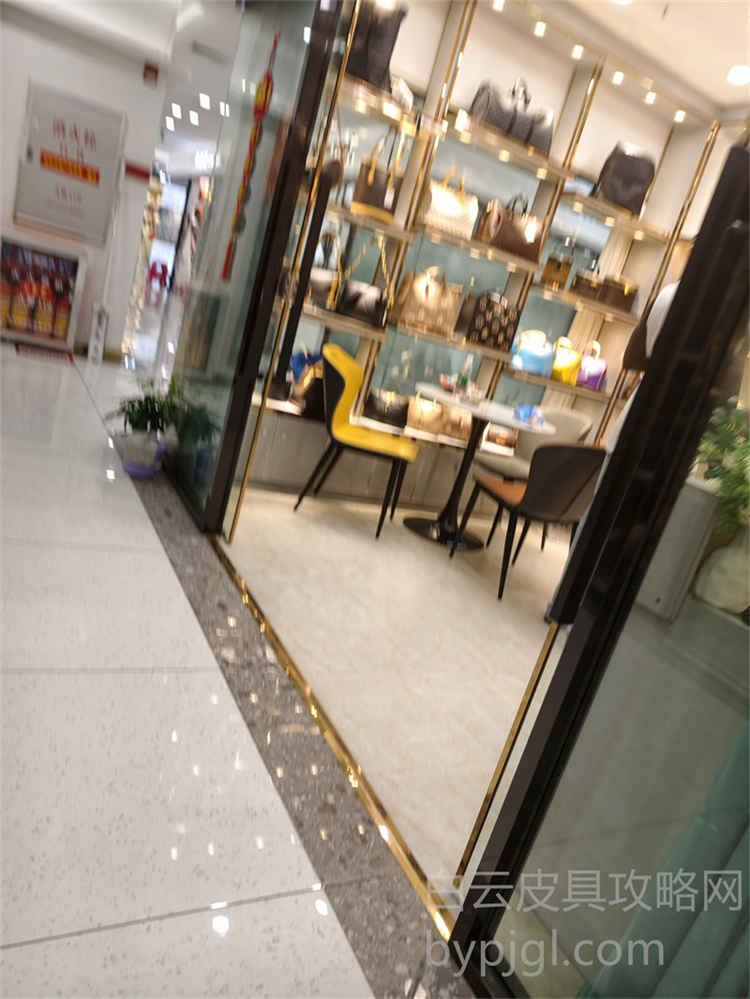
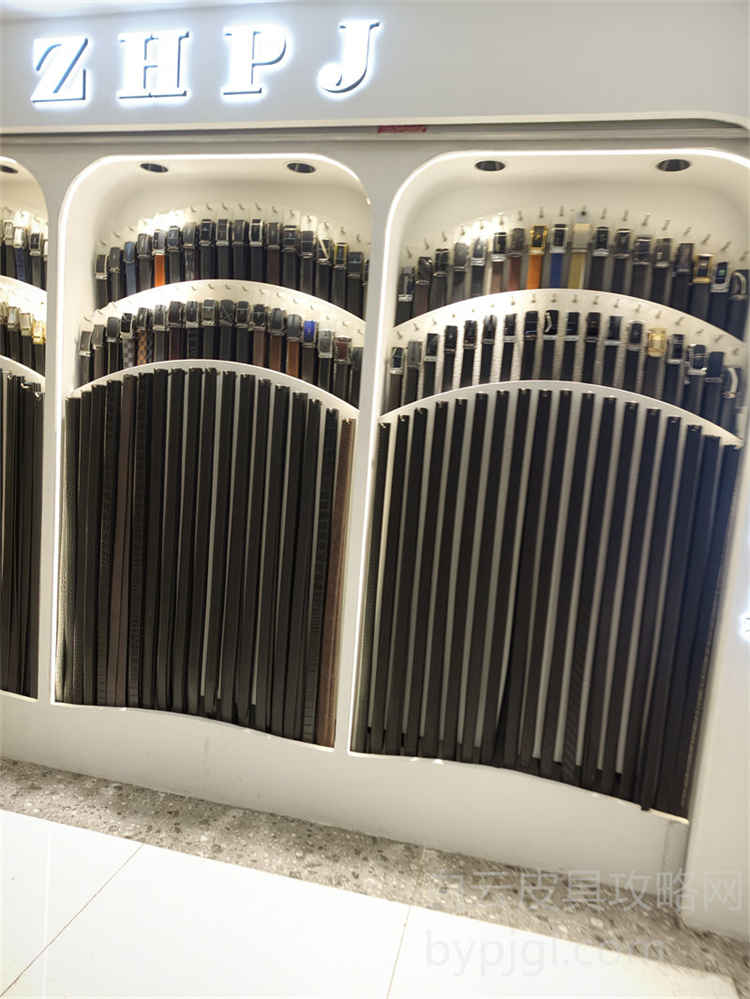
once you are inside, your eyes need to work harder than your wallet. Do not just look at the finished product sitting on the table. Look at the stitching. Is it straight? Are there loose threads? Check the lining. Cheap linings tear easily, but good ones feel smooth and durable. I always tell my customers to pick up the bag and feel the weight. A well-made piece has substance. If it feels light and flimsy, put it back. Also, pay attention to the hardware. Does the clasp open smoothly? Is the metal heavy or hollow? In my experience, the difference between a mediocre item and a masterpiece lies in these tiny details. When you see a bag with perfectly aligned patterns and no glue stains, you know you are in the right place.
The Art of Negotiation and Building Trust
Many overseas buyers think they can just point at a bag and demand a discount. That approach rarely works with experienced sellers like me. We value long-term relationships more than a single sale. When you treat us with respect and show genuine interest in our products, we treat you the same way. Negotiation is a dance. Start by asking about the material composition and the production time. once you establish that you understand the value of the craft, you can discuss pricing. Remember, the cheapest option is rarely the best. If a price seems too good to be true, it usually means the leather is synthetic or the hardware is plated poorly.
Sample Orders vs. Bulk Purchasing
If you are planning to resell these items in your home country, starting with a sample order is the smartest move. It allows you to inspect the quality firsthand without committing to a large inventory. Most of us are willing to send a few pieces for inspection. However, be prepared to pay a slightly higher unit price for samples compared to bulk orders. once you are satisfied with the sample, we can discuss volume discounts. This is where the real savings happen. If you plan to buy fifty or a hundred units, the profit margin becomes much healthier. I have seen many businesses fail because they ordered too much too quickly without testing the waters first.
Avoiding Pitfalls and Ensuring Smooth Logistics
The biggest mistake I see buyers make is ignoring the logistics. Getting your goods out of China requires careful planning. Shipping companies vary greatly in reliability. Some offer air freight which is fast but expensive, while sea freight is cheaper but takes longer. You need to decide based on your timeline. Also, be aware of customs regulations in your destination country. While we provide high-quality goods, every country has its own rules regarding imported merchandise. It is your responsibility to ensure compliance. I always recommend working with a trusted freight forwarder who knows how to handle these shipments efficiently.
Final Thoughts on Your Next Visit
Coming to Guangzhou is an adventure. It is not just about shopping; it is about experiencing the heart of the global leather trade. If you take the time to walk the floors, talk to the owners, and really examine the products, you will find treasures that are hard to beat anywhere else in the world. Do not rush. Take your time to explore different stalls, compare prices, and build connections. The market rewards patience and knowledge. Whether you are looking for a personal purchase or building a business, the key is to approach this place with an open mind and a keen eye for detail. That is how you succeed in the Baiyun District.