Why Your Sourcing Strategy Needs a Pivot to Guangzhou
Listen, I've been standing behind the same counter in the Baiyun District for over fifteen years. While everyone is obsessing over "Tibet Guangzhou bag sources" online, trying to find a direct line from Lhasa to the factories, let me tell you something that doesn't show up on Google Maps: the real action isn't in Tibet at all. It's right here in Guangzhou. If you are looking for high-quality leather goods and want to understand the supply chain without getting burned by middlemen, you need to stop chasing phantom suppliers and start walking the floors of the world's largest leather market hub.
I see too many overseas buyers thinking they can order directly from a remote region or rely solely on WeChat chats. That is a recipe for disaster. The leather industry in China is concentrated, specialized, and incredibly fast-paced. When people talk about sourcing bags from this region, they are almost always talking about the massive ecosystem surrounding the Baiyun Leather City. This is where the raw materials meet the artisans, and where the actual deals happen. My job isn't just to sell you a product; it's to teach you how to navigate this maze so you walk away with inventory that actually sells.
Navigating the Concrete Jungle of Baiyun Market
The First Step: Leave the Hotel and Hit the Streets
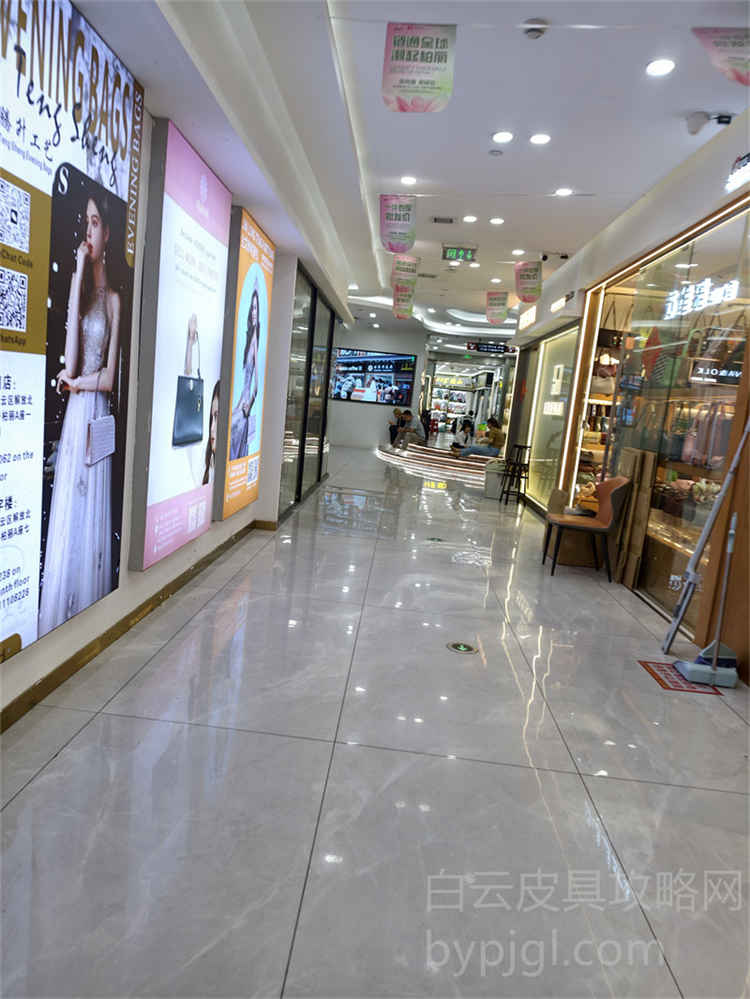
You cannot source effectively from your hotel room. The moment you step into the Baiyun area, specifically around the Jiahe Yuanhao and Zhongda complexes, you enter a different world. These aren't sterile malls; they are bustling industrial hubs filled with trucks, loading docks, and hundreds of small shops stacked vertically. When you arrive, don't look for big signs. Look for the crowds. The best stalls are often tucked away on upper floors or in the back corners where the foot traffic is heavy but the noise is manageable.
I remember when I first started, I thought I needed to visit every single shop. That was a mistake. You need to focus on specific zones. Some buildings specialize in luxury-style craftsmanship, while others focus on casual canvas or rugged outdoor gear. Spend your first day just walking. Touch the leather. Feel the stitching. Smell the glue. In this business, the nose knows what the eyes miss. If the smell is chemical and harsh, walk away. Real quality has a distinct, earthy scent that lingers pleasantly.
Understanding the Layout and Hidden Gems
The layout of these markets is chaotic if you don't know the rhythm. Most shops operate on a "showroom on top, warehouse below" model. You will be shown samples on the third floor, but the actual stock might be three flights down or in a separate building across the street. This is why having a local guide like me is crucial. We know which elevators work, which stairwells lead to the best warehouses, and which vendors have the latest molds before they hit the general market.
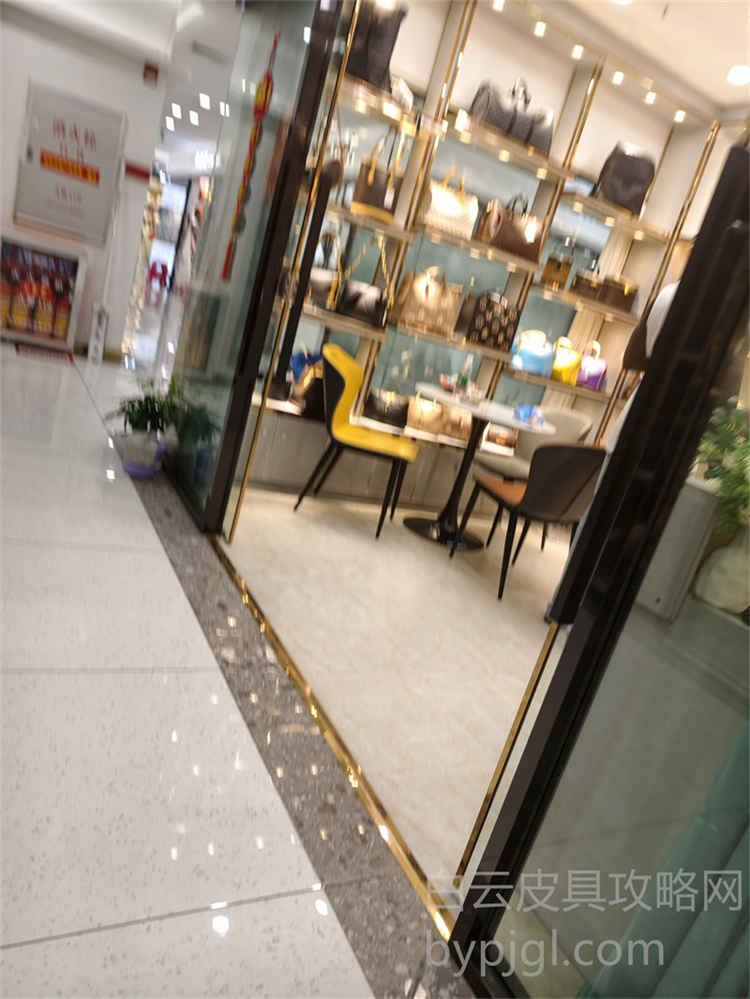
Many buyers get stuck in the ground-floor retail traps where prices are inflated for tourists. The real wholesale prices are only available once you establish a rapport. Don't be afraid to ask for the "boss price." In our culture, respect goes a long way. If you treat us like partners, we treat you like family. If you act like a tourist, you pay the tourist tax. Always carry a notebook. Write down the stall numbers, the styles you liked, and the contact details. Do not rely on your phone camera alone; lighting in these markets can be deceptive, and photos often hide texture flaws.
The Art of Selection and Quality Control
Reading the Stitch and the Hardware
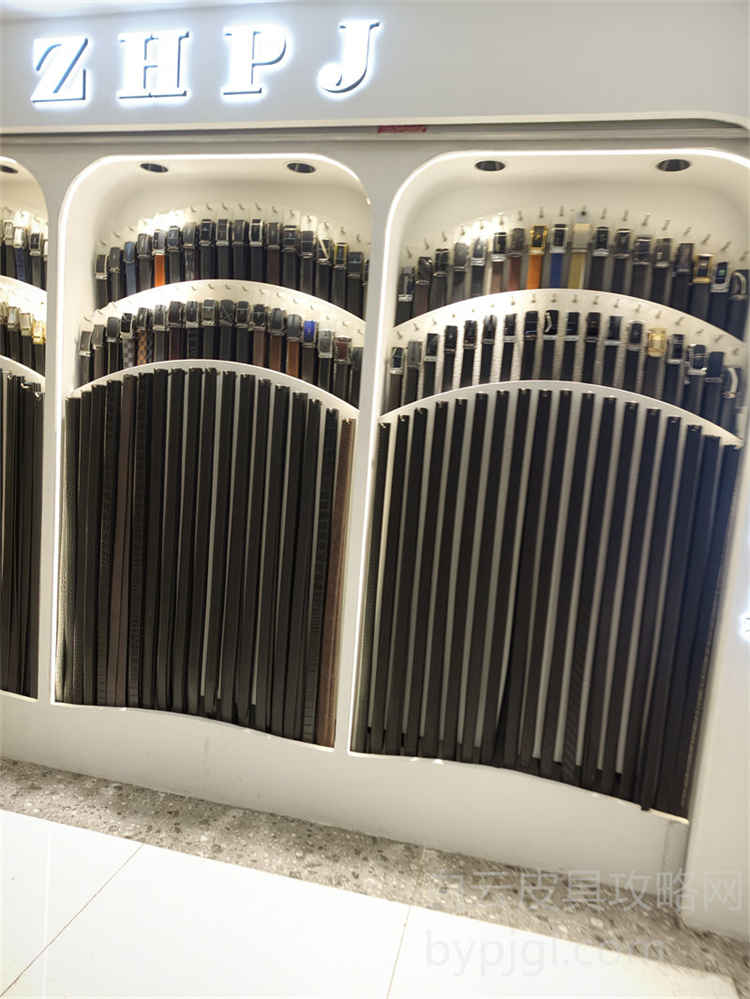
When you are selecting items for your next shipment, you need to know what to look for beyond the brand logo. Since we avoid copying famous names, we focus on construction. Check the stitch count per inch. High-end production usually features tight, even stitching with no loose threads. Run your fingers along the edges. Are they burnished smoothly, or do they feel rough? The hardware is another tell-tale sign. Cheap zinc alloy plating will tarnish in a week. Good brass or stainless steel feels heavy and cold to the touch.
In the Baiyun market, you will see thousands of variations of the same design. Your job is to filter out the duds. Ask to see the interior lining. Is it durable fabric or cheap polyester that tears easily? Does the zipper glide smoothly? A bag might look perfect from the outside, but if the zipper sticks after ten uses, your customers will return it. I always advise my clients to buy one sample first. Test it. Wear it. Fill it with weight. See how it holds up under stress before committing to a bulk order.
Talking Shop: Negotiation and MOQs
Negotiation here is an art form. It is not about haggling over pennies; it is about establishing volume and long-term value. Vendors in Guangzhou are used to dealing with serious buyers who understand the market. When you approach a stall, be clear about your target price and your expected monthly volume. Don't be shy about asking for the Minimum Order Quantity (MOQ). Many shops have flexible MOQs for new partners, especially if you promise to reorder within a quarter.
Be careful with the term "customization." While many shops offer to change colors or add logos, true customization requires time and setup fees. If you want a unique design, you need to discuss mold costs upfront. Sometimes, buying a slightly modified existing style is more cost-effective than creating something from scratch. Trust me, I have seen countless orders delayed because the buyer didn't account for the time needed to create a new mold. Plan ahead, and communicate clearly about deadlines.
Avoiding Pitfalls and Building Long-Term Success
Logistics and Shipping Realities
One of the biggest mistakes I see is underestimating logistics. Getting the goods out of Guangzhou is easy; getting them to your door safely is where things go wrong. Never use a random courier unless you have verified their track record. Work with freight forwarders who specialize in leather goods. They know how to pack to prevent scuffing and how to handle customs documentation correctly. If you are shipping from the Baiyun area, make sure your supplier handles the packaging properly. Wrapping each item individually and using sturdy cartons is non-negotiable.
Also, consider the timing. The Chinese New Year and other major holidays can shut down the entire market for weeks. If you plan your procurement during these times, you risk delays that could ruin your sales season. Always build a buffer into your timeline. Communication is key. Keep your supplier updated on your shipping needs so they can prepare the goods in advance.
Building Relationships Over Transactions
Finally, remember that this business is built on relationships. The Baiyun market is full of talented artisans and savvy traders, but they are also human beings. Treat them with respect, learn a few words of Cantonese if you can, and show genuine interest in their craft. When you build trust, you gain access to exclusive collections before anyone else sees them. You become a preferred partner, which means better pricing, priority production, and honest advice when problems arise.
So, if you are still searching for "Guangzhou leather goods wholesale" or wondering where the best sources are, the answer is simple: come here. Walk the floors, touch the products, and talk to the people who know the trade inside out. The opportunities in Guangzhou are endless, but they belong to those who are willing to put in the work. Let's get to business.