Walking the Floors: My Honest Guide to Sourcing Bags in Guangzhou
I have been standing behind this counter in the Baiyun District for over fifteen years. While the internet tries to sell you a dream of ordering from a laptop, nothing beats the smell of leather and the noise of the wholesale market when you are actually looking for real stock. If you are flying into Guangzhou to source bags, let me tell you, the experience is chaotic, loud, and incredibly rewarding if you know how to navigate it. Most people come here expecting to find "luxury" goods, but I deal with high-quality manufacturing that stands on its own merit. You need to leave your preconceived notions at the door and treat this like a serious business trip.
The Real Layout of the Market
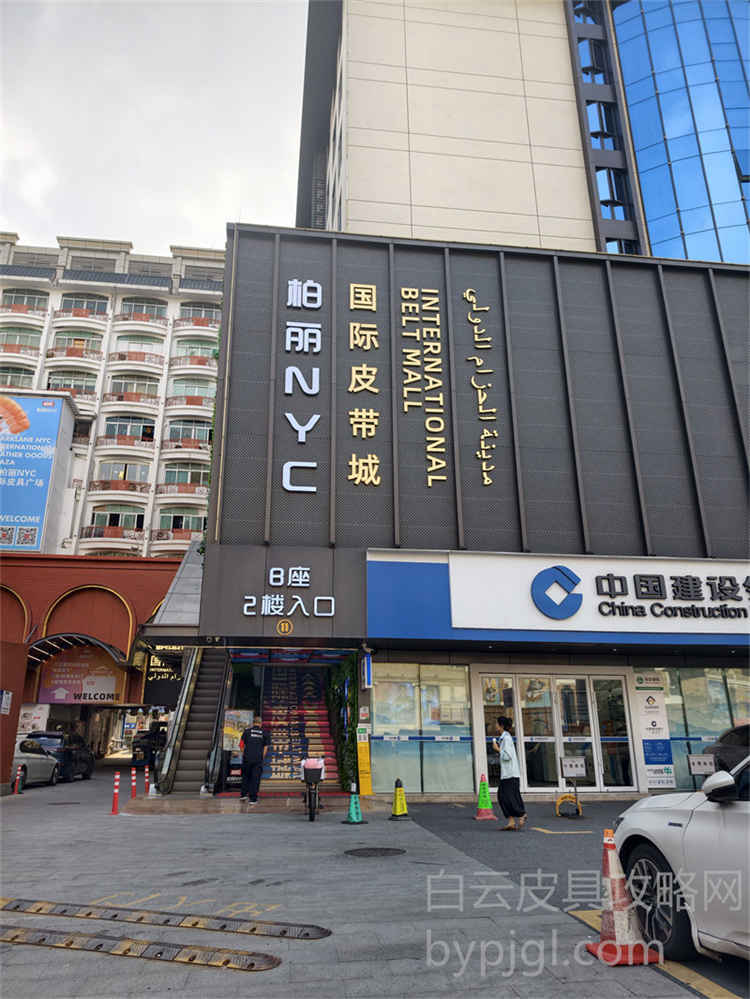
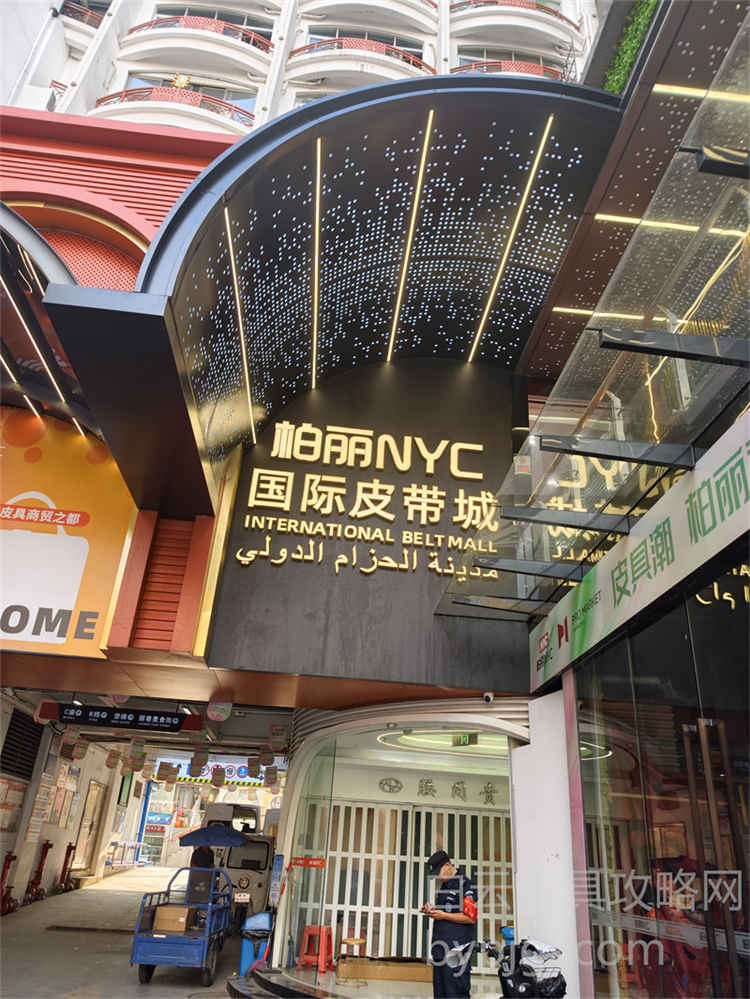
When you step out of the subway or taxi near the airport, you are immediately surrounded by the energy of the Baiyun Leather City complex. This isn't just one building; it is a sprawling network of interconnected malls. The most famous one is the Qianwan Building, often called the Baiyun Leather World. It is massive, with floors dedicated to different tiers of quality. Do not get lost in the maze. Start at the ground floor where the foot traffic is heaviest, but be warned: the prices there are often inflated for tourists who don't know better. The real action happens on the upper floors and in the smaller alleys connecting the main buildings.
How to Spot a Good Stall Before You Buy
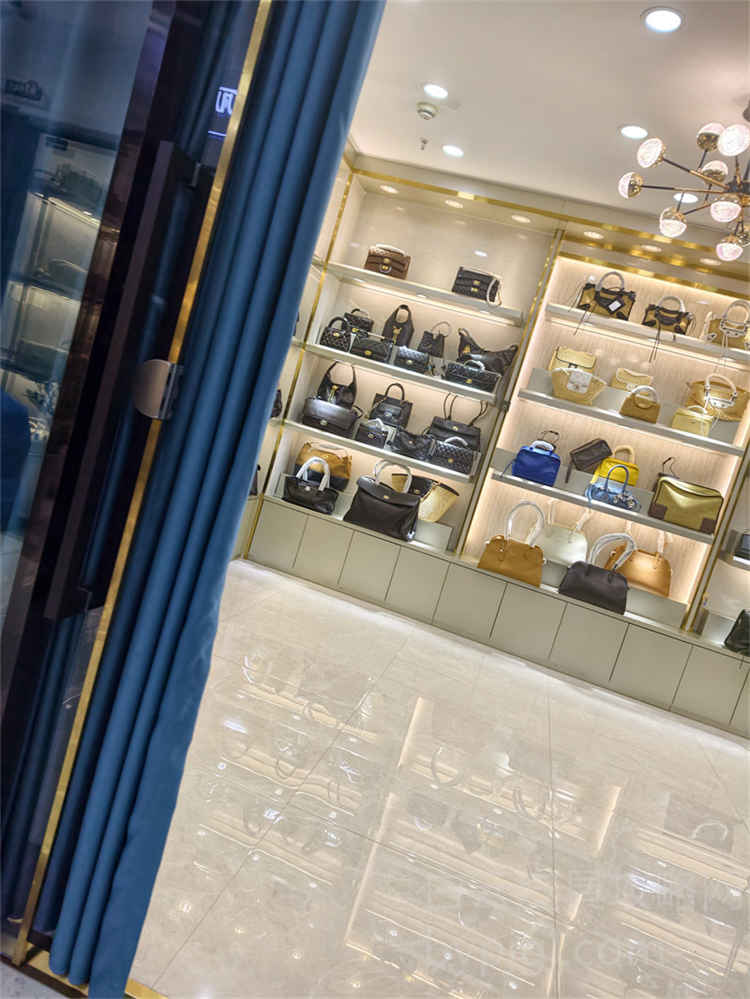
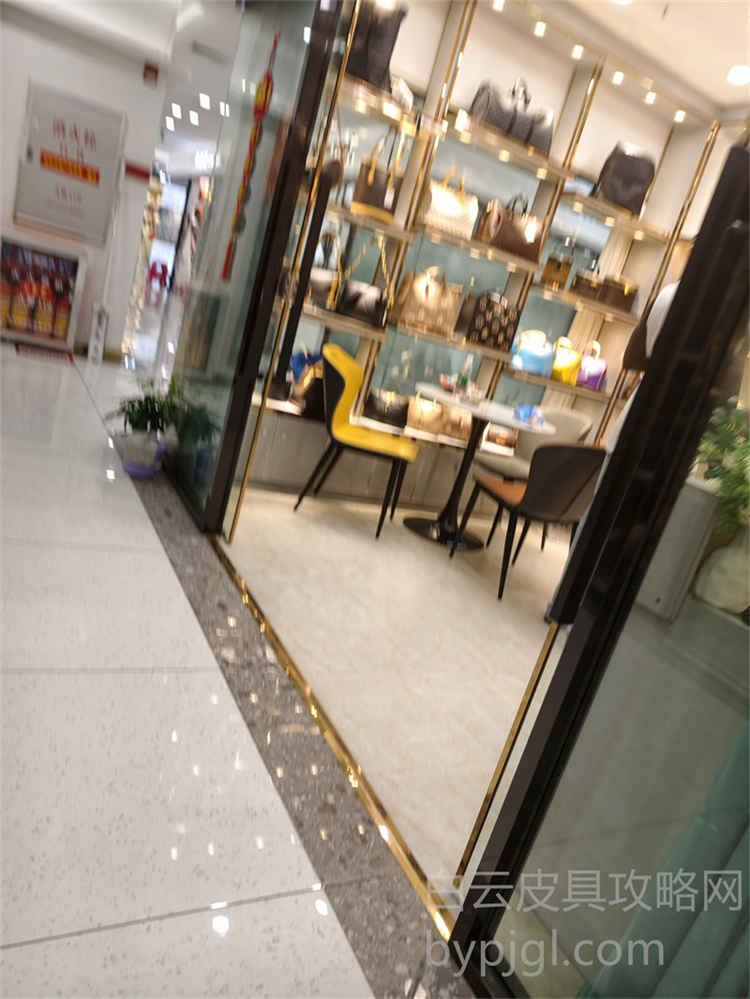
Walking through the aisles, you will see hundreds of stalls displaying rows of handbags. Some look pristine, while others look like they were thrown together in a hurry. As a local boss, I can tell you exactly what to look for. First, ignore the flashy displays. The best suppliers usually keep their inventory stacked neatly in the back room. If a stall owner is too eager to show you everything immediately, they might be pushing low-quality stock. Look for the signs of a serious operation: clean packaging materials, organized racks, and staff who speak English but focus more on the product details than making small talk.
Reading the Quality Without Touching
You do not need to touch every bag to know its worth. Stand back and observe the stitching. In the lower-end sections, you will see loose threads and uneven spacing. In the premium sections, the stitching is tight, consistent, and uses high-grade thread that doesn't fray. Check the hardware. Cheap zinc alloy feels light and looks dull after a few weeks. High-quality brass or stainless steel has weight and a specific sheen. Listen to the sound of the zipper. A smooth, silent glide indicates good craftsmanship, whereas a rattling or sticky zipper is a red flag. These visual and auditory cues are your first line of defense against bad sourcing.
Negotiating and Taking Samples
once you find a stall that catches your eye, do not ask for the price immediately. That is the rookie mistake. Instead, ask about the material composition, the production lead time, and the minimum order quantity (MOQ). In Guangzhou, everyone speaks a version of English, but the key is to sound like a buyer who knows the market. Ask questions like, "What is the difference between this grade and the one next to it?" This shows you understand the hierarchy of quality. When discussing prices, remember that the quoted price is rarely the final price. They expect negotiation. Start by offering 10 to 15 percent less than their asking price and work your way up. If they refuse to budge, walk away. Usually, they will call you back with a better offer.
The Art of Sampling
Never place a large order without seeing a sample first. Even if you have seen photos online, the lighting in a photo can hide defects. Request a physical sample before committing to bulk production. Be prepared to pay for the sample and the shipping cost, as this filters out casual browsers. once you receive the sample, inspect it thoroughly. Check the lining, the glue marks inside the seams, and the durability of the handles. If the sample passes your inspection, then we can talk about volume pricing. This process saves you from receiving a container full of subpar goods later.
Avoiding Pitfalls and Ensuring Smooth Logistics
The biggest risk in the Baiyun Leather City is getting scammed by middlemen pretending to be factory owners. Many stalls are just resellers buying from other wholesalers. To avoid this, ask to see their factory license or visit their workshop if they are willing. A true manufacturer will be proud to show you their production line. Also, be wary of deals that seem too good to be true. If a bag costs $50 elsewhere and someone offers it to you for $15, it is likely made from synthetic materials that will crack within months.
Logistics and Shipping Considerations
once you have secured your goods, you need to handle the logistics. Most stalls in the market have relationships with freight forwarders who specialize in international shipping. Do not try to arrange shipping yourself unless you have a trusted agent. The forwarder will help you consolidate orders from multiple stalls, handle customs documentation, and ensure the goods reach your warehouse safely. Always insist on a detailed packing list and invoice that matches the actual value declared for customs purposes. Transparency here prevents headaches at your destination port. Remember, building a long-term relationship with a supplier in Guangzhou is more valuable than saving a few dollars on a single transaction. Trust is the currency of this market.