Walking the Floors: My Honest Guide to Sourcing Bags in Guangzhou
I have been standing behind my counter in the Baiyun District for over fifteen years. While the internet tells you everything is just a click away, nothing beats the smell of leather and the noise of the wholesale markets when you are trying to build a real business. If you are flying in from overseas looking for "Guangzhou factory bag sources," let me tell you straight: the best deals are not on Alibaba. They are right here, under your feet, in the concrete corridors of the Baiyun Leather City complex.
The First Rule: Don't Trust the Photos
When I first started seeing foreign buyers arrive with their laptops open, showing me pictures they found online, I knew we were going to have a problem. The photos on the screen often look like studio perfection, but the reality on the shelf is different. In our market, the lighting is harsh, and the camera angles hide flaws. When you walk into a stall, ignore the glossy catalogues. Ask to see the actual piece. Touch the grain. Feel the weight of the zipper. A good supplier in Guangzhou knows that if you can feel it, you will buy it. We do not sell dreams; we sell physical goods that need to pass inspection.
Navigating the Baiyun Leather Market Complex
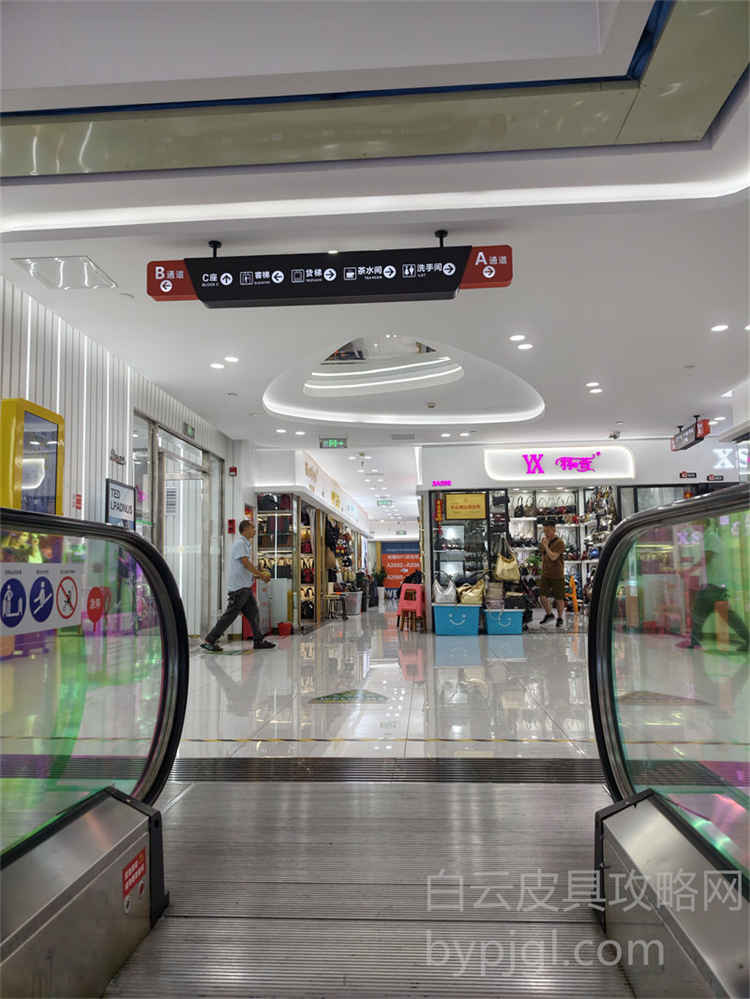
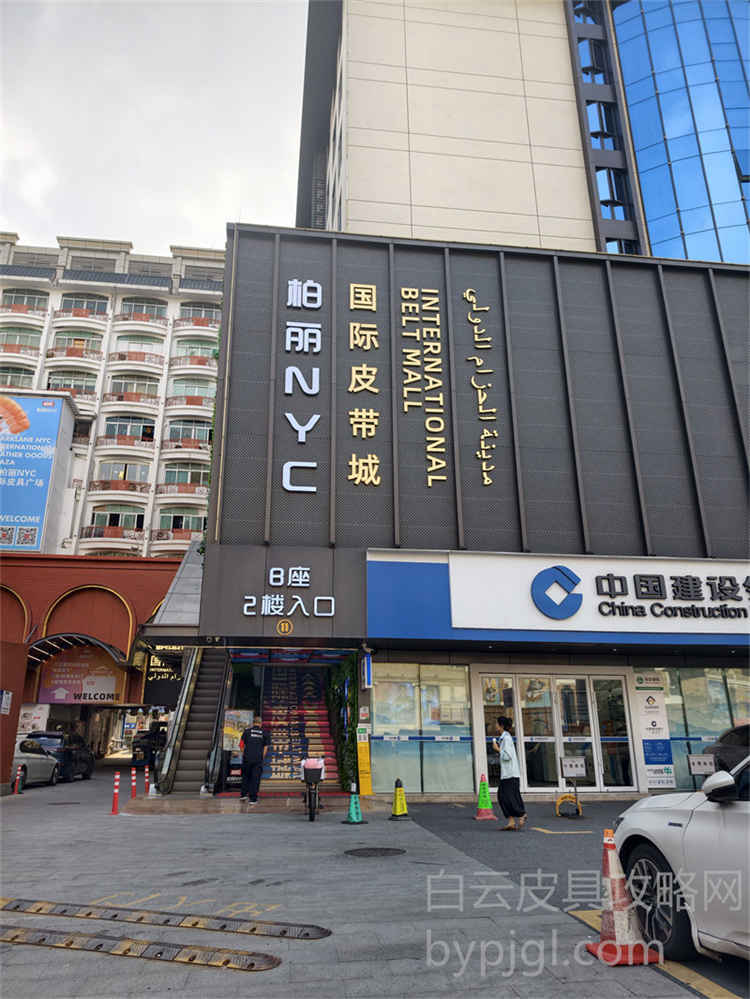
Many people think there is one single building called Baiyun Leather City. That is a myth. It is actually a cluster of several massive buildings connected by bridges and underground passages. You need to know which building houses what kind of quality. The older buildings near the main entrance often cater to lower-end volume, while the newer towers further back house the higher-tier factories with better finishing standards. If you are looking for premium materials and precise stitching, you must venture past the ground floor crowds.
Finding the Right Stall Without Getting Lost
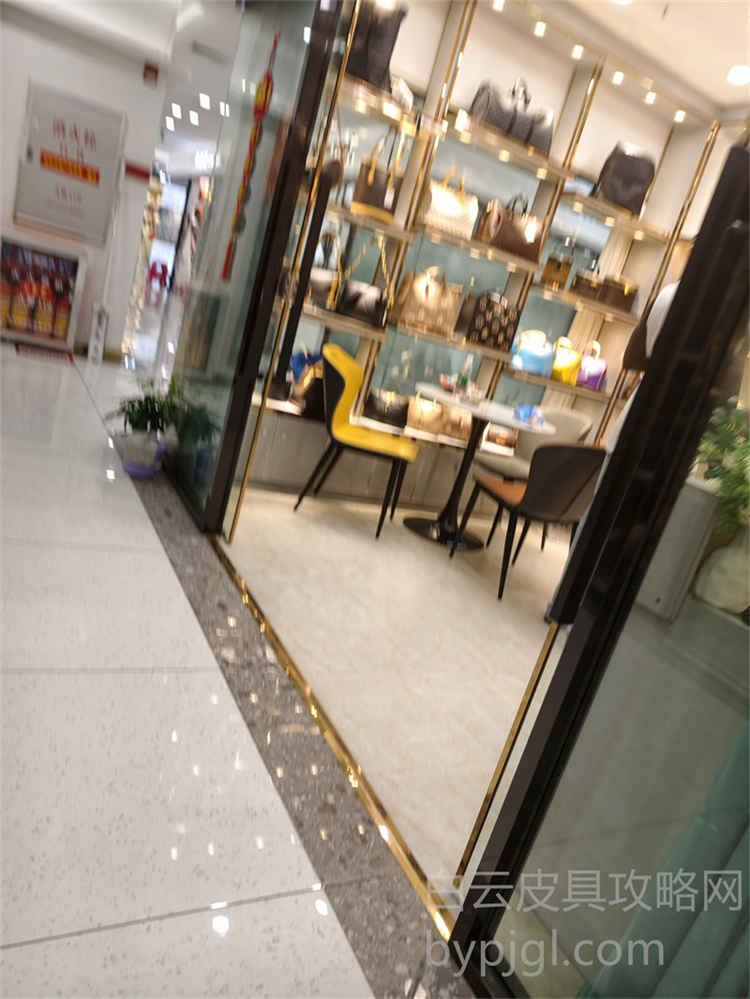
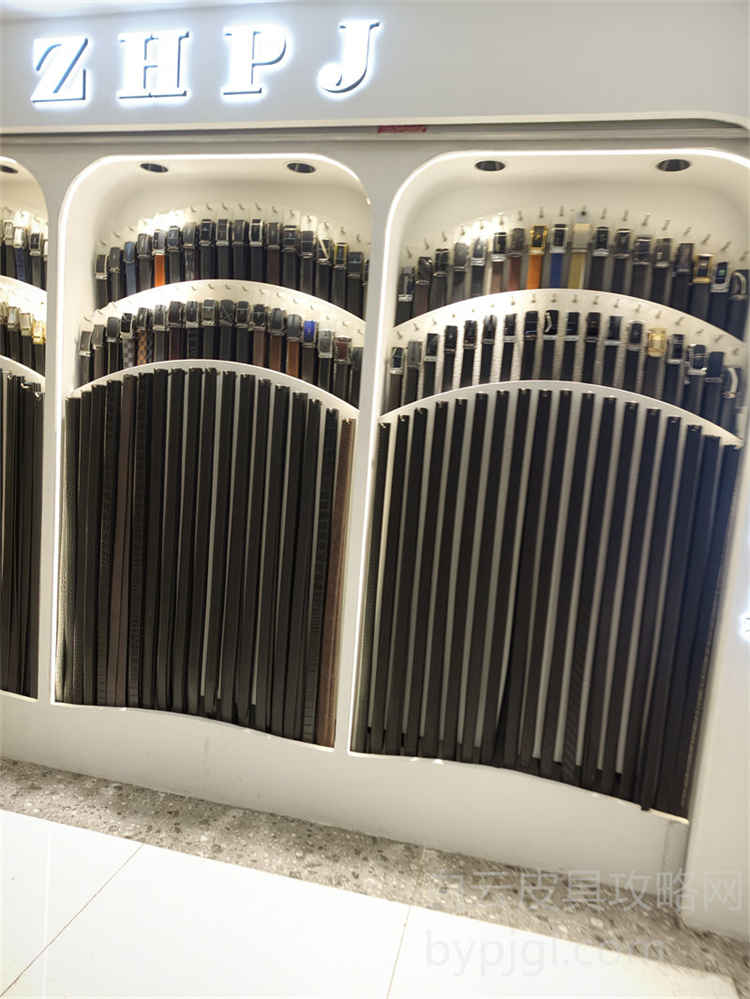
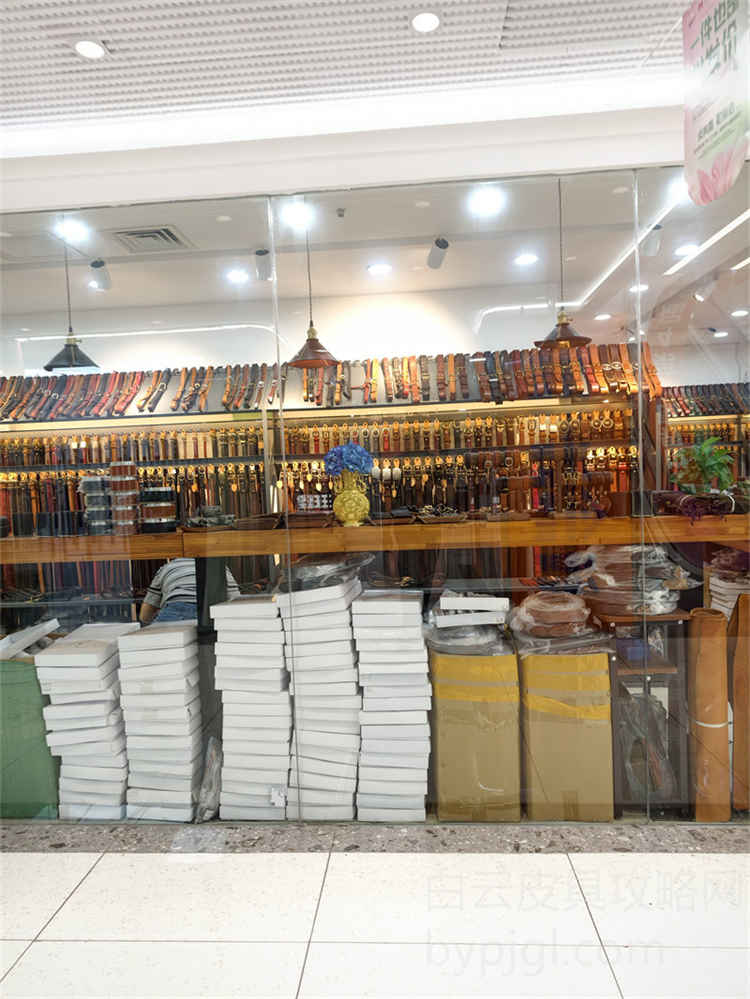
Do not try to find a specific brand name or style code. That does not work here. Instead, tell the security guard or the shop owner exactly what material you want—genuine cowhide, top-grain calfskin, or a specific type of synthetic. once you mention the material, they will take you to the right section. I always advise my clients to start at the top floors. The ground floor is full of tourists and small resellers who mark up prices significantly. The real wholesalers are upstairs, where the air conditioning is stronger and the inventory is deeper. Walk slowly. Look at the stacks of bags behind the glass counters. That is where the money is hidden.
The Art of Negotiation and Building Relationships
In Guangzhou, price is never fixed until you shake hands. But be careful. If you ask for the lowest possible price immediately, the owner will know you are a novice. They will raise the price to cover their risk. The trick is to act like you have done this before. Ask about the minimum order quantity (MOQ) first. Then, discuss the price based on volume. If you are buying fifty pieces, you get a different rate than if you are buying five hundred. I have seen many buyers fail because they tried to negotiate like they were buying a single item at a street stall. This is a B2B environment. Speak professionally, show respect for the craftsmanship, and offer to build a long-term partnership.
Understanding the MOQ and Sample Policy
Most stalls in Baiyun require a sample fee before they let you place a bulk order. Do not complain about this. It is standard practice to ensure you are serious. However, once you place a large order, that sample fee should be deducted from your total invoice. Some owners might refuse to give you a discount on samples unless you promise a reorder. Be firm but polite. Explain your target market and your sales projections. If you are a legitimate buyer, they will treat you differently than a casual shopper. Remember, we want repeat customers. If you come back next month with an order for two thousand units, we will give you the best price we can possibly offer.
Critical Quality Control Steps Before Payment
This is where most overseas buyers make mistakes. They pay the deposit and wait for shipping without checking the goods. Never do this. Even if you are using a trusted agent, you must inspect the products yourself or send someone you trust to the factory floor. In the Baiyun area, many suppliers have small workshops attached to their showrooms. Ask to see the production line. Look at the thread tension. Check the alignment of the handles. Smell the glue. If it smells like strong chemicals, run. Good leather has a distinct, natural scent, not a chemical burn.
Verifying Materials and Hardware
Hardware is often the weak point in mass-produced bags. Zippers can break, clasps can tarnish, and buckles can snap. Inspect every single metal part. Rub them against each other to check for plating thickness. Ask the supplier to show you the hardware manufacturer's certificate if you are concerned about durability. For the leather, ask for a swatch book. Compare the color of the swatch to the actual bag under natural light. Artificial light in the showroom can make a beige bag look white or a brown bag look black. Always verify the color match before signing off on the batch.
Avoiding Common Pitfalls for Foreign Buyers
The biggest trap is rushing. Many buyers fly in, spend three days, and leave with a container load of goods, only to find issues when they return home. Take your time. Spend at least a week in Guangzhou. Visit multiple markets, not just Baiyun. There are smaller specialized markets nearby that might have unique styles you cannot find in the big complexes. Talk to other suppliers. Compare prices. If one stall offers a deal that seems too good to be true, it usually is. They might be using inferior materials or cutting corners on the lining.
Logistics and Shipping Realities
once you have selected your goods, do not assume the supplier handles all logistics perfectly. Clarify who pays for the freight forwarder. Most suppliers in Baiyun are happy to pack the goods, but they expect you to arrange the shipping or use their recommended forwarder. Ensure the packaging is robust. Leather bags can get crushed easily during transit. Request extra cardboard inserts and sturdy cartons. Also, discuss the Incoterms clearly. Are you paying for DDP (Delivered Duty Paid) or FOB (Free on Board)? Misunderstanding these terms can lead to unexpected customs fees at your destination port. Get everything in writing, even if it is just a simple email /confirm/iation.
Building a supply chain in Guangzhou takes effort, patience, and a bit of local knowledge. But if you follow these steps, walk the floors, and treat your suppliers with respect, you will find some of the best manufacturing capabilities in the world right here in China. The market is vast, but the opportunities are endless for those willing to put in the work. Come ready to learn, and you will leave with more than just bags; you will leave with a network that can grow your business for years to come.