Stepping Into the Real Heart of Leather Trade
Welcome to Guangzhou. If you are reading this, you probably already know that the city is the undisputed capital of leather goods in Asia, but the reality on the ground is a lot more chaotic and exciting than what you see on social media. I have been standing behind my counter in the Baiyun district for over fifteen years, watching thousands of buyers come and go. Some leave with perfect stock, others walk away empty-handed or stuck with low-quality messes. The difference usually comes down to one thing: knowing how to navigate the physical market without getting lost in the noise.
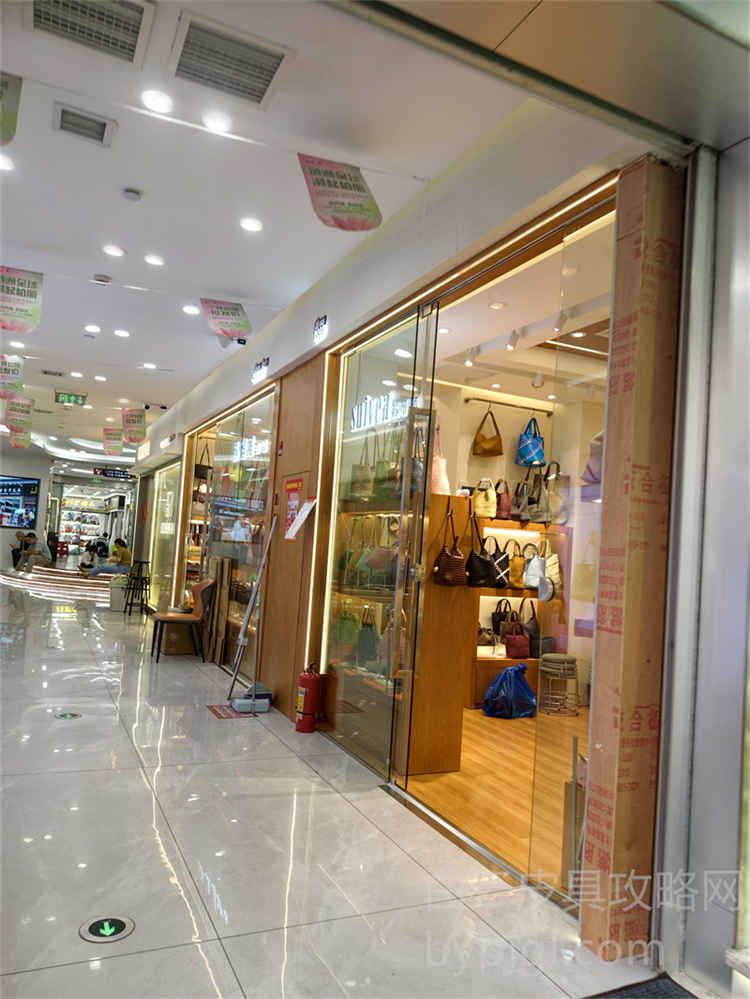
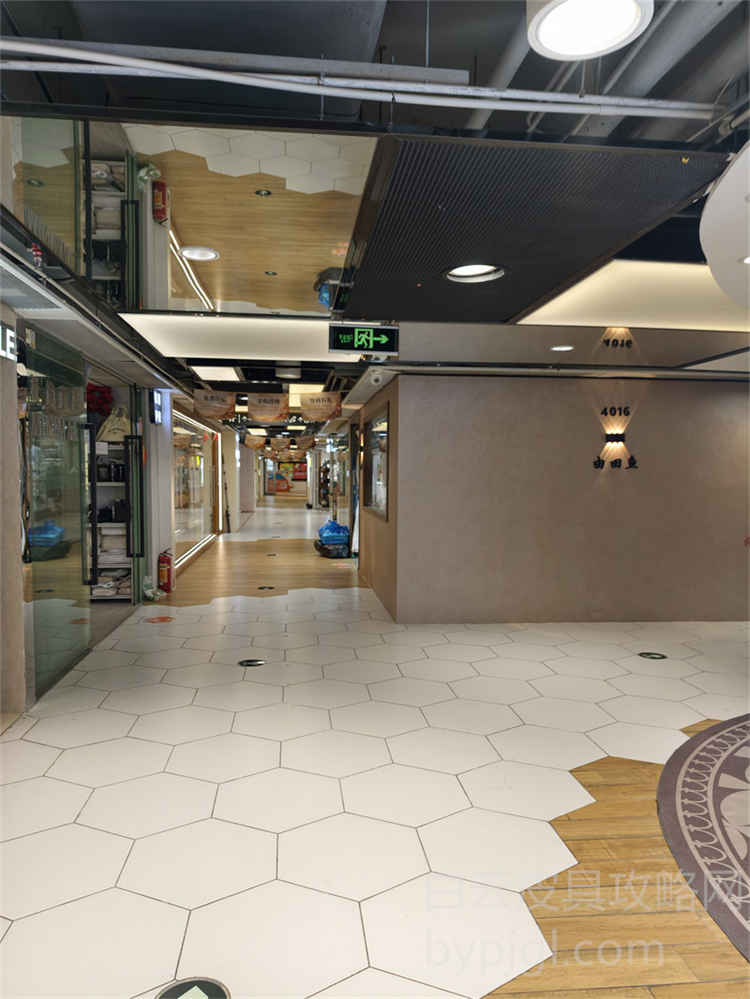
Forget about searching online for "Guangzhou Baiyun leather goods" as your only strategy. That is just the starting point. The real magic happens when you step into the concrete corridors of the markets. When you arrive at the Baiyun Leather City complex, do not expect a polished, air-conditioned mall experience like in New York or London. It is loud, crowded, and smells intensely of glue and new leather. This is where the trade actually moves. You need to be ready to walk miles, talk to dozens of people, and trust your eyes more than your phone screen.
Navigating the Market Layout and Finding the Right Stalls
Understanding the Hierarchy of Buildings
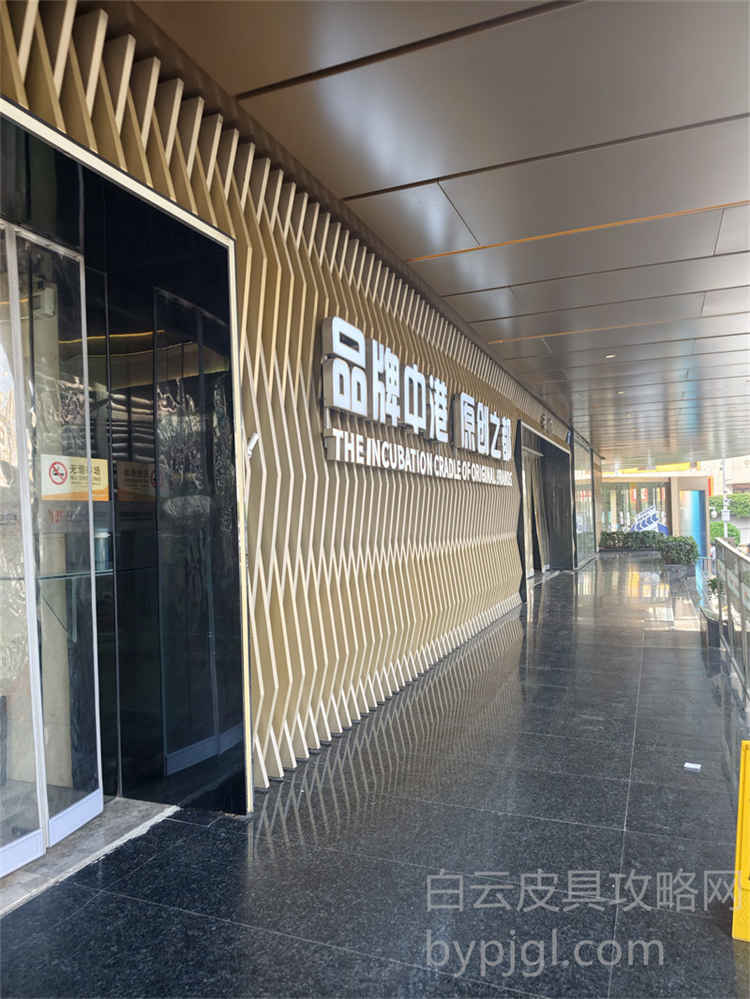
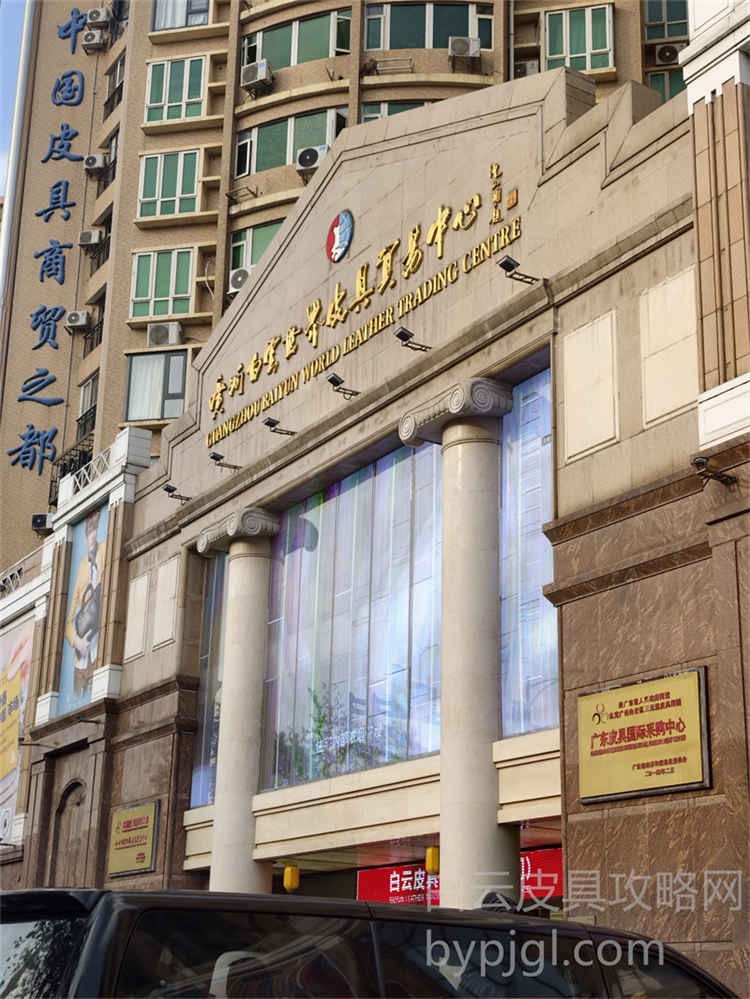
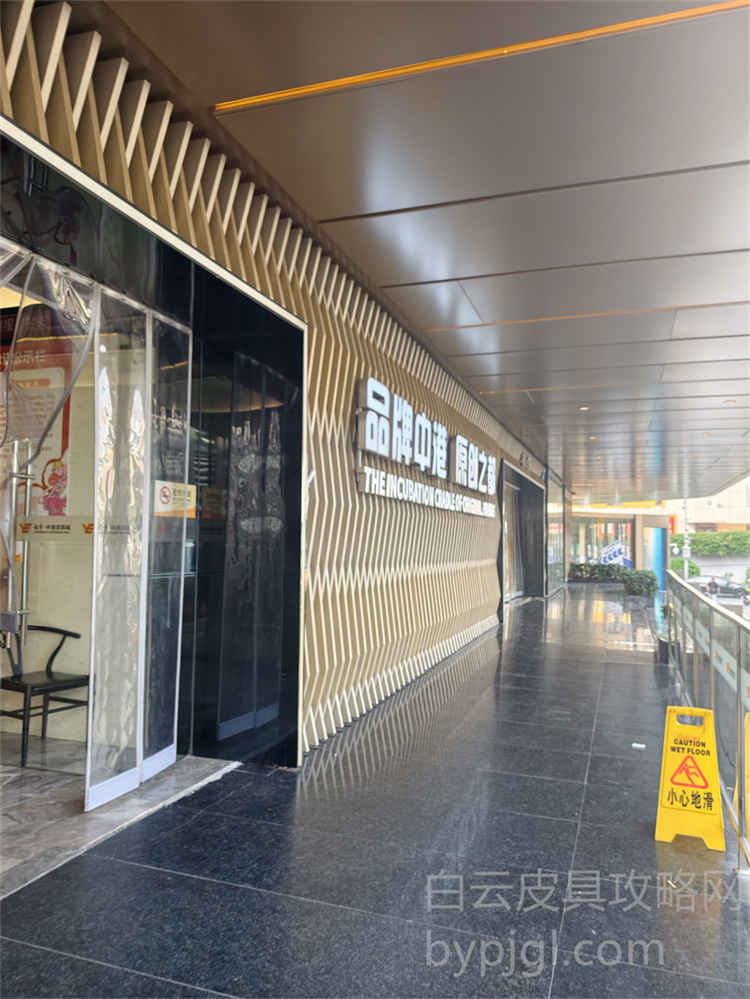
The first mistake most overseas buyers make is assuming all buildings are the same. The Baiyun area is not a single building; it is a cluster of several massive complexes, each with its own vibe and price point. There is the famous World Trade Center, which is often packed with tourists looking for cheap souvenirs, and then there are the specialized wholesale hubs like the Zhongda or specific high-end sections within the main complexes. As a local owner, I tell my regulars to skip the ground floor of the tourist-heavy buildings if they want serious business. Go straight to the upper floors or head to the dedicated wholesale zones where the lighting is brighter and the staff speaks better English.
Identifying Genuine Wholesale Suppliers
once you are inside, look for the signs of a serious operation. A genuine wholesale stall will have racks full of inventory, not just a few display pieces. They will have boxes stacked high in the back, indicating they ship daily. Avoid stalls that try to sell you a single bag at retail prices; they are middlemen trying to flip your order. Look for the owners themselves. In my shop, you will often find me right at the counter, not hiding in an office. If a seller is hesitant to show you their production line or refuses to let you inspect the stitching up close, walk away immediately. Trust your gut instinct here.
The Art of Selection and Quality Inspection
Touching the Material Before Buying
You cannot judge leather quality from a photo. I have seen too many buyers fall in love with a picture only to receive something that feels like plastic when it arrives. When you are at the stall, run your hand over the surface. Good leather has a natural grain, slight imperfections, and a distinct smell. Cheap synthetic materials feel cold and uniform. Ask to see the interior lining as well. High-end suppliers use soft fabric or suede inside, while lower-tier ones use rough polyester. Do not be shy about asking to open every zipper and check the hardware weight. Heavy brass or zinc alloy is a sign of durability; light, hollow metal will break within months.
Checking the Craftsmanship Details
Stitching is the first thing I check when a new buyer walks in. Look at the spacing between the stitches. It should be consistent, tight, and straight. If you see loose threads, uneven gaps, or glue stains visible on the exterior, that is a red flag. Also, pay attention to the edges. Hand-painted edges should be smooth and even, not thick blobs of paint that peel off. In our workshop, we spend hours on edge painting because it defines the longevity of the bag. If you are sourcing for a boutique, insist on seeing samples of these details before placing any bulk order.
Negotiation Tactics and Building Long-Term Relationships
Setting the Right Tone for Business
Negotiation in Guangzhou is not about being aggressive; it is about showing respect and understanding the volume game. Start by asking for the best price for a specific quantity, not just one piece. If you say you are buying fifty units, you get a different rate than if you buy five. Be polite but firm. I always tell my international clients that building a relationship is more important than saving a few dollars on a single unit. If you treat us like partners, we will prioritize your orders during peak seasons and alert you to new designs before anyone else sees them.
Avoiding Common Pitfalls in Payment and Shipping
Never transfer money directly to a personal bank account without a contract. Always use secure payment methods or meet at a trusted escrow service. For shipping, ask the supplier to handle the logistics to your country, but verify the tracking number yourself. Many scams happen when the seller claims the goods are shipped but never provides proof. We always provide detailed photos of the packed boxes before they leave our warehouse. Also, be clear about customs regulations in your destination country. We can help with documentation, but you need to know what your local laws allow regarding imported goods.
Final Thoughts on Sourcing Success
Sourcing from Guangzhou is an adventure that requires patience, observation, and a willingness to learn the local culture. It is not a place for quick fixes. The best deals are found by those who take the time to walk the floors, touch the materials, and build trust with the factory owners. When you visit the Baiyun Leather City, remember that you are entering a ecosystem where speed and quality compete daily. By following these practical steps and avoiding the common traps, you will not just find good products; you will find reliable partners who will grow with your business. Come prepared, stay curious, and you will discover why this city remains the global hub for leather craftsmanship.