Walking the Floors: My Honest Guide to Sourcing Bags in Guangzhou
I have been standing behind my counter in the Baiyun District for over fifteen years. While the internet tries to sell you a dream of ordering from a laptop, I know the truth is found in the dust, the noise, and the smell of leather that fills these corridors. If you are coming to Guangzhou to source handbags, forget what you read on generic blogs. The real game happens when you step off the subway and into the chaotic energy of the Baiyun Leather City complex. This isn't just about buying products; it is about building relationships with the people who actually make them.
The Real Layout of the Market
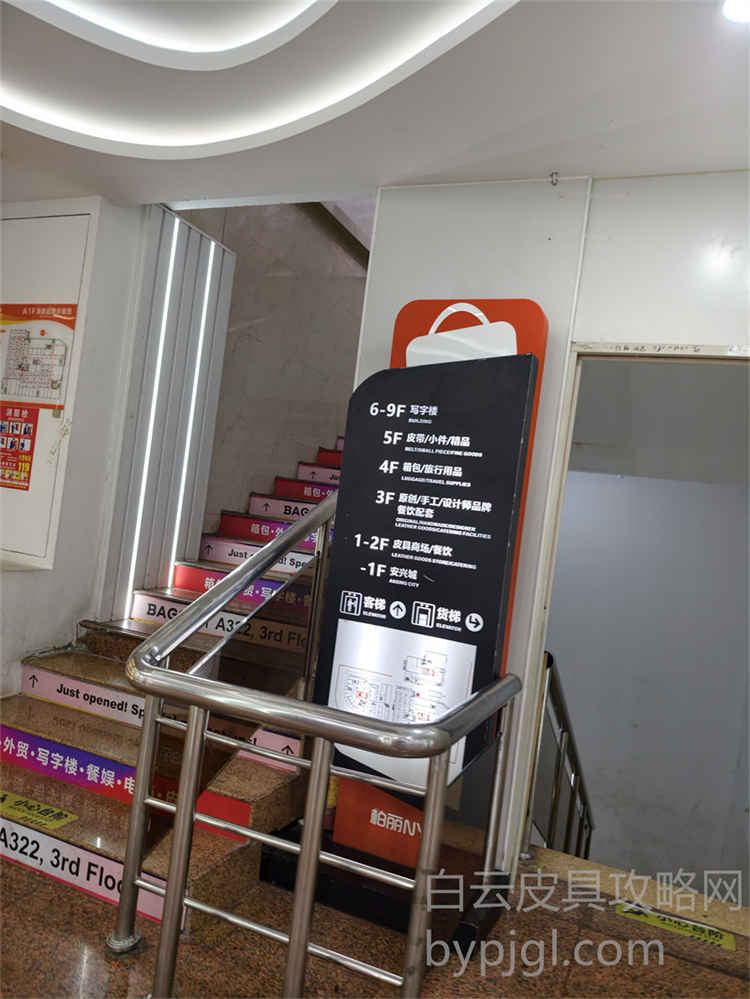
When you first arrive at the main entrance of the Baiyun Leather City, do not be intimidated by the sheer size. It is easy to get lost if you do not know where to look. Most tourists and new buyers wander around the ground floor, which is mostly filled with small stalls selling accessories or low-end goods. That is not where you want to be if you are looking for quality. You need to head straight for the upper floors, specifically the sections dedicated to mid-to-high range production. The layout changes slightly depending on the season, but the core clusters remain the same. Look for the signs pointing towards "High Quality" or specific brand names, even though we cannot discuss those directly here. The vendors there are the ones who supply the big retailers globally.
How to Spot the Right Stall
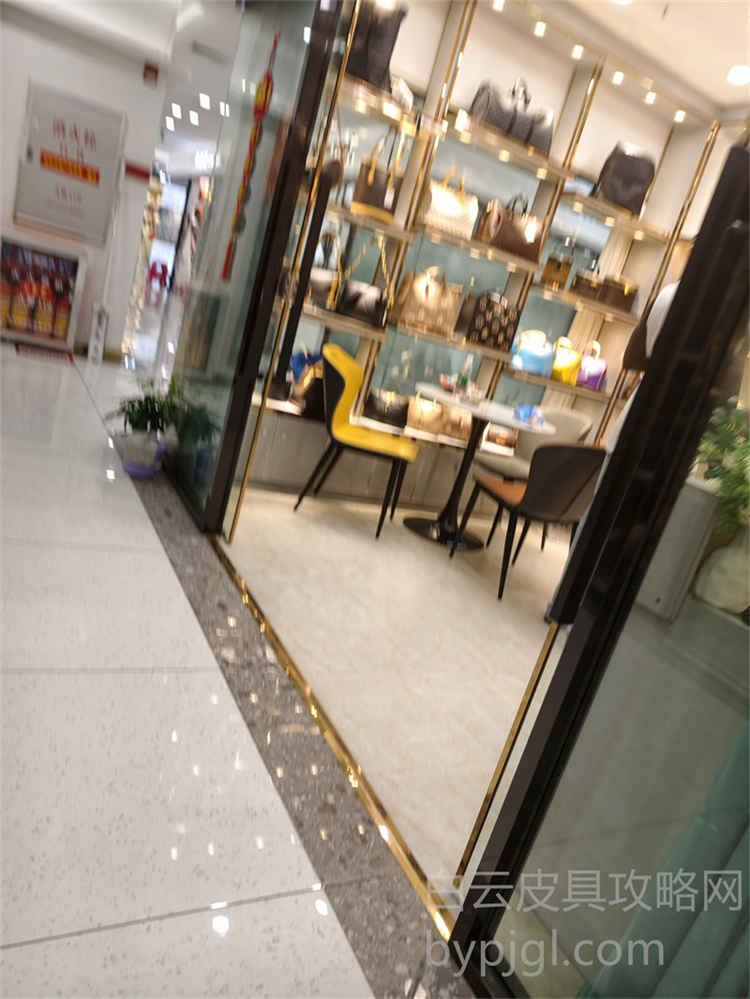
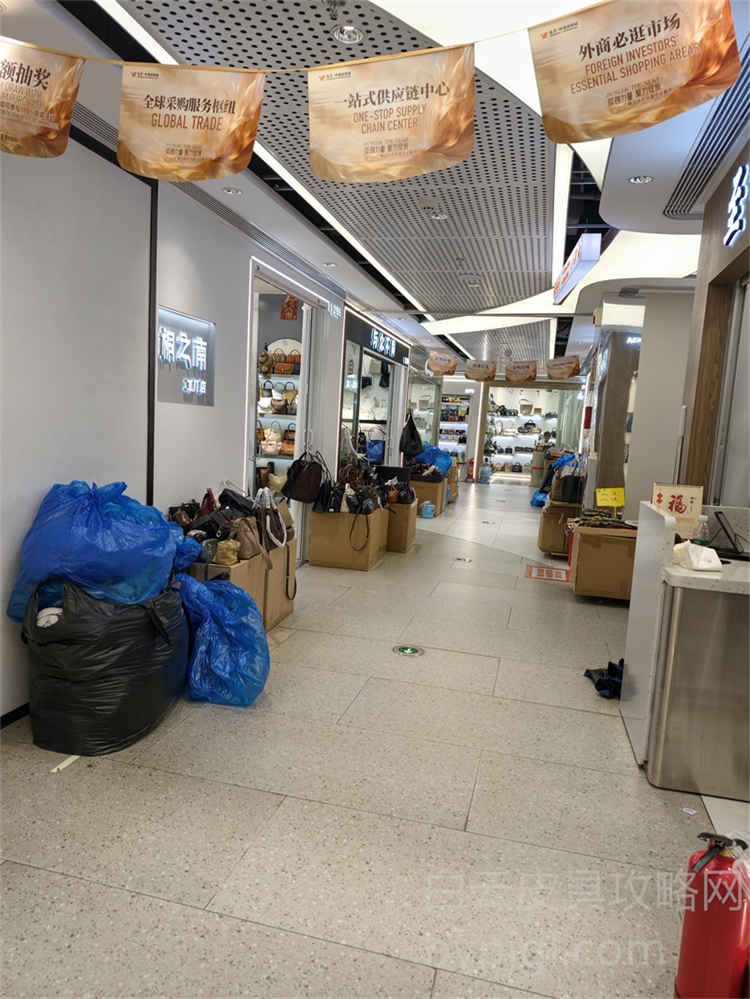
Not every stall is created equal. When you walk down an aisle, your eyes will immediately scan the racks. A good sign of a serious supplier is how they display their samples. They should have bags hanging neatly, not crumpled in piles. Pay attention to the stitching. In this market, the difference between a $5 bag and a $50 bag often comes down to thread tension and consistency. Walk up to a stall and ask to see their latest collection. If the owner is too busy talking to someone else or ignores you, move on. The best suppliers are usually the ones who are actively engaging with customers, showing you different textures, and explaining the materials used. They know their product inside out because they likely work closely with the factory next door.
Negotiating Without Losing Face
One of the biggest mistakes foreign buyers make is trying to negotiate like they are in a street bazaar. Here, we value respect and volume. Do not start by asking for the lowest price possible. Instead, ask about the minimum order quantity (MOQ) and the lead time. once you establish that you are a serious buyer looking for long-term cooperation, the conversation shifts. We talk about margins, not just unit prices. If you are buying fifty pieces, you get one rate. If you are buying five hundred, the price drops significantly. Be honest about your target market. If you tell me you are targeting high-end boutiques, I will show you the top-tier leather options. If you say you are looking for fast fashion, I will show you the synthetic blends. There is no shame in either, but honesty builds trust faster than anything else.
Inspection and Quality Control on the Floor
Many buyers think they can rely on photos sent via WhatsApp. Let me tell you, that is a recipe for disaster. Photos can be edited, angles can be hidden, and lighting can lie. The only way to truly verify the quality is to touch the material yourself. When you are in the Baiyun Leather City, bring a flashlight. Shine it on the lining, check the zippers, and feel the weight of the hardware. Does the metal feel heavy or cheap? Does the zipper glide smoothly or stick? These details separate a premium product from a disposable one.
Checking the Hardware and Stitching
Hardware is often the first thing to fail. Run your fingers over the clasps and buckles. Are they plated evenly, or do you see rough edges? Check the color consistency across all parts of the bag. Then, look at the stitching. Count the stitches per inch. High-quality bags have tight, even stitches with no loose threads. If you see uneven spacing or glue marks, put that bag back on the rack. Also, inspect the interior lining. Is it clean? Are the seams reinforced? A bag might look perfect from the outside, but if the inside falls apart after a few uses, your reputation will suffer. Take your time. Do not rush the inspection process.
Verifying the Material Source
Guangzhou is famous for its access to genuine leather and high-grade synthetics. However, some sellers try to pass off PU as genuine leather. To test this, rub the surface gently. Genuine leather has a distinct texture and warms up to the touch, while synthetics feel cooler and more uniform. Ask the vendor where the leather comes from. Many of our trusted partners source from specific tanneries in Guangdong province. If they hesitate or give vague answers, be cautious. We pride ourselves on transparency. If you are sourcing from the Baiyun area, you have direct access to the factories. Ask to see the raw materials if you are placing a large order. This level of scrutiny ensures you are getting exactly what you pay for.
Logistics and Avoiding Common Pitfalls
once you have selected your bags and agreed on the price, the next challenge is logistics. Do not assume the vendor handles everything automatically. You need to clarify shipping terms clearly. Will they pack the goods securely? Will they provide a commercial invoice for customs? In Guangzhou, many vendors offer consolidation services, meaning they can combine orders from different stalls into one shipment. This is incredibly useful if you are visiting multiple markets. However, always confirm the packaging details before leaving the stall. Damaged goods during transit are a common complaint, so insist on sturdy boxes and bubble wrap.
Building Long-Term Relationships
The most successful buyers I know are those who return year after year. They treat us like partners, not just transaction points. Bring business cards, exchange contact information, and follow up after your trip. If you find a supplier you like, visit them again next season. Show them your sales data and ask for feedback on new designs. This open communication helps us tailor our production to your needs. In this industry, loyalty pays off. Suppliers are more willing to hold stock for loyal clients or prioritize their orders during peak seasons. Remember, we are all in this together to grow the business.
Red Flags to Watch Out For
There are a few warning signs you must avoid. First, never pay 100% upfront without seeing the goods or having a deposit contract. Second, be wary of prices that seem too good to be true. If a bag looks expensive but costs half the market rate, something is wrong. Third, avoid stalls that refuse to let you take photos of the product details. Transparency is key. Finally, do not rush your decision. Spend a few days walking the floors. Compare prices and quality across different buildings. The Baiyun Leather City is vast, and taking your time ensures you find the best deals. Trust your instincts, listen to your gut, and remember that patience is the ultimate currency in this trade.