Stepping Into the Heart of Guangzhou Leather: A Veteran's Guide to Sourcing
Welcome to the real deal. If you are reading this, you probably know that the internet is flooded with generic advice about sourcing bags from China. Most of those articles sound like they were written by someone who has never stepped foot inside a market, let alone negotiated a price in a crowded alleyway. I have been standing behind my counter in the Baiyun district for over fifteen years. I have seen trends rise and fall, new buildings go up, and old stalls disappear. Today, I want to talk to you not as a corporation, but as an old shop owner who knows exactly where the good stuff hides and how to avoid the traps that cost newcomers thousands of dollars.
The Reality of the Market Floor
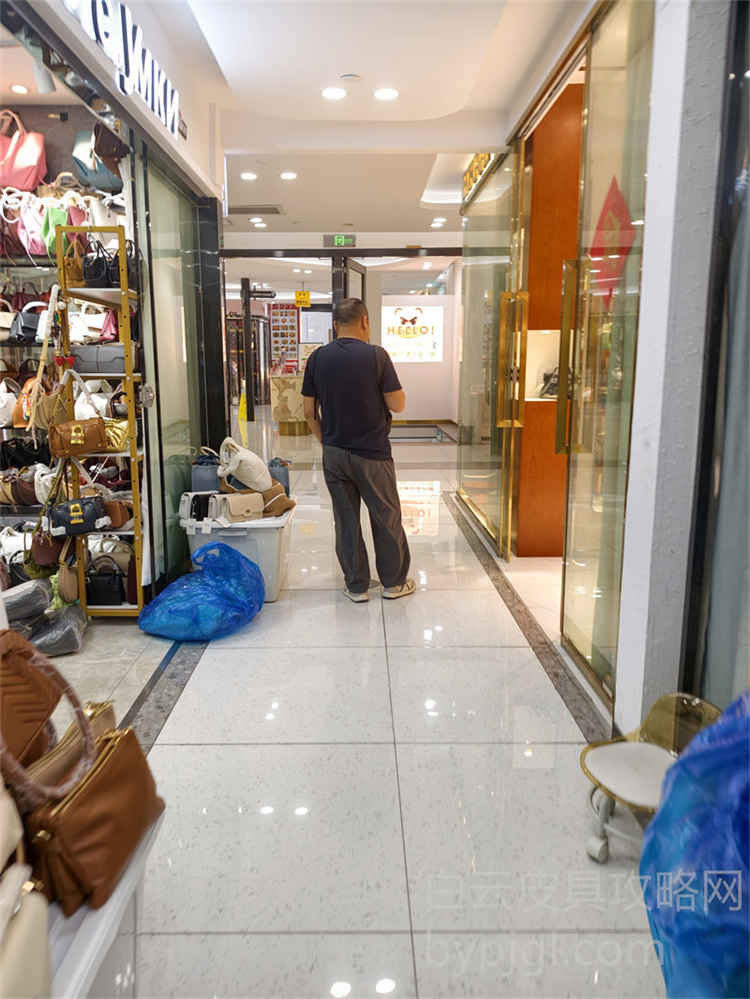
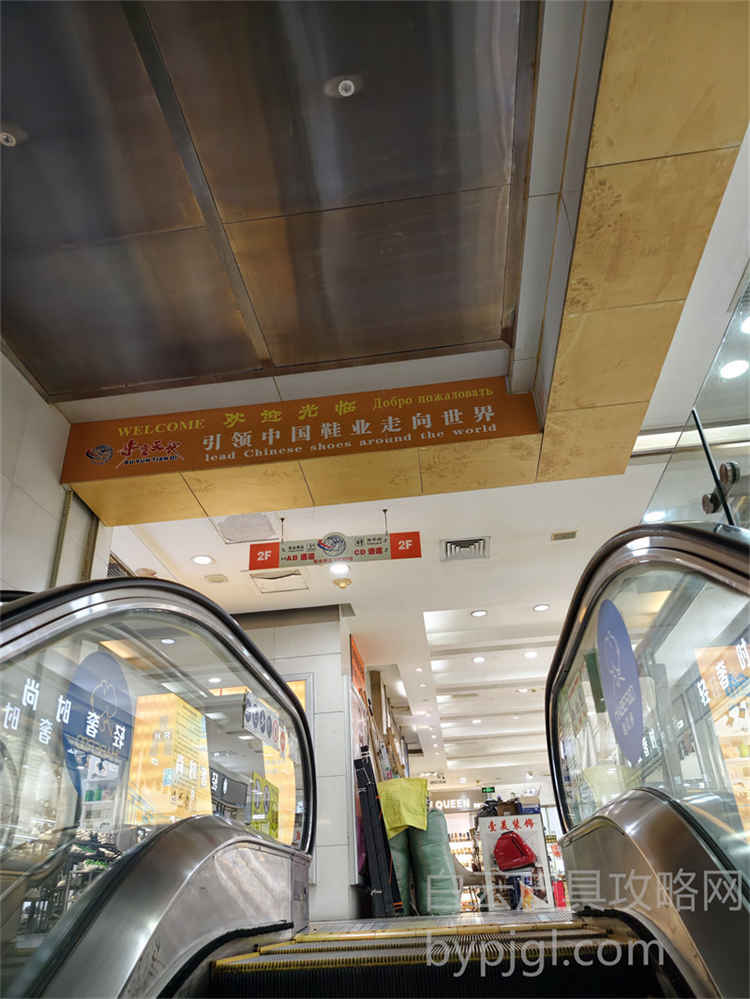
First things first, forget what you think you know about "Chinese fashion." The scene here is raw, loud, and incredibly fast-paced. When you walk into the main hubs of the leather industry, you are entering a world where speed is currency. The air smells of leather dust and fresh glue. You will see stacks of boxes reaching the ceiling, and workers rushing around with scissors and thread. This is not a museum; it is a battlefield of commerce. Many overseas buyers make the mistake of treating this place like a retail store. They expect polite service and English menus. That is not how we operate here. To get the best deals, you need to adapt to our rhythm. You need to be ready to move fast, look closely, and speak the language of quality without saying a word.
Navigating the Districts: Where the Real Goods Are
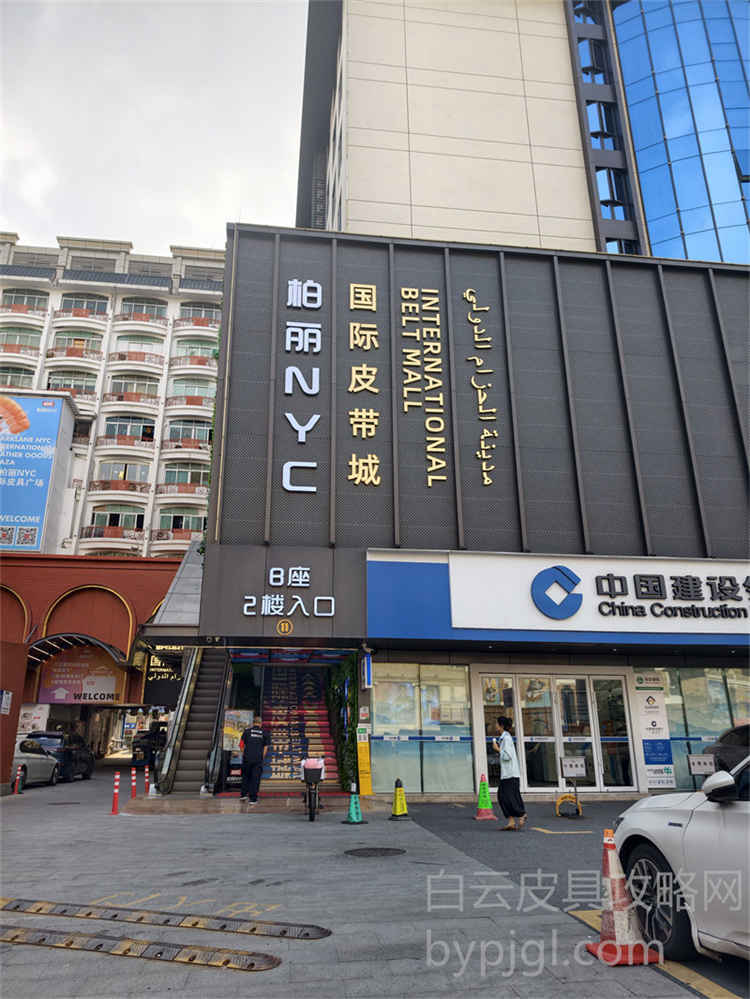
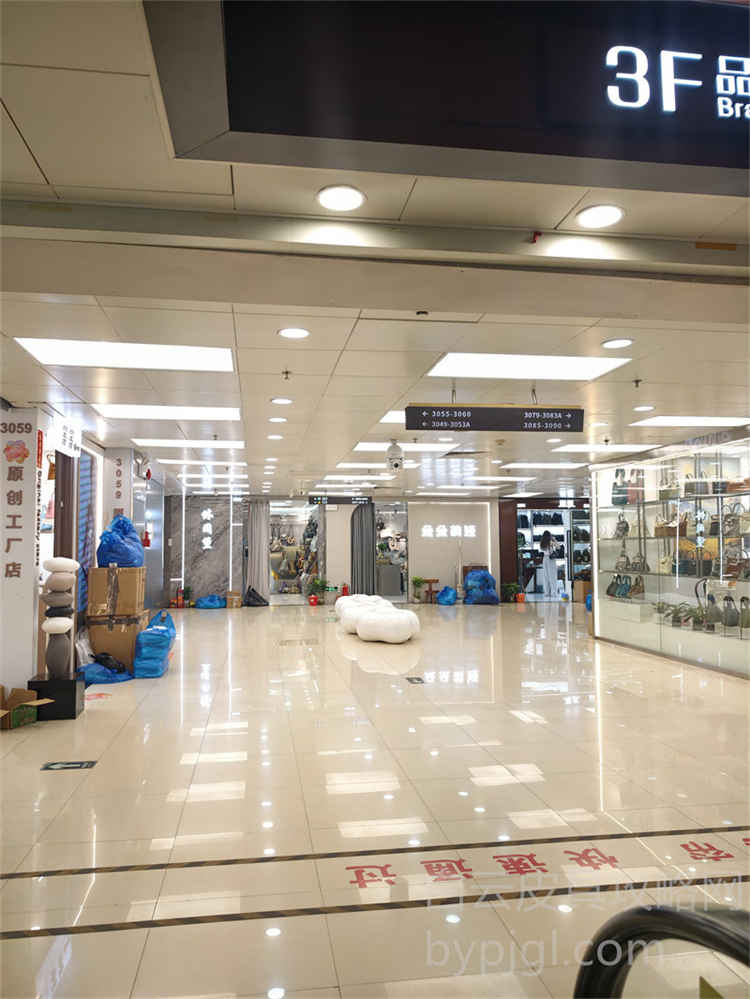
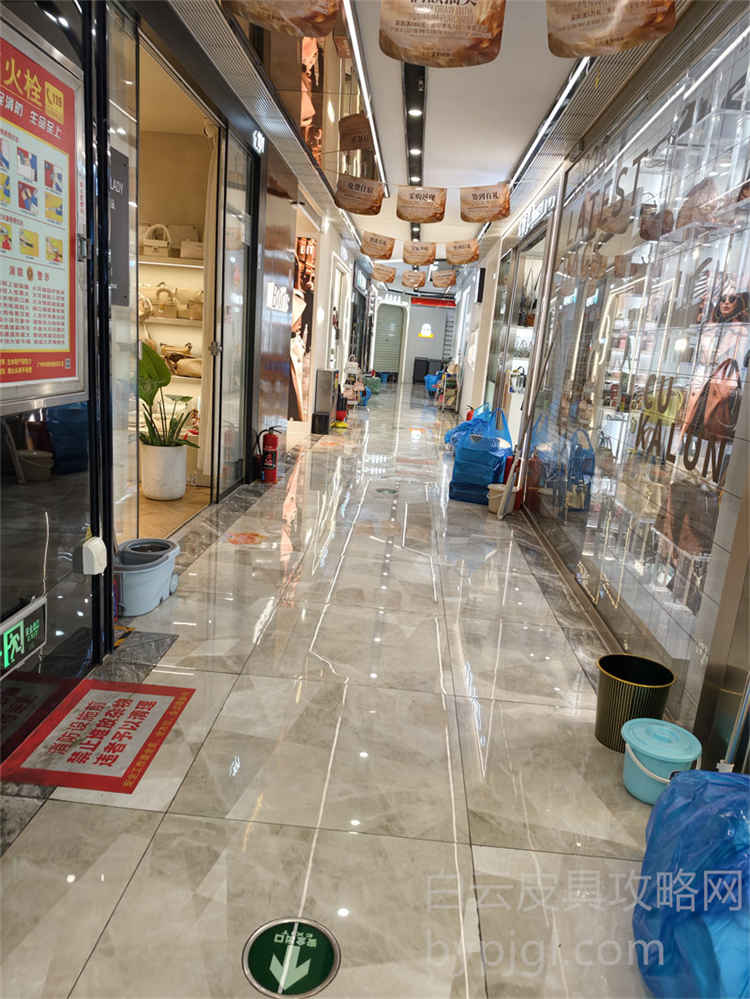
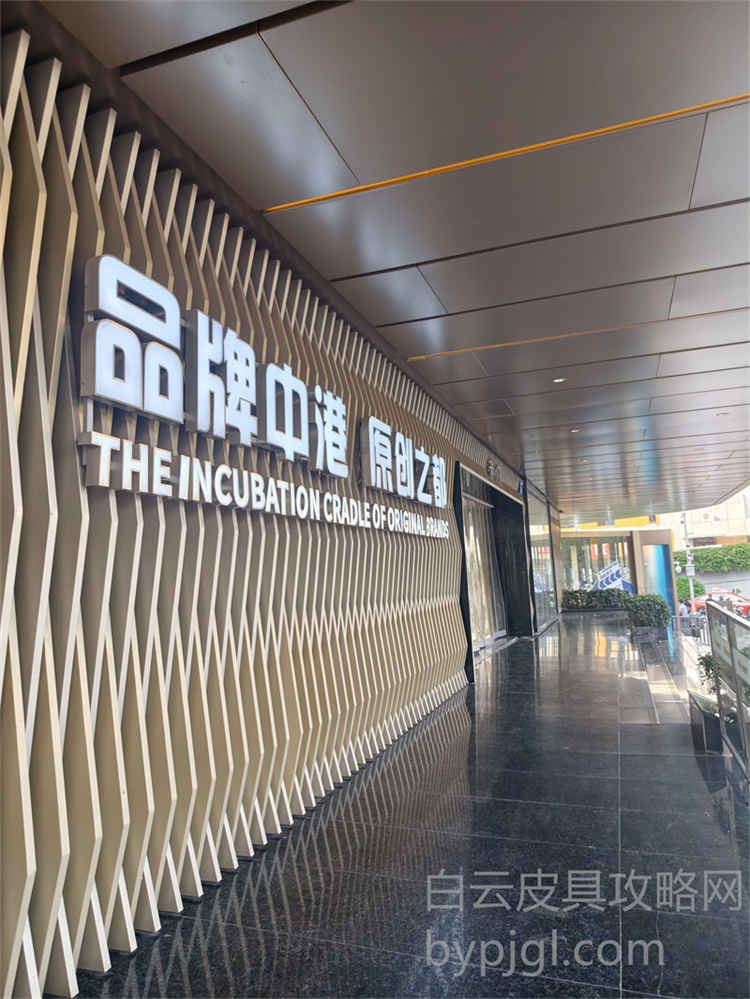
Guangzhou is massive, and if you wander aimlessly, you will waste days. The area around Baiyun is the epicenter, but even within this zone, there are distinct tiers. There are places that cater to tourists looking for cheap souvenirs, and then there are the high-end wholesale districts where serious business happens. As a local, I always tell my international partners to skip the flashy storefronts on the ground floor that scream "tourist trap." Instead, head deeper into the complex. The real action happens on the upper floors or in the side corridors where the lighting is dimmer but the selection is sharper.
Finding the Right Stall
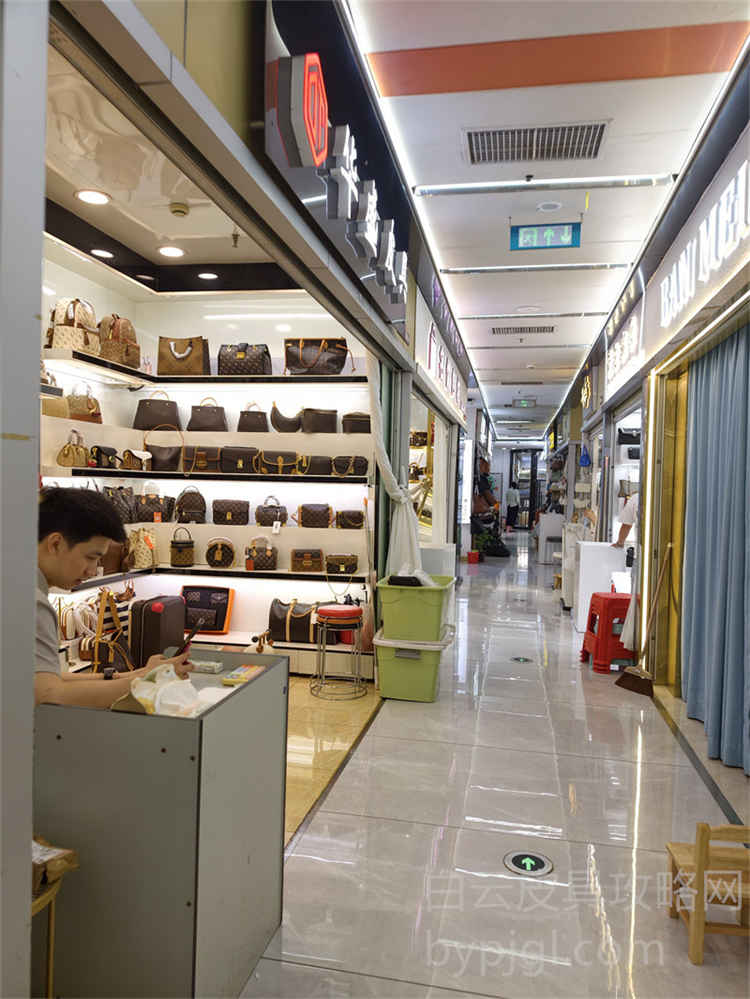
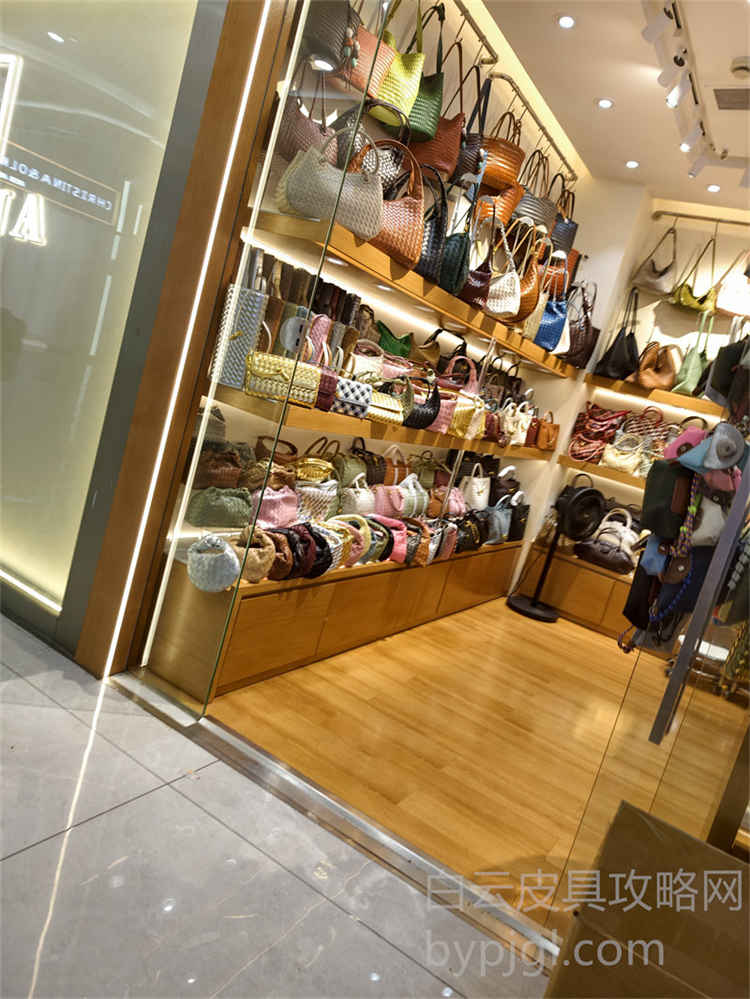
When you are walking through the aisles, do not just look at the bags hanging on the racks. Look at the people working. The best stalls often have a team of skilled artisans right there in the back room, stitching and finishing products while customers browse. If you see a stall with only one person managing everything, it is likely a middleman reselling goods from elsewhere. We prefer direct contact with the makers. Ask to see the raw materials. Show me the leather grain, feel the weight of the hardware, and check the lining. If they hesitate or try to rush you out, walk away. Trust your gut. In this business, confidence is the first sign of a reliable partner.
The Art of Selection and Inspection
once you find a promising stall, the real work begins. This is where most buyers fail because they rely on photos sent via messaging apps. Photos can be edited, angles can be hidden, and lighting can hide flaws. You must see the product in person. When I show you a bag, I want you to turn it over, open every zipper, and pull on the handles. Check the stitching density. Are the stitches straight? Is the thread color matching perfectly? Look at the edges. Are they painted smoothly, or do you see rough cuts?
Quality Control Without Compromise
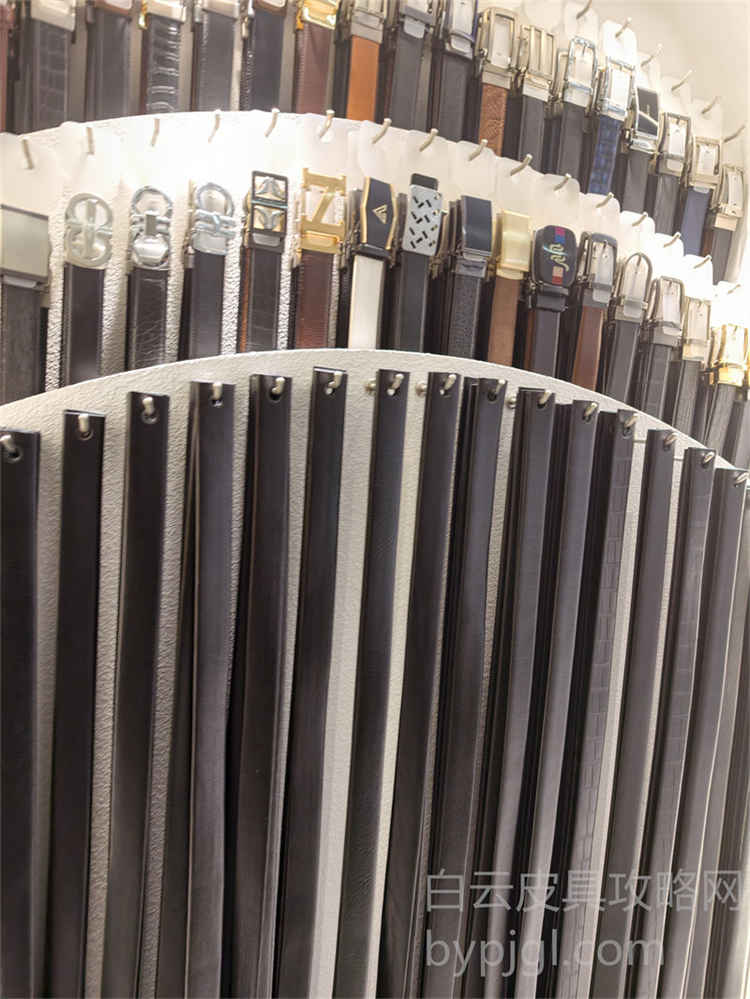
We take pride in our craftsmanship, but not all stalls do. Some might offer you a "good" version that looks fine from a distance but falls apart after a week. Do not settle for that. Inspect the hardware for plating thickness. Does it feel heavy or light? Cheap plating peels quickly. Check the zippers. Do they glide smoothly, or do they catch? These small details define the difference between a disposable item and a premium product. If you are buying for resale, your reputation depends on the quality you send out. Never compromise on the inspection process. Take your time. Even if it means staying late, ensure every single piece meets your standards before you pay a cent.
Negotiation and Building Long-Term Relationships
Here is a secret that many guides won't tell you: prices in these markets are rarely fixed. The number on the tag is just a starting point. Negotiation is expected, but it must be done with respect. Do not try to lowball us aggressively. We know the cost of materials and labor. If you offer a price that is too low, we will simply stop talking. Instead, focus on volume and long-term partnership. Tell me how many pieces you plan to order monthly. Show me that you are serious about building a brand, not just making a quick flip.
The Power of Consistency
When you establish a relationship with a trusted supplier, the game changes. We start giving you priority access to new designs before they hit the general market. We allow you to customize colors or hardware to fit your specific brand identity. We become your extension in Guangzhou. But this trust takes time. It starts with honest communication and fair dealing. Do not try to play games with payment terms unless you have a solid history together. For new buyers, paying upon delivery or using secure escrow services is standard. once we build that foundation, the benefits are immense. You get better pricing, faster production times, and a partner who cares about your success as much as their own.
Avoiding Common Pitfalls
There are pitfalls everywhere, especially for those unfamiliar with the local culture. One major mistake is ignoring the logistics. Shipping from Guangzhou can be complicated if you do not have a clear plan. Do not assume the seller will handle everything seamlessly. Have a freight forwarder lined up before you finalize your orders. Another common error is falling for "too good to be true" offers. If a price seems suspiciously low compared to the market average, it usually means the quality is compromised. Remember, high-quality leather and hardware cost money. If the price is too low, something is missing.
Final Thoughts from the Front Line
Sourcing from Guangzhou is an adventure, but it is also a business that requires patience and sharp eyes. The market is vast, filled with opportunities for those willing to dig deep. By understanding the layout, inspecting goods thoroughly, and building genuine relationships, you can unlock a supply chain that is unmatched anywhere else in the world. Come to the Baiyun district, walk the floors, and meet the people behind the counters. The experience is invaluable, and the rewards are worth the effort. Let's build something great together.