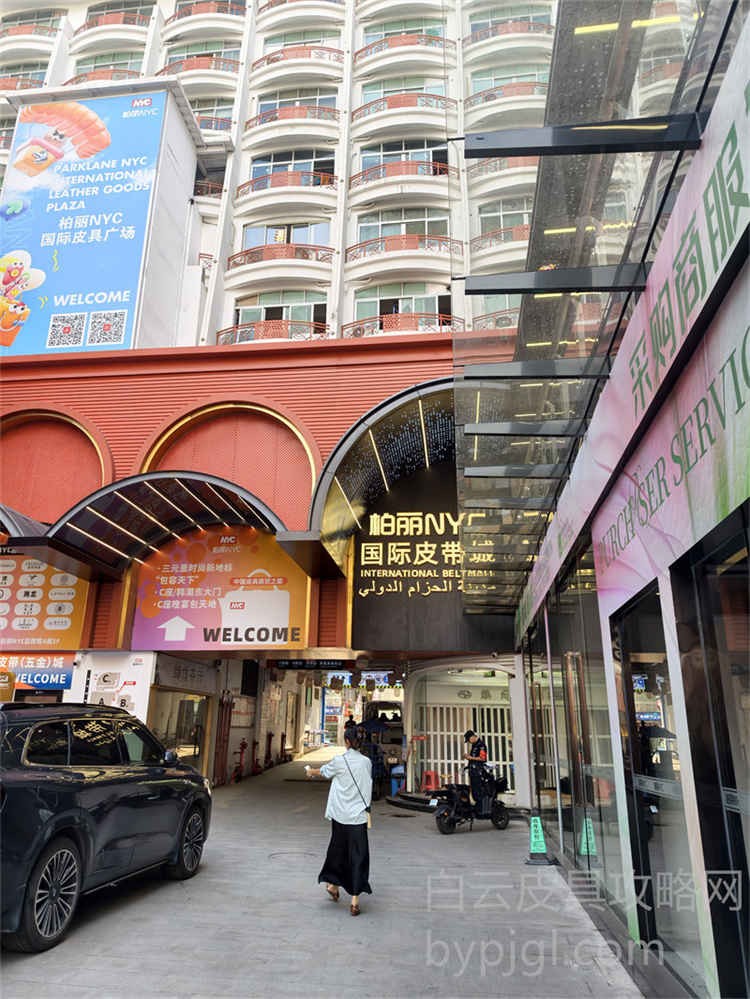
Why Guangzhou Remains the Global Hub for Affordable Leather Goods
I have been standing behind this counter in Baiyun District for over fifteen years. While the world talks about supply chains and logistics, I am just a local shopkeeper trying to keep my stall stocked with goods that move fast. If you are looking for cheap bags from China, you need to understand one thing: the real value is not in the price tag you see online, but in the physical experience of walking through these markets. Many overseas buyers think they can order everything via WeChat or Alibaba, but they miss the nuance that only exists when you are standing right in front of the leather.
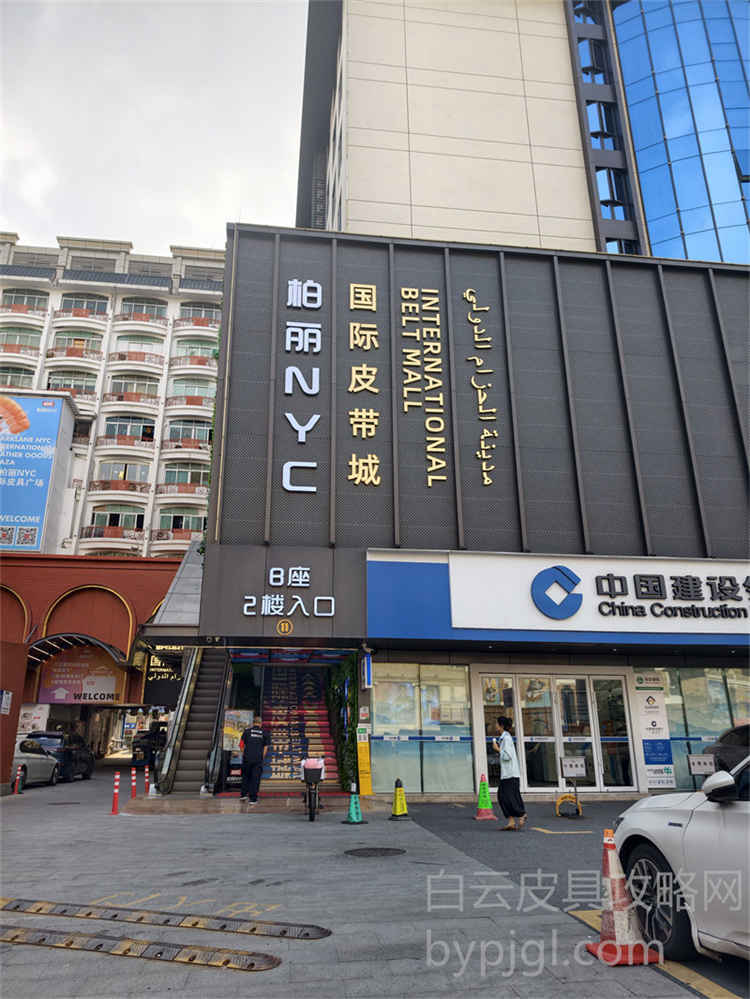
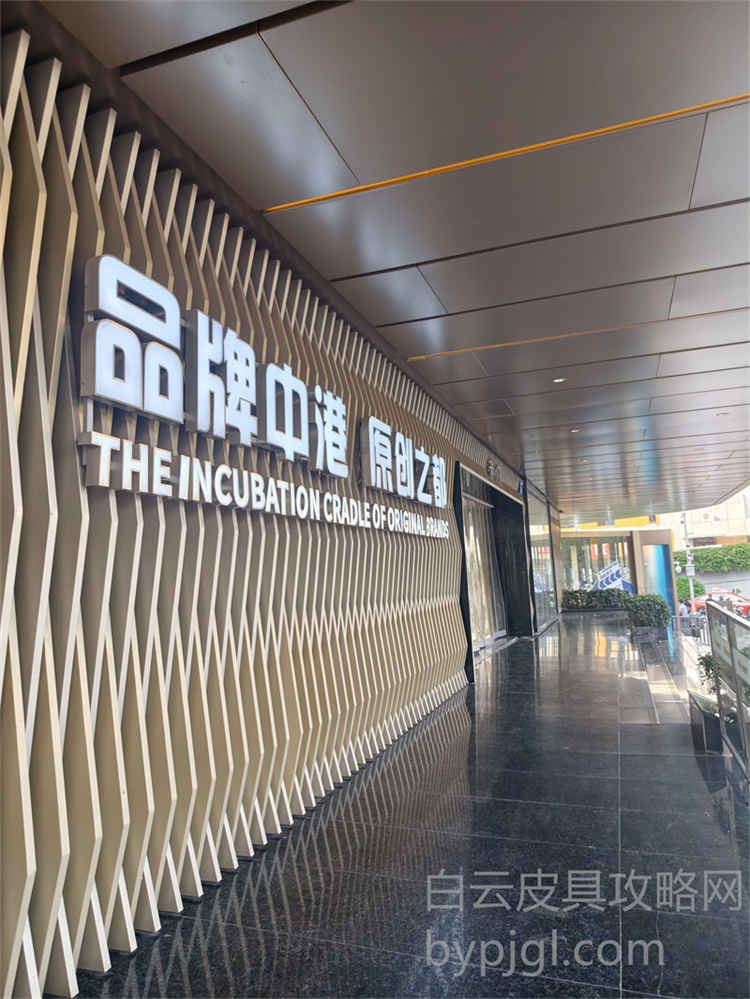
The Guangzhou Baiyun Leather City is not just a building; it is a living ecosystem. When I first started here, the streets were dusty, and the shops were small. Now, it is a massive complex where thousands of traders compete daily. For someone coming from abroad, the sheer scale can be overwhelming. You will see rows upon rows of stalls displaying hundreds of styles. The key to success here is knowing which floor to visit and what time to arrive. Most serious buyers know that the morning rush is for wholesale, while the afternoon is better for smaller orders and negotiation.
Navigating the Market Floors: Where to Find the Best Deals
Understanding the Hierarchy of Stalls
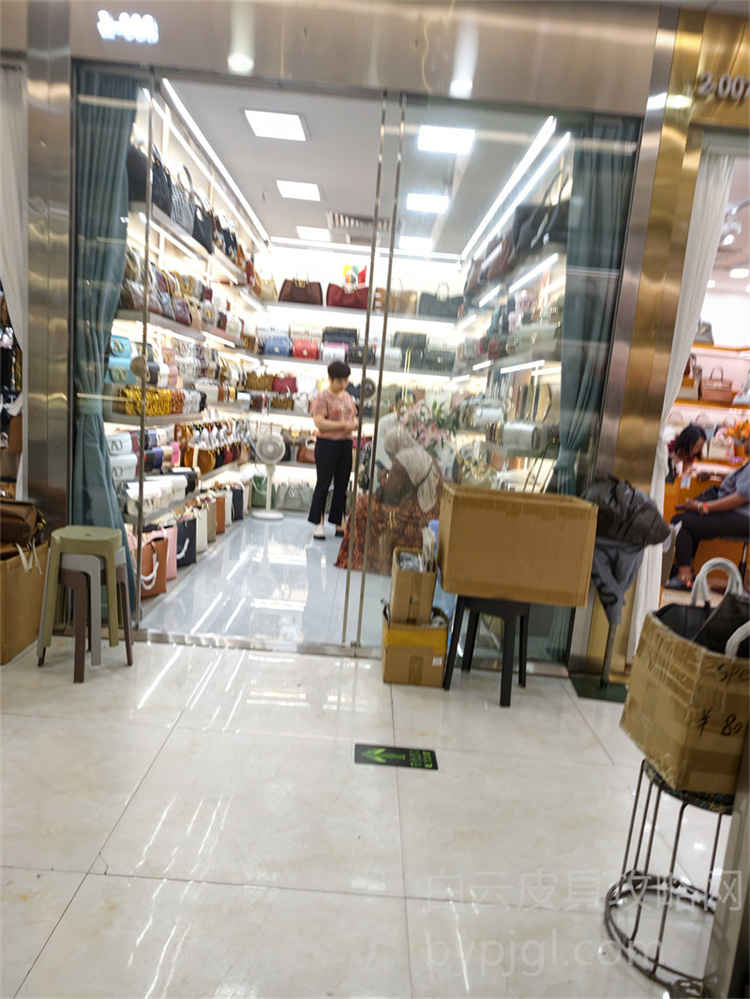
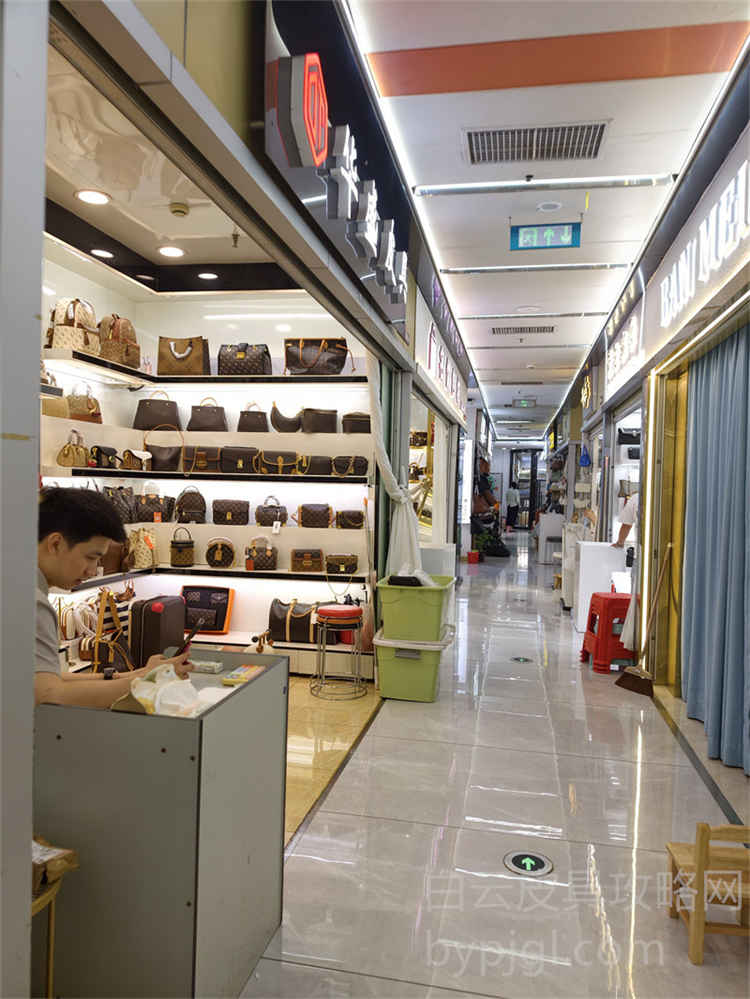
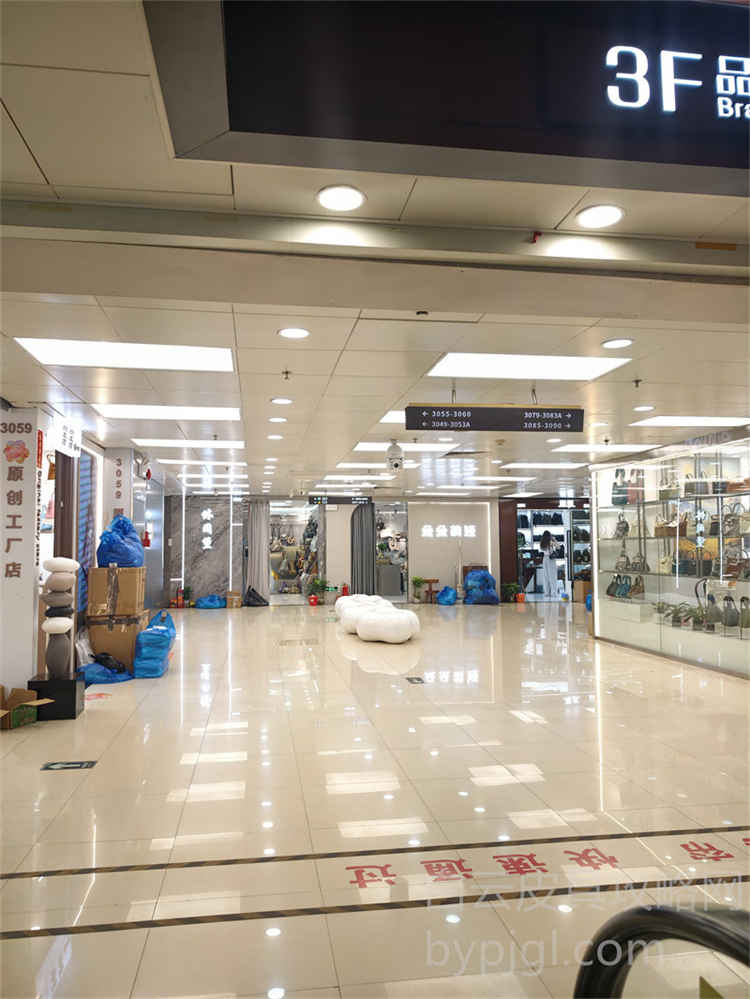
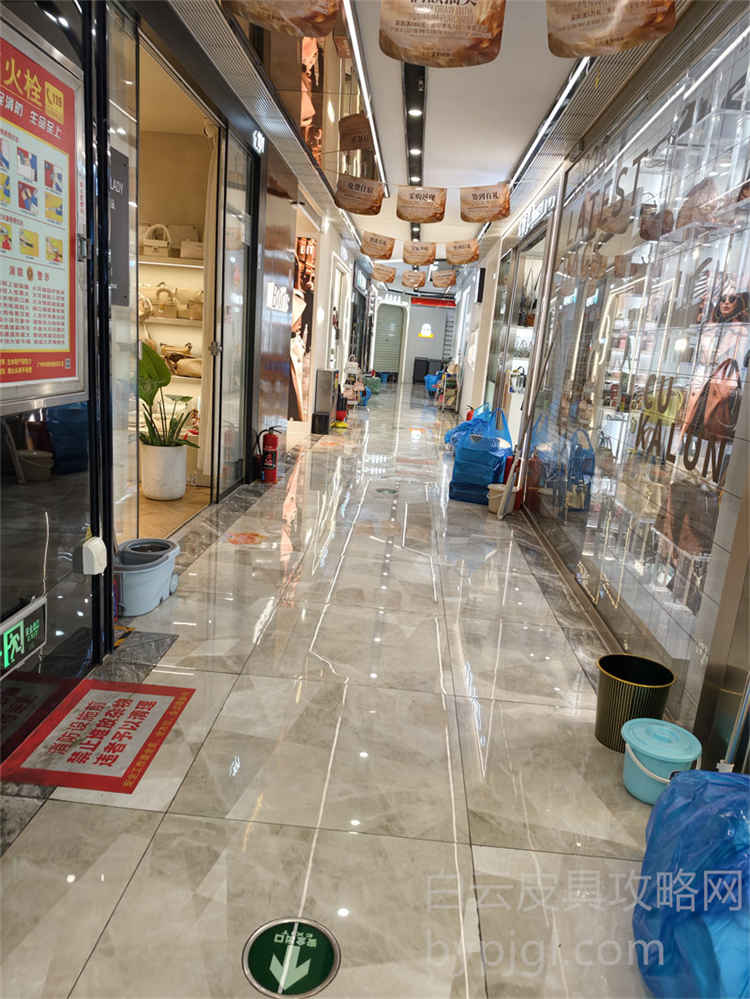
When you step into the main market, do not get distracted by the flashy displays on the ground floor. Those are often showrooms designed to attract tourists or casual shoppers. The real action happens on the upper floors, specifically around the areas dedicated to bulk trading. As a local owner, I recommend skipping the fancy lobbies and heading straight to the back corridors. This is where the factories' direct representatives set up their temporary counters. Here, you will find the lowest prices because there are no middlemen inflating the cost.
The Difference Between "Show" and "Stock"
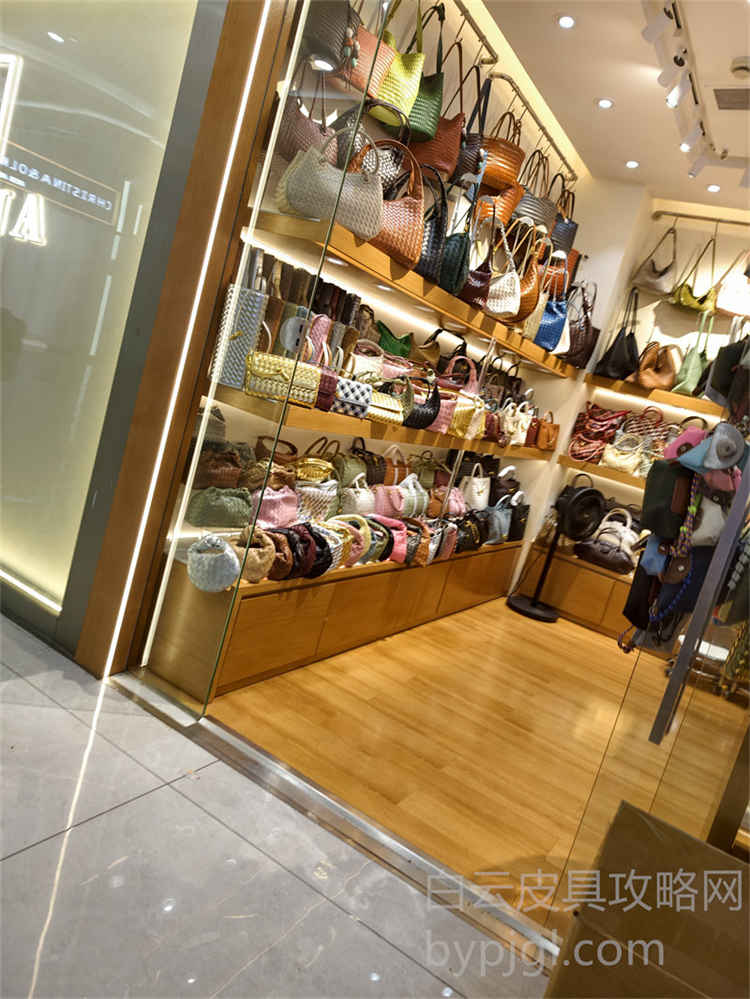
You must learn to distinguish between a display bag and actual stock. Some stalls look pristine, with perfect lighting and empty shelves, meaning they are just showing samples. They might claim they have thousands in the warehouse, but until you see the physical inventory, you cannot trust them. In my experience, the best deals come from stalls that have a slightly cluttered back room filled with boxes. That messiness indicates high turnover and fresh stock. If a stall looks too clean, ask yourself why they are hiding their inventory.
Practical Tips for First-Time Buyers
Communication is your biggest hurdle if you do not speak Mandarin. Do not rely solely on translation apps for complex negotiations. Bring a local guide or use a translator who understands the trade terms. When you approach a stall, do not start by asking for the cheapest price. Start by asking about the material composition. A good seller will immediately explain whether the leather is genuine cowhide, top-grain, or PU. Being specific about materials shows you are a professional buyer, not a tourist looking for a souvenir.
The Art of Inspection: How to Spot Quality Before Paying
Touch and Smell Are Your Best Tools
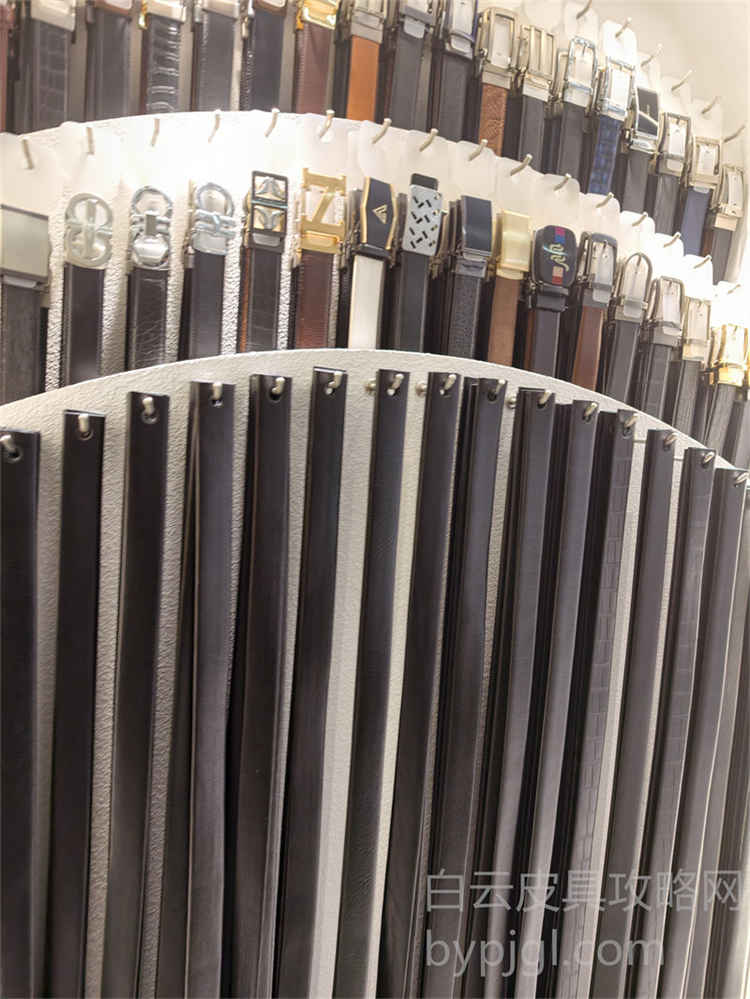
In the leather business, you cannot judge quality by photos alone. Even the most detailed pictures cannot capture the texture or the smell of the leather. When you are at the stall, run your hand over the surface. Real leather feels warm and has natural imperfections. Synthetic materials feel cold and uniform. Also, take a deep breath. High-quality leather has a distinct, rich scent, whereas cheap alternatives often smell like chemicals or plastic. I have seen many buyers lose money because they skipped this simple sensory check.
Checking the Stitching and Hardware
Look closely at the stitching. In Guangzhou, the craftsmanship varies wildly even within the same market. Good stalls use consistent thread tension with no loose ends. The stitching should be straight and tight. Next, inspect the hardware. Zippers should glide smoothly without catching. metal clasps should feel heavy, not hollow. If the metal feels light and flimsy, it will tarnish quickly. Ask the vendor to open the zipper and close the clasp multiple times to test durability. A confident seller will let you do this without hesitation.
Asking for the "Factory Direct" Test
If you are buying in volume, request to see the production line or the raw materials. Some larger stalls in Baiyun have a small workshop attached to their office. Seeing the cutting process gives you confidence that the product is being made correctly. If the vendor refuses to show you anything beyond the finished sample, walk away. Transparency is the sign of a trustworthy partner in this industry.
Negotiation and Logistics: Closing the Deal Like a Pro
Building Rapport for Better Prices
Negotiation in Guangzhou is not just about haggling over numbers; it is about building a relationship. If you treat the vendor like a stranger, you will pay the retail price. Smile, shake hands, and show interest in their business. Mention that you plan to return for more orders next season. Vendors love repeat customers. once they see you as a long-term partner, they will offer you their best factory rates. Never be aggressive; be polite but firm about your budget.
Shipping and Customs Considerations
once you agree on the price, discuss shipping immediately. Many vendors in Baiyun have established relationships with freight forwarders who specialize in international shipping. They can handle the packaging, labeling, and customs documentation for you. However, do not assume they know your country's import laws. Always clarify who is responsible for duties and taxes. For smaller orders, express courier services are fast but expensive. For bulk shipments, sea freight is more economical but takes longer. Calculate the total landed cost before finalizing the payment.
Avoiding Common Pitfalls
The biggest mistake new buyers make is paying 100% upfront. Always negotiate a deposit system, such as 30% down and 70% upon inspection before shipment. If possible, hire a third-party inspection service to verify the goods before the final payment. This protects you from receiving substandard products. Also, be wary of sellers who promise "miracle" qualities at rock-bottom prices. If it sounds too good to be true, it usually is. Stick to vendors who have been in the market for years and have a physical presence you can visit.
Guangzhou offers an unparalleled opportunity for sourcing affordable leather goods, but it requires patience, observation, and a bit of street smarts. By visiting the Baiyun Leather City personally, you gain access to a level of quality and pricing that online platforms simply cannot match. Remember, the best deals are found where the work is done, not where the ads are shown. Go there, touch the leather, talk to the owners, and build a supply chain that works for your business.