Walking the Floors: My Honest Guide to Sourcing Bags in Guangzhou
I have been standing behind this counter in Guangzhou for over fifteen years. While you might see me as just another shop owner, I am actually a local who has watched this industry evolve from small stalls to massive showrooms. If you are reading this because you want to source bags here but feel lost, let me tell you something first: do not rely on Google Maps or random agents. The real deals are found by walking the floors yourself, talking to the people who know the stock, and understanding the rhythm of the wholesale markets.
Navigating the Heart of the Industry: Baiyun District
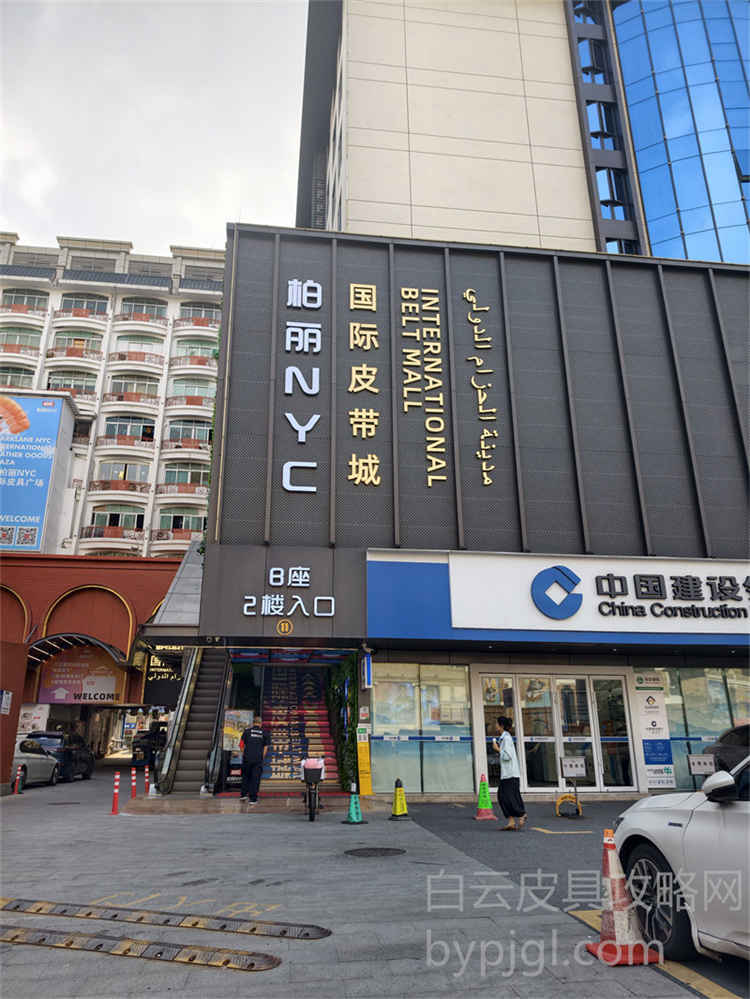
When you arrive in Guangzhou, your destination is clear: the Baiyun District. This is where the leather goods ecosystem lives. You will hear many names thrown around, like Shide Road or specific mall names, but the core of the action revolves around the massive complexes that house hundreds of vendors. These are not typical retail stores; they are high-density wholesale hubs where business happens fast and loud.
The Layout and First Impressions
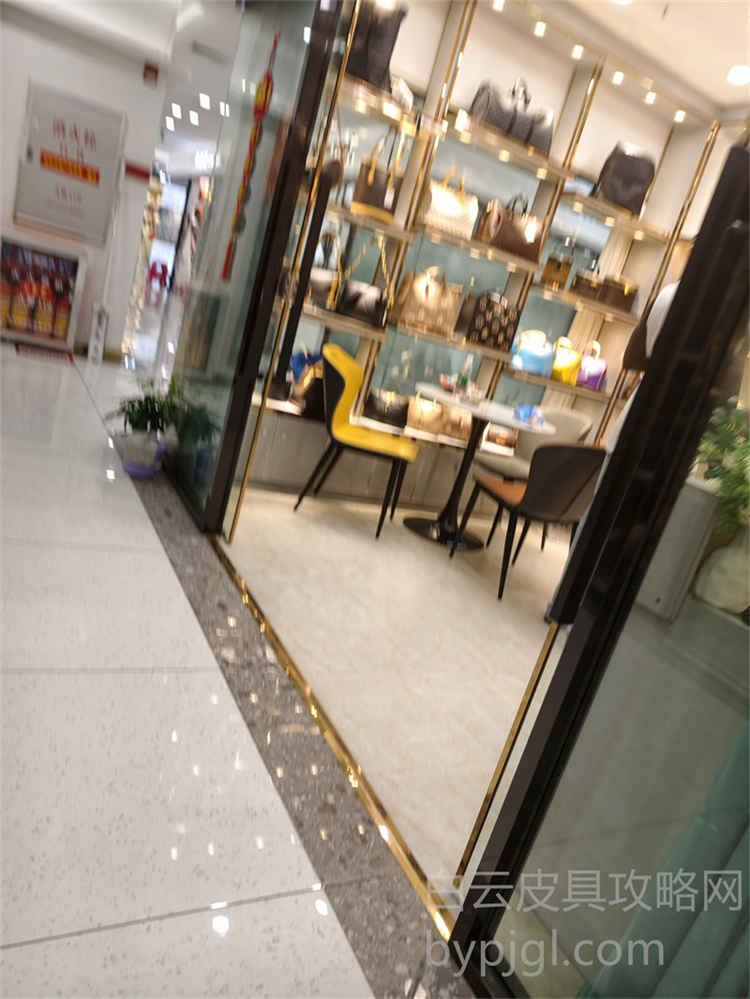
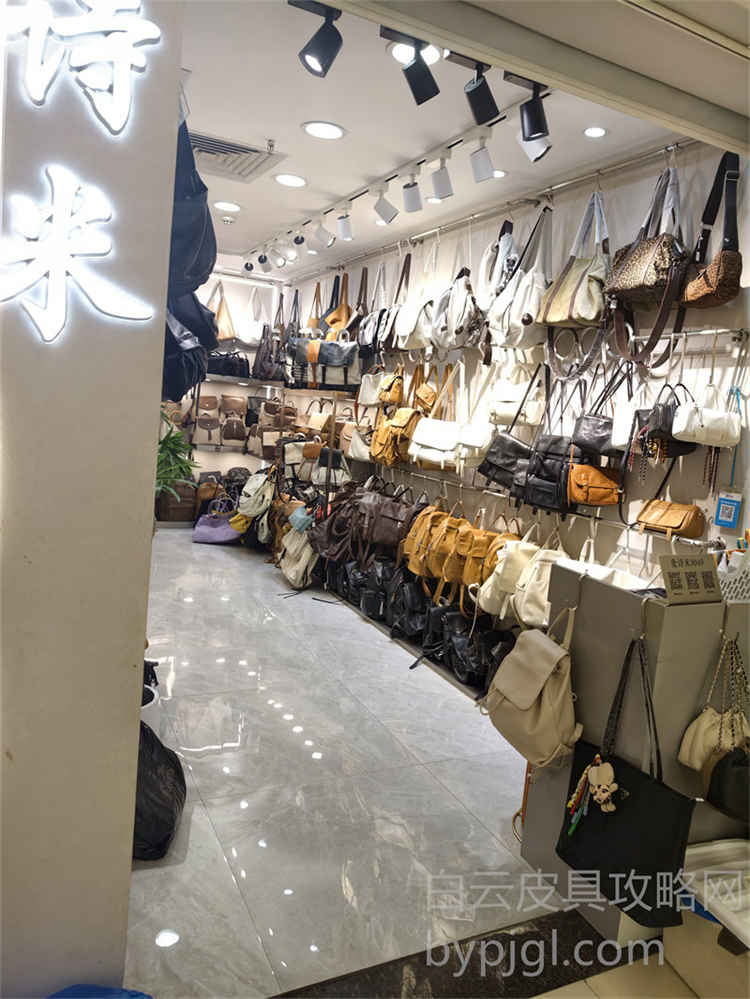
Upon entering these buildings, you will be overwhelmed by the sheer volume of merchandise. Do not get distracted by the flashy displays at the entrance. The real inventory is often tucked away in the back rooms or on the upper floors. Many new buyers make the mistake of stopping at the first stall they see. That is a trap. The best quality and most competitive pricing are usually found deeper inside, where the regulars go. Take your time to walk every aisle. Notice which shops have fresh stock coming in daily versus those with dusty shelves. A busy floor means good turnover, which usually indicates better prices.
Understanding the Market Zones
Not all sections of the market are created equal. Some areas focus on lower-volume items meant for quick sales, while others specialize in higher-end craftsmanship. As a veteran, I always advise my international clients to start in the mid-range zones to gauge the general quality before moving to the premium sections. The vendors here speak different languages, but the universal language of business is negotiation and visual inspection. You will find that the more serious buyers are treated differently than tourists looking for souvenirs.
The Art of Selection: What to Look For Before You Buy
Sourcing here is not about picking a bag off the shelf and paying. It is an investigative process. You need to train your eyes to spot the details that separate a decent product from a top-tier one. In our trade, we talk about materials, stitching, and hardware without using brand names. We look at the grain of the leather, the consistency of the thread, and the weight of the metal zippers.
Material Inspection Techniques
Never trust a photo sent via WhatsApp. Photos can be edited, colors adjusted, and textures smoothed out. You must touch the material. High-quality leather has a specific smell and texture that synthetic alternatives simply cannot mimic. Run your fingers along the seams. Are they straight? Is there any loose thread? Check the lining. Cheap linings tear easily and look unprofessional. When I inspect a batch for a client, I spend at least ten minutes on a single sample, checking every angle, including the bottom corners and the interior pockets. If the vendor hesitates when you ask to check the inside, move on immediately.
Hardware and Functionality
The hardware is often the first thing to fail on a poorly made bag. Test the zippers repeatedly. They should glide smoothly without catching. Check the clasps and buckles. Do they feel heavy and solid, or light and hollow? Good hardware has a substantial weight to it. Also, pay attention to the plating. Does it shine evenly, or are there spots where the color is peeling? In our experience, the difference between a standard grade and a superior grade often lies in the thickness of the plating and the durability of the mechanism.
Building Relationships and Negotiating Deals
This is where many foreign buyers fail. They treat every transaction as a one-off sale. In Guangzhou, relationships are everything. If you come back next month, you want the same owner to remember you and offer you priority access to new stock. I always tell my customers to be polite, respectful, and patient. Do not rush the negotiation. Sit down, have a tea, and discuss your needs openly.
The Language of Pricing
Pricing here is rarely fixed. The price tag you see is often just a starting point. The final price depends on your order quantity, your relationship with the vendor, and the current market demand. Do not be afraid to negotiate, but do not be rude. Start by asking for their best price for a mixed order. If they refuse, ask what the minimum order quantity (MOQ) needs to be to get a discount. Often, bundling different styles together allows you to hit a better price point. Remember, the vendor wants to sell, but they also need to protect their margin. Find that sweet spot.
Payment and Logistics
once you agree on a price, clarify the payment terms immediately. Most reputable vendors accept bank transfers or secure online payment platforms. Avoid cash transactions unless you are very comfortable with the amount. After payment, discuss shipping logistics. Do not assume the vendor handles everything. Ask them to pack the goods securely to prevent damage during transit. Many vendors have long-term relationships with freight forwarders who specialize in international shipping. Using their recommended forwarder can save you money and headaches compared to finding your own carrier.
Avoiding Pitfalls: Red Flags Every Buyer Must Know
Even after fifteen years, I still see buyers get burned. Here are the common traps you must avoid. First, never buy based solely on a video call. Video calls can be misleading regarding lighting and texture. Second, beware of vendors who promise "the same factory" as major luxury houses. That is almost always a lie. Instead, focus on the quality of the product itself, regardless of its origin story. Third, do not sign contracts with vague terms. Everything must be written down, including the return policy for defective items.
Quality Control Protocols
Before you leave the warehouse, conduct a final inspection. Do not rely on the vendor's word that everything is perfect. Count the pieces. Check the serial numbers if applicable. Ensure the packaging matches your requirements. If you notice even a small defect, address it right then and there. It is much harder to resolve issues once the goods are shipped. A good vendor will stand behind their product and offer replacements for any genuine defects. If they argue or blame you, that is a warning sign.
Final Thoughts from a Local Veteran
Sourcing in Guangzhou is a journey that requires patience, observation, and a willingness to learn. The market is dynamic, changing every season with new trends and styles. By walking the floors of Baiyun, engaging directly with the owners, and focusing on tangible quality indicators, you can build a successful supply chain. Do not rush. Take your time to understand the ecosystem. The rewards of finding the right partners and products here are immense, but only for those who put in the effort to do it the right way. Welcome to the heart of the leather world; now go explore.