Walking the Floor: My Real Talk on Sourcing from Guangzhou
I have been standing behind a counter in the Baiyun District for over fifteen years. While you might see me on WeChat with a QR code that says "Guangzhou high-end leather goods wholesale," my real expertise comes from the dust, the noise, and the endless rows of tables at the皮具城 (leather city). Many overseas buyers think they can just order online and get perfect goods without ever seeing them. That is a dangerous mistake. The market here moves fast, and the quality varies wildly depending on who you talk to and where you stand.
The Reality of the Physical Market
You cannot judge the texture of a bag through a screen. I remember a client from New York who ordered based on photos alone. When the shipment arrived, the stitching was uneven, and the hardware felt light as plastic. He was furious. If he had just come to the market, walked into the specific stall, and asked to feel the leather, we could have avoided that disaster. The physical experience is everything. You need to smell the leather, check the weight of the zipper, and look at the lining up close. This is why I always tell my regulars: if you are serious about sourcing, plan a trip to Guangzhou first.
Navigating the Baiyun Leather City Maze
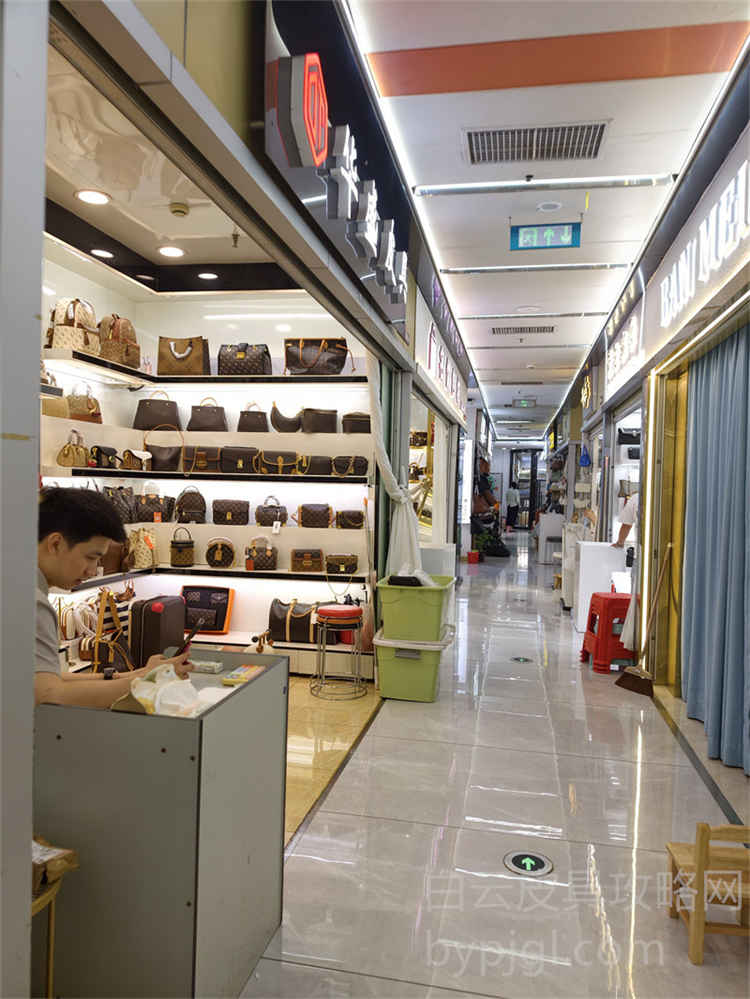
The Baiyun area is not just one building; it is a massive ecosystem of interconnected malls. There is the World Trade Center, the Zhongda, and many smaller buildings tucked away in alleys. Each building has its own vibe and price point. Some places cater to tourists looking for cheap souvenirs, while others are strictly for serious bulk buyers who know exactly what they want. To find the best deals, you need to skip the ground floor shops that scream at passersby. Those are often middlemen or low-quality stalls trying to catch the eye of someone who doesn't know better.
Finding the Right Stall
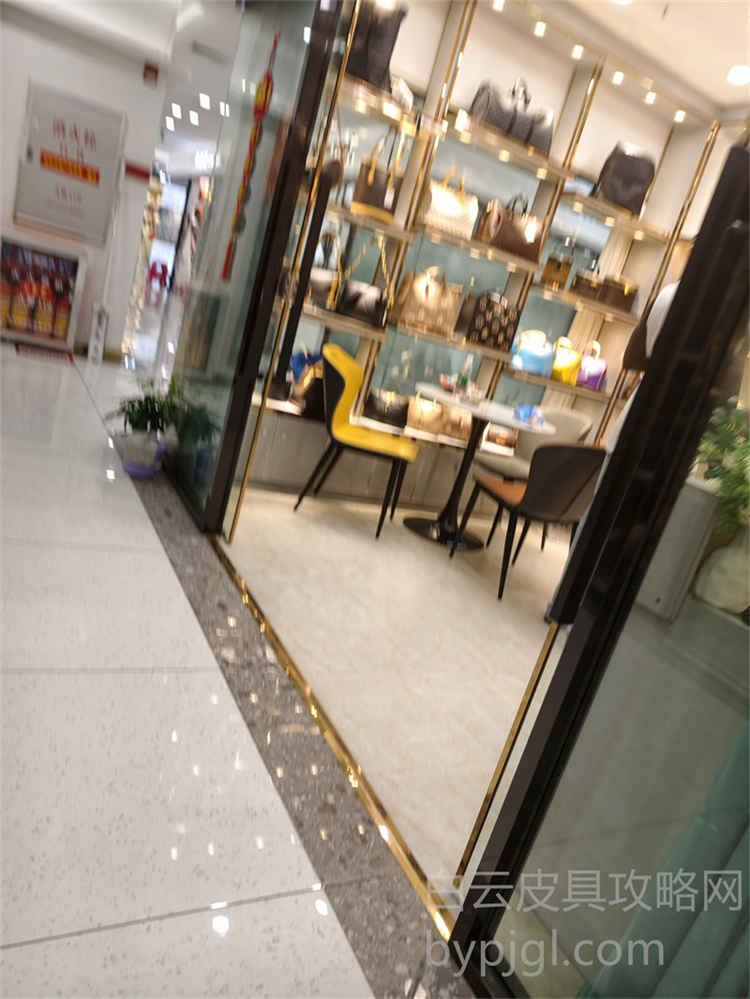
When you walk in, ignore the flashy displays. Look for the stalls that are busy but not chaotic. These are usually the ones with steady traffic from other shop owners. Ask around. In this business, reputation travels fast. If a stall owner is known for consistent quality, their customers will keep coming back. Do not be afraid to ask questions. A good vendor will answer every detail about the material source, the factory location, and the production time. If they hesitate or give vague answers, move on. Trust your gut instinct when you are walking through these corridors.
The Art of Inspection and Negotiation
once you find a potential partner, the real work begins. This is where most people fail because they do not know how to inspect the product properly. Bring a magnifying glass if you have to. Check the grain of the leather. Does it feel soft and supple, or does it crack under pressure? Look at the edges. Are they painted neatly, or is there glue residue? The hardware should have a solid weight and a smooth finish. No scratches, no discoloration. These details separate the premium goods from the junk.
Talking Numbers and Terms
Negotiation here is an art form. It is not about being rude; it is about showing you know the market. If you act like a tourist, you will pay the tourist price. If you act like a buyer who knows the cost of materials, you will get the wholesale rate. Start by asking for the minimum order quantity. Most stalls require a certain number of pieces to offer the best price. Be honest about your volume. If you are planning to build a long-term relationship, mention that you intend to return frequently. Vendors love loyal customers. They will often give you better pricing or priority shipping if they know you are here to stay.
Avoiding Pitfalls and Building Trust
The biggest risk in this industry is communication gaps. Even with translation apps, nuances get lost. This is why I rely heavily on WeChat for daily updates. It allows us to share videos, photos, and quick voice notes instantly. Before you make a final payment, always request a video call. Ask the vendor to show you the specific batch of goods you are buying. Have them zoom in on the serial numbers, the stamps, and the interior tags. This step ensures that what you see on the screen matches what is actually in the warehouse.
The importance of Samples
Never place a large order without ordering a sample first. Yes, it costs a bit more upfront, but it saves you from losing thousands later. The sample allows you to test the durability, the color accuracy, and the overall craftsmanship. once you approve the sample, the vendor knows exactly what standard you expect for the bulk order. Keep a record of this approved sample. If the final shipment does not match the sample, you have proof to demand a refund or replacement. This simple step protects your investment and builds trust between us.
Why Local Knowledge Matters
There is a lot of misinformation online about sourcing from China. People talk about scams and fake products, but the truth is, the market is full of legitimate businesses if you know where to look. The key is patience and persistence. Do not rush. Take your time to visit multiple stalls. Compare prices and quality. Build relationships with the vendors who treat you with respect. Over the years, I have seen many buyers succeed because they took the time to understand the local culture and the intricacies of the supply chain. They did not just buy a product; they built a partnership.
Final Thoughts for the Serious Buyer
If you are ready to dive into the world of high-quality leather goods sourcing, start by visiting the Baiyun District. Walk the floors, touch the materials, and talk to the people who live and breathe this trade every day. The connections you make here will be worth more than any discount you find online. Remember, the goal is not just to buy a bag; it is to secure a reliable supply chain that grows with your business. Come with an open mind, a sharp eye, and a willingness to learn. That is the only way to win in this game.