
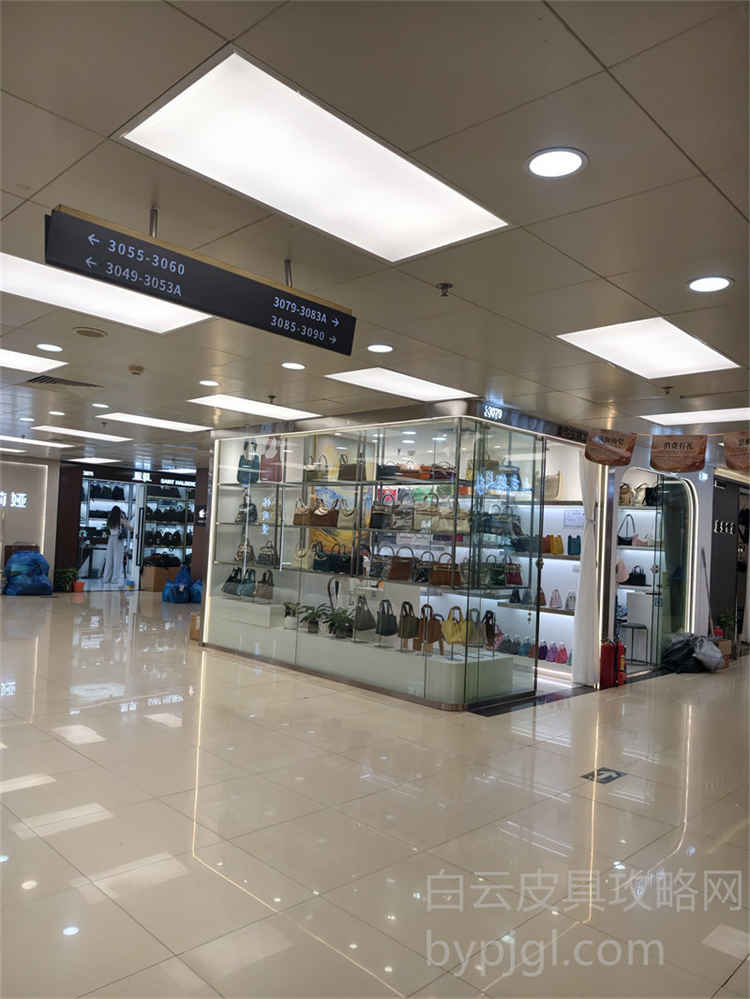
Walking the Floors: My Honest Take on Sourcing from Guangzhou's Leather Markets
I have been standing behind a counter in Guangzhou for over fifteen years. While the city has changed, the rhythm of the leather markets remains the same. You walk into these buildings and you are immediately hit by the noise, the smell of new leather, and the sheer volume of goods stacked floor to ceiling. Many people ask me about finding affordable options here. They want to know how to navigate the wholesale scene without getting lost or ripped off. Let me tell you, it is not just about walking in and picking something up. It is about understanding the flow, knowing which building holds what, and havin the right approach when you talk to the bosses.
The Real Layout of the Wholesale District
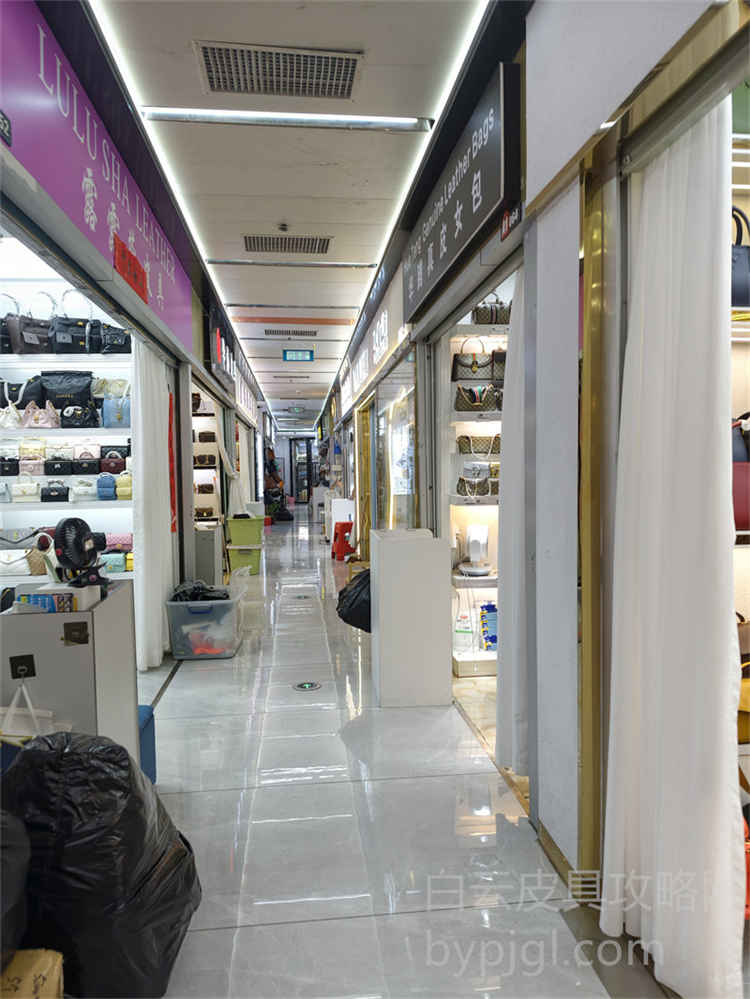
You cannot just say "Guangzhou" and expect to find everything in one place. The area around Baiyun District is massive. If you are looking for entry-level products that move fast, you need to head straight for the older sections of the market. These places are crowded, loud, and exactly wher the high-volume trade happens. I see tourists often get confused because they try to go to the fancy malls first. Those places are for high-end retail, not for bulk buying. When you want to see the actual stock that gets shipped out daily, you need to be in the bustling corridors wher the air conditioning is barely working and the tables are covered in samples.
How to Spot the Right Stall Before You Talk
When I meet a buyer for the first time, I always tell them to look at the floor before they look at the bags. A good stall does not just have perfect items on display. They have stacks of boxes in the back. If a shop only shows three beautiful bags on a velvet table and says "no more," they are likely a retail store trying to pass as a wholesaler. In the wholesale zones, you will see racks upon racks of similar styles. This is wher the real action is. The variety is huge. You can find dozens of variations of a single style in different colors and materials. This is what we call the "mass production" model. It allows us to keep prices low while offering enough choice for international buyers.
Negotiating Without Saying Too Much
Language can be a barrier, but business logic is universal. When you walk up to a counter, do not start by asking for the lowest price immediately. That makes you look like a tourist who doesn't know the game. Instead, ask about the minimum order quantity (MOQ). Most stalls here operate on a tiered system. If you take ten pieces, the price is X. If you take fifty, it dros to Y. If you take a hundred, we can discuss further discounts. I have seen many buyers fail because they tried to buy just one piece at a wholesale price. We simply cannot do that. The profit margins are too thin. Be honest about your volume. If you are starting small, admit it. Some bosses will still help you if you show potential for future orders. Trust is built on transparency.
The Art of Checking Quality on Site
This is wher most mistakes happen. You cannot rely on photos sent via WhatsApp. You must touch the material. In our district, there are many grades of leather and hardware. For the budget-friendly lines, we use synthetic leathers or lower-grade cowhide. It is important to understand this distinction. Run your hand over the surface. Check the stitching. Is it tight? Are there loose threads? Look at the zippers. Do they slide smoothly or do they catch? Open the bag and check the lining. Is it glued properly or stitched? In the past, I have seen buyers accept goods based on a quick glance, only to find defects once they reached their country. Never rush the inspection. Spend five minutes with every sample. Ask the boss to show you the inside pockets and the bottom feet. If they hesitate, that is a red flag.
Avoiding the Common Pitfalls
There are scams everywher, even in legitimate markets. One common trick is the "sample trap." A seller might show you a perfect bag, take your deposit, and then send you a box filled with inferior goods. To avoid this, always insist on seeing the exact batch you are buying. If possible, ask to visit the warehouse behind the shop. Another issue is shipping. Many sellers promise free shipping, but the cost is hidden in the product price. Calculate the total landed cost before you agree. Also, be careful with payment methods. Avoid sending money directly to personal accounts unless you trust the person completely. Use secure platforms or meet in person to exchange cash. I have helped many clients recover from bad deals by teaching them to verify the supplier's physical location and history.
Building Relationships for Long-Term Success
My advice to anyone coming here is to treat this as a relationship, not a transaction. Come back next season. Bring your friends. Show that you are serious about doing business in Guangzhou. When you become a regular face, the treatment changes. The bosses will give you priority access to new designs before they hit the general market. They will hold stock for you instead of selling it to someone else. They might even offer better terms on payment. This is the secret of the local trade. It is not about the cheapest price today; it is about the best partnership tomorrow. The market is competitive, but loyalty pays off.
Final Thoughts on Navigating the Market
Guangzhou is a maze of opportunity if you know how to walk through it. The energy here is infectious, but it requires patience and sharp eyes. Do not be afraid to ask questions. The locals appreciate curiosity. Whether you are looking for simple tote bags or more complex styles, the supply chain here is unmatched. Just remember to stay grounded, inspect everything, and build trust. The difference between a successful trip and a wasted one comes down to preparation and respect for the process. Go with an open mind, but keep your eyes wide open.







 On-site Visits
 Free Sharing
 Avoid Scams
 Updated Frequently
 For Reference Only