
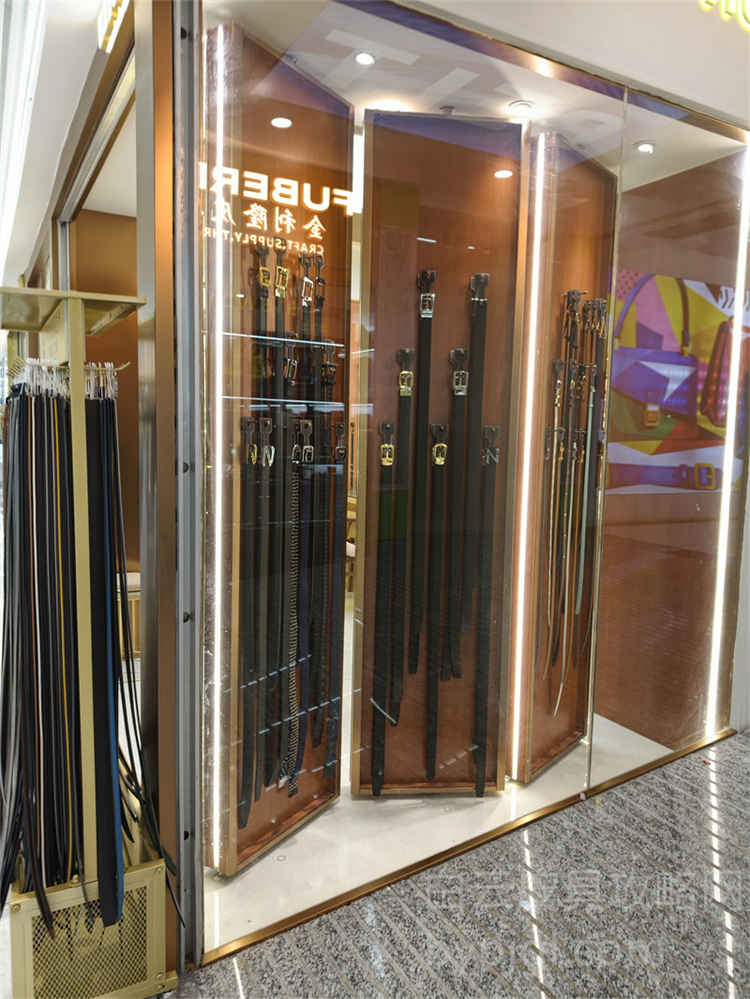
Stepping Into the Heart of Guangzhou's Leather Trade
Welcome to my shop. If you are reading this, you probably know that the real story of high-end leather goods doesn't happen in a glossy showroom or on a sleek e-commerce site. It happens here, in the dusty, chaotic, and incredibly vibrant alleys of Baiyun District. I have been standing behind this counter for over twenty years. I've seen the market rise from small stalls to massive complexes, and I've watched thousands of buyers come and go. Many think they can just walk in and buy "the best" without knowing the rules. Let me tell you, that is the fastest way to get ripped off. The secret isn't about finding a magic button; it is about understanding the ecosystem of the Guangzhou leather wholesale market.
The Reality of the Wholesale Floor
When you first step into the main buildings of Baiyun, the noise hits you. It is a symphony of Cantonese dialects, phone calls ringing out, and the smell of fresh leather mixed with floor wax. This is not a place for tourists looking for souvenirs. This is a serious business hub wher millions of dollars change hands every single day. You will see rows upon rows of counters stacked with bags. Some look identical, some look slightly different, but the quality varies wildly depending on who owns the stall. My advice? Do not rush. Walk the perimeter first. Look at the foot traffic. Which shops are busy? Which ones are empty? The busy ones usually have the freshest stock and the most reliable supply chains.
Navigating the Supply Chain: From Factory to Counter
One of the biggest misconceptions overseas is that there is one single factory making everything. That is simply not true. The supply chain here is fragmented and highly specialized. There are factories that specialize in hardware, others that focus solely on stitching, and then there are the assembly lines that put it all together. When you visit a stall, you are talking to a middleman who has direct access to these production lines. They know which factory produces the top-tier materials and which one cuts corners on the lining.
Understanding the Grading System
You will hear terms like "market grade," "top tier," or "original quality." These are not official industry standards, but they are the language we use to communicate value. As a buyer, you need to learn this lingo. "Market grade" usually means decent materials but average craftsmanship. "Top tier" implies that the leather comes from the same tanneries used by major international brands, and the stitching follows the exact same tension and pattern. However, be careful. Just because a seller says "top tier" does not mean it is. You must verify this yourself. Ask to see the raw material samples. Feel the grain. Check the weight of the metal hardware. A heavy, solid zipper pull is a sign of quality; a light, hollow one is a red flag.
The Art of Inspection and Negotiation
This is wher the real work begins. once you find a stall that looks promising, do not just ask for the price. That is amateur hour. Start by inspecting the bag thoroughly. Turn it inside out. Look at the stitching density per inch. Check the alignment of the patterns on the leather panels. In the Guangzhou leather market, attention to detail is what separates a $50 bag from a $500 bag. If the glue is visible, if the lining is loose, or if the logo stamping is crooked, walk away immediately. No amount of negotiation will fix a bad product.
Building Trust with the Vendor
once you have verified the quality, it is time to talk numbers. Never accept the first price quoted. The initial quote is always inflated to leave room for negotiation. Show them you know what you are doing. Mention specific details about the construction or the leather type. This signals that you are a repeat buyer, not a one-time tourist. In our culture, trust is built through repeated interactions. If you are buying in bulk, mention your volume plans. Vendors are much more willing to offer better prices to someone who promises long-term business than to someone looking for a single piece. Also, clarify the shipping logistics upfront. Do they handle export documentation? Can they ship directly to your warehouse? These operational details are often overlooked until it is too late.
Avoiding Common Pitfalls for Overseas Buyers
I have seen many foreign buyers make costly mistakes because they tried to replicate the experience of shopping online while being physically present in the market. Here are the traps to avoid. First, never pay via personal transfer apps without a contract or invoice. Always use a secure payment method that offers protection. Second, be wary of sellers who try to push you toward a specific brand name. While we cannot discuss those names explicitly, any vendor who insists on using trademarked logos is asking for trouble with customs. We deal in unbranded goods that mimic the style and quality, not the legal trademarks. Third, do not rely solely on photos sent via WhatsApp. Photos can be edited, lighting can be manipulated, and angles can hide defects. You must see the physical item before paying.
The importance of Sample Orders
If you are new to sourcing from Baiyun, start small. Place a sample order first. Buy one or two pieces to test the quality, the packaging, and the shipping speed. This is the only way to truly vet a supplier. If the sample meets your expectations, then you can scale up to larger orders. This approach minimizes risk and builds a foundation of trust between you and the vendor. Remember, the goal is not just to get a cheap bag, but to build a sustainable supply chain that delivers consistent quality month after month.
Final Thoughts on Sourcing Success
The Guangzhou leather market is a treasure trove for anyone willing to put in the effort. It requires patience, observation, and a willingness to learn the local ways of doing business. But for those who take the time to navigate the stalls, inspect the goods, and negotiate fairly, the rewards are immense. You gain access to products that rival anything found in luxury boutiques, often at a fraction of the cost. So, when you plan your next trip, skip the malls and head straight to Baiyun. Bring your eyes, bring your hands, and most importantly, bring your questions. That is how you become a pro in this game.

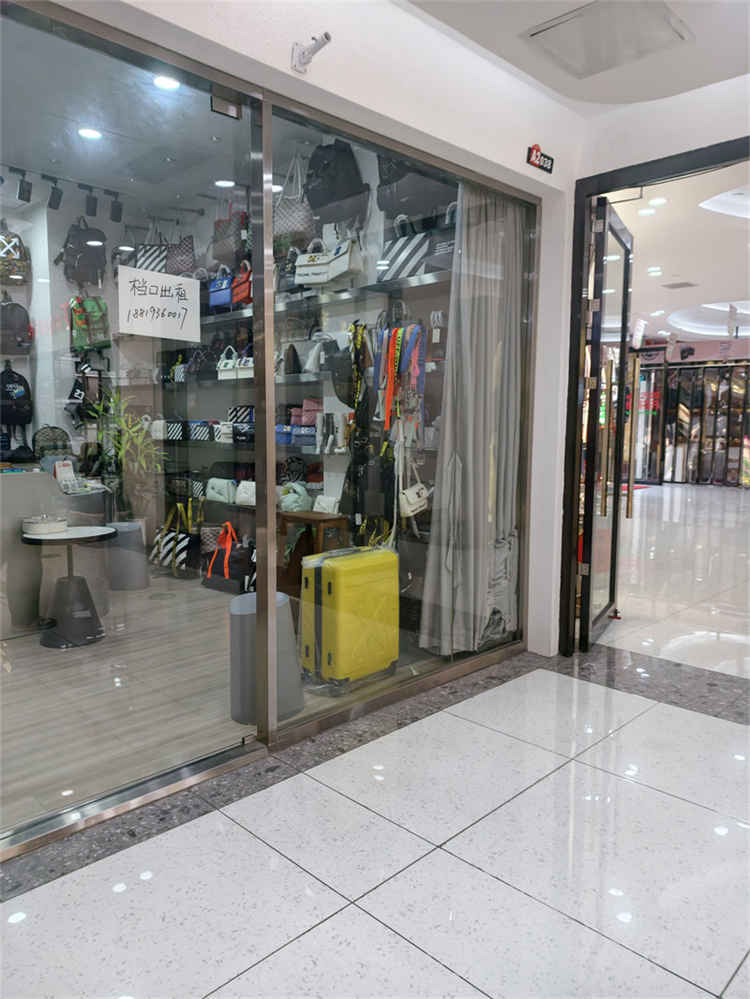






 On-site Visits
 Free Sharing
 Avoid Scams
 Updated Frequently
 For Reference Only