
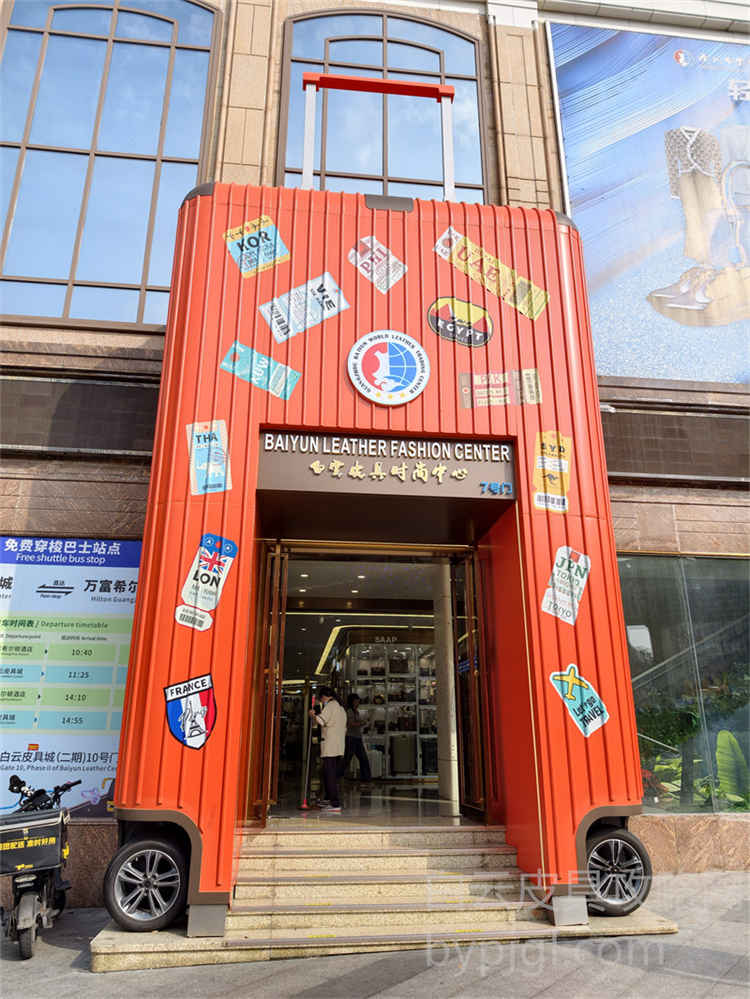
Walking the Floors: My Real Talk on Sourcing from Guangzhou
I have been standing behind a counter in this city for over twenty years. While the world talks about trends and online algorithms, my life is measured in the dust of leather scraps, the smell of glue, and the constant hum of the wholesale market. You are probably reading this because you want to find high-quality goods without getting ripped off by middlemen or falling for cheap scams. Let me tell you something straight: if you think you can just walk into a random shop and get the best product at the lowest price, you are going to leave empty-handed or with a bag that falls apart in a week.
The First Rule: Know Wher You Are Going
Most people hear "Guangzhou" and immediately think of Baiyun Leather City. That is correct, but it is not the whole story. The area around Jiahe Metro Station is wher the real action happens. There are several massive buildings here, each with its own vibe. Some floors cater to tourists who want fake logos, while others are strictly for serious buyers looking for top-tier craftsmanship. If you are coming from overseas, do not trust a guide who promises to take you to a "secret factory" right away. Those are usually traps designed to sell you low-grade items at inflated prices. Instead, go to the main halls yourself. Look for the shops that look busy, with stacks of boxes and staff talking on phones in multiple languages. That is wher the volume is, and that is wher the quality control is tighter.
Navigating the Showrooms: What to Look For
When you step into a legitimate showroom, forget about the flashy displays you see on social media. The real test happens when you ask to see the "real thing." In our business, we call these samples. A good vendor will not show you a picture; they will pull out a physical item from their back room. This is your first checkpoint. Feel the weight of the bag. Cheap materials feel light and flimsy, like plastic wrapped in fabric. High-end leather has substance. It should feel cool to the touch and have a natural grain that varies slightly across the surface. If every single bag looks identical under a microscope, it is likely mass-produced from a mold rather than hand-cut.
Reading the Stitching and Hardware
Here is a trick I learned decades ago: look at the stitching. On a poorly made item, the thread will be loose, uneven, or use a synthetic material that shines too brightly. Good leather goods use waxed thread that sits flush against the leather. The angle of the stitches should be consistent. Then, check the hardware. Zippers should glide smoothly without catching. metal parts should feel heavy, not hollow. If you tap the metal and it sounds like tin, put it down. We source hardware from specialized suppliers who match the plating thickness and color of the original specifications. Do not settle for gold-plated brass that turns green after a month of wear. Ask to see the hardware up close. If the seller hesitates or says "it is fine," move to the next stall.
The Art of Negotiation and Building Trust
You cannot buy from these markets like you buy from Amazon. There is no fixed price tag. Everything is negotiable, but the way you negotiate matters. If you walk in asking for the cheapest price, you will get the cheapest product. Vendors know exactly what you are willing to pay based on how you dress and speak. Start by asking about the materials used. Ask specific questions about the type of cowhide, the origin of the lining, and the brand of the zipper. When you ask technical questions, you signal that you are a buyer, not a tourist. once you establish that you know your stuff, the conversation shifts to volume and relationship.
Building Long-Term Relationships
In Guangzhou, business is built on relationships, not one-off transactions. If you plan to resell these items, you need a supplier who can guarantee consistency. Tell them your target market and your volume expectations. A good owner will remember your name and your preferences. They might even hold back the best pieces for you before showing them to walk-in customers. Do not be afraid to visit the same stall multiple times. Bring a sample of what you liked last time and compare it to new arrivals. This shows you are serious about maintaining standards. Over time, you will find that some vendors become partners who help you solve problems, like fixing a defect or sourcing a specific color that is hard to find.
Avoiding Pitfalls: What Not to Do
There are many ways to get burned in this industry. One common mistake is paying 100% upfront without seeing the final goods. Always insist on a deposit and then a final inspection before the rest of the payment is released. Another trap is rushing the process. If a vendor pushes you to decide immediately, claiming there is only one left, it is often a sales tactic. Take your time. Walk around the building. Compare prices and quality across different stalls. The market is huge, and competition is fierce, which works in your favor. Also, be wary of anyone offering to ship directly from a warehouse without letting you inspect the goods first. Unless you have a trusted agent, always verify the product physically.
Logistics and Shipping Considerations
once you have seleced your items, the logistics part becomes crucial. Many vendors in Baiyun have experience shipping internationally, but they are not all equal. Some will pack poorly, leading to crushed bags upon arrival. Ask them to use sturdy boxes and proper padding. If you are buying a large quantity, consider hiring a freight forwarder who specializes in this region. They can consolidate shipments from different vendors, saving you money on shipping costs. Make sure you understand the customs regulations in your country regarding imported goods. Transparency is key here; hide nothing from your forwarder, as they are your best defense against delays or seizures.
Final Thoughts from the Floor
Sourcing from Guangzhou is an adventure that requires patience, knowledge, and a sharp eye. It is not about finding a magic shortcut; it is about understanding the supply chain and building genuine connections with the people who make these products. The market changes every day, with new styles emerging and old ones fading, but the core principles remain the same. Quality is king, and trust is the currency. If you take the time to walk the floors, ask the right questions, and build relationships with honest vendors, you will find that the opportunities here are endless. Go out there, touch the leather, and trust your instincts. That is how you succeed in this game.

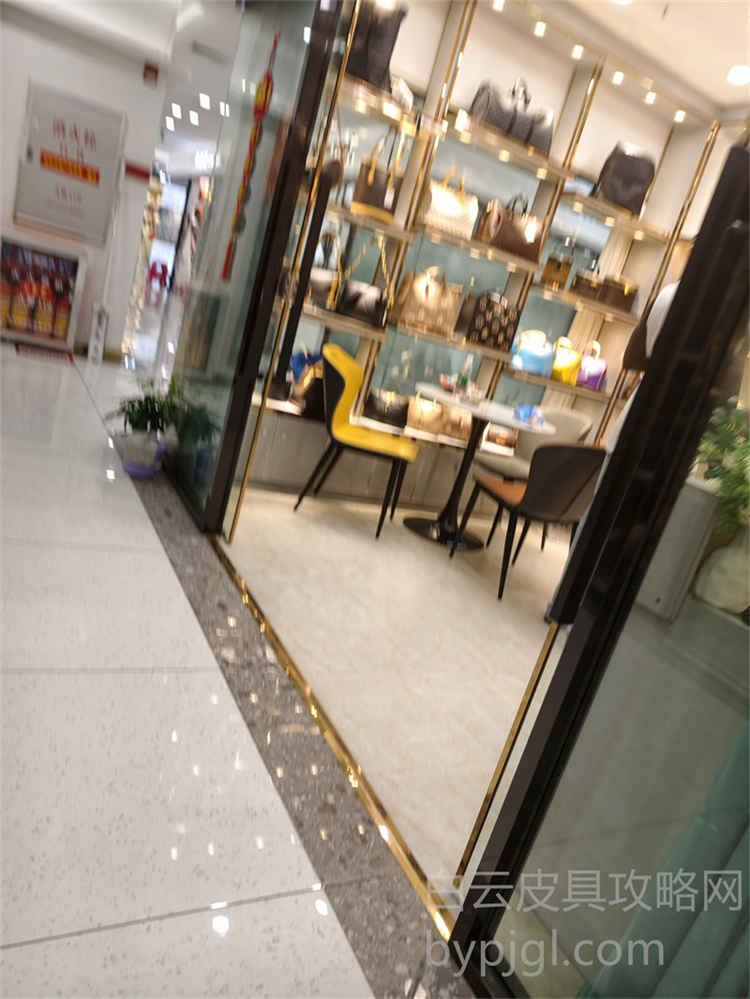
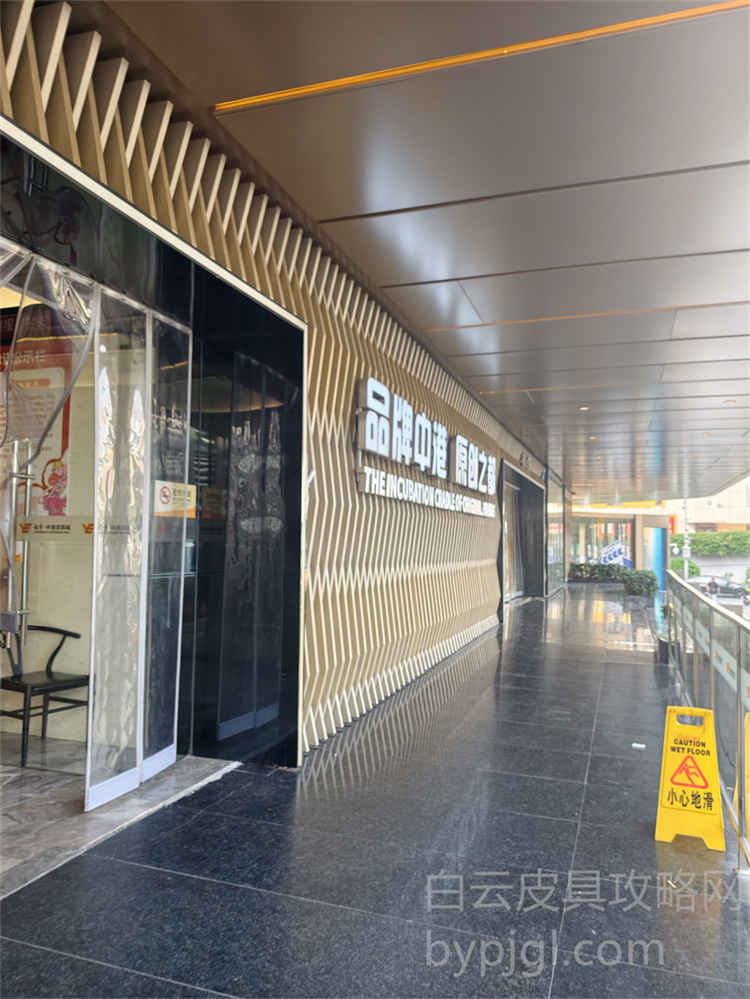





 On-site Visits
 Free Sharing
 Avoid Scams
 Updated Frequently
 For Reference Only