
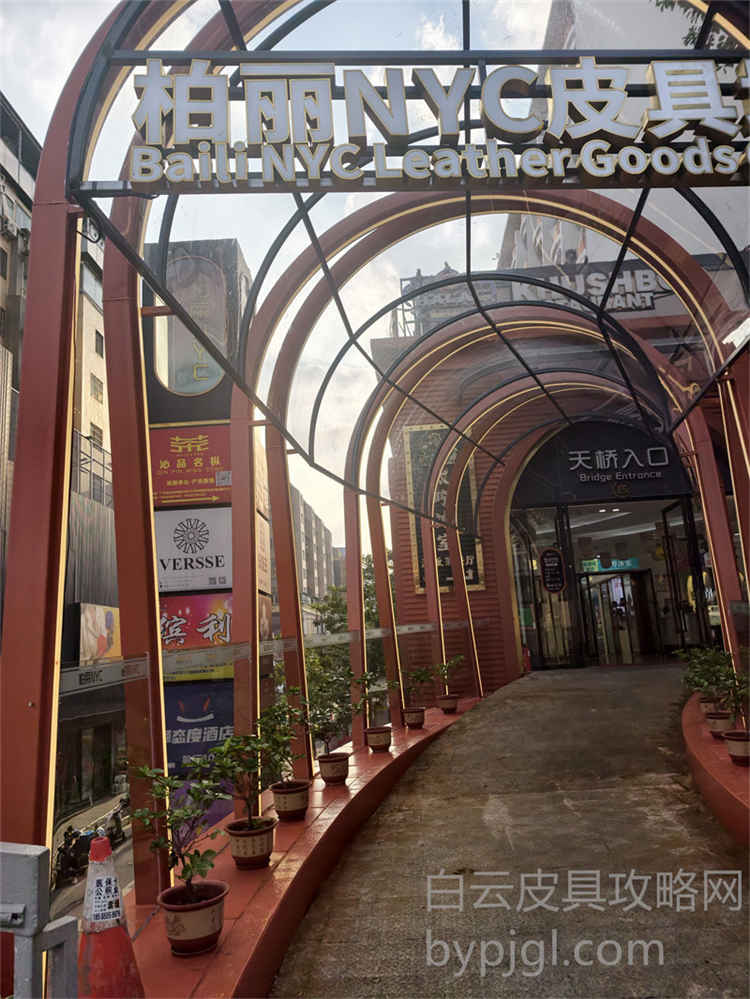
Why Guangzhou is Still the Heart of Korean-Style Bag Sourcing
I have been standing behind my counter in the Baiyun District for over fifteen years. While everyone talks about online sourcing and droshipping, I still see thousands of buyers walking through our gates every single day. If you are looking for authentic Korean-style bag sources in Guangzhou, there is no better place than right here. The market here isn't just about cheap goods; it is about speed, trends, and the ability to replicate the latest styles from Seoul within days. Many overseas buyers think they need a middleman or an agent to get good stock, but if you walk into the Baiyun Leather City yourself, you will find that the real deals happen face-to-face.
The Real Vibe of the Wholesale Markets
When you first step into the main buildings of the Baiyun Leather Market, the noise hits you. It is not a quiet showroom experience. It is a bustling ecosystem wher vendors shout prices, customers inspect zippers, and trucks load up with boxes. This is wher the magic happens. Unlike the polished websites you see abroad, the reality here is raw and direct. You can touch the leather, smell the glue, and check the stitching quality before you even say a word. This tactile experience is crucial when sourcing Korean-style bags because the aesthetic relies heavily on texture and hardware finish. A slight difference in the metal clasp can ruin the whole look, so seeing it in person saves you from costly mistakes later.
Navigating the Floors: Wher to Find the Best Styles
Do not just wander aimlessly. The markets are massive, and without a strategy, you will waste hours. Most of the high-quality Korean-style suppliers are concentrated in specific wings of the Baiyun Leather City and the nearby Qianxiang Plaza. These areas specialize in fashion-forward designs that mimic the minimalist yet chic aesthetics popular in Gangnam and Hongdae. When you arrive, head straight to the upper floors. The ground floor often has more tourist-oriented stalls with lower margins, while the upper levels house the serious manufacturers who deal with bulk orders.
Identifying the Right Stall
Look for stalls that display multiple variations of the same design. If a vendor only shows one bag, they are likely a reseller buying from someone else. A true source factory will have racks full of the same model in different colors, sizes, and material finishes. They will also have samples of their own hardware and lining materials ready for you to inspect. Do not be afraid to ask to see their "new arrivals" folder. In this industry, trends move fast. A stall that hasn't updatd its stock in two weeks is probably not keeping up with the Korean fashion cycle. Ask them directly when their latest batch arrived. If they hesitate, move on.
The Art of Negotiation and Building Relationships
One of the biggest misconceptions foreign buyers have is that they can haggle like tourists. Here, negotiation is about volume and relationship, not just price per unit. If you walk in asking for a single sample at wholesale price, you will be turned away or given a much higher rate. The vendors know that their profit margins are thin, and they need to cover their overheads. To get the best deal, you need to show you are a serious buyer. Start by asking for the "moq," which stands for minimum order quantity. For most Korean-style bags, the standard moq might be five pieces per color, but if you commit to a larger mix, the price drops significantly.
Talking Like a Local Buyer
Communication is key. Even if your Mandarin is limited, showing effort goes a long way. Use simple terms like "quality," "price," and "mix." When discussing pricing, do not just ask for the lowest number. Instead, ask what the price would be if you ordered fifty units versus one hundred. This shows you understand the business logic. Also, be prepared to pay a deposit for custom orders. If you want to tweak a zipper color or change the logo placement, the vendor will need to buy new materials. Always clarify who pays for shipping and how long production takes. In Guangzhou, lead times can vary from three days for in-stock items to two weeks for custom runs. Get these details in writing on a simple receipt or WeChat message to avoid disputes later.
Quality Control: What to Check Before You Pay
This is the most critical part of the process. Just because a bag looks perfect in the photo does not mean the bulk order will match. When you are at the stall, demand to see the actual product, not just the display model. Inspect the stitching lines closely. Are they straight? Is the thread tension consistent? Check the interior lining for loose threads or uneven seams. For Korean-style bags, the hardware is often the selling point. Rub the metal parts against each other to see if the plating scratches easily. Open and close the zippers repeatedly to ensure they glide smoothly without catching.
Testing the Materials
Leather quality varies wildly even within the same style. Press your thumb into the leather to see if it springs back quickly. Good leather should feel supple but firm. If it feels stiff or plastic-like, it is likely a lower-grade synthetic. Smell the bag. High-quality leather has a distinct scent, wheras cheap alternatives smell strongly of chemicals or glue. If you notice any strong chemical odors, walk away. This indicates poor manufacturing standards that could lead to customer complaints down the line. Always take photos of the specific batch you intend to buy. Send these photos to your team or partner overseas for a second opinion before finalizing the payment.
Avoiding Common Pitfalls in the Market
There are traps everywher in the Baiyun district. One common scam involves vendors offering "factory direct" prices but actually selling you low-quality replicas that cannot withstand daily use. Another issue is the "switch" tactic, wher they show you a high-quality sample but send you inferior goods in the bulk shipment. To avoid this, always insist on a pre-shipment inspection. If you are ordering a large quantity, consider hiring a local third-party inspector to visit the warehouse before the goods leave. Additionally, be wary of vendors who refuse to provide a physical address or a business license. Legitimate factories in Guangzhou are proud of their location and will happily show you their workshop.
Logistics and Shipping Considerations
once you have selected your goods, the next challenge is getting them out of China. Most vendors in Baiyun have relationships with freight forwarders who specialize in international shipping. Do not try to arrange your own shipping unless you are experienced. Ask the vendor for their recommended forwarder. They usually offer competitive rates and handle customs documentation efficiently. However, make sure to clarify the Incoterms. Will the price include insurance? Who handles the customs duties in your country? Getting these details sorted early prevents surprises when the package arrives. Remember, patience is a virtue in this trade. Sometimes delays happen due to holidays or logistics bottlenecks, so build a buffer into your timeline.
Final Thoughts on Your Sourcing Journey
Buying Korean-style bags in Guangzhou is an adventure that requires preparation, patience, and a keen eye. The Baiyun Leather Market remains the undisputed hub for this niche because of its unparalleled variety and speed. By visiting in person, you gain access to a level of transparency that online platforms simply cannot match. You build relationships with vendors who become your partners in business, not just transactional sellers. Take your time, inspect every detail, and trust your instincts. With the right approach, you can secure high-quality stock that will resonate with your customers and keep your business growing. The market is waiting for you, so come ready to work.

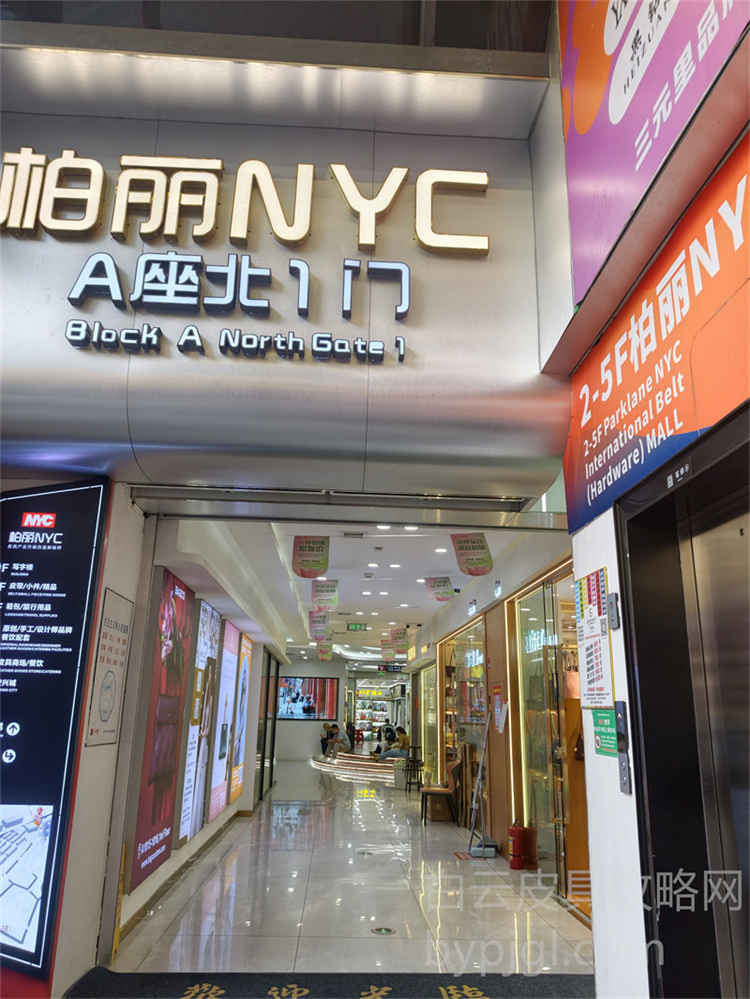






 On-site Visits
 Free Sharing
 Avoid Scams
 Updated Frequently
 For Reference Only