
Walking the Floors: My Honest Guide to Sourcing in Guangzhou
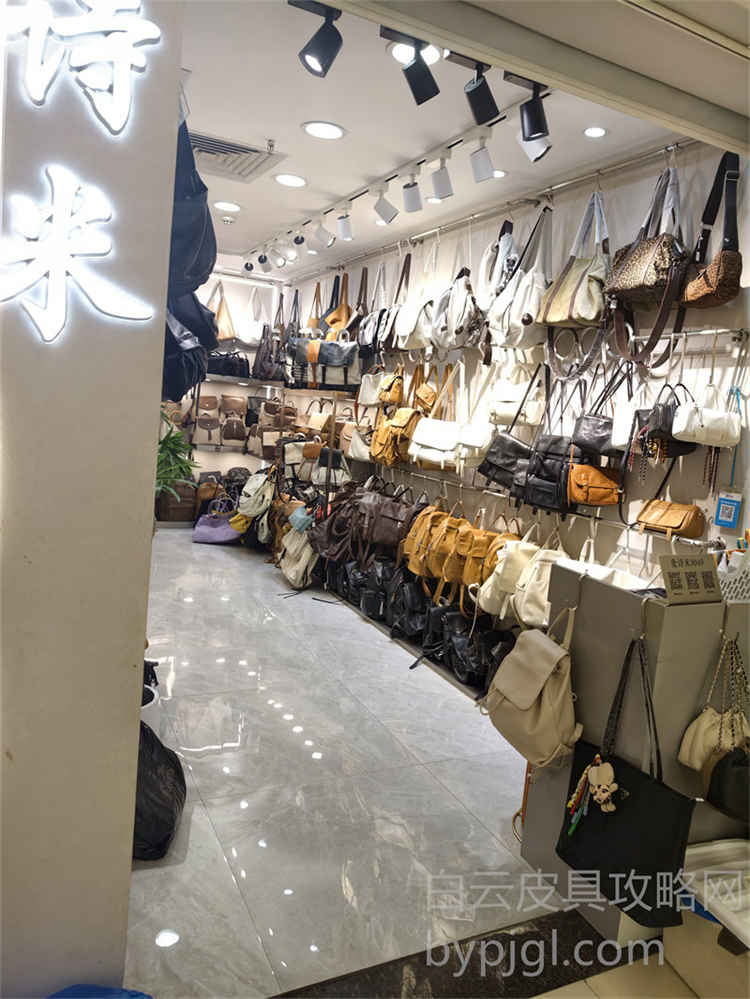
Welcome to my shop. I have been standing behind this counter in the Baiyun District for over fifteen years, watching the crowds come and go, from first-time tourists to seasoned buyers flying in from New York, London, and Dubai. If you are reading this, you are likely looking for the real deal on pricing and sourcing, not just a Google search result that leads to a dead end. Let me tell you straight: the prices you see online are often a trap. The real numbers only exist when you are standing right here, touching the leather, smelling the glue, and talking face-to-face with the person who actually made it.
The Myth of the "Wholesale Price" Online
Many people think they can find the best deals by messaging someone on WhatsApp or browsing a website before they even land in China. This is wher most foreign buyers lose money. When you ask for a price tag without seeing the item, you get the "tourist price." It is inflated because the seller knows you cannot verify the quality instantly. In our market, the price changes based on the material grade, the hardware weight, and the stitching density. A bag that looks identical from a distance might cost three times as much if the lining is genuine suede instead of polyester. You need to be here to feel the difference.
Navigating the Baiyun Leather City Labyrinth
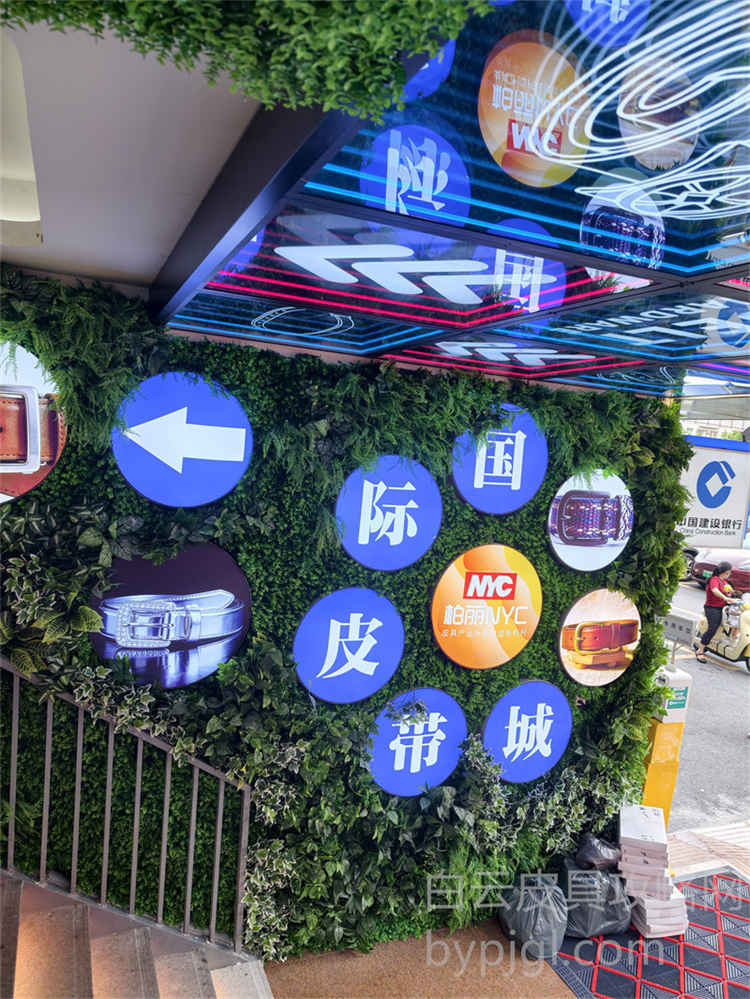
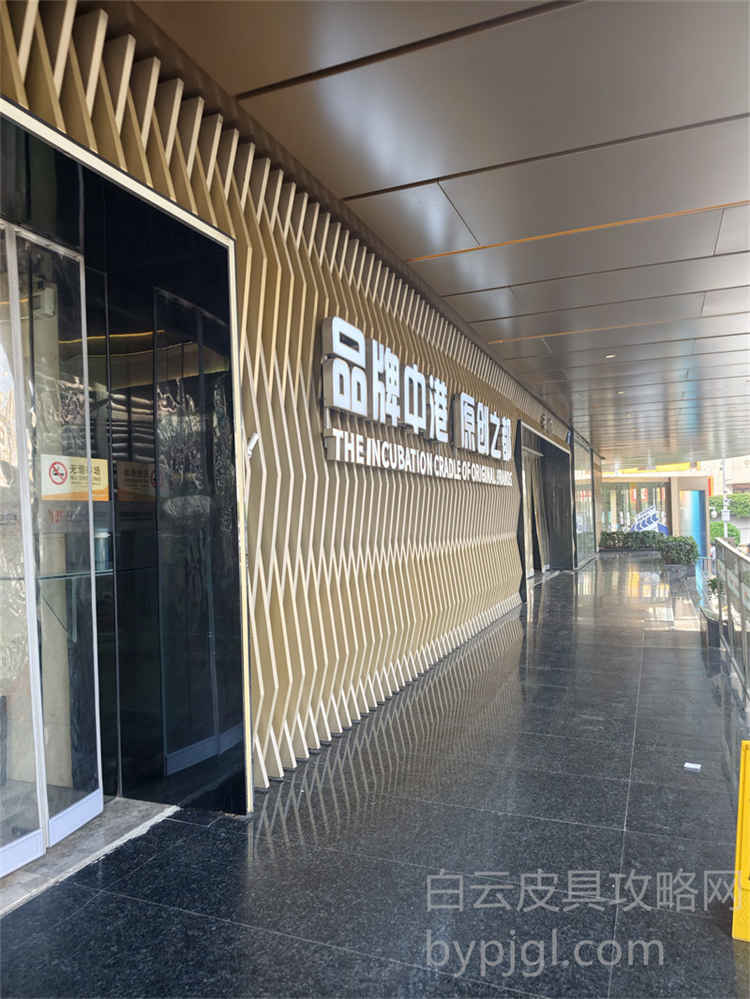
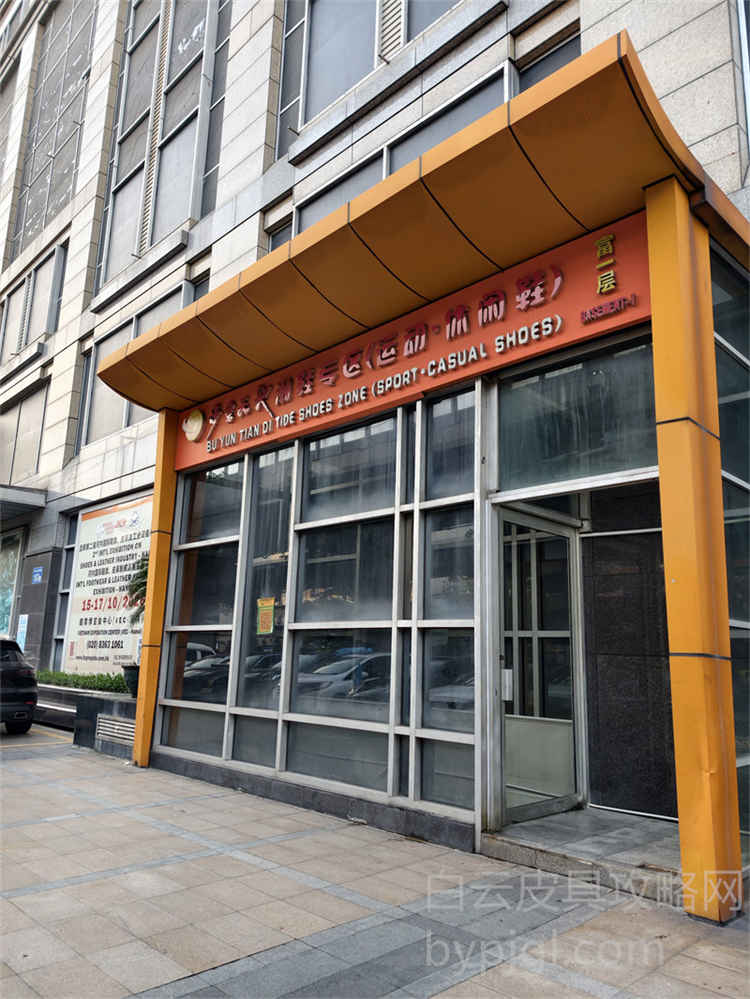
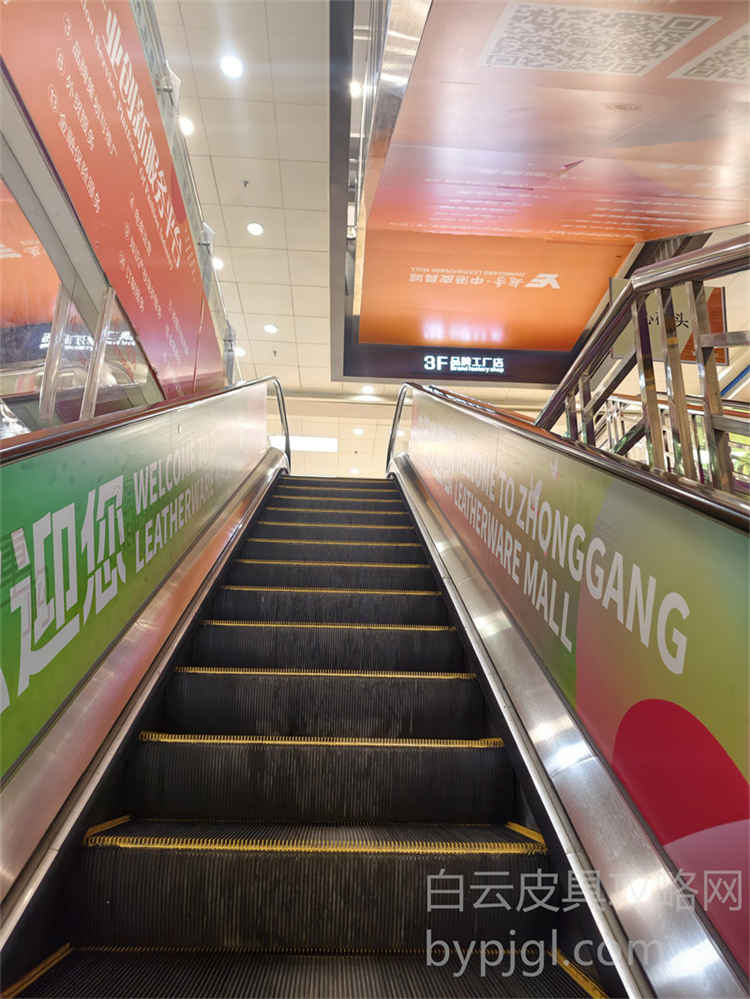
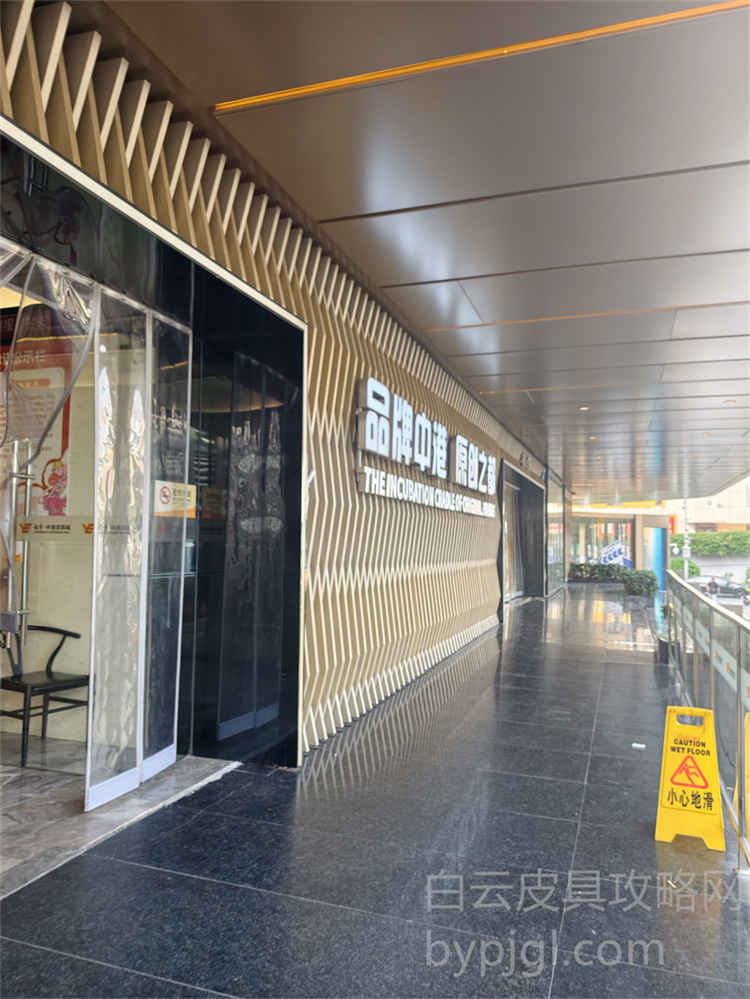
Guangzhou Baiyun Leather City is not a single building; it is a massive complex of interconnected malls, each with its own personality and price tier. If you walk into the main entrance expecting luxury goods at bargain prices, you will be disappointed. The ground floors are filled with low-quality items meant for street vendors. To find what serious buyers look for, you need to head upstairs or move to specific buildings like the World Trade Center or the nearby Shiqiao area.
Finding the Right Stall Without Getting Scammed
When you enter a stall, do not point and say, "I want this one." That signals you are a novice. Instead, look at the display racks. High-end stalls usually keep their best pieces locked in glass cabinets or under the counter. They only show them to customers who know how to ask. Start by asking about the "top tier" options. Use terms like "original factory standard" or "highest grade materials." If the owner hesitates or tries to push you toward a cheaper version immediately, walk away. A good supplier wants to build a long-term relationship, not make a quick buck off an uninformed buyer.
The Art of Inspection: What to Look For Before You Pay
This is the most critical part of your trip. I have seen hundreds of buyers sign contracts for thousands of dollars only to realize later that the zippers were cheap plastic or the stitching was uneven. When you are in the stall, bring a small flashlight. Shine it on the edges of the bag. Good craftsmanship means the edge paint is smooth, even, and matches the color perfectly. There should be no bleeding or rough spots. Check the hardware. It should feel heavy, not hollow. Tap it with your fingernail; a dull sound means it is plated zinc, while a sharp ring indicates solid brass.
Testing the Stitching and Alignment
Never trust a photo sent via WeChat. Photos can be edited, angles hidden, and details blurred. You must inspect the stitching yourself. Count the stitches per inch. Consistency is key. If the lines wobble or the spacing varies, the bag is not ready for export. Also, check the alignment of the pattern. On high-quality items, the stripes or logos should match up perfectly across seams. If you see a cut-off logo in the middle of a side panel, that is a red flag. Ask the owner to open the bag fully. Look inside the pockets. Are there loose threads? Is the lining taut? These small details separate a premium product from a cheap knockoff.
Negotiating and Securing Your Order
once you have found the items you like, the negotiation begins. Do not start by offering a lowball price. It insults the craftsman and ends the conversation. Instead, ask for their "best partner price." Explain that you are planning a large order or a recurring monthly shipment. Volume is your biggest leverage. In Baiyun, the more you buy, the lower the unit cost becomes. If you are buying ten bags, you might get a 10% discount. If you commit to fifty, the price dros significantly.
Payment Terms and Shipping Logistics
Never pay 100% upfront unless you have worked with this specific vendor for years. A standard deal involves a deposit, usually around 30%, with the balance paid after you inspect the final batch or upon shipping. For international buyers, we often use secure payment gateways or letters of credit to ensure safety. Regarding shipping, do not let the seller handle everything alone. They might choose a slow courier to save costs. Work with a reliable freight forwarder who specializes in air cargo from Guangzhou to your country. They can consolidate your orders from multiple stalls into one container, saving you on shipping fees and customs duties.
Avoiding Common Pitfalls for Foreign Buyers
There are traps everywher in this market. One common trick is the "sample swap." You approve a perfect sample, but when the bulk order arrives, the quality is slightly worse. To prevent this, always request a pre-production sample that matches the exact specifications of your bulk order. Take photos and videos of every detail before you leave the stall. Another pitfall is ignoring the seasonality. Prices fluctuate during major holidays like Chinese New Year or the Golden Week. If you plan to source then, book your appointments months in advance, as many factories shut down or reduce staff.
Building Trust Over Time
My advice is simple: treat these suppliers like partners, not vending machines. Bring business cards, dress professionally, and speak respectfully. When you return next time, mention the previous transaction. Show that you remember their names and their products. This builds loyalty. A loyal customer gets priority access to new designs and better pricing than a random tourist. The market moves fast, trends change weekly, and havin a trusted contact in Baiyun gives you the edge you need to stay ahead of the competition.
So, pack your bags and come to Guangzhou. Walk the streets of Baiyun, touch the leather, and talk to the people who know their craft. The prices you find here are real, but only if you put in the effort to understand the process. This is not a place for shortcuts; it is a place for those willing to learn the trade. once you master the art of sourcing here, you will never need to settle for less again.

 On-site Visits
 Free Sharing
 Avoid Scams
 Updated Frequently
 For Reference Only