
Why I've Been Selling Bags in Guangzhou for Over Two Decades
Listen, if you are reading this from overseas, thinking about flying to China to source bags, let me tell you something straight from the ground. Most people think they can just Google "Guangzhou bag sourcing company" and find a magic link that will ship them perfect goods without ever stepping foot here. That is a dangerous myth. I have been standing in these markets since the early 2000s, watching the industry evolve from small stalls to massive complexes. The truth is, no online agent knows your taste better than you do, and no third-party company can replac the feeling of touching the leather with your own hands.
When I first started, the market was chaotic. Today, it is organized but still requires a sharp eye. If you want to succeed, you need to understand that the real value lies in the physical interaction between buyer and seller. You cannot build trust through a chat window alone. You need to see the dust on the floor, smell the glue, and watch how the staff handles the merchandise. This is wher the real story begins, far away from the polished websites that promise the world.
Navigating Baiyun Leather City: The Real Heart of Sourcing
First Steps: Getting Lost on Purpose
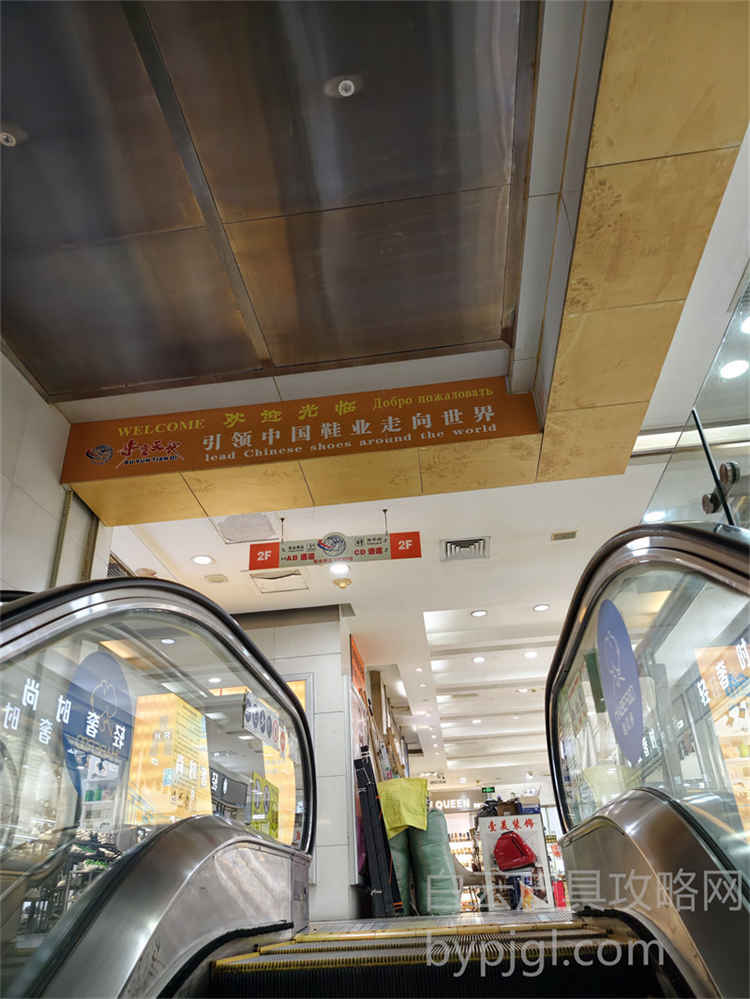
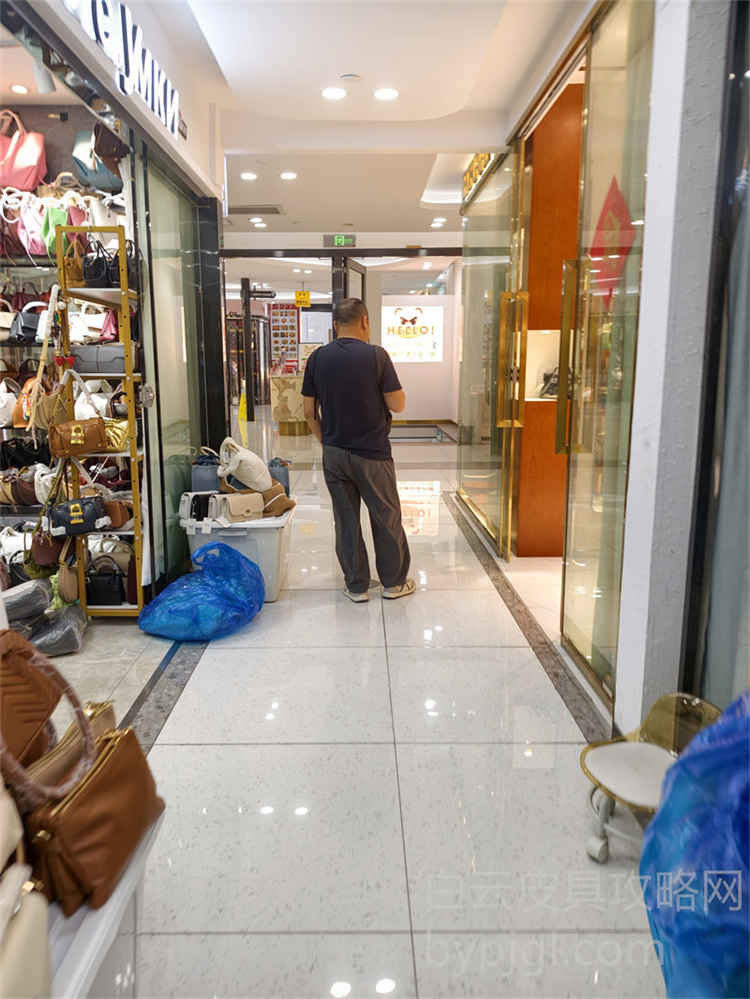
The first thing you must know is that you cannot rely solely on a map app when you enter the Baiyun area. The complex is a maze of interconnected buildings, each with its own personality. When I guide new buyers, I always tell them to skip the fancy lobby and head straight to the back corridors. That is wher the serious business happens. The front rows often display generic items meant to attract tourists or casual browsers. The real gems, the ones with unique stitching and high-grade materials, are tucked away in the deeper sections of the wholesale districts.
I remember taking a client last month who insisted on using a sourcing agency to pick up stock for him. He ended up buying three styles that looked great in photos but felt cheap in person. If he had walked into the stall himself, he would have felt the weight of the hardware immediately. The Baiyun Leather Market is not just a place; it is an ecosystem. Every building has a specialty. Some focus on luxury-style craftsmanship, while others specialize in trendy, fast-fashion designs. You need to walk every aisle to understand which section fits your brand identity.
Meeting the Stall Owners: It's about Relationships
Here is a secret that most online articles won't tell you: the best deals come from talking directly to the owners, not their sales assistants. In my experience, the young staff at the counters are trained to push volume, not quality. They will show you the same five styles over and over again. But if you ask for the boss, or wait until the afternoon rush dies down, you get access to the "hidden collection." These are the pieces that haven't hit the shelves yet, the prototypes, and the samples made from the finest cowhide available locally.
Building a relationship with a stall owner takes time. It starts with a simple greeting and a genuine interest in their craft. Ask them about the tanning process. Ask wher they source their zippers. When you show that you care about the details, they open up. They might invite you to their warehouse behind the shop, which is often wher the real inventory lives. This is the only way to verify the supply chain. You can see the raw materials, check the cutting machines, and ensure that what they sell is actually made right there in Guangzhou.
The Art of Inspection: What to Look For Before You Pay
Touch, Smell, and Stitch: The Three Pillars
When you are standing in front of a stack of bags, do not just look at the price tag. Your eyes can be deceived by lighting and angles. Your hands cannot. Run your fingers along the seams. A well-made bag should feel smooth, with no loose threads or uneven gaps. The stitching should be consistent, usually six stitches per inch for high-quality work. If the thread looks wobbly or the color varies slightly, put it back on the shelf. I have seen too many buyers ignore this detail, only to receive complaints from their customers later.
Smell is another critical factor. Cheap synthetic materials have a distinct chemical odor that lingers. Genuine leather or high-grade PU has a subtle, earthy scent. If the smell hits you the moment you open the door, run. Also, check the hardware. Open and close the zippers multiple times. Do they glide smoothly? Do the clasps snap shut with a satisfying click? In Guangzhou, we have access to top-tier metal suppliers, so good hardware is common. Bad hardware is a red flag that the whole product is compromised.
Verifying the Sample vs. Bulk Order
One of the biggest risks in cross-border sourcing is the sample-to-bulk discrepancy. A vendor might give you a perfect sample to sign the deal, then send you a batch of inferior goods. To avoid this, always request a pre-production sample before placing a large order. Insist on seeing the exact materials that will be used for the bulk production. Take photos of the grain, the lining, and the interior pockets. Compare these photos with the final shipment when it arrives.
I once worked with a buyer who skipped this step. He thought the sample was representative of the whole batch. When the container arrived, the leather was thinner, and the lining was a different shade of blue. It cost him thousands of dollars in losses. Never assume. Always verify. If the vendor hesitates to show you the bulk materials, that is a warning sign. Trust your gut. If something feels off, walk away. There are hundreds of other stalls in Baiyun waiting for your business.
Final Thoughts: Why Physical Presence Matters
In conclusion, while technology has made communication easier, it has not replacd the need for physical presence in the leather industry. The nuances of quality, the texture of the material, and the chemistry between buyer and seller are things that cannot be digitized. If you are serious about building a sustainable brand, invest the time and money to visit Guangzhou. Walk the floors of Baiyun Leather City, talk to the locals, and trust your instincts.
There is no substitute for being there. The stories I share today are born from years of walking these concrete floors, shaking hands with vendors, and learning the hard way. Don't let anyone convince you otherwise. The best sourcing strategy is your own two feet. Go out there, explore the markets, and find the partners who will grow with you. That is the only way to win in this game.







 On-site Visits
 Free Sharing
 Avoid Scams
 Updated Frequently
 For Reference Only