
Why Guangzhou Remains the Global Hub for Handbag Sourcing
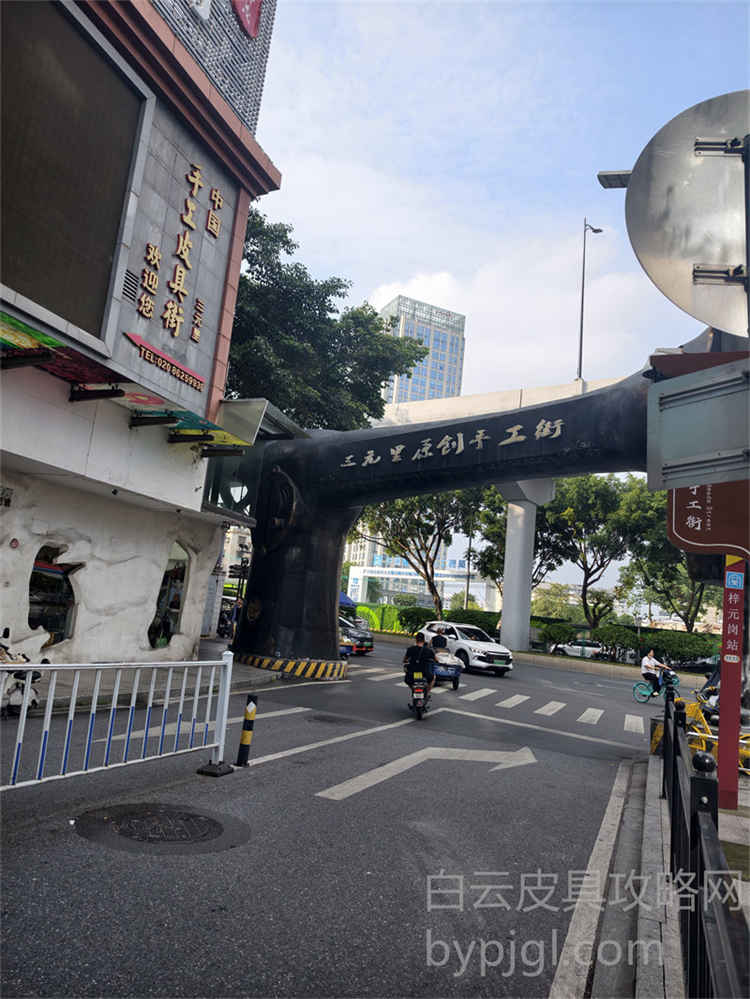
I have been standing behind my counter in the Baiyun District for over two decades. While the world talks about supply chains shifting and factories moving to Southeast Asia, I see something different every single day. The energy here is unmatched. If you are an overseas buyer looking for the source of high-quality leather goods, you need to understand that Guangzhou is not just a city; it is the beating heart of the global handbag industry. People often ask me why they should fly all the way here instead of ordering online or visiting a showroom in their home country. The answer lies in the sheer depth of our ecosystem. We don't just sell bags; we control the entire lifecycle from raw material sourcing to the final stitching.
The most common misconception among new buyers is that this place is only about cheap imitations. That narrative died years ago. Today, the markets around Baiyun are filled with manufacturers who produce for top international brands and independent designers alike. When you walk through these corridors, you are walking through a living library of craftsmanship. You can touch the grain, feel the weight of the hardware, and smell the quality of the leather before you even think about placing an order. This tactile experience is something no website can replicate. My advice to anyone coming here is simple: leave your preconceived notions at the airport and come with an open mind and a sharp eye.
Navigating the Market Landscape: More Than Just One Building
Understanding the Hierarchy of Markets
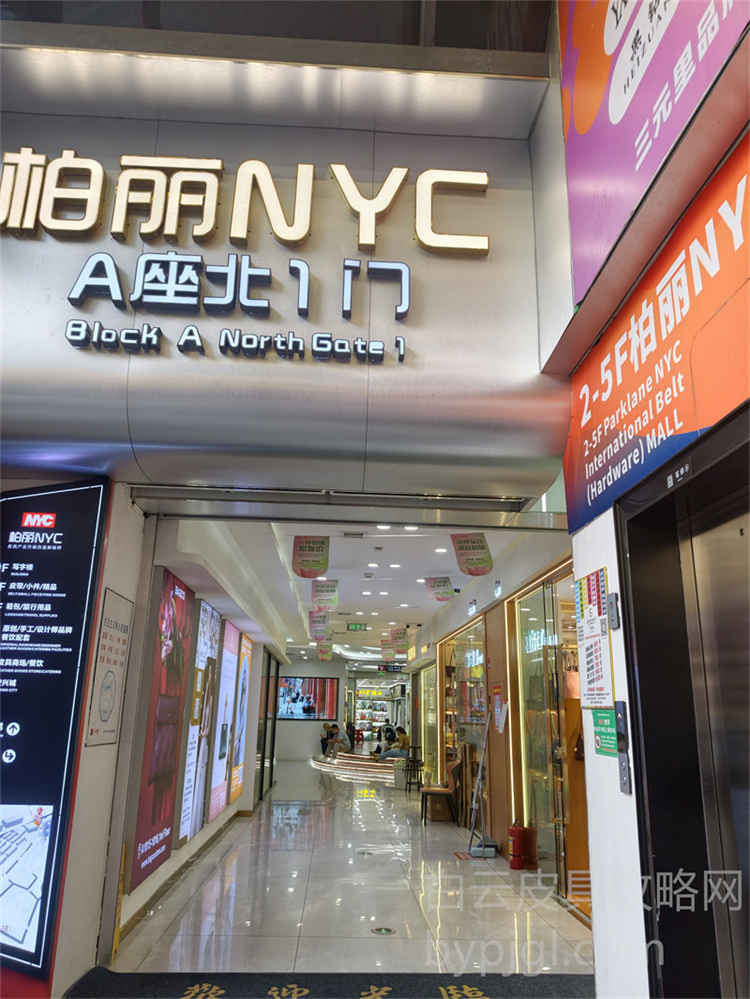
When you first arrive in Guangzhou, the scale can be overwhelming. There isn't just one market; there is a cluster of them, each serving a different purpose. The famous Baiyun Leather City is the giant everyone knows, but if you want to find the absolute best pieces, you need to know wher to look within it. The lower floors are often crowded with tourists and smaller retailers, while the upper floors and the side alleys house the serious wholesalers and factory showrooms. Then there are the newer complexes like the World Trade Center and the nearby Shiqiao area, which have attracted more modern, design-focused suppliers.
The Art of Finding the Right Stall
Walking into a stall without a plan is a waste of time. In my shop, we see hundreds of visitors a week, but very few actually get down to business. The key is to identify the "specialty" of each stall. Some focus exclusively on exotic skins, others on minimalist canvas designs, and some specialize in vintage-style hardware. Don't be afraid to ask the staff directly what their core competency is. A good supplier will tell you exactly what they do best. If they try to sell you everything from low-end nylon to high-grade calfskin, run. That usually means they are middlemen, not the source. Real factories have a specific niche, and finding that niche is your first step toward securing a reliable partnership.
Inspecting Quality: What I Look For Before Signing
Let's talk about the product itself. When I am evaluating a bag for a long-term client, I don't just look at the outside. I check the lining, the stitching tension, and the alignment of the pattern. In Guangzhou, the term "top tier" is used loosely by many sellers, so you must verify it yourself. Pull on the straps to test durability. Open the zippers repeatedly to ensure smooth operation. Check the interior pockets for loose threads. I always tell my customers to bring a small flashlight; shadows hide defects. If the seller gets defensive when you inspect the item closely, that is a red flag. Honest manufacturers welcome scrutiny because they know their work holds up under pressure.
The Negotiation Dance: How to Secure the Best Price
Building Rapport Before Business
In China, relationships matter more than contracts, especially in the early stages. Before we discuss prices, we talk. We drink tea, we chat about your brand, and we share stories. This might seem inefficient to Western buyers who prefer to get straight to the point, but it is crucial here. once a supplier feels you are a person and not just a transaction, they are much more willing to give you their best price and prioritize your orders. I have seen deals fall apart simply because the buyer was too aggressive and rude. Be polite, be respectful, and show genuine interest in their craft.
Understanding MOQs and Pricing Tiers
Pricing in Guangzhou is rarely fixed. It depends heavily on your Minimum Order Quantity (MOQ). If you are buying ten bags, you will pay retail-plus prices. If you are buying five hundred, you enter the wholesale tier. However, many suppliers are now flexible with startups. They might accept a lower MOQ if you agree to a slightly higher unit price or if you commit to future orders. Do not be afraid to negotiate. Start by asking for their "best price for a trial order." If they refuse to budge, move to the next stall. Competition is fierce here, and there is always another supplier willing to meet your terms. Remember, the lowest price is not always the best deal; consider shipping costs, lead times, and after-sales support.
Avoiding Pitfalls: Lessons Learned After 20 Years
Scams and Safety Precautions
While the vast majority of businesses here are legitimate, scams do exist. Be wary of suppliers who demand full payment upfront via wire transfer without any contract or deposit protection. Always use secure payment methods that offer buyer protection. Also, be careful with samples. Sometimes a sample looks perfect, but the bulk production differs significantly. Insist on seeing a pre-production sample before the full batch is made. Another common issue is the "rush job." If a supplier promises a massive order in three days, they are likely cutting corners. Good leather goods take time. Respect the timeline, and you will get better results.
Logistics and Shipping Realities
once you have secured your goods, the next challenge is getting them out of China. Many stalls in Baiyun have partnerships with freight forwarders who specialize in international shipping. Do not try to handle this alone unless you have extensive experience. Ask your supplier for recommendations. They know the current customs regulations and the best routes for your destination. Whether you are shipping via air express or sea freight, ensure the packaging is robust enough to prevent damage during transit. A cracked handle or a scratched zipper upon arrival can ruin your reputation. Work with your supplier to pack the bags properly, using dust bags and sturdy boxes.
Final Thoughts: Your Journey Starts Here
Guangzhou is a city of opportunity, but it rewards those who are prepared. It is not a place for the casual browser. Come with a clear strategy, a keen eye for detail, and a willingness to build relationships. The connections you make in these bustling markets can last a lifetime and transform your business. From the intricate details of the stitching to the complex logistics of global shipping, every step of the process here is designed to serve the needs of serious buyers. So, pack your bags, book your flight, and come see for yourself why the world keeps coming back to Guangzhou for its leather goods. The real story of fashion is written right here, in the workshops and showrooms of Baiyun, waiting for you to discover it.







 On-site Visits
 Free Sharing
 Avoid Scams
 Updated Frequently
 For Reference Only