
Walking the Floors: My Real Talk on Sourcing Bags in Guangzhou
Welcome to my shop. If you are reading this, you probably know that the real magic doesn't happen online or in some sterile warehouse far away from the action. It happens right here, in the dusty, chaotic, and incredibly vibrant heart of the Baiyun district. I have been standing behind this counter for over twenty years, watching thousands of buyers come and go. Some leave with their pockets full of regret, while others walk out with inventory that sells like hotcakes. The difference isn't luck; it is knowing how to navigate the maze without getting lost.
When people ask me about finding high-quality leather goods in Guangzhou, they often think I am talking about a single store. That is a misconception. The ecosystem here is massive. You cannot just walk into one building and expect to find everything. You need to understand the flow of traffic, the hierarchy of the buildings, and most importantly, the language of the trade. Let me take you through what actually goes down when I help a serious buyer source their next collection.
Navigating the Baiyun Leather City Complex
The First Step: Knowing Which Building to Enter
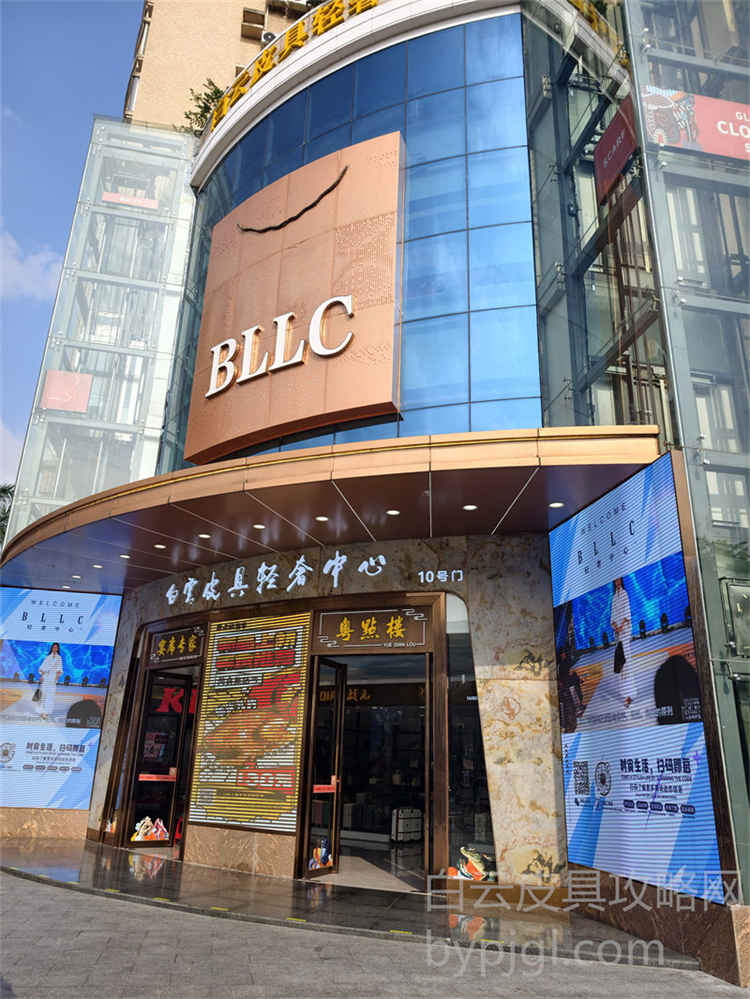
Let's start at the beginning. When you arrive at the Baiyun Leather Market area, do not get overwhelmed by the sheer number of entrances. There is the main complex, the World Trade Center, and several smaller satellite buildings nearby. Each has its own vibe. The older buildings tend to house the factories that make the bulk of the volume, while the newer, glass-fronted towers often cater to higher-end boutique sourcing. If you are looking for top-tier materials and craftsmanship, you need to head straight for the upper floors of the main complexes wher the showrooms are located.
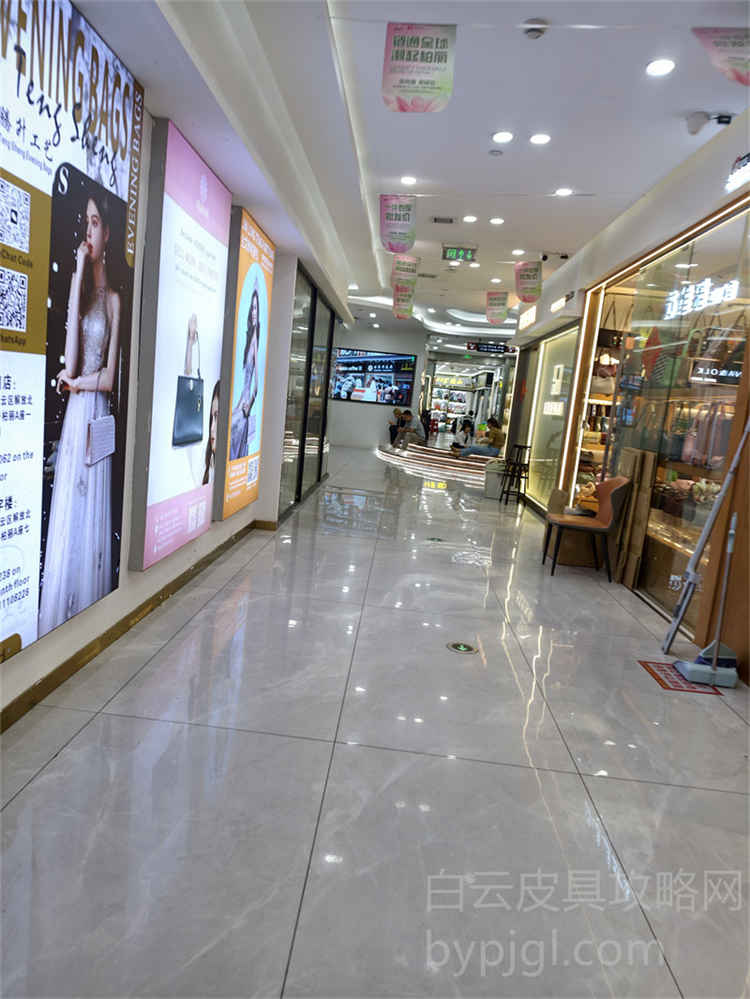
I always tell my clients to skip the ground floor stalls unless you are buying very basic items. The real gems are up on the second or third floors. These are the spots wher the owners themselves might be present, or wher the managers who deal directly with the factory lines work. Downstairs, you will find many middlemen reselling stock. Upstairs, you find the source. This distinction is crucial if you want to avoid paying a premium for someone else's margin.
The Art of the "Showroom" Visit
once inside, your first move should be to scan the room. Do not rush to talk to the first person you see. Walk around. Look at the stitching, the hardware weight, and the smell of the leather. In Guangzhou, presentation is everything. A stall that looks messy usually means the quality control is loose. Conversely, a clean, organized display with neatly arranged bags suggests a professional operation. When you spot a bag that catches your eye, approach the staff calmly. Do not say you want to buy immediately. Ask questions about the material composition. Are we talking about genuine cowhide, calfskin, or a specific grade of synthetic? Be specific. If they hesitate or give vague answers, move on. Honesty is the currency of this market.
Building Relationships and Negotiating Terms
From Stranger to Partner
Here is a secret that most foreign buyers miss: nobody cares about you as a stranger. They care about you as a potential partner. If you walk in asking for the lowest price possible without establishing any rapport, you will get the standard retail markup. But if you sit down, order a cup of tea, and ask about their production cycle, the dynamic changes completely. I have seen buyers spend ten minutes chatting about the weather and the logistics of shipping before even discussing a single bag. That conversation builds trust.
Trust leads to better pricing. once a vendor knows you are serious and plan to return, they will unlock their best rates. They might even offer you access to samples that are not displayed on the shelves. In this industry, the best products are often kept off the floor until a trusted buyer asks for them. Do not be afraid to ask, "Do you have anything better than this?" Most vendors will smile and lead you to the back room.
Understanding MOQ and Sample Policies
One of the biggest hurdles for new importers is the Minimum Order Quantity, or MOQ. Many small stalls insist on high quantities, but the larger factories in the Baiyun area are flexible if you commit to the right tier. When negotiating, clarify the sample policy upfront. Will they send a sample for free if you place a large order later? What is the cost if you just want to test the quality? In my experience, a reasonable sample fee is normal, but a vendor who refuses to let you inspect a piece before committing to a bulk order is a red flag. Never skip the inspection phase. Even if you are buying a hundred units, you must verify the consistency of the first batch.
Inspection and Avoiding Common Pitfalls
The Eyes-On Inspection Protocol
When you finally decide to move forward, the inspection process becomes critical. Do not rely on photos sent via WeChat. Those images can be edited, filtered, or taken from a different angle to hide flaws. You must physically touch the product. Check the zippers. Do they glide smoothly or stick? Feel the lining. Is it tight or does it sag? Inspect the stitching density. Are there loose threads? Look at the alignment of the patterns. In Guangzhou, the term "quality" varies wildly between shops. What one shop calls "premium," another might call "standard." You need to define your own standards before you sign anything.
Another common mistake is ignoring the hardware. Cheap plating peels off quickly, especially in humid climates. Ask about the coating process. Is it PVD plated? Does it have a protective layer? These details separate a bag that lasts five years from one that falls apart in six months. Take your time. Bring a magnifying glass if you have to. Better to delay the shipment by an hour than to receive a truckload of defective goods.
Logistics and Shipping Realities
Finally, let's talk about getting the goods home. Many buyers focus so much on the product that they forget the logistics. Guangzhou has excellent shipping infrastructure, but navigating customs and freight forwarding requires preparation. Work with a forwarder who specializes in leather goods. They know which documents are needed and how to classify the items correctly to avoid delays. Do not try to ship everything yourself unless you have a dedicated team on the ground. Coordinate with your supplier to ensure the packaging is robust enough for international transit. Leather can scratch easily, so proper wrapping is non-negotiable.
Sourcing in Guangzhou is an adventure, but it is also a business that rewards patience and knowledge. The market is vast, filled with opportunities for those who know how to look. By understanding the layout of the Baiyun district, building genuine relationships with the vendors, and maintaining strict quality control standards, you can build a supply chain that is both reliable and profitable. Remember, the best deals are not found by rushing; they are found by walking the floors, asking the right questions, and trusting your instincts. Welcome to the real world of leather sourcing.







 On-site Visits
 Free Sharing
 Avoid Scams
 Updated Frequently
 For Reference Only