
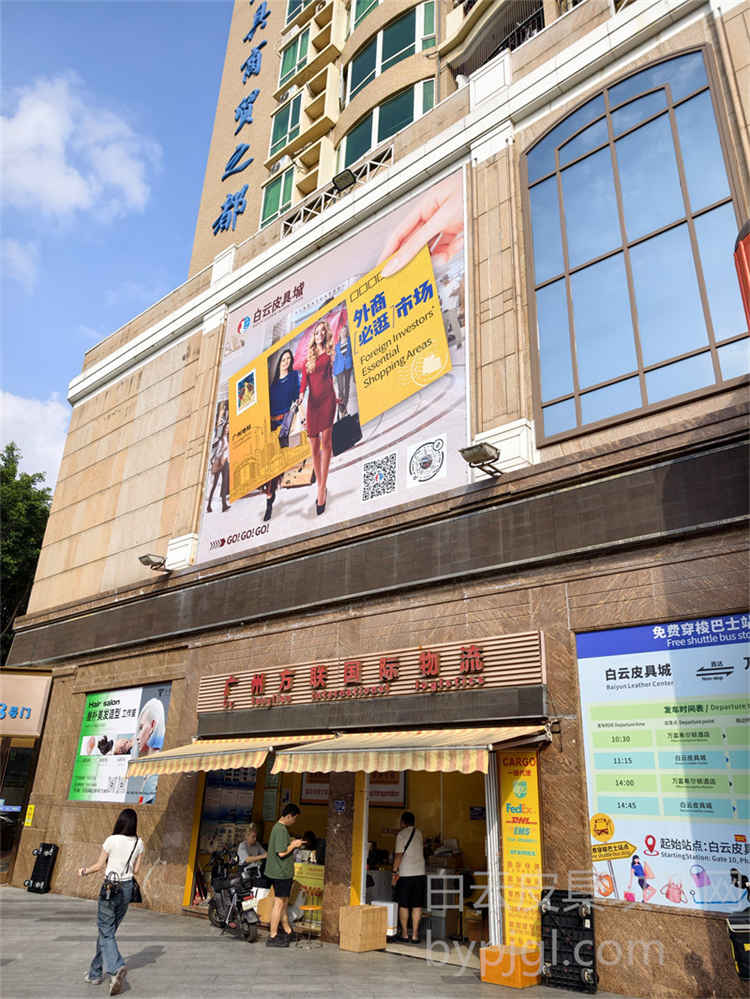
Stepping Into the Heart of Guangzhou Leather Trade
I have been standing behind the same counter in Guangzhou for over fifteen years. While the city outside has transformed into a gleaming metropolis of glass and steel, the rhythm inside our leather markets remains stubbornly traditional. If you are reading this from overseas, wondering wher to find authentic supply chains without getting lost in a maze of online scams, let me tell you: the real answers are not on a website. They are found in the humid air of the Baiyun District, amidst the noise of thousands of transactions happening simultaneously.
Many buyers ask me how to source high-quality bags directly from the factory floor here. The truth is, there is no single "source." There is only a complex ecosystem of suppliers, traders, and workshops that I navigate every single day. My shop sits right in the middle of the wholesale hub, which means I see everything from the raw materials arriving at dawn to the final boxes being loaded onto trucks at dusk. This isn't about selling fake goods; it is about understanding the legitimate trade of premium leather accessories that serve both domestic and international markets.
Navigating the Physical Market Landscape
You cannot buy what you cannot touch. When I first started, I relied on catalogs, but those days are long gone. Today, if you want to secure reliable stock, you must be physically present in the Baiyun area. The market is not just one building; it is a sprawling network of interconnected structures, each with its own personality and specialty.
The Layout and Atmosphere
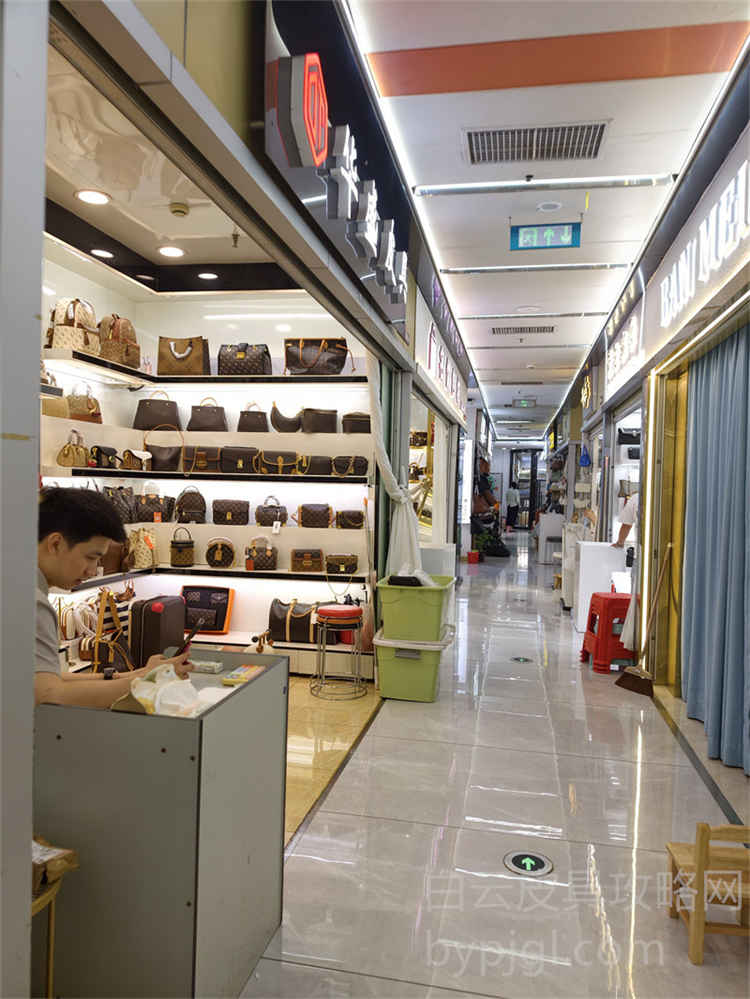
Walking through the main corridors, you will notice the sheer density of activity. It is loud, chaotic, and incredibly energetic. Every few steps, you encounter a new stall displaying racks of handbags. Some stalls look like luxury boutiques with velvet ropes, while others are bare-bones warehouses stacked floor-to-ceiling with inventory. Do not judge a supplier by their storefront alone. The most reputable factories often operate out of the back rooms or upper floors, hidden away from the flashy displays meant to attract casual tourists.
When you enter the Baiyun Leather City, your goal should be to identify the specific zones. Some areas focus on vintage styles, while others specialize in modern minimalist designs. I always advise my foreign clients to spend at least three full days just walking around. You need to get a feel for the flow of traffic. Notice which stalls have customers lingering, asking detailed questions about stitching and hardware. Those are the serious buyers, and the owners of those stalls are usually the ones who know their craft best.
Identifying the Right Suppliers
Not every person behind the counter is a manufacturer. Many are middlemen who simply resell goods they bought elsewher. To find the true source, you need to ask the right questions. Instead of asking for prices immediately, ask about their production capacity and material sourcing. A genuine workshop owner will talk about the tanneries they use, the type of thread, and the origin of the zippers. If they hesitate or give vague answers, move on. In this industry, transparency is the first sign of trustworthiness.
The Art of Selecion and Inspection
once you have identified a promising stall, the real work begins. Sourcing is not about picking the cheapest item; it is about selecting the piece that offers the best balance of quality, design, and margin. I have seen countless buyers make the mistake of focusing solely on price, only to receive subpar goods that damage their reputation back home.
Hands-On Quality Control
Never accept a photo as proof of quality. Photos can be edited, angles can be manipulated, and lighting can hide flaws. When you are standing in front of a bag, run your fingers over the leather. Feel the grain. Check the weight of the hardware. Does the zipper glide smoothly? Are the stitches even and tight? In my shop, we teach our staff to inspect every single bag before it leaves the premises, and I expect the same from you. Look closely at the edges. Are they painted neatly, or is there glue residue? These small details separate a premium product from a cheap imitation.
Another critical aspect is the lining. Many suppliers cut corners here, using flimsy fabric that tears easily. Ask to see the interior construction. A well-made bag will have reinforced seams and durable lining material. If you are looking for specific features, such as magnetic closures or specific pocket configurations, do not assume they are standard. Always verify these details against the physical sample in your hands.
Building Relationships with Owners
In Guangzhou, business is personal. The people running these stalls are not faceless corporations; they are individuals who rely on repeat customers. When you build a rapport with an owner, you gain access to better inventory. They might show you samples that are not yet on display, or offer you priority during peak seasons when stock is low. I treat every buyer with respect, whether they are purchasing ten units or a thousand. But the buyers who return year after year are the ones who understand the value of a good relationship.
Practical Negotiation and Logistics
After you have seleced your items, the negotiation phase begins. Prices in the Baiyun market are rarely fixed. They fluctuate based on order volume, payment terms, and the current cost of raw materials. Do not be afraid to haggle, but do so respectfully. Aggressive bargaining can offend the seller and ruin the deal. Instead, frame your negotiation around long-term partnership potential.
Understanding Pricing Structures
When discussing prices, clarify whether the quote includes packaging, shipping, and taxes. Many initial quotes are ex-works, meaning you are responsible for all logistics from the factory gate. For smaller orders, the per-unit cost will be higher because the setup costs are spread over fewer items. As your order volume increases, the price per unit should drop significantly. I always recommend starting with a trial order to test the quality and reliability of the supplier before committing to a large shipment.
Logistics and Shipping Considerations
Getting your goods out of China requires careful planning. Most suppliers in the Baiyun district have experience exporting, but they may not handle customs clearance for you. You will likely need to hire a freight forwarder who specializes in leather goods. Ensure that your forwarder knows how to handle fragile items and has experience with international shipping regulations. Packaging is crucial; leather bags can be damaged easily during transit if not packed correctly. Insist on sturdy boxes and protective wrapping.
Avoiding Common Pitfalls
Even with the best intentions, mistakes happen. One of the most common pitfalls is relying on communication apps that lack a paper trail. Always keep records of your conversations, agreements, and payment /confirm/iations. Another major issue is rushing the process. Take your time to verify samples and conduct thorough inspections. If something feels off, trust your instincts and walk away. There are plenty of other suppliers in Guangzhou waiting to do business with you.
Finally, be wary of deals that seem too good to be true. If a price is significantly lower than the market average, there is almost certainly a catch. Whether it is inferior materials, poor craftsmanship, or a scam, the risk is never worth it. By staying grounded in reality and leveraging the local knowledge of experienced shop owners like myself, you can successfully navigate the Guangzhou leather market and build a sustainable supply chain for your business.







 On-site Visits
 Free Sharing
 Avoid Scams
 Updated Frequently
 For Reference Only