
Walking the Floors: My Real Talk on Sourcing Top-Tier Bags in Guangzhou
I have been standing behind this counter for over twenty years. While the world sees a bustling city, I see rows of leather, stacks of zippers, and the quiet hum of negotiations that happen before the sun even sets. You are probably asking about the best sources for high-end bags, and if you are looking at the internet, you will find thousands of generic guides. But let me tell you something those articles won't say: the real quality isn't found in a catalog; it is found in the dust, the smell of the glue, and the way a salesperson looks you in the eye when they hand you a sample.
If you want to source top-tier goods from Guangzhou, specifically targeting the premium sector, you need to stop thinking like a tourist and start thinking like a buyer who knows wher to look. The market here is vast, confusing, and layered. There are tiers within tiers, and unless you know the difference between the street-level stalls and the hidden showrooms, you will walk away with mediocre products that cost you more than they are worth.
Navigating the Heart of the Leather District
The Myth of the One-Stop Shop
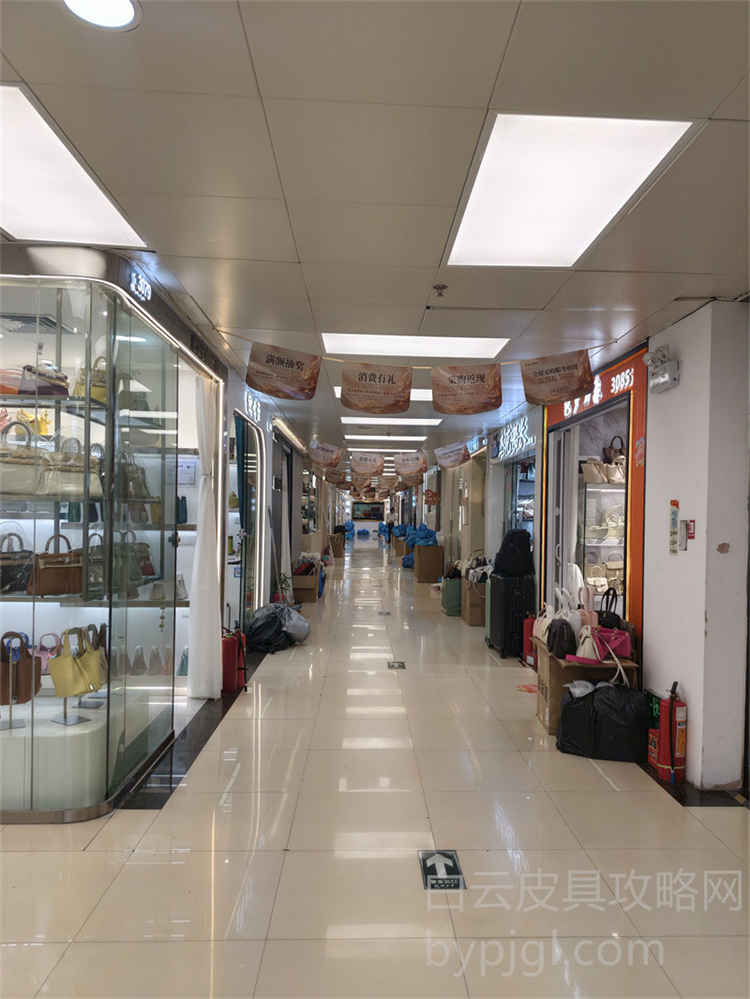
Many people think there is one building wher everything is perfect. That is a lie. The Baiyun Leather City complex is massive, but it is not a monolith. The ground floor is often filled with lower-grade items designed for tourists or budget-conscious shoppers. If you are hunting for the absolute best craftsmanship, you must ignore the flashy signs on the first level. You need to head straight for the upper floors, specifically the areas known as the "High-End Zone" or the specialized corridors wher the serious wholesalers operate.
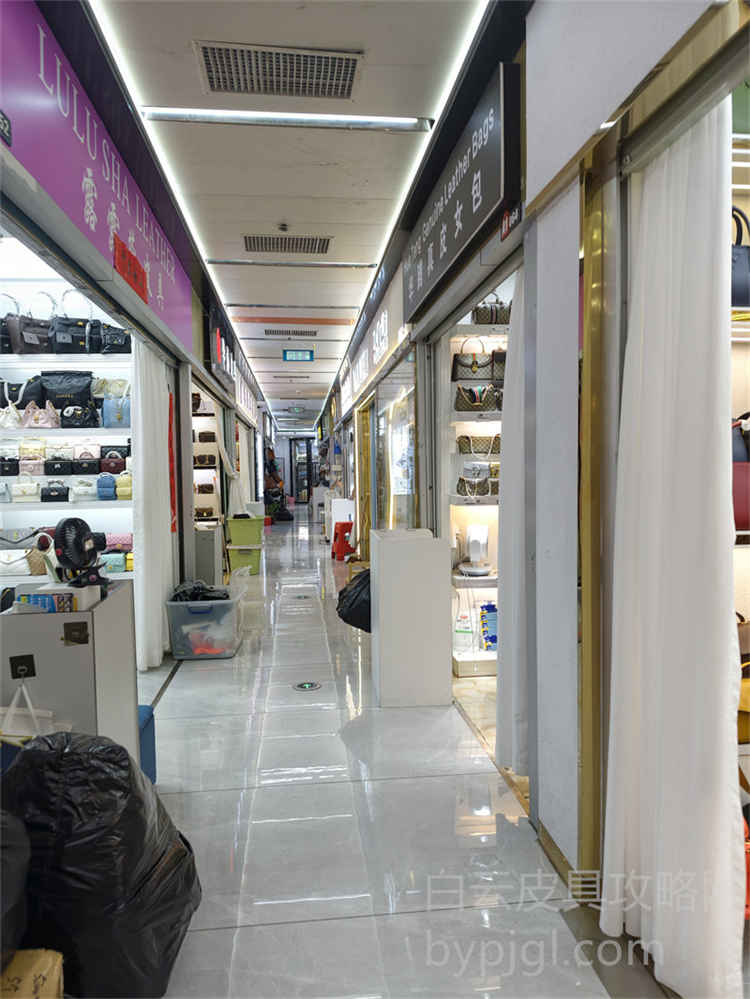
These areas are less crowded, quieter, and the staff speaks better English because they deal with international clients daily. When you enter these sections, notice the lighting. High-quality leather needs good light to show its grain and texture. If a stall is dimly lit, be suspicious. They might be hiding flaws in the stitching or the hide itself. Walk slowly. Do not rush. In my experience, the best deals are made by those who take their time to inspect every angle of the bag.
Understanding the Supply Chain Layers
You need to understand how the supply chain works here. There are factories that make the raw materials, workshops that cut and stitch, and then there are the showrooms that display the final product. The people selling you the bags on the main floor are often middlemen. They buy from the factories down the road and mark up the price. To get the true "top tier" pricing and access to the latest molds, you need to find the direct showroom operators.
These operators often have small offices attached to their stalls or upstairs in the same building. They do not shout prices at you. They invite you to sit down, pour tea, and show you their private collection. This is wher the real conversation happens. They will ask you what volume you can handle, what your target market is, and whether you care about specific hardware finishes. This personalization is the key to unlocking the highest quality inventory.
The Art of Inspection and Selecion
Touching the Material Matters More Than Looking
When you are selecting a bag, your eyes can be deceived by photos, but your hands cannot. I always tell my buyers to bring a magnifying glass if they are unsure, but mostly, just use your fingertips. The leather used for the top tier is distinct. It has a natural scent, not the chemical smell of synthetic substitutes. Run your fingers across the surface. Does it feel cool? Does it have a slight resistance? Good leather breathes. Cheap leather feels plastic-like and warm immediately.
Pay close attention to the edges. In the lower tiers, you will see painted edges that chip easily. In the premium sector, the edges are hand-painted multiple times and burnished until they are smooth and sealed. Look at the lining. Is it soft suede or rough canvas? The lining should match the quality of the exterior. If the outside is beautiful but the inside is flimsy, walk away. That is a sign of a factory cutting corners.
Hardware and Stitching: The Devil is in the Details
Let's talk about the metal parts. Zippers, clasps, and locks. On the cheap side, the metal is hollow and lightweight. It scratches easily and turns green after a few weeks. For the top-tier sourcing, you want solid brass or zinc alloy with a heavy weight. Drop the bag slightly; if it sounds dull and heavy, it is likely good. If it sounds tinny, it is not.
Stitching is another critical area. Count the stitches per inch. High-end production uses consistent tension. Every stitch should be identical in length and depth. There should be no loose threads, no skipped stitches, and no uneven spacing. If you see a machine that leaves gaps, that is a red flag. Also, check the alignment of the pattern. If the bag has a specific print or texture, does it line up perfectly at the seams? In the best workshops, the pattern continuity is flawless. This takes skill and patience, which is why it costs more.
Building Relationships and Avoiding Pitfalls
The Power of Face-to-Face Negotiation
You cannot negotiate effectively via WeChat messages alone. You need to be there. When you meet a supplier in person, you build trust. Show them you are serious. Bring a notebook, take notes, and ask detailed questions about the production process. Ask them wher the leather comes from, who makes the hardware, and how long the lead time is. A confident supplier will answer all of these without hesitation. A nervous one might deflect or give vague answers.
once you establish a rapport, you can discuss volume discounts and exclusive designs. Many suppliers in the Baiyun district are willing to customize molds for serious buyers. This means you can have a unique design that no one else has, produced with the same quality standards as the big names. But remember, customization requires a higher minimum order quantity. Be prepared to commit to a larger batch if you want exclusivity.
Common Traps for Overseas Buyers
There are several traps that catch new buyers off guard. One common issue is the "sample vs. bulk" discrepancy. Sometimes the sample you see is perfect, but the mass-produced batch is slightly different. To avoid this, insist on seeing a pre-production sample before the full run begins. Pay for it if you have to. It is better to spend an extra hundred dollars now than to lose thousands later.
Another trap is payment security. Never transfer money directly to a personal bank account without a contract. Use secure trade assurance methods or escrow services. Always have a written agreement that specifies the quality standards, delivery dates, and penalties for delays. In Guangzhou, business is done quickly, but paperwork protects you. Finally, be wary of suppliers who promise "overnight shipping" for custom orders. Quality takes time. If they rush it, the quality will suffer. Trust the process, and trust the local experts who have been doing this for decades.







 On-site Visits
 Free Sharing
 Avoid Scams
 Updated Frequently
 For Reference Only